
- Not enough sessions yet: most at-home kits need a full course, often 1 to 2 weeks, before results show.
- Your natural shade: some teeth are naturally more yellow because the dentin underneath shows through thinner enamel.
- Gel not reaching the teeth: poorly fitting trays, too little gel or brushing off the gel too soon.
- The type of stain: surface stains respond well; deep, gray or medication stains respond less.
- Fillings, crowns or veneers don't whiten, so they can look yellow next to whiter teeth.
- Re-staining from coffee, tea, wine or smoking right after treatment.
You bought a whitening kit, followed the steps and looked in the mirror expecting a bright smile, but your teeth still look yellow. It's one of the most common whitening frustrations, and it usually doesn't mean whitening "doesn't work" for you. Results depend on how long you've been whitening, what kind of discoloration you have, how well the gel reaches your teeth and what you eat and drink in between. This guide explains why teeth can still look yellow after whitening, how to tell which reason applies to you, what to do next, which stains need a dentist's help and how to keep the results you get.
In this guide:
- how long whitening takes
- natural tooth color and enamel
- application mistakes
- stains that whiten slowly
- fillings, crowns and veneers
- how to keep results
General information about consumer products, not dental advice. Teeth that turn dark suddenly, a single darkening tooth or discoloration with pain should be checked by a dentist. Stop whitening if you have significant pain or gum irritation.
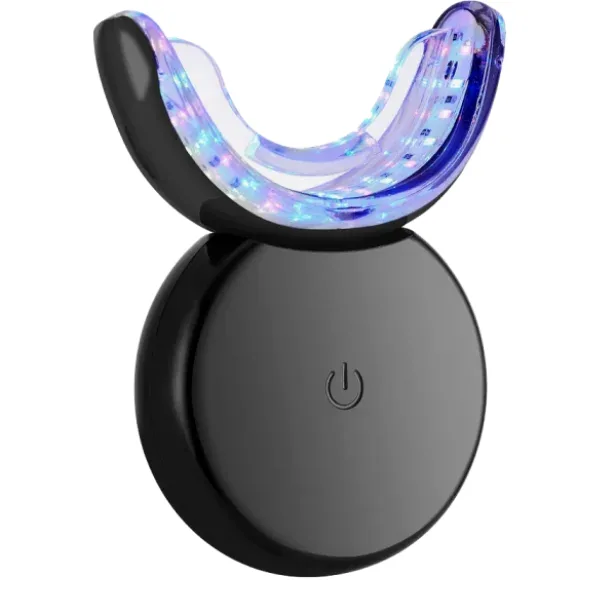
Our pick: the WellaWhite At-Home LED System
Whitening gel, LED light, moldable trays and a shade guide in one kit. 15 to 30 minutes per session, from $59 per kit in bundles.
Check today's price →From $59 per kit · PayPal accepted
Have you whitened long enough?
Professional in-office whitening can show a change in one visit, but at-home kits work gradually. Many people see a first change after a few sessions, and fuller results after completing the course, often 1 to 2 weeks of daily use. Stopping after two or three sessions is one of the most common reasons people think whitening failed. Check the kit's recommended schedule and use the shade guide on day one and at the end, in the same light. See how long to use LED teeth whitening and LED whitening results.
Is your natural tooth color more yellow?
Teeth aren't naturally pure white. The inner layer, dentin, is yellowish, and the outer enamel is translucent. If your enamel is thinner, more of that yellow shows through. Whitening lightens stains and the tooth's color, but it can't turn naturally yellow-toned teeth paper-white. Most people can expect a lighter, brighter shade, not a completely different color. The Cleveland Clinic explains the different types of tooth discoloration and what causes them. More in how white can teeth get? and why are my teeth yellow?
Are you making application mistakes?
- Too little gel, or gel spread unevenly
- Trays that don't fit, leaving gaps over some teeth
- Not drying your teeth first, so saliva dilutes the gel
- Shortening the sessions below the recommended time
- Skipping days, which slows progress
- Brushing right before if the kit says not to, which can increase sensitivity
- Eating or drinking dark foods right after a session
Follow the step-by-step guide in how to use an LED teeth whitening kit.
Our pick: the WellaWhite At-Home LED System
Whitening gel, LED light, moldable trays and a shade guide in one kit. 15 to 30 minutes per session, from $59 per kit in bundles.
Check today's price →From $59 per kit · PayPal accepted
Which stains are harder to whiten?
| Type of discoloration | How it responds to whitening |
|---|---|
| Yellow stains from coffee, tea, wine, food | Usually responds well |
| Tobacco stains | Responds, but may need longer |
| Age-related yellowing | Often responds well |
| Gray or blue-gray teeth | Responds more slowly |
| Medication (tetracycline) bands | Limited; see a dentist |
| White spots | Can look more visible at first |
| A single dark tooth | Often from inside the tooth; see a dentist |
See whitening gray teeth and brown stains on teeth.
Do fillings, crowns and veneers whiten?
No. Whitening works on natural tooth structure only. Tooth-colored fillings, crowns, bonding and veneers keep their original shade. After whitening, they can look more yellow than the natural teeth around them. If they're on your front teeth, talk to your dentist about replacing them after you reach your desired shade. More in does whitening work on crowns? and whitening with fillings.
Could tartar be the problem?
Hard tartar along the gumline is often yellow or brown and doesn't respond to whitening. It also blocks the gel from reaching the tooth underneath. A professional cleaning removes tartar, and many people find whitening works better after a cleaning. See whitening after a dental cleaning and tartar vs plaque.
Are you re-staining your teeth?
Right after whitening, teeth can pick up stains more easily for a day or two. Coffee, tea, red wine, cola, berries, soy sauce and smoking can undo some of your progress. During your whitening course and for 48 hours after, try a "white diet": water, milk, rice, chicken, pasta without tomato sauce. If you drink coffee, use a straw and rinse with water afterward. See what to eat after whitening and drinks that stain teeth.
Is it the lighting or the mirror?
Bathroom lights, phone cameras and filters change how teeth look. Warm, yellow lighting makes teeth look more yellow. Compare your teeth with the shade guide in natural daylight, at the same time of day, before and after. Taking photos in the same spot helps you see real progress.
What should you do next?
- Finish the full course as directed.
- Check the fit of your trays and use the right amount of gel.
- Get a dental cleaning if you haven't had one recently.
- Track progress with the shade guide in daylight.
- Avoid staining foods and drinks during treatment.
- Take a break if teeth become sensitive, then continue.
- See a dentist if one tooth is darker or stains don't change after a full course.
More in how often you can whiten your teeth and sensitivity after whitening.
Where does the WellaWhite LED System fit in?
The WellaWhite At-Home LED System combines whitening gel, an LED light, moldable trays and a shade guide in one kit. Moldable trays help the gel stay against your teeth, the shade guide lets you track progress, and sessions take 15 to 30 minutes. It's sold from $59 per kit in bundles, and PayPal is accepted. Read our WellaWhite LED review.
How do you keep your results?
- brush twice daily and clean between your teeth
- rinse with water after coffee, tea or wine
- use a straw for dark drinks
- don't smoke
- do short touch-up sessions as the kit allows
- keep up your dental cleanings
See how to maintain white teeth.
What if sensitivity is slowing you down?
Some people stop whitening early because their teeth feel sensitive. That's common and usually temporary. Try spacing sessions out to every other day, using a toothpaste for sensitive teeth for a week before and during treatment, and avoiding very hot or cold drinks right after a session. Shorter sessions done more consistently often get better results than long sessions you abandon. If sensitivity is severe or lasts after you stop, check with your dentist. The ADA explains how tooth whitening works and the most common side effects.
Why do teeth look different right after a session?
Right after whitening, teeth can look chalky or uneven because they're slightly dehydrated. Over the next day, they rehydrate and the color evens out. Judge your results 24 to 48 hours after a session, not straight away. White spots can also look more visible at first and usually blend in as teeth rehydrate. See white spots after whitening.
Can a purple foam or toothpaste help?
Purple color-correcting products don't bleach teeth, but they can make teeth look less yellow for a few hours by canceling out yellow tones. They're a nice boost before a photo or event, and they can be used alongside an LED kit. See purple toothpaste and whitening foam vs strips.
What results are realistic?
Most people see their teeth become a few shades lighter after a full at-home course. People with yellow-toned stains from coffee, tea or age often see the biggest change. Gray tones and deep stains change more slowly. Rather than aiming for an extreme white, aim for a natural, bright shade that matches the whites of your eyes. Your dentist can tell you what to expect for your teeth.
Does age affect whitening results?
Yes, in two ways. Teeth naturally get more yellow with age as enamel thins and the dentin underneath darkens, so older adults often start with more yellow. The good news is that age-related yellowing usually responds well to whitening. On the other hand, older adults are more likely to have fillings, crowns and receding gums with exposed roots, which don't whiten the same way. A gentle, consistent routine works best. See whitening for older adults.
What if you smoke or vape?
Tobacco stains are stubborn and come back quickly if you keep smoking. Whitening can lighten them, but it usually takes the full course or longer. Quitting gives the best and longest-lasting results, and it's also better for your gums. See how to remove tobacco stains.
The bottom line
If your teeth are still yellow after whitening:
- make sure you've completed the full course
- check for application mistakes like poor tray fit or too little gel
- remember that natural tooth color and some stains limit how white teeth get
- fillings and crowns don't whiten; tartar needs a cleaning
- avoid re-staining and see a dentist for gray, banded or single dark teeth
The WellaWhite At-Home LED System includes gel, LED light, moldable trays and a shade guide, from $59 per kit in bundles.
Our pick: the WellaWhite At-Home LED System
Whitening gel, LED light, moldable trays and a shade guide in one kit. 15 to 30 minutes per session, from $59 per kit in bundles.
Check today's price →From $59 per kit · PayPal accepted
Frequently asked questions
Why are my teeth still yellow after whitening?
Often the course isn't finished, the gel isn't reaching the teeth well, your natural shade is more yellow or the stains are harder to lift.
How long does it take to see whitening results?
Many at-home kits show a first change after a few sessions and fuller results after completing the course, often 1 to 2 weeks.
Can naturally yellow teeth be whitened?
They can usually be lightened, but teeth with thinner enamel may not become bright white because yellow dentin shows through.
Do crowns and fillings whiten?
No. Whitening works only on natural teeth, so restorations keep their original shade.
Why do my teeth look more yellow after whitening?
Lighting, dehydration right after a session or restorations that didn't whiten can make teeth look uneven at first.
Should I see a dentist if whitening doesn't work?
Yes, especially for gray, banded or single dark teeth, which may need a different treatment.

Michelle Hert
Michelle researches at-home oral care products, from whitening kits to water flossers, and reads the dental research and buyer feedback behind them so readers can make smarter choices. She is not a dentist, and her guides are not a substitute for professional dental care. Her guides are built on published research, manufacturer information and verified buyer feedback, and are updated when new information comes out. More about Michelle.