- Start with a professional cleaning to remove tartar and surface stains that brushing can't.
- Use peroxide whitening, such as an at-home LED kit, to lift yellow and brown nicotine stains over one to two weeks; stubborn stains may need a little longer.
- Brush twice daily with a whitening or stain-removing toothpaste and clean between teeth daily.
- Cut back or quit tobacco: it's the single best way to keep stains from coming back, and it's great for your gums.
General information about consumer products, not dental advice. Smoking and other tobacco use raise the risk of gum disease and other oral health problems. If you have sensitive teeth, gum disease, cavities or dental work on your front teeth, talk to a dentist before whitening.
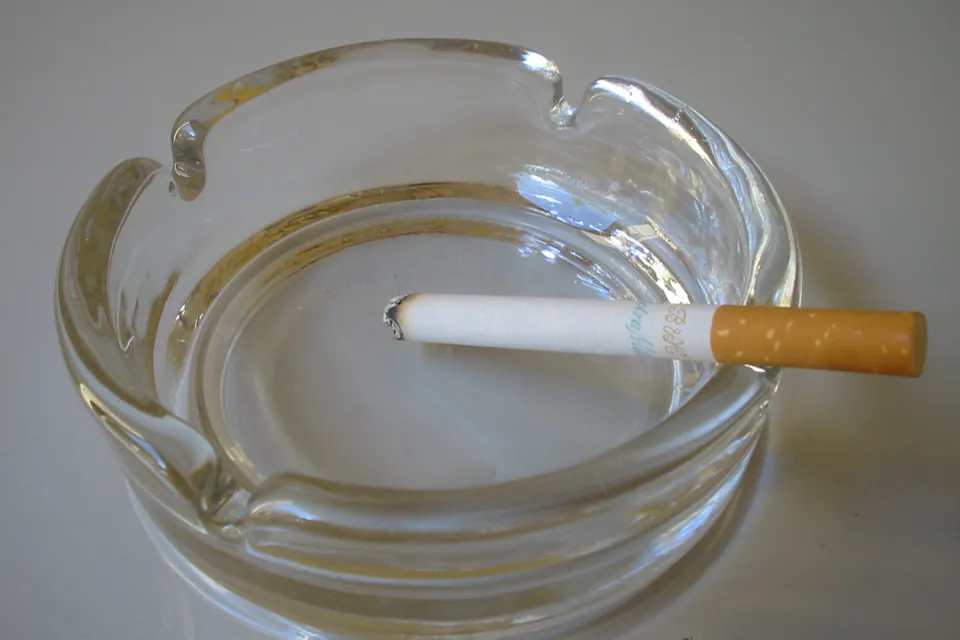
Tobacco stains are some of the most stubborn tooth stains there are. Whether they come from cigarettes, cigars, pipes or chewing tobacco, the tar and nicotine in tobacco leave yellow-to-brown deposits that build up on enamel and in tiny surface pores. Over time, they can make teeth look much older and darker than they really are.
This guide explains why tobacco stains teeth so strongly, which removal methods work best, how to combine a cleaning with at-home whitening, how long it takes, how to keep stains from returning, and what to know about gum health and quitting.
Why does tobacco stain teeth so much?
Tobacco smoke contains tar, which is dark and sticky, and nicotine, which is colorless on its own but turns yellow when it reacts with oxygen. Together, they cling to enamel, plaque and tartar. Cleveland Clinic lists tobacco among the most common causes of surface tooth discoloration, along with coffee, tea and red wine. Because tobacco users often have more tartar, stains have more places to settle.
What do tobacco stains look like?
| Look | Usual cause |
|---|---|
| Yellow film over teeth | Nicotine and plaque |
| Brown patches near the gumline | Tar and tartar buildup |
| Dark lines between teeth | Stains trapped in tartar |
| Darker back of the front teeth | Smoke contact and tartar |
See brown stains on teeth for other causes.
Why should you start with a professional cleaning?
Tobacco stains often sit in tartar, which is hardened plaque that only a dental professional can remove. A cleaning removes tartar and polishes away a lot of surface staining in one visit. It also lets the dentist check your gums and look for any problems. Whitening after a cleaning works better because the gel reaches clean enamel. See whitening after a dental cleaning.
Does at-home whitening work on tobacco stains?
Yes, for many people. The American Dental Association explains that peroxide whitening bleaches both surface and deeper stains. Tobacco stains are usually yellow to brown, which tend to respond to peroxide, though heavy, long-term stains may need a full course and sometimes a second course. Our guide on smoker's teeth whitening goes deeper.

Lift yellow and brown stains at home
WellaWhite At-Home LED System: whitening gel, LED light, moldable trays and a shade guide. 15 to 30 minutes per session. From $59 per kit in bundles, PayPal accepted.
Check today's price →From $59 per kit · PayPal accepted
What's a step-by-step plan?
- Week 0: professional cleaning and checkup.
- Weeks 1 to 2: daily LED whitening sessions, following the kit's instructions.
- During the course: avoid tobacco, coffee and red wine for at least an hour after each session; ideally cut back on tobacco altogether.
- Week 3: compare your before and after photos; if needed, rest a few weeks and repeat a shorter course.
- Ongoing: touch-ups every few months.
Do whitening toothpastes help?
Whitening toothpastes can help remove new surface stains and keep teeth looking cleaner between whitening courses. They usually use mild polishing agents. They won't remove heavy, built-up tobacco stains on their own. Brush gently, since scrubbing hard doesn't remove stains faster and can wear enamel and gums. See brushing too hard.
What about baking soda and home remedies?
Baking soda is a mild abrasive and can help with light surface stains when used occasionally. It won't remove tartar or deep stains. Avoid harsh DIY remedies like lemon juice, vinegar or charcoal scrubs, which can damage enamel. Read does baking soda whiten teeth?
Why does gum health matter for smokers?
Smoking is a major risk factor for gum disease and can hide signs like bleeding, because it reduces blood flow to the gums. The NIDCR lists smoking among the main risk factors for gum disease. Daily cleaning between teeth, brushing twice a day and regular dental visits are especially important. See signs of gum disease.
Does vaping stain teeth?
Vaping produces less tar than smoking, so staining is usually less dramatic, but nicotine can still yellow teeth over time, and some flavored liquids add color. Vaping can also dry the mouth, which affects gum health and breath. The same whitening and cleaning steps apply.
What about chewing tobacco?
Chewing tobacco can stain teeth heavily, especially where it's held in the mouth, and is linked to gum recession and other serious oral health problems. A dental checkup is important for anyone who uses it.
How do you keep stains from coming back?
- Cut back or quit tobacco; even reducing helps.
- Rinse with water after smoking or vaping.
- Brush twice a day and clean between teeth daily.
- Chew sugar-free gum to boost saliva.
- Schedule cleanings as your dentist recommends.
- Do short whitening touch-ups every few months.
Does quitting help your smile?
Yes. Quitting tobacco stops new stains from forming, improves gum health over time and helps whitening results last much longer. Many people find that a brighter smile after whitening becomes extra motivation to stay tobacco-free. Free support is available through quitlines and your healthcare provider.
Can whitening help with smoker's breath?
Whitening doesn't treat bad breath, but a thorough cleaning, daily flossing, tongue cleaning and staying hydrated all help. See bad breath causes and how to clean your tongue.
How does WellaWhite fit in?
The WellaWhite At-Home LED System includes whitening gel, an LED light, moldable trays and a shade guide, with 15 to 30 minutes per session. It's $79 for one kit, $74 each for two, $69 each for three and $59 each for five, with PayPal accepted. Read our WellaWhite review.
What are common myths?
- "Tobacco stains are permanent." Many respond well to cleaning and whitening.
- "Scrubbing harder removes them." It damages enamel and gums instead.
- "Vaping doesn't stain." Nicotine can still yellow teeth.
- "Whitening fixes gum problems." Gum health needs cleaning and dental care.
How long does it take to remove tobacco stains?
A cleaning removes a lot of surface staining in one visit. After that, most people see a clear difference within one to two weeks of daily at-home whitening. Heavy, long-term stains may take a full course plus a second, shorter course a few weeks later. Results depend on how long you've used tobacco, how much tartar you had and whether you keep using tobacco during whitening.
Will whitening be more sensitive for smokers?
Not necessarily, but smokers are more likely to have gum recession and exposed roots, which can be more sensitive. Start with shorter sessions, use a sensitivity toothpaste and stop if anything hurts. A dentist can check for exposed roots before you start. See sensitivity after whitening.
How do you track your progress?
Take a before photo in natural light after your cleaning, then another at the end of your whitening course, using the same position and lighting. Use the kit's shade guide to note your starting and ending shade. Seeing progress is often motivating, and many people decide to cut back on tobacco to protect their results.
Which daily tools help most?
A soft-bristled or sonic electric toothbrush, fluoride toothpaste and a daily interdental cleaner such as a water flosser make a strong routine. Because tobacco stains often collect along the gumline and between teeth, a water flosser helps flush away plaque that stains cling to. A tongue cleaner helps with breath. See is water flossing enough? and electric vs manual toothbrush.
Are there foods that help?
Crunchy fruits and vegetables like apples, carrots and celery boost saliva and gently clean teeth. Cheese and plain yogurt are good snacks for teeth. Drinking plenty of water helps rinse away residue and keeps your mouth from drying out. None of these remove tobacco stains on their own, but they support a healthier, cleaner mouth.
What if you have an event soon?
If you have an event in a few days, a professional cleaning plus a purple color-correcting foam on the day can make teeth look noticeably brighter quickly. For lasting change, start an LED course two to four weeks ahead. See how to whiten teeth fast.
How often should smokers see the dentist?
Many dentists recommend more frequent cleanings for people who use tobacco, sometimes every three to four months, because tartar and gum problems build up faster. Ask your dentist what schedule is right for you.
The bottom line
Tobacco stains are stubborn, but a professional cleaning followed by a full at-home whitening course can make a big difference for many people. Brush gently twice a day, clean between teeth daily, rinse after tobacco use and plan touch-ups. Cutting back or quitting is the best way to keep stains from coming back and to protect your gums.
Our pick for at-home whitening is the WellaWhite LED System. Check today's WellaWhite price.
Sources
- Cleveland Clinic. Tooth Discoloration.
- American Dental Association. Whitening.
- National Institute of Dental and Craniofacial Research. Gum Disease.
Frequently asked questions
Can tobacco stains be removed?
Many can, with a professional cleaning followed by peroxide whitening.
Does at-home whitening work on smoker's teeth?
Often yes, though heavy stains may need a full course or a second one.
Does vaping stain teeth?
Less than smoking, but nicotine can still yellow teeth.
Do whitening toothpastes remove tobacco stains?
They help with new surface stains but not heavy buildup.
How do I keep stains from coming back?
Cut back or quit, rinse after tobacco, brush and floss daily and do touch-ups.
Is smoking bad for gums?
Yes, it's a major risk factor for gum disease.

Michelle Hert
Michelle researches at-home oral care products, from whitening kits to water flossers, and reads the dental research and buyer feedback behind them so readers can make smarter choices. She is not a dentist, and her guides are not a substitute for professional dental care. Her guides are built on published research, manufacturer information and verified buyer feedback, and are updated when new information comes out. More about Michelle.