
- Soft or extra-soft bristles, never medium or hard.
- A gentle or sensitive mode on an electric brush, so you get the cleaning motion without pressing.
- A built-in two-minute timer, so you brush long enough without brushing harder.
- A small or compact head that reaches the gumline and back teeth.
- Light pressure and the right angle: bristles at 45 degrees to the gumline, guided gently.
General information about consumer products, not dental advice. Gum recession can have several causes, including gum disease. If your gums are receding, see your dentist to find the cause and the right treatment.
Receding gums are one of those changes people often notice by accident: a tooth that looks longer than it used to, a sharp twinge with cold water or a small notch near the gumline. Once gum tissue has pulled back, it doesn't grow back on its own, so the goal is to protect what you have. One of the most common causes of recession is something we do twice a day: brushing too hard, often with a brush that's too stiff. Choosing the right toothbrush and using it gently can make a real difference. This guide explains how toothbrushes affect receding gums, which features matter most, manual vs electric options, the right technique, other tools that help and when to see a dentist.
In this guide:
- why gums recede
- what to look for in a toothbrush
- manual vs electric
- the right brushing technique
- other tools that help
- when to see a dentist
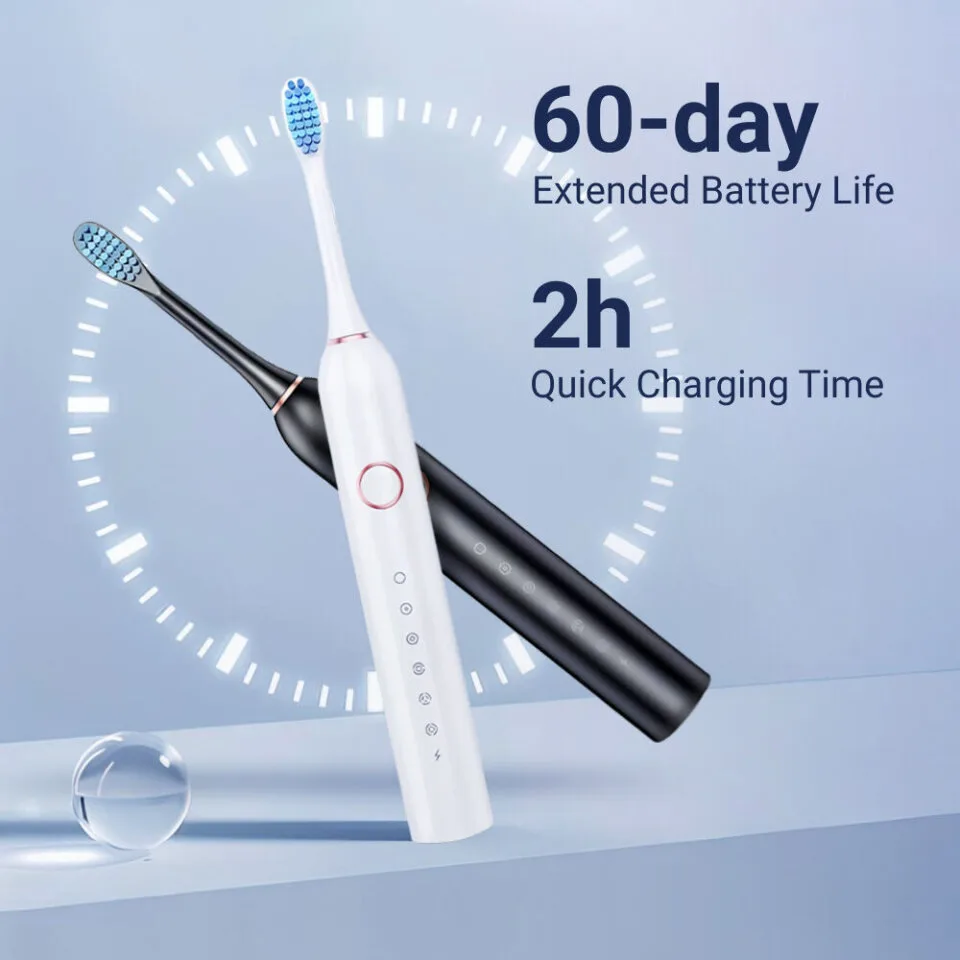
Our pick: the WellaWhite Sonic Electric Toothbrush
Sonic toothbrush with 6 modes including Sensitive and Whitening, a smart timer, 4 brush heads and up to 60 days of battery.
Check today's price →Up to 75% off on the official site
Why do gums recede?
- Gum disease (periodontitis): the most important cause to rule out. Plaque and tartar along the gumline lead to inflammation that destroys the tissue and bone supporting the teeth.
- Brushing too hard or with hard bristles, which wears gum tissue and enamel near the gumline over time.
- Grinding or clenching the teeth.
- Genetics: some people naturally have thinner gum tissue.
- Tooth position, such as teeth that stick out slightly.
- Tobacco use, which harms gum health.
- Age: some recession becomes more common over the years.
The National Institute of Dental and Craniofacial Research explains how gum disease develops. Learn more about recession itself in receding gums.
What should you look for in a toothbrush for receding gums?
| Feature | Why it matters |
|---|---|
| Soft or extra-soft bristles | Clean plaque without scraping gum tissue |
| Rounded bristle tips | Gentler at the gumline |
| Sensitive or gentle mode (electric) | Lower intensity for tender gums |
| Two-minute timer with 30-second alerts | Even cleaning without extra pressure |
| Compact head | Reaches back teeth and the gumline easily |
| Comfortable, non-slip handle | Easier to guide lightly |
| Replaceable heads | Fresh bristles every three months |
The ADA recommends a toothbrush with soft bristles for most people. See its guide to choosing a toothbrush.
Is a manual or electric toothbrush better for receding gums?
Both can work well with good technique. The key is gentle pressure.
- Manual brushes are inexpensive and fine if you use soft bristles and small, gentle strokes. The risk is that many people scrub back and forth hard without realizing it.
- Electric brushes do the cleaning motion for you, so you only need to guide the head. That makes it easier to avoid scrubbing. A sensitive mode and a timer add extra protection.
Many dentists suggest an electric brush for people who tend to brush too hard. Compare options in electric vs manual toothbrush and sonic vs oscillating.
Can an electric toothbrush make recession worse?
Used correctly, no. Problems usually come from pressing too hard, using a high-intensity mode on tender gums or using worn, frayed heads. Start on the gentlest mode, let the brush do the work and replace the head every three months. More in can an electric toothbrush damage gums?
Our pick: the WellaWhite Sonic Electric Toothbrush
Sonic toothbrush with 6 modes including Sensitive and Whitening, a smart timer, 4 brush heads and up to 60 days of battery.
Check today's price →Up to 75% off on the official site
What is the right way to brush with receding gums?
- Hold the brush like a pencil, not a fist. It naturally lowers the pressure.
- Angle the bristles at 45 degrees toward the gumline.
- Use small, gentle circles with a manual brush, or simply glide an electric head slowly from tooth to tooth.
- Don't scrub back and forth along the gumline.
- Brush for two minutes, 30 seconds per quarter of the mouth.
- Be extra gentle on exposed roots, which are softer than enamel.
- Rinse lightly or just spit, leaving some fluoride on the teeth.
Full technique: how to brush teeth properly. Signs you're pressing too hard: are you brushing too hard?
Which toothpaste is best with receding gums?
- Fluoride toothpaste to protect exposed roots from decay.
- A toothpaste for sensitive teeth if cold or sweet foods cause twinges.
- Low-abrasion formulas; avoid very gritty or charcoal pastes.
Sensitivity tips: sensitive teeth causes and electric toothbrushes for sensitive teeth.
How do you clean between teeth with receding gums?
Recession often opens small triangle-shaped spaces between teeth where food and plaque collect. Cleaning those spaces every day matters as much as brushing. Options include:
- a water flosser on a gentle setting
- soft interdental brushes sized for your gaps
- floss used gently, curving around each tooth rather than snapping down
See water flossers for receding gums.
How often should you replace your toothbrush?
Every three to four months, or sooner if the bristles look splayed. Worn bristles clean less effectively and can be harsher on gums because the frayed tips spread out. If your bristles flatten within a few weeks, you're probably pressing too hard. More in how often to replace a toothbrush.
When should you see a dentist about receding gums?
- your gums bleed, are swollen or tender
- teeth look longer or have notches near the gumline
- teeth feel loose or your bite has changed
- you have persistent bad breath or sensitivity
- recession seems to be getting worse
Your dentist can check for gum disease, measure the recession and suggest treatments, from deep cleanings to gum grafts in more advanced cases. A good toothbrush helps protect your gums, but it doesn't treat gum disease.
Why the WellaWhite Sonic toothbrush is a good fit
The WellaWhite Sonic Electric Toothbrush has six modes, including a Sensitive mode for gentler brushing, a smart timer that helps you brush evenly for two minutes and four brush heads, so you can replace them on schedule. A long battery life of up to 60 days makes it easy to keep the routine going, even when traveling. Read our WellaWhite Sonic toothbrush review.
Which myths about brushing and receding gums can you ignore?
- "Harder brushing cleans better." Gentle brushing with soft bristles removes plaque just as well and protects gums.
- "Receding gums always grow back." Lost gum tissue doesn't regrow on its own, but you can stop it getting worse.
- "Electric brushes are too harsh for gums." On a gentle mode with light pressure, they're often easier on gums.
- "If my gums bleed, I should brush less." Gentle, consistent cleaning usually helps gums heal.
What else protects receding gums besides the toothbrush?
- A night guard if you grind or clench your teeth at night. Your dentist can make one that fits.
- Quitting tobacco, which helps gum tissue heal and lowers the risk of gum disease.
- Regular cleanings to remove tartar along and below the gumline.
- Managing health conditions such as diabetes, which affect gum health.
- A balanced diet with fewer sugary snacks between meals.
How do you keep gentle brushing going when you travel?
Travel is when routines slip and people grab any brush they can find. Pack your soft brush or electric toothbrush with a travel cap, bring a spare head and keep a small tube of toothpaste for sensitive teeth in your bag. A long battery life makes electric brushes easy to take on trips without a charger. If you use a water flosser, a compact cordless model fits in a toiletry bag. See water flossers for travel and electric toothbrush battery life.
Does the whole family need soft brushes?
Yes. Soft bristles are recommended for almost everyone, not only people with recession. Choosing soft brushes for the whole family and teaching kids to brush gently protects their gums for life.
How much should you spend on a toothbrush for receding gums?
A soft manual brush works well and costs very little. An electric brush costs more up front but makes gentle, even brushing easier and adds a timer and gentler modes. For many people with recession, that extra help is worth it, especially if they've brushed too hard for years.
How do you know your toothbrush is right for your gums?
After a few weeks of gentle brushing with the right brush, gums should look pink and firm, bleed less and feel less tender. Bristles should stay straight for most of the three months. If gums still bleed or recession seems to be increasing, see your dentist.
The bottom line
The best toothbrush for receding gums:
- has soft or extra-soft bristles and a compact head
- is used with light pressure at a 45-degree angle
- can be manual or electric, but electric with a sensitive mode and timer makes gentle brushing easier
- is replaced every three months
- works best alongside daily cleaning between teeth and regular dental checkups
The WellaWhite Sonic Electric Toothbrush has a Sensitive mode, a smart timer, four brush heads and up to 60 days of battery, often up to 75% off on the official site.
Our pick: the WellaWhite Sonic Electric Toothbrush
Sonic toothbrush with 6 modes including Sensitive and Whitening, a smart timer, 4 brush heads and up to 60 days of battery.
Check today's price →Up to 75% off on the official site
Frequently asked questions
What toothbrush is best for receding gums?
A soft or extra-soft brush with a compact head. An electric brush with a sensitive mode and timer makes gentle brushing easier.
Is an electric toothbrush good for receding gums?
Yes, when used on a gentle mode with light pressure. It does the cleaning motion so you don't need to scrub.
Can brushing too hard cause receding gums?
Yes. Brushing hard or with stiff bristles is a common cause of gum recession and worn enamel near the gumline.
Can receding gums grow back?
Lost gum tissue doesn't grow back on its own. Gentle care can help stop it getting worse, and a dentist can discuss treatments.
How should I brush with receding gums?
Hold the brush lightly, angle bristles at 45 degrees to the gumline and use small, gentle movements for two minutes.
How often should I replace my toothbrush?
Every three to four months, or sooner if the bristles look splayed.

Michelle Hert
Michelle researches at-home oral care products, from whitening kits to water flossers, and reads the dental research and buyer feedback behind them so readers can make smarter choices. She is not a dentist, and her guides are not a substitute for professional dental care. Her guides are built on published research, manufacturer information and verified buyer feedback, and are updated when new information comes out. More about Michelle.