- Plaque is a soft, sticky, colorless film of bacteria that forms on teeth every day. You can remove it at home with brushing and cleaning between teeth.
- Tartar (also called calculus) is plaque that has hardened. It's yellow or brown, rough and sits along the gumline. Only a dentist or hygienist can remove it.
- Plaque can start turning into tartar within a day or two if it isn't cleaned off.
- The key is daily removal: brush twice a day and clean between your teeth once a day so plaque never gets the chance to harden.
General information about consumer products, not dental advice. Tartar can only be removed safely by a dental professional. If your gums bleed, are swollen or are pulling away from your teeth, see your dentist.
"You've got some tartar building up" is one of the most common things people hear at a dental cleaning, and one of the most confusing. Isn't that just plaque? Can you scrape it off yourself? Does whitening toothpaste help? The two words are often used as if they mean the same thing, but they don't, and knowing the difference changes how you clean your teeth. This guide explains what plaque and tartar are, how one turns into the other, how to tell which one you have, what each does to your teeth and gums, what you can and can't do at home and the simple daily routine that keeps tartar from forming in the first place.
In this guide:
- what plaque is
- what tartar is
- how plaque turns into tartar
- how to tell them apart
- what they do to teeth and gums
- how to prevent tartar at home
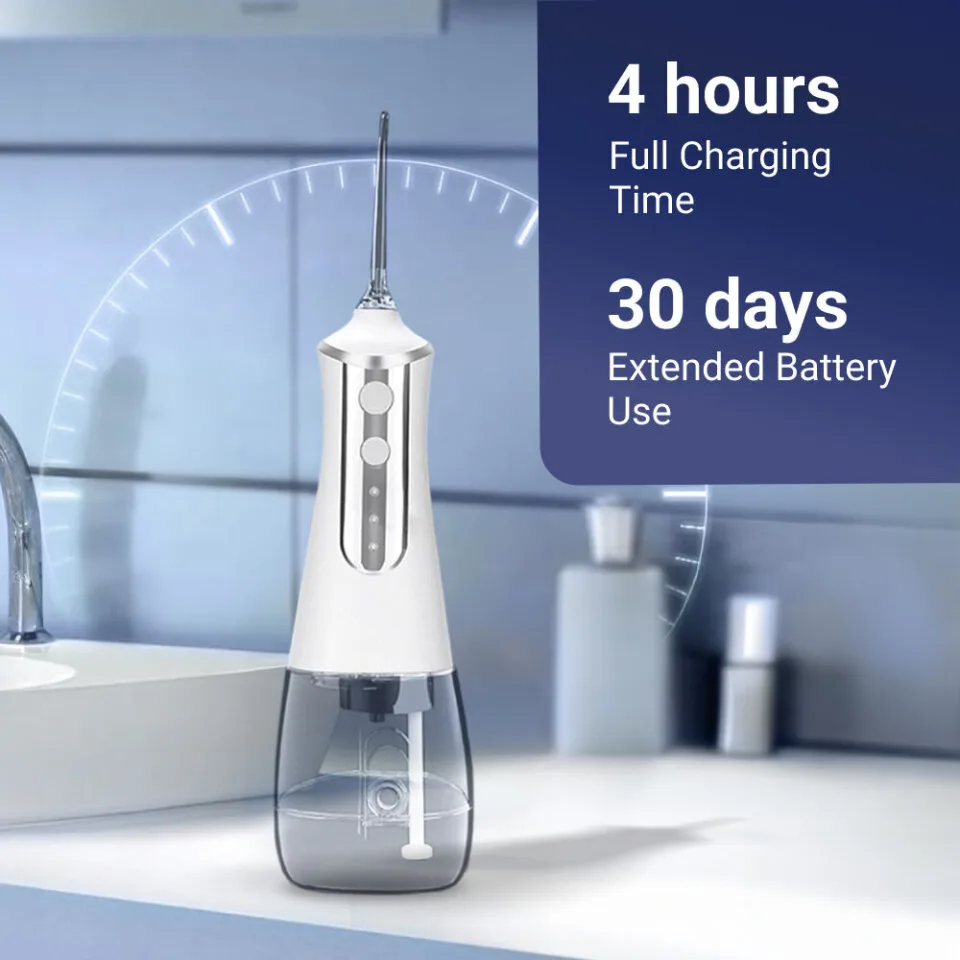
Our pick: the WellaWhite Water Flosser
Cordless, rechargeable water flosser with 3 cleaning modes and interchangeable nozzles. Braces-friendly.
Check today's price →Up to 75% off on the official site
What is plaque?
Plaque is a soft, sticky film made of bacteria, food particles and saliva. It forms on everyone's teeth, all the time, starting just minutes after you brush. You usually can't see it, but you can feel it: that fuzzy, slightly rough feeling on your teeth in the morning or at the end of the day is plaque.
The bacteria in plaque feed on sugars and starches from food and drinks and produce acids. Those acids attack enamel and irritate the gums. Because plaque is soft, it comes off easily with a toothbrush, floss, interdental brushes or a water flosser.
What is tartar?
Tartar, also called dental calculus, is plaque that has hardened. Minerals from saliva, mainly calcium and phosphate, settle into the plaque and turn it into a hard, chalky deposit. Tartar is usually:
- yellow, tan or brown, and sometimes darker when it picks up stains
- rough, which makes it easy for more plaque to stick to it
- found along the gumline, especially behind the lower front teeth and on the outer side of the upper back teeth, near the salivary glands
- sometimes below the gumline, where you can't see it
Once plaque has hardened into tartar, brushing and flossing can't remove it. A dentist or hygienist removes it with special instruments during a cleaning (scaling).
How fast does plaque turn into tartar?
Faster than most people think. Plaque that isn't removed can begin to harden within 24 to 72 hours. How quickly it builds up depends on:
- Your saliva: some people's saliva is richer in minerals, so they form tartar faster.
- How well you clean between teeth: the spaces between teeth and along the gumline are where plaque hides.
- Diet: frequent sugary and starchy snacks feed plaque bacteria.
- Smoking: smokers tend to build up more tartar.
- Dry mouth: less saliva means less natural cleaning.
- Crowded teeth, braces, bridges and implants, which create extra places for plaque to collect.
What's the difference between tartar and plaque at a glance?
| Plaque | Tartar | |
|---|---|---|
| Texture | Soft, sticky film | Hard, rough deposit |
| Color | Colorless to pale yellow | Yellow, tan or brown |
| Where | Everywhere on teeth, especially near gums and between teeth | Along and below the gumline, behind lower front teeth |
| How it forms | Within minutes to hours | Plaque hardens in 1 to 3 days |
| Removed by | Brushing, flossing, water flossing | Only a dentist or hygienist |
| Main risk | Cavities, gingivitis, bad breath | Gum disease, more plaque buildup, stains |
How can you tell if you have plaque or tartar?
- Run your tongue over your teeth. A fuzzy, slippery feel is plaque. A hard, rough ridge near the gums that doesn't brush away is likely tartar.
- Look in the mirror behind the lower front teeth. Yellow or brown buildup along the gumline is a classic tartar spot.
- Try disclosing tablets. These harmless dyes stain plaque pink or purple, showing exactly where your brushing is missing.
- Ask at your next cleaning. Your hygienist can show you where tartar forms in your mouth.
Our pick: the WellaWhite Water Flosser
Cordless, rechargeable water flosser with 3 cleaning modes and interchangeable nozzles. Braces-friendly.
Check today's price →Up to 75% off on the official site
What do plaque and tartar do to your gums?
Plaque along the gumline irritates the gums and causes gingivitis: red, puffy gums that bleed when you brush. Gingivitis is reversible with good daily cleaning. Tartar makes things worse: its rough surface collects even more plaque, and tartar below the gumline keeps the gums inflamed. Over time, that can lead to periodontitis, where the gums pull away from the teeth and the bone that supports them is damaged. The National Institute of Dental and Craniofacial Research explains the stages of gum disease.
Warning signs to look for: gum disease signs, swollen gums and bleeding gums.
Does tartar stain teeth?
Yes. Tartar is porous, so it soaks up color from coffee, tea, red wine and tobacco. That's why tartar near the gumline often looks darker than the rest of the tooth and why teeth can look yellow even when the enamel itself isn't very stained. Whitening products don't remove tartar, so it's best to have a professional cleaning before whitening. See whitening after a dental cleaning.
Can you remove tartar at home?
No, not safely. Scraping tools sold online can scratch enamel, damage gums and push tartar below the gumline. Tartar control toothpaste and rinses can help slow down new tartar, but they don't dissolve what's already there. What you can do at home is remove plaque every day so new tartar doesn't form. Our guide to removing plaque at home explains the techniques in detail. The American Dental Association's MouthHealthy site also has a clear overview of plaque and how to control it.
How do you stop plaque from turning into tartar?
- Brush twice a day for two minutes with a fluoride toothpaste, angling the bristles toward the gumline. See how to brush teeth properly.
- Clean between your teeth once a day with floss, interdental brushes or a water flosser.
- Use a tartar-control toothpaste if you build up tartar quickly.
- Limit sugary snacks and sipping on sweet drinks throughout the day.
- Drink water and rinse after meals, especially if your mouth is dry.
- Get regular dental cleanings, usually every six months, or as your dentist recommends.
Does a water flosser help with plaque and tartar?
A water flosser sends a pulsing stream of water between teeth and along the gumline, flushing out food and loosening plaque in places a toothbrush misses. It doesn't remove hardened tartar, but used every day, it helps stop plaque from building up long enough to harden. Many people find it easier than string floss, especially those with braces, bridges, implants or stiff fingers. Learn the technique in how to use a water flosser and compare methods in water flosser vs floss.
What does a good anti-tartar routine look like?
| When | What to do |
|---|---|
| Morning | Brush 2 minutes, focusing on the gumline |
| After meals | Rinse with water, especially after sugary food |
| Evening | Water floss or floss, then brush 2 minutes |
| Weekly | Check behind your lower front teeth in the mirror |
| Every 6 months | Professional cleaning and checkup |
Does an electric toothbrush remove more plaque?
Many people remove more plaque with an electric toothbrush, largely because it does the motion for you and many models have a two-minute timer. That's especially helpful for people who brush too fast, too hard or miss the gumline. Compare options in electric vs manual toothbrush.
Can plaque and tartar cause bad breath?
Yes. The bacteria in plaque and tartar release sulfur compounds that smell. Tartar below the gumline is especially hard to clean and keeps bad breath coming back. Removing plaque daily, cleaning your tongue and getting tartar removed at the dentist usually helps a lot. See water flossers for bad breath.
Which tartar and plaque myths can you ignore?
- "Tartar is just stains." It's hardened plaque that harbors bacteria, not just a color.
- "Baking soda dissolves tartar." It can help polish surface stains, but it doesn't remove hardened tartar.
- "If my gums don't hurt, there's no problem." Gum disease is often painless in the early stages.
- "Mouthwash replaces flossing." Rinses don't remove plaque stuck between teeth.
Why is the WellaWhite Water Flosser a good fit?
The WellaWhite Water Flosser is cordless and rechargeable, so it works anywhere in the bathroom without a cord at the sink. It has three modes, so you can start gentle and move up as your gums get healthier, and interchangeable nozzles for different needs or family members. It's braces-friendly and compact enough to travel. See our full WellaWhite Water Flosser review.
The bottom line
Tartar vs plaque:
- plaque is a soft bacterial film you can remove at home every day
- tartar is hardened plaque that only a dentist or hygienist can remove
- plaque can start hardening within one to three days
- daily brushing and cleaning between teeth keeps tartar from forming
- regular dental cleanings remove the tartar you can't
The WellaWhite Water Flosser makes the daily between-teeth step easier: cordless, three modes and interchangeable nozzles, often up to 75% off on the official site.
Our pick: the WellaWhite Water Flosser
Cordless, rechargeable water flosser with 3 cleaning modes and interchangeable nozzles. Braces-friendly.
Check today's price →Up to 75% off on the official site
Frequently asked questions
What is the difference between plaque and tartar?
Plaque is a soft, sticky film of bacteria you can brush and floss away. Tartar is plaque that has hardened with minerals from saliva and can only be removed by a dentist or hygienist.
How long does it take plaque to turn into tartar?
Plaque that isn't removed can start to harden within about 24 to 72 hours.
Can I remove tartar at home?
Not safely. Scraping tools can damage enamel and gums. Remove plaque daily at home and let your dentist remove tartar.
Does a water flosser remove tartar?
No, but it helps remove plaque between teeth and along the gumline every day, so less of it hardens into tartar.
What color is tartar?
Usually yellow, tan or brown, and it can look darker when it picks up stains from coffee, tea or tobacco.
How can I prevent tartar buildup?
Brush twice a day, clean between your teeth once a day, use a tartar-control toothpaste if you build up quickly and get regular dental cleanings.

Michelle Hert
Michelle researches at-home oral care products, from whitening kits to water flossers, and reads the dental research and buyer feedback behind them so readers can make smarter choices. She is not a dentist, and her guides are not a substitute for professional dental care. Her guides are built on published research, manufacturer information and verified buyer feedback, and are updated when new information comes out. More about Michelle.