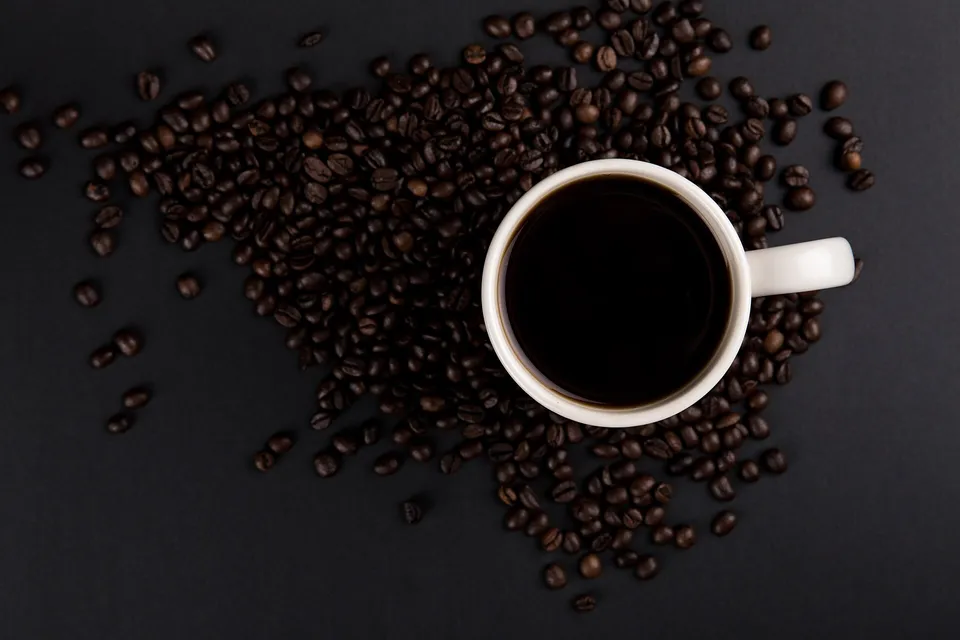
- Coffee and black tea: the most common everyday staining drinks.
- Red wine: deep color plus acid and tannins.
- Cola and dark sodas: color plus acid that softens enamel.
- Dark juices like grape, cranberry and pomegranate.
- Sports and energy drinks: acidic, which makes other stains stick more easily.
General information about consumer products, not dental advice. If you have sensitive teeth, gum disease, cavities or dental work on your front teeth, talk to a dentist before whitening.
Most of us start the day with coffee, sip tea in the afternoon and enjoy a glass of red wine with dinner. Over months and years, those small daily habits add up to a smile that looks more yellow or brown than it used to. The good news is that drink stains are among the easiest to prevent and the most responsive to whitening.
This guide ranks the drinks that stain teeth the most, explains why some drinks stain more than others, shows simple habits that protect your smile without giving up your favorites, lists teeth-friendly drink swaps, and explains how to remove stains that have already built up.
Why do some drinks stain teeth?
Three things make a drink more likely to stain:
- Chromogens: strongly pigmented compounds that cling to enamel, like those in coffee, red wine and dark berries.
- Tannins: plant compounds that help pigments stick to teeth, found in tea and red wine.
- Acids: they temporarily soften enamel, making it easier for color to settle in. Sodas, citrus juices, wine and sports drinks are acidic.
Cleveland Clinic lists coffee, tea, red wine, colas and tobacco among the most common causes of extrinsic, or surface, tooth stains.
Which drinks stain teeth the most?
| Drink | Why it stains | Stain risk |
|---|---|---|
| Coffee | Dark chromogens, often sipped all day | High |
| Black tea | Tannins plus pigments | High |
| Red wine | Deep color, tannins and acid | High |
| Cola and dark sodas | Caramel color and acid | Medium to high |
| Grape, cranberry, pomegranate juice | Strong pigments and acid | Medium to high |
| Sports and energy drinks | Acid and colorings | Medium |
| Green tea | Fewer pigments than black tea, still tannins | Medium |
| White wine | Light color but acidic | Low to medium |
| Water | No color, rinses teeth | None |
Why is coffee so hard on teeth?
Coffee is dark, slightly acidic and often sipped slowly over hours, which gives pigments plenty of time to settle. Adding milk lightens the color a little but doesn't remove the risk. Many people get more staining from one coffee sipped over the whole morning than from a quick cup. Read our full guide to coffee stains on teeth.
Does tea stain more than coffee?
Black tea can stain as much as, or even more than, coffee because of its high tannin content, which helps pigments cling to enamel. Green and herbal teas usually stain less, though some herbal blends with hibiscus or berries are quite colorful. See tea stains on teeth.
Why does red wine stain so quickly?
Red wine combines deep pigments, tannins and acid, a perfect mix for staining. White wine is lighter but more acidic, which can make teeth more susceptible to stains from the next dark food or drink. Our guide to wine stains on teeth has tips for dinner parties.
Lift coffee, tea and wine stains at home
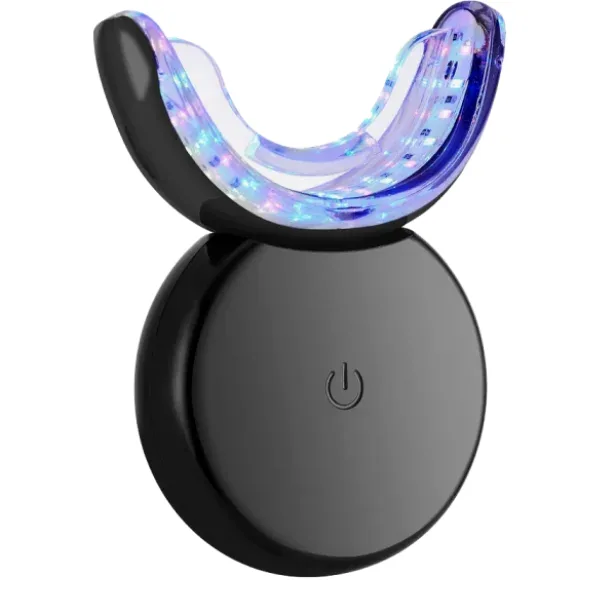
WellaWhite At-Home LED System: whitening gel, LED light, moldable trays and a shade guide. 15 to 30 minutes per session. From $59 per kit in bundles, PayPal accepted.
Check today's price →From $59 per kit · PayPal accepted
How can you drink them without staining your teeth?
- Use a straw for iced coffee, soda and juice so liquid bypasses your front teeth.
- Rinse with water right after a staining drink.
- Drink, don't sip all day: shorter exposure means less staining.
- Wait 30 minutes before brushing after acidic drinks, so softened enamel can recover.
- Chew sugar-free gum to boost saliva, which helps wash teeth.
- Pair wine with cheese or crunchy vegetables, which can help clean teeth.
- Brush twice a day and floss daily so stains have less plaque to cling to.
Do straws really help?
Yes, especially for cold drinks. A straw positioned toward the back of the mouth keeps much of the liquid away from the front surfaces of your teeth, which are the ones people see. Reusable stainless or glass straws are a good option. Straws are less practical for hot coffee, so rinsing with water matters more there.
What are teeth-friendly drink swaps?
| Instead of | Try |
|---|---|
| Black tea all afternoon | Green, white or herbal tea, or water with lemon slices (rinse after) |
| Cola | Sparkling water |
| Red wine every night | White wine or a lighter rosé, plus water between glasses |
| Grape juice | Water infused with cucumber or mint |
| Sports drinks | Water, unless you're exercising for a long time |
Does adding milk to coffee or tea help?
A little. Milk lightens the color and some studies suggest milk proteins may bind to tea compounds, which could reduce staining slightly. It doesn't eliminate stains, though, so the other habits still matter.
Why do acidic drinks matter even if they're clear?
Clear acidic drinks like sparkling flavored waters, lemon water and white wine don't stain on their own, but they temporarily soften enamel. If you then drink coffee or eat berries, the color can settle in more easily. Rinse with plain water after acidic drinks and wait before brushing.
What if your teeth are sensitive?
Acidic drinks can make sensitivity worse. If cold or sweet drinks hurt, use a sensitivity toothpaste, drink acidic beverages with meals and talk to your dentist. When it comes to whitening, choose shorter sessions or a peroxide-free purple foam for a quick brightening effect. See whitening for sensitive teeth.
How do you remove stains that are already there?
- Professional cleaning: removes surface stains and tartar.
- Whitening toothpaste: helps polish away light surface stains.
- At-home peroxide whitening: the ADA notes that peroxide products bleach both surface and deeper stains.
- Purple foam: gives an instant brighter look by color-correcting yellow tones; the effect is temporary.
Coffee, tea and wine stains are usually yellow or brown and respond well to whitening. Our guides on getting rid of yellow teeth and brown stains on teeth go further.
What's a simple routine for coffee and tea lovers?
- Morning: brush, then enjoy coffee; rinse with water after.
- Afternoon: use a straw for iced drinks; rinse.
- Evening: floss and brush before bed.
- Weekly: check your shade with a shade guide.
- Every few months: a short whitening touch-up.
See how long whitening lasts to plan touch-ups.
Which foods stain teeth too?
Berries, beets, tomato sauce, soy sauce, balsamic vinegar, curry and turmeric can all stain. As with drinks, rinsing with water and brushing later helps. Crunchy fruits and vegetables like apples, carrots and celery boost saliva and help clean teeth naturally.
How does WellaWhite fit into the routine?
The WellaWhite At-Home LED System includes whitening gel, an LED light, moldable trays and a shade guide, with 15 to 30 minutes per session, so you can whiten while you read or watch TV. It's $79 for one kit, $74 each for two, $69 each for three and $59 each for five, with PayPal accepted. Read our WellaWhite review.
What are common myths about drinks and stains?
- "Iced coffee doesn't stain." It does; use a straw.
- "Brushing right after coffee is best." Wait about 30 minutes after acidic drinks.
- "White wine is completely safe." It's acidic and can make other stains stick.
- "Stains are permanent." Most drink stains respond well to cleaning and whitening.
Do drinks stain kids' teeth too?
Yes. Juice boxes, sodas and sports drinks can cause staining and, more importantly, raise the risk of cavities because of their sugar and acid. Water and milk are the best everyday drinks for kids. If your child drinks juice, serve it with a meal rather than sipping it all day, and help them brush twice a day. Whitening products aren't meant for young children; talk to a dentist about any discoloration.
Does when you drink matter?
It does. Drinking coffee or wine with a meal tends to cause less staining than sipping alone, because chewing boosts saliva and food helps clean teeth. Drinking quickly also limits contact time. If you love a slow morning coffee, keep a glass of water next to it and take a sip of water every few minutes.
Are smoothies a problem?
Berry smoothies are colorful and often acidic, so they can stain. Green smoothies are usually less pigmented but can still contain acidic fruit. Drink smoothies with a straw, rinse with water afterward and avoid sipping them over a long period.
How do you protect your smile before an event?
In the days before a wedding, holiday party or photo shoot, cut back on dark drinks, use a straw and rinse with water. A whitening course that finishes a week or so before the event gives sensitivity time to settle, and a purple foam can add an instant brighter look on the day. See whitening before a wedding.
The bottom line
Coffee, black tea, red wine, cola, dark juices and acidic sports drinks are the drinks most likely to stain teeth. You don't need to give them up: use a straw, rinse with water, avoid sipping all day, wait before brushing after acidic drinks and plan regular whitening touch-ups. Most drink stains are yellow or brown and respond well to at-home whitening.
Our pick for lifting drink stains at home is the WellaWhite LED System. Check today's WellaWhite price.
Sources
- Cleveland Clinic. Tooth Discoloration.
- American Dental Association. Whitening.
- Official WellaWhite product page, checked October 2026.
Frequently asked questions
Which drink stains teeth the most?
Coffee, black tea and red wine are the most common culprits, followed by cola and dark juices.
Does iced coffee stain teeth?
Yes. Using a straw and rinsing with water helps.
Does white wine stain teeth?
It's light in color but acidic, which can make other stains stick more easily.
Should I brush right after coffee?
Wait about 30 minutes after acidic drinks; rinse with water first.
Do straws really help?
Yes, especially for cold drinks, because liquid bypasses the front teeth.
Can drink stains be removed?
Most coffee, tea and wine stains respond well to cleaning and peroxide whitening.

Michelle Hert
Michelle researches at-home oral care products, from whitening kits to water flossers, and reads the dental research and buyer feedback behind them so readers can make smarter choices. She is not a dentist, and her guides are not a substitute for professional dental care. Her guides are built on published research, manufacturer information and verified buyer feedback, and are updated when new information comes out. More about Michelle.