
- Floss picks are cheap, portable and easy to use with one hand. They scrape plaque off the tooth surface, but it's harder to wrap the floss around each tooth, and many people reuse one pick across the whole mouth.
- Water flossers use a pulsing stream of water to flush plaque and food from between teeth and along the gumline. They're easier for braces, implants, bridges and tender gums, but cost more and need a sink.
- Best choice: the one you'll use every day. Many people use a water flosser at home and keep floss picks in the bag or car.
Cleaning between your teeth is the step many people skip. Toothbrush bristles can't fully reach the tight spaces between teeth, where plaque builds up and gum problems often start. String floss is the classic tool, but it's fiddly, so millions of people use floss picks or water flossers instead. Both are popular, both have fans and both are easier than winding string floss around your fingers. So which is better? This guide compares floss picks and water flossers on how they clean, ease of use, gums, braces and dental work, cost, environmental impact and travel, and explains how to use each correctly.
In this guide:
- how floss picks and water flossers work
- which cleans better
- gums, braces and dental work
- cost and waste
- how to use each correctly
- combining both
General information about consumer products, not dental advice. Your dentist or hygienist can recommend the best way to clean between your teeth, especially if you have gum disease, braces, implants or bridges.
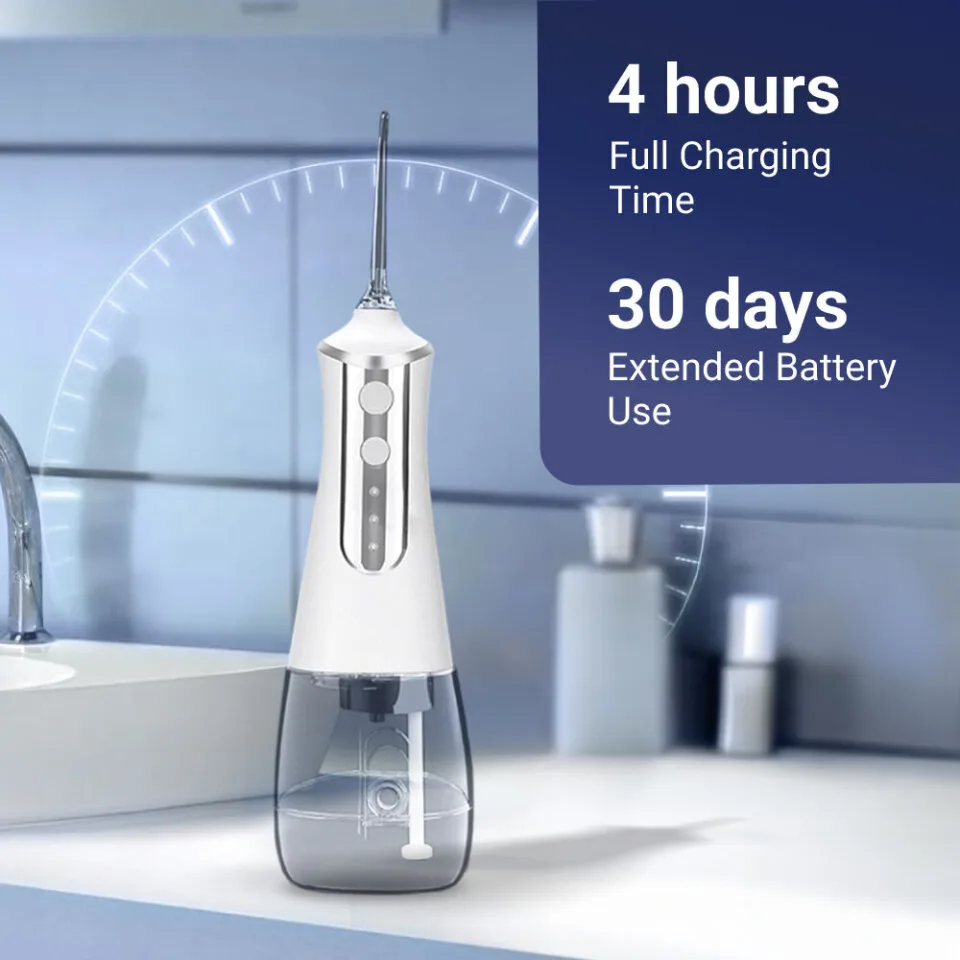
Our pick: the WellaWhite Water Flosser
Cordless, rechargeable water flosser with 3 cleaning modes and interchangeable nozzles. Braces-friendly.
Check today's price →Up to 75% off on the official site
How do floss picks and water flossers work?
Floss picks are small plastic handles holding a short piece of floss. You slide the floss between two teeth and scrape plaque from each side. Many have a toothpick on the other end.
Water flossers (oral irrigators) pump a thin, pulsing stream of water through a tip. You aim it at the gumline and between teeth to flush out plaque and food. Countertop models have a large reservoir; cordless models are compact and rechargeable.
The ADA recognizes both string floss and water flossers as ways to clean between teeth; its guidance on flossing and interdental cleaners covers the options.
How do they compare?
| Feature | Floss picks | Water flosser |
|---|---|---|
| How it cleans | Scrapes plaque off tooth sides | Pulsing water flushes plaque and debris |
| Ease of use | Easy, one hand | Easy once you learn to lean over the sink |
| Tight contacts | Good | Good, without snapping |
| Braces, bridges, implants | Hard | Very good |
| Tender gums | Can snap into gums | Gentle on low settings |
| Upfront cost | Very low | Higher |
| Ongoing cost | Constant repurchasing | Replacement tips occasionally |
| Waste | Single-use plastic | Much less waste |
| Portability | Excellent | Cordless models travel well |
| Mess | None | Some splashing at first |
Which cleans better?
Research comparing water flossers with string floss has found water flossers can be as good or better at reducing gum bleeding and inflammation for many people. Floss picks clean the tooth surface well when used carefully, but because the floss is held straight, it's harder to curve it into a C-shape around each tooth and under the gumline. Many people also use one pick for the whole mouth, moving bacteria from tooth to tooth. In practice, the "better" tool is the one you'll use correctly every day. See water flosser vs floss for the research details.
Our pick: the WellaWhite Water Flosser
Cordless, rechargeable water flosser with 3 cleaning modes and interchangeable nozzles. Braces-friendly.
Check today's price →Up to 75% off on the official site
Which is better for gums?
For tender, bleeding or receding gums, a water flosser on a low setting is often more comfortable. Floss picks can snap down into the gums if pushed too hard. Gums that bleed when you start cleaning between teeth usually improve within one to two weeks of gentle daily cleaning. More in water flossers for gum disease and how to stop bleeding gums.
What about braces, implants and bridges?
This is where water flossers shine. Floss picks can't get under wires or bridges easily, while a water flosser rinses around brackets, under bridges and around implants. Special orthodontic tips help. See water flossers for braces, water flossers for implants and water flossers for bridges.
Which costs more?
Floss picks are cheap per pack, but you keep buying them. A water flosser costs more upfront and needs a new tip every few months. Over a year or two, the difference often narrows, especially for families who go through many picks.
What about plastic waste?
Floss picks are single-use plastic, and a daily habit adds up to hundreds of picks per person each year. A water flosser produces far less waste. If you prefer picks, look for ones with replaceable floss heads or biodegradable handles.
How do you use floss picks correctly?
- slide the floss gently between two teeth with a back-and-forth motion; don't snap it
- press against one tooth, then move up and down a few times, going just under the gumline
- repeat on the neighboring tooth
- rinse the pick or use a fresh section of floss as you go
- use a new pick each time; don't reuse them
How do you use a water flosser correctly?
- fill the reservoir with lukewarm water
- start on the lowest pressure setting
- lean over the sink and close your lips around the tip to reduce splashing
- aim the tip at a 90-degree angle to the gumline
- trace along the gumline, pausing between each tooth
- work around the outside and inside of all teeth, about 1 minute
Full guide: how to use a water flosser.
Can you use both?
Yes. Many people use a water flosser at home and keep floss picks in a bag, desk or car for after meals. Some dentists suggest string floss or picks for very tight contacts plus a water flosser for the gumline. See is water flossing enough?
What about kids and older adults?
Floss picks are easy for older children learning to floss. Water flossers suit kids with braces, older adults with arthritis or limited hand movement and anyone with dexterity problems. See water flossers for kids and water flossers for seniors.
Where does the WellaWhite Water Flosser fit in?
If you're switching from picks to a water flosser, a cordless model is easy to start with. The WellaWhite Water Flosser is cordless and rechargeable, with 3 cleaning modes and interchangeable nozzles, and it's braces-friendly. The official site offers up to 75% off. Read our WellaWhite Water Flosser review.
What does the research say?
Several studies have compared water flossers with string floss. In one study published in the Journal of the American Dental Association, adding a water flosser to manual brushing was more effective at reducing plaque than string floss with manual brushing; the JADA abstract summarizes the results. Floss picks have been studied less, but they work in a similar way to string floss. The ADA's MouthHealthy site also explains how water flossers work and who they help most.
What mistakes do people make with each?
- Floss picks: snapping floss into the gums, using one pick for the whole mouth, only cleaning the front teeth, skipping the gumline.
- Water flossers: starting on high pressure, moving too fast, aiming at the tooth instead of the gumline, not cleaning the reservoir.
- Both: using them only occasionally instead of daily.
Keep your water flosser clean so it stays fresh; see how to clean a water flosser.
Should you floss before or after brushing?
Either works, as long as you do both. Many people like cleaning between teeth first, so brushing spreads fluoride toothpaste into the cleaned spaces. Others prefer the reverse. Pick an order you'll stick with. See water flosser before or after brushing.
How do you choose?
- choose floss picks if you want something cheap and portable for after meals
- choose a water flosser if you have braces, implants, bridges or tender gums
- choose a water flosser if you struggle with hand dexterity
- choose both if you want the convenience of picks and the gum care of water
Which is better for travel?
Floss picks win for size: a handful fits in any pocket or bag, and they're allowed in carry-on luggage. Cordless water flossers are compact enough for a suitcase and many charge by USB, but they need a sink and a few minutes. Many travelers bring a cordless water flosser for the hotel and a few floss picks for meals out. See water flossers for travel.
What about very tight teeth?
Very tight contacts can make floss picks shred or snap. Waxed floss or thin "glide" style floss slides more easily. A water flosser doesn't need to squeeze between teeth at all, which makes it comfortable for tight spots, though some dentists still suggest floss for the tightest contacts. If floss shreds in the same spot every time, mention it to your dentist, as it can be a sign of a rough filling edge or tartar.
How do you make cleaning between teeth a habit?
Link it to something you already do every day, like brushing at night. Keep your water flosser or a cup of floss picks right next to your toothbrush so you see it. Start with just the back teeth if the whole mouth feels like too much, then build up. After a couple of weeks, most people notice fresher breath and less bleeding, which makes it easier to keep going.
The bottom line
Floss picks vs water flosser:
- floss picks are cheap, portable and easy for on-the-go cleaning
- water flossers are gentler on gums and better for braces, implants and bridges
- water flossers make less waste and are easier for people with limited dexterity
- many people use a water flosser at home and picks on the go
- the best option is the one you'll use every day
The WellaWhite Water Flosser is cordless and rechargeable, with 3 modes and interchangeable nozzles, up to 75% off on the official site.
Our pick: the WellaWhite Water Flosser
Cordless, rechargeable water flosser with 3 cleaning modes and interchangeable nozzles. Braces-friendly.
Check today's price →Up to 75% off on the official site
Frequently asked questions
Are floss picks as good as a water flosser?
Both can clean between teeth. Water flossers are often gentler on gums and easier with braces and dental work; picks are cheap and portable.
Is a water flosser better than floss picks for gums?
For tender or bleeding gums, a water flosser on a low setting is often more comfortable and effective.
Can I use floss picks with braces?
It's difficult. Water flossers or orthodontic floss threaders work much better around brackets and wires.
Is it bad to reuse floss picks?
Using one pick for the whole mouth can move bacteria between teeth. Rinse as you go and use a new pick each time.
Can I use both floss picks and a water flosser?
Yes. Many people use a water flosser at home and floss picks on the go.
Are floss picks bad for the environment?
They're single-use plastic. A water flosser creates much less waste over time.

Michelle Hert
Michelle researches at-home oral care products, from whitening kits to water flossers, and reads the dental research and buyer feedback behind them so readers can make smarter choices. She is not a dentist, and her guides are not a substitute for professional dental care. Her guides are built on published research, manufacturer information and verified buyer feedback, and are updated when new information comes out. More about Michelle.