- Shorten sessions or skip a day between sessions.
- Brush with a sensitivity toothpaste (potassium nitrate or stannous fluoride) before and during whitening.
- Avoid very hot, cold or acidic foods and drinks for a few hours after whitening.
- Use less gel and well-fitted trays so gel stays off the gums.
- For a gentle instant boost, try a peroxide-free purple foam.
General information about consumer products, not dental advice. If you have sensitive teeth, gum disease, cavities or dental work on your front teeth, talk to a dentist before whitening.
You finish a whitening session, take a sip of cold water and feel a sudden zing in your teeth. It's one of the most common experiences with peroxide whitening, and it can make people worry that something has gone wrong. In most cases, it hasn't: sensitivity is a known, temporary side effect that can be managed with a few simple changes.
This guide explains why whitening causes sensitivity, how long it usually lasts, how to prevent it before you start, how to relieve it during a course, when it's a sign to see a dentist, and how to keep whitening comfortably if you have naturally sensitive teeth.
Why does whitening cause sensitivity?
Whitening gels use peroxide, which passes through the enamel to break down stains. Along the way, it can temporarily irritate the nerve inside the tooth and dehydrate the enamel, making teeth react more to cold, heat, sweet foods or air. Research in the Journal of the American Dental Association notes that tooth sensitivity is the most common side effect of peroxide whitening. Higher concentrations and longer sessions tend to increase it.
How long does sensitivity last?
| Situation | Typical duration |
|---|---|
| After a single session | A few hours to a day |
| During a whitening course | Can come and go; often eases when you take a break |
| After finishing a course | Usually gone within a few days |
| Lasting more than a week | See a dentist |
Who is more likely to get sensitivity?
- People who already have sensitive teeth; see what causes sensitive teeth.
- People with gum recession or exposed roots.
- Those with worn enamel from brushing too hard or acidic drinks.
- People with cavities or cracks.
- Anyone using high-strength gel or long sessions.
How can you prevent sensitivity before whitening?
- See a dentist first if you have untreated cavities, cracks or gum disease.
- Use a sensitivity toothpaste for one to two weeks before you start.
- Brush gently with a soft brush; see brushing too hard.
- Choose a kit with clear instructions and moderate session times.
- Mold trays carefully so gel stays where it belongs.
How can you relieve sensitivity during a course?
- Shorten each session to the lower end of the recommended time.
- Skip a day between sessions; you can still finish the course.
- Use less gel, just a thin line in the tray.
- Apply sensitivity toothpaste to teeth for a few minutes after whitening, if your dentist agrees.
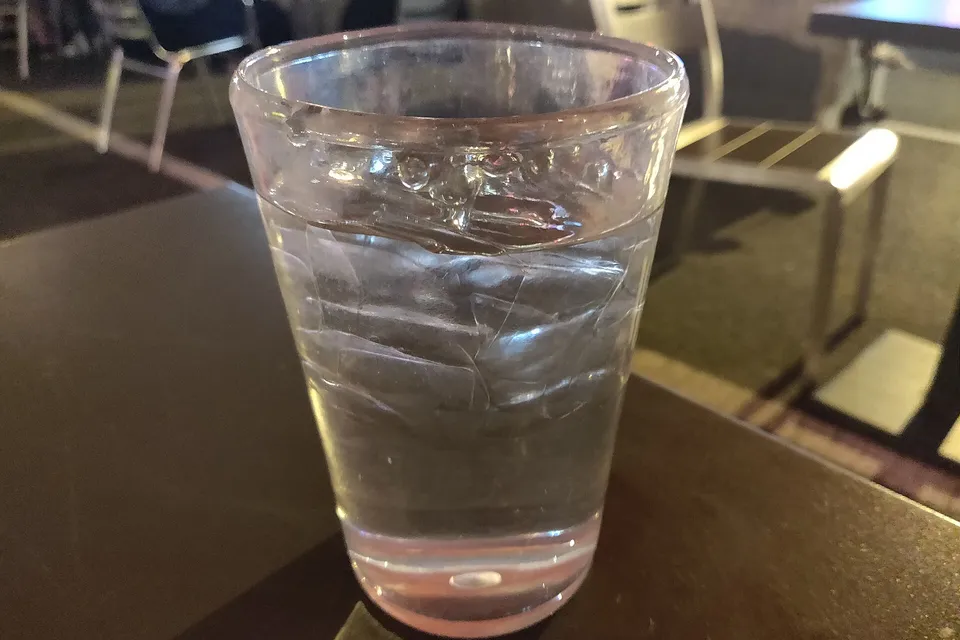
- Drink lukewarm instead of very cold or hot drinks.
- Avoid acidic foods like citrus and soda for a few hours.
- Breathe through your nose outdoors on cold days.
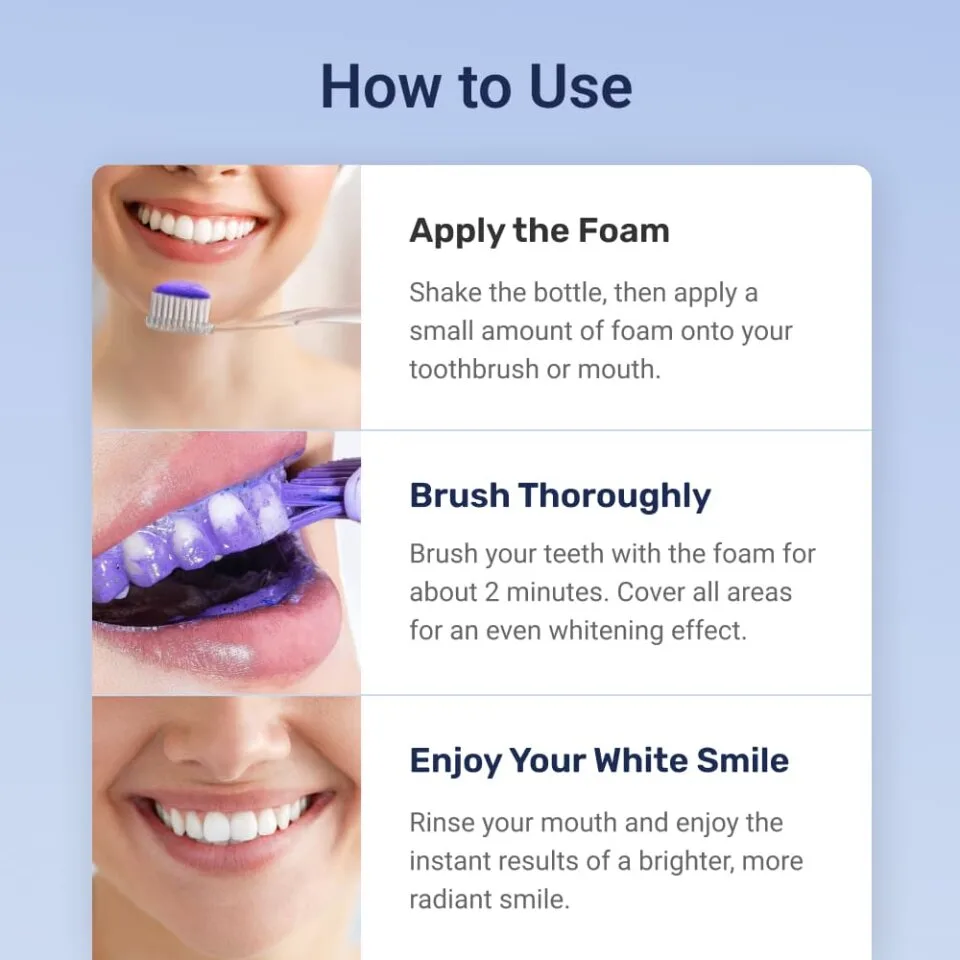
A gentle, peroxide-free brightening option
WellaWhite Purple Whitening Foam: a peroxide-free purple color-correcting foam you brush with for 2 minutes. A gentle option for sensitive teeth. Up to 70% off on the official site.
Check today's price →Up to 70% off on the official site
How do sensitivity toothpastes work?
Toothpastes with potassium nitrate help calm the nerve's response, while stannous fluoride and some other ingredients help block tiny channels in the dentin that carry sensations to the nerve. They work best when used consistently for a couple of weeks. The ADA's MouthHealthy site lists desensitizing toothpaste among the common ways to manage sensitive teeth.
What about gum irritation?
Gel that touches the gums can cause temporary redness or white patches. It usually fades within a day. Prevent it by using less gel, wiping away any excess with a cotton swab, and making sure trays fit well. If irritation lasts or blisters form, stop and see a dentist.
When should you see a dentist?
- Sharp pain in one specific tooth.
- Sensitivity that lasts more than a few days after you stop whitening.
- Pain that wakes you at night.
- Swelling, bleeding or a bad taste.
- A crack or chip you notice.
These can be signs of a cavity, crack or other problem that needs treatment.
Can people with sensitive teeth still whiten?
Yes, many can. Start with shorter sessions, use a sensitivity toothpaste, space out sessions and choose a well-designed kit. Some people do a slightly longer, gentler course to reach the same result comfortably. Our guide teeth whitening for sensitive teeth explains more options.
Is purple foam a good alternative?
A purple color-correcting foam contains no peroxide, so it doesn't cause whitening sensitivity. It gives an instant, temporary brighter look by canceling yellow tones. It's a great option for sensitive teeth on days you want a quick boost, or between gentle LED sessions. Read our WellaWhite Purple Foam review.
Does the LED light cause sensitivity?
At-home LED lights are low-power and low-heat. Sensitivity comes mainly from the peroxide gel, its strength and how long it's on your teeth. Managing session length and gel amount is the best way to stay comfortable. See are LED whitening kits safe?
What should you eat and drink after whitening?
For a few hours, choose lukewarm, mild foods: oatmeal, eggs, pasta, rice, chicken, bananas and water. Avoid ice-cold drinks, hot coffee, citrus, soda and spicy foods if you feel sensitive. Avoiding dark foods also protects your results. See what to eat after whitening.
Does the kit design matter?
Yes. Kits with moldable trays, clear session times and a reasonable gel strength make it easier to whiten comfortably. The WellaWhite At-Home LED System includes whitening gel, an LED light, moldable trays and a shade guide, with 15 to 30 minutes per session, so you can start at the shorter end if your teeth are sensitive. It's from $59 per kit in bundles. Read our WellaWhite review.
What are common myths about sensitivity?
- "Sensitivity means your enamel is damaged." Temporary sensitivity is common and usually fades.
- "You have to push through the pain." Take breaks; comfort matters.
- "Sensitive teeth can't be whitened." Many can, with a gentle approach.
- "Cold water after whitening helps." It often makes sensitivity worse; choose lukewarm.
Why does sensitivity sometimes feel worse at night?
At night there are fewer distractions, so you notice sensations more, and breathing through your mouth while sleeping can dry teeth. If you whiten in the evening and feel sensitive, try whitening earlier in the day, apply sensitivity toothpaste before bed and keep a glass of lukewarm water nearby. If pain wakes you up, stop whitening and see a dentist.
Can over-the-counter pain relievers help?
Some people take an over-the-counter pain reliever for temporary discomfort, following the label. If you need pain relief for more than a day or two, or if pain is severe, stop whitening and talk to a dentist or pharmacist about what's right for you.
What does a gentle whitening schedule look like?
| Week | Gentle approach |
|---|---|
| Week before | Sensitivity toothpaste twice daily |
| Week 1 | Short sessions every other day |
| Week 2 | Short sessions every other day; check shade |
| Week 3 | Continue if comfortable until you reach your goal |
This takes a little longer than a daily schedule but is often far more comfortable. Always follow your kit's instructions.
Will touch-ups cause sensitivity too?
Touch-ups are short, so sensitivity is usually milder. Use the same gentle habits: sensitivity toothpaste, short sessions and lukewarm drinks afterward. Many people find touch-ups barely noticeable once they know what works for them.
What does whitening sensitivity feel like?
Most people describe it as a brief zing or sharp twinge when cold air, cold water or something sweet touches the teeth. Some feel a dull ache for a short time after a session. It usually affects several teeth at once rather than one specific tooth. If you feel constant throbbing, pain when biting, or pain in only one tooth, that's different and worth a dental checkup, because it may have another cause.
Are teens more prone to sensitivity?
Teens have larger pulp chambers, the space inside the tooth that holds the nerve, so they may feel whitening more strongly. Whitening is generally not recommended for young teens unless a dentist suggests it. Adults with naturally sensitive teeth should follow the gentle approach above.
Does staying hydrated help?
Drinking water throughout the day keeps your mouth moist and helps teeth rehydrate after peroxide whitening. A dry mouth can make teeth feel more sensitive and may also make white spots last a bit longer. Sip lukewarm water after sessions and avoid alcohol-based mouthwash during your course.
The bottom line
Sensitivity after whitening is common, usually mild and temporary. Prevent it by treating dental problems first, using a sensitivity toothpaste and molding trays carefully. Relieve it with shorter sessions, breaks, less gel and lukewarm foods. See a dentist if pain is sharp, lasts more than a few days or affects one tooth. For a peroxide-free boost on sensitive days, try a purple foam.
Our gentle pick is the WellaWhite Purple Whitening Foam. Check today's WellaWhite Purple Foam deal.
Sources
- Journal of the American Dental Association. Light activation and tooth whitening.
- MouthHealthy (ADA). Sensitive Teeth.
- Official WellaWhite product page, checked October 2026.
Frequently asked questions
Is sensitivity after whitening normal?
Yes, it's the most common side effect and is usually temporary.
How long does whitening sensitivity last?
Usually a few hours to a couple of days after you stop.
How can I reduce sensitivity?
Shorten sessions, skip days, use less gel and use a sensitivity toothpaste.
When should I see a dentist?
If pain is sharp, affects one tooth or lasts more than a few days.
Can I whiten sensitive teeth?
Often yes, with a gentle approach; a purple foam is a peroxide-free alternative.
What should I eat after whitening?
Lukewarm, mild foods; avoid very cold, hot or acidic foods for a few hours.

Michelle Hert
Michelle researches at-home oral care products, from whitening kits to water flossers, and reads the dental research and buyer feedback behind them so readers can make smarter choices. She is not a dentist, and her guides are not a substitute for professional dental care. Her guides are built on published research, manufacturer information and verified buyer feedback, and are updated when new information comes out. More about Michelle.