- The whitening agent: usually hydrogen peroxide or carbamide peroxide (which breaks down into hydrogen peroxide). Some "peroxide-free" gels use PAP (phthalimidoperoxycaproic acid) instead.
- Comfort ingredients: potassium nitrate and fluoride to reduce sensitivity and support enamel.
- The gel base: glycerin, water, thickeners such as carbomer, pH adjusters and flavor, which keep the gel in place and stable.
General information about consumer products, not dental advice. If you have sensitive teeth, gum problems, crowns, veneers or fillings on your front teeth, ask your dentist before whitening.
Flip over a whitening gel and the ingredient list can look like a chemistry exam: carbamide peroxide, PAP, potassium nitrate, carbomer, sodium hydroxide. It's hard to know which ingredients actually whiten, which make whitening more comfortable and which are just there to make the gel thick and minty. Understanding the label helps you choose a product that suits your teeth, avoid ones that are likely to cause sensitivity and set realistic expectations. This guide explains the main active ingredients in whitening gels, how they work, how strength and contact time affect results, the ingredients that reduce sensitivity, what the gel base does and what to look for on the label.
In this guide:
- hydrogen peroxide and carbamide peroxide
- PAP and peroxide-free gels
- sensitivity-reducing ingredients
- the gel base
- strength, time and results
- reading the label
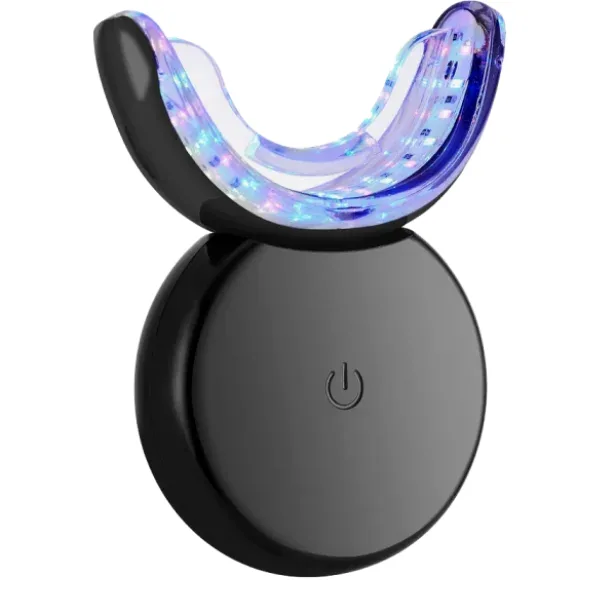
Our pick: the WellaWhite At-Home LED System
Whitening gel, LED light, moldable trays and a shade guide in one kit. 15 to 30 minutes per session, from $59 per kit in bundles.
Check today's price →From $59 per kit · PayPal accepted
What does hydrogen peroxide do in whitening gel?
Hydrogen peroxide is the most common whitening agent. It breaks down into oxygen-containing molecules that pass through enamel and break apart the colored molecules responsible for stains, making them less visible. It works on both surface stains and some of the deeper discoloration inside the tooth. Hydrogen peroxide acts relatively quickly, which is why it's often used in shorter sessions.
What is carbamide peroxide?
Carbamide peroxide is a combination of hydrogen peroxide and urea. When it touches moisture, it releases hydrogen peroxide gradually. As a rough rule, a carbamide peroxide gel releases about one third of its strength as hydrogen peroxide: 10% carbamide peroxide is roughly equivalent to 3.5% hydrogen peroxide. Because it breaks down more slowly, it's often used for longer sessions or overnight trays prescribed by dentists. Compare the two in carbamide vs hydrogen peroxide.
What is PAP, and are peroxide-free gels effective?
PAP (phthalimidoperoxycaproic acid) is used in many "peroxide-free" whitening products. It works differently, oxidizing stains on the tooth surface, and is often marketed as gentler on sensitive teeth. Research on PAP is newer and smaller than for peroxide; many studies show surface stain improvement, but results are generally more modest than peroxide-based whitening. If you choose a PAP product, expect gradual surface-level results.
How do the main whitening agents compare?
| Ingredient | How it works | Speed | Notes |
|---|---|---|---|
| Hydrogen peroxide | Oxidizes stain molecules inside and on the tooth | Faster | Most studied; higher strengths can increase sensitivity |
| Carbamide peroxide | Releases hydrogen peroxide gradually | Slower, steady | Often used in longer or overnight sessions |
| PAP | Oxidizes surface stains | Gradual | Peroxide-free; more modest results |
| Purple pigment (in foams and pastes) | Cancels yellow tones visually | Instant, temporary | Not a bleach; washes off |
Our pick: the WellaWhite At-Home LED System
Whitening gel, LED light, moldable trays and a shade guide in one kit. 15 to 30 minutes per session, from $59 per kit in bundles.
Check today's price →From $59 per kit · PayPal accepted
Which ingredients help with sensitivity?
- Potassium nitrate: calms the nerve response inside the tooth, the same ingredient used in many toothpastes for sensitive teeth.
- Fluoride (often sodium fluoride): strengthens enamel and can reduce sensitivity.
- Amorphous calcium phosphate (ACP) or nano-hydroxyapatite: found in some gels and pastes to support enamel.
If you're prone to sensitivity, look for these on the label and consider using a sensitivity toothpaste for two weeks before you start. See teeth whitening for sensitive teeth and sensitivity after whitening.
What does the rest of the gel do?
| Ingredient | Purpose |
|---|---|
| Glycerin, propylene glycol | Keep the gel moist and spreadable |
| Water | Base and carrier |
| Carbomer or other thickeners | Make the gel thick so it stays on the teeth |
| Sodium hydroxide or similar pH adjusters | Balance acidity for stability and comfort |
| Flavors and sweeteners (like sucralose or xylitol) | Taste |
| Stabilizers | Keep the peroxide from breaking down too early |
A thick, stable gel stays where you put it, which means more even results and less contact with gums.
Does a higher percentage mean whiter teeth?
Not always. Results depend on three things together: strength, contact time and how many sessions you do. A lower-strength gel used consistently over a week or two can give results similar to a stronger one, usually with less sensitivity. Very high strengths are typically used only under a dentist's supervision, with gum protection. The ADA's MouthHealthy site explains the difference between at-home and in-office whitening in its guide to teeth whitening.
What role does an LED light play?
Many at-home kits pair whitening gel with a blue LED light. The light is designed to support the gel during the session; the gel itself does the whitening. What matters most for results is the gel, how well it's held against the teeth and how consistently you use it. Read do LED whitening kits work? and are LED kits safe?
What should you look for on the label?
- The active ingredient: hydrogen peroxide, carbamide peroxide or PAP.
- The strength, if listed, and the recommended session length.
- Sensitivity helpers like potassium nitrate or fluoride.
- Clear instructions for how many days and how long per session.
- Storage and expiry: peroxide gels lose strength over time, especially in heat.
- Company contact details and a clear return policy.
How should you store whitening gel?
Keep gel in a cool, dry place away from sunlight, with the cap tightly closed. Some brands recommend the fridge. Heat and light break peroxide down, so an old or overheated gel may work less well. Check the expiry date before each round of whitening.
Which ingredients or products should you avoid?
- Chlorine dioxide products, which some experts warn can erode enamel
- Very acidic "natural" mixes like lemon juice or vinegar
- Gels with no ingredient list or unclear strengths
- Very abrasive pastes used together with whitening; see is charcoal toothpaste safe?
How do you get the best results from any gel?
- brush and floss before each session
- fit trays carefully and use a thin line of gel
- wipe off any gel that touches the gums
- follow the session time on the label
- avoid dark drinks for a few hours after each session
- maintain with touch-ups and good daily care
Step by step: how to use an LED whitening kit and what to eat after teeth whitening.
How are whitening gels regulated?
Rules depend on where you live. In the European Union, products sold directly to consumers are limited to very low hydrogen peroxide levels, while stronger gels are only available through dentists. In the United States, whitening products are widely sold over the counter, and the strength and instructions vary by brand. That's one reason it's important to follow the label exactly and talk to a dentist if you have dental work or sensitivity. The American Dental Association explains how whitening works and when to involve your dentist in its overview of tooth whitening.
What results can you realistically expect?
Results vary with your starting shade, the type of stains and how consistently you whiten. Yellowish stains from coffee, tea and aging usually respond best. Gray or brown discoloration and stains from certain medications respond less. Crowns, veneers and fillings don't change color. Most people see a noticeable difference after one to two weeks of regular sessions, then maintain it with occasional touch-ups. See LED teeth whitening results and how long whitening lasts.
What if you're sensitive to an ingredient?
Some people react to flavors, preservatives or other gel ingredients. If you notice gum irritation, a rash or swelling, stop using the product, rinse with water and talk to your dentist or doctor. Keeping the gel off the gums with well-fitted trays prevents most irritation. See can you whiten teeth with sensitive gums?
What should you do before starting a whitening gel?
- book a dental checkup and cleaning if it's been more than six months
- treat cavities or gum problems first
- check which front teeth have crowns, veneers or fillings that won't whiten
- use a sensitivity toothpaste for two weeks if you're prone to twinges
- take a "before" photo in daylight and note your shade with the guide
Starting with clean, healthy teeth gives the gel a better chance to work evenly and comfortably. See whitening after a dental cleaning.
How do you care for your teeth after a whitening round?
Keep brushing twice a day with a fluoride toothpaste, clean between your teeth daily and rinse with water after dark drinks. Use a sensitivity toothpaste if your teeth feel tender, and plan short touch-up sessions every few months rather than another full round.
That keeps your results bright for longer with far less sensitivity.
A little consistency goes a long way.
The bottom line
Teeth whitening gel ingredients:
- hydrogen peroxide and carbamide peroxide are the main, best-studied whitening agents
- PAP is a peroxide-free option with more modest, surface-level results
- potassium nitrate and fluoride help with sensitivity
- the gel base keeps the formula stable and in place
- strength, time and consistency together decide your results
The WellaWhite At-Home LED System includes whitening gel, moldable trays, a blue LED light and a shade guide, from $59 per kit in bundles.
Our pick: the WellaWhite At-Home LED System
Whitening gel, LED light, moldable trays and a shade guide in one kit. 15 to 30 minutes per session, from $59 per kit in bundles.
Check today's price →From $59 per kit · PayPal accepted
Frequently asked questions
What is the main ingredient in teeth whitening gel?
Usually hydrogen peroxide or carbamide peroxide, which breaks down into hydrogen peroxide. Some peroxide-free gels use PAP.
Is carbamide peroxide better than hydrogen peroxide?
Neither is simply better. Carbamide peroxide releases hydrogen peroxide gradually; about 10% carbamide equals roughly 3.5% hydrogen peroxide.
Does peroxide-free whitening gel work?
PAP-based gels can improve surface stains, but results are generally more modest than with peroxide.
What ingredients reduce sensitivity from whitening?
Potassium nitrate and fluoride are the most common, and some gels add calcium phosphate or nano-hydroxyapatite.
Does a higher peroxide percentage whiten more?
Not always. Strength, contact time and the number of sessions work together. Lower strengths used consistently often cause less sensitivity.
How should I store whitening gel?
In a cool, dry place away from sunlight with the cap closed. Heat and light break peroxide down.

Michelle Hert
Michelle researches at-home oral care products, from whitening kits to water flossers, and reads the dental research and buyer feedback behind them so readers can make smarter choices. She is not a dentist, and her guides are not a substitute for professional dental care. Her guides are built on published research, manufacturer information and verified buyer feedback, and are updated when new information comes out. More about Michelle.