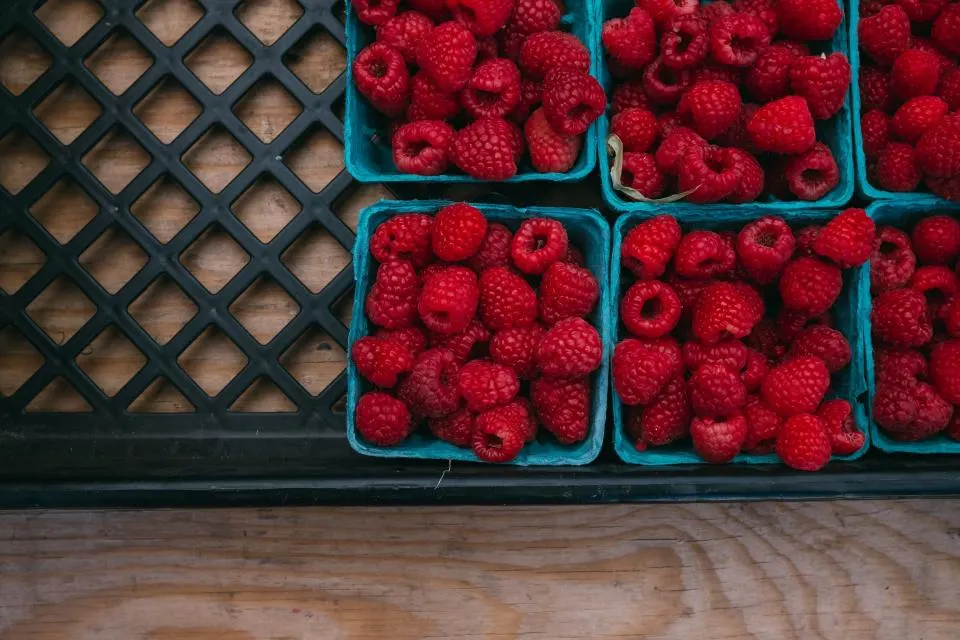
- Chicken, turkey and white fish.
- Rice, pasta, white bread and potatoes.
- Eggs, cauliflower, bananas and oatmeal.
- Water and milk.
General information, not dental advice. Follow any specific instructions from your dentist or your whitening product.
You've just whitened your teeth and you love the result. Then lunchtime arrives and you're staring at a bowl of tomato soup and a cup of coffee, wondering if you're about to undo all that work. It's a fair question: what you eat and drink right after whitening can make a difference to how long your results last.
This guide explains why the first two days matter, a simple list of what to eat and what to avoid, easy meal ideas, and how to keep enjoying coffee and other favorites once your teeth settle.
Why does food matter right after whitening?
Peroxide-based whitening works by breaking down stain molecules in the tooth. The American Dental Association explains how bleaching products whiten teeth. Right after whitening, many people find their teeth are more prone to picking up color for a short period, and some feel temporary sensitivity. That's why many dentists recommend avoiding strongly colored and acidic foods and drinks for about 48 hours, sometimes called the "white diet."
What can you eat after teeth whitening?
| Category | Good choices |
|---|---|
| Protein | Chicken, turkey, white fish, eggs, tofu |
| Grains | White rice, pasta, white bread, oatmeal, plain crackers |
| Vegetables | Cauliflower, potatoes (peeled), onions, mushrooms, white beans |
| Fruit | Bananas, peeled apples, pears |
| Dairy | Milk, plain yogurt, white cheese, cottage cheese |
| Drinks | Water, milk, clear sparkling water without added color |
What should you avoid after whitening?
- Coffee and tea, including green and herbal teas with strong color.
- Red wine and dark beers. See wine stains on teeth.
- Dark sodas, sports drinks and juices.
- Berries, cherries, pomegranate and grapes.
- Tomato sauce, ketchup and salsa.
- Curry, turmeric and other strongly colored spices.
- Soy sauce, balsamic vinegar and dark marinades.
- Chocolate.
- Citrus and acidic foods, which can increase sensitivity.
- Smoking and vaping.
A simple rule: if it would stain a white shirt, it might stain your freshly whitened teeth. When in doubt, choose the lighter version of the meal, such as white sauce instead of red, or chicken instead of beef with a dark glaze.
What are easy meal ideas for the first 48 hours?
- Breakfast: oatmeal with sliced banana and milk; scrambled eggs on white toast.
- Lunch: chicken and rice; a turkey sandwich on white bread; pasta with olive oil, garlic and parmesan.
- Dinner: baked white fish with mashed potatoes and cauliflower; chicken Alfredo; risotto with mushrooms.
- Snacks: plain yogurt, cottage cheese, peeled apples, crackers, white cheese.
- Drinks: water all day; milk with meals.
Can you drink coffee after whitening?
Ideally, wait about 48 hours. If you really can't skip it, drink it quickly rather than sipping for an hour, use a straw for iced coffee, add milk to lighten it, and rinse your mouth with water right after. After the first couple of days, you can return to coffee with those same habits to slow new staining. See our guide on coffee stains on teeth.
What if your teeth feel sensitive?
Temporary sensitivity after whitening is common. Avoid very hot and very cold foods and drinks, use a toothpaste for sensitive teeth, and skip acidic foods for a few days. Research in the Journal of the American Dental Association has studied sensitivity with whitening. If sensitivity is severe or lasts more than a few days, talk to your dentist. See teeth whitening for sensitive teeth.
How do you keep results after the first 48 hours?
- Rinse with water after dark drinks and staining foods.
- Use a straw for iced coffee, tea and soda.
- Brush twice a day and clean between your teeth daily.
- Wait 30 minutes after acidic foods before brushing.
- Eat crunchy fruits and vegetables like apples and celery, which help stimulate saliva.
- Don't smoke.
- Touch up every few months. See how long whitening lasts.
How do you touch up easily at home?
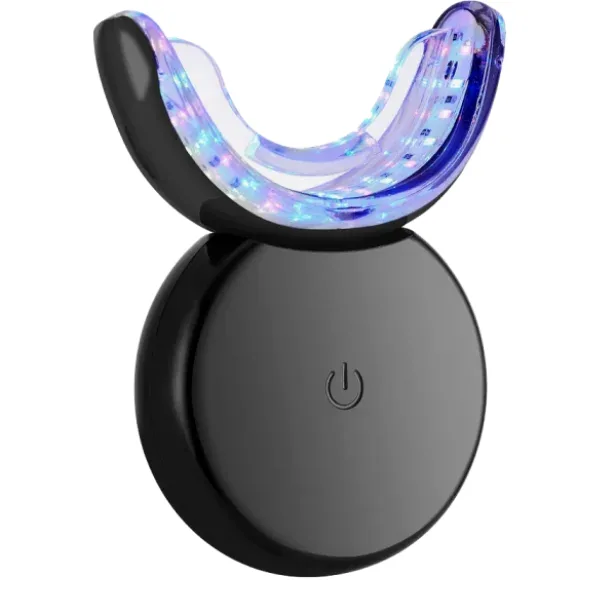
Even with careful eating, everyday foods slowly bring back some color. Short touch-up sessions every few months keep your shade bright. The WellaWhite At-Home LED System includes whitening gel, an LED light, moldable trays and a shade guide, so you can track your shade and touch up when needed. Sessions take 15 to 30 minutes and the kit is designed to be gentle on sensitive teeth. On the official checkout in October 2026, a kit was $79, down to $59 per kit in bundles. Returns are accepted within 30 days for unopened products. Read our WellaWhite LED review.
Keep your new shade bright with easy touch-ups
WellaWhite At-Home LED System: gel, LED light, moldable trays and shade guide. 15 to 30 minutes per session. $79, or from $59 per kit in bundles.
Check today's price →From $59 per kit · PayPal accepted
How do you eat out during the first 48 hours?
Eating out doesn't have to mean breaking the white diet. Many menus have safe options: grilled chicken or fish, plain pasta with olive oil or a cream sauce, rice dishes without soy sauce, mashed or baked potatoes, eggs and omelets, and salads with a light dressing instead of balsamic vinaigrette. At an Italian restaurant, choose a white sauce over marinara; at an Asian restaurant, ask for dishes without soy sauce or dark glazes; at a burger place, skip the ketchup. For drinks, choose water, milk or clear sparkling water. Dessert can be vanilla ice cream or a plain cheesecake rather than chocolate or berry. If something stains slips through, rinse with water as soon as you can.
What if the rest of the family isn't whitening?
You don't have to cook a separate menu for everyone. Many family-friendly meals already fit the white diet: chicken and rice, pasta with butter and parmesan, baked fish with potatoes, chicken noodle soup, egg dishes and grilled cheese on white bread. Family members can add their own tomato sauce, ketchup or soy sauce at the table. Keep colorful snacks like berries and grapes for the rest of the household, and choose bananas and pears for yourself. It's only two days, and with a little planning, nobody feels deprived.
Which drinks are safest after whitening?
Water is the best choice: it doesn't stain, it rinses your teeth and it helps saliva flow. Milk is fine and gentle on sensitive teeth. Clear sparkling water without added color is generally fine in moderation, though some flavored versions are acidic, so plain is best for the first two days. Avoid coffee, tea, colas, dark juices, sports drinks and red wine. White wine is less staining than red but is acidic, so many people skip it until sensitivity has passed. If you want something warm, try warm milk or a light, clear broth. Using a straw for any drink other than water also reduces contact with the front teeth.
Which everyday foods are surprisingly staining?
Some foods are obvious stainers, like coffee and red wine. Others are easy to overlook. Balsamic vinegar on salads, soy sauce in stir-fries, curry and turmeric in many dishes, beets, blueberries in smoothies and yogurt, pomegranate juice, dark chocolate and even some popsicles and candies with strong dyes can all add color over time. Tomato-based sauces combine color with acidity, which makes them more staining. You don't need to give these up after the first 48 hours; just be aware of them, rinse with water after eating, and don't sip colored drinks slowly throughout the day, which keeps teeth bathed in pigment for longer.
Which foods are good for your smile in general?
Some foods help your mouth stay healthy and can make teeth look brighter by keeping them clean. Crunchy fruits and vegetables like apples, carrots and celery stimulate saliva and help scrub surfaces. Cheese, milk and plain yogurt provide calcium and phosphate. Water rinses away food and acids. Sugar-free gum after meals boosts saliva flow. A diet that limits sugary snacks and sipping acidic drinks protects enamel, which keeps teeth stronger and less prone to staining.
What about special occasions after whitening?
If you've whitened before a wedding, holiday or event, plan the timing so the 48-hour window ends before the big day, and keep a glass of water handy to rinse after red wine or coffee at the event. A purple color-correcting foam can give an extra instant brightening on the day itself; see does purple toothpaste work? and how to whiten teeth before a wedding.
What are common myths about eating after whitening?
- "You have to avoid coffee forever." No, just be careful for 48 hours and use smart habits afterward.
- "White foods whiten your teeth." They don't whiten; they just don't add stain.
- "Lemon water helps." Acidic drinks can increase sensitivity and aren't recommended right after whitening.
- "Brushing right after eating protects whitening." After acidic foods, waiting about 30 minutes is gentler on enamel.
What should you stock up on before whitening?
Plan ahead so you're not stuck with a fridge full of staining foods. Before you start, pick up chicken or turkey, white fish, eggs, rice, pasta, white bread, potatoes, cauliflower, bananas, pears, plain yogurt, milk and white cheese. Make a big pot of chicken and rice or pasta in a light sauce so you have easy meals ready. Keep a reusable water bottle with you for rinsing during the day. And if coffee is your weakness, consider starting your whitening on a Friday evening so the strictest part falls over the weekend, when it's easier to skip your usual morning cup.
The bottom line
For about 48 hours after whitening, stick to light-colored, non-acidic foods and drinks, and skip coffee, tea, red wine, dark sauces, berries and smoking. After that, enjoy your usual favorites with a few protective habits, and touch up every few months to keep your smile bright.
For easy at-home touch-ups, our pick is the WellaWhite At-Home LED System. Check today's WellaWhite price.
Sources
- American Dental Association. Whitening.
- Journal of the American Dental Association. Tooth whitening and sensitivity study.
- Cleveland Clinic. Tooth Discoloration.
Frequently asked questions
What can I eat after teeth whitening?
For about 48 hours, light-colored, non-acidic foods: chicken, white fish, eggs, rice, pasta, white bread, potatoes, cauliflower, bananas, plain yogurt, milk and water.
How long after whitening can I drink coffee?
Ideally wait about 48 hours. If you can't, drink it quickly, add milk, use a straw for iced coffee and rinse with water afterward.
What should I avoid after teeth whitening?
Coffee, tea, red wine, dark sodas, berries, tomato sauce, curry, soy sauce, balsamic vinegar, chocolate, citrus and smoking.
Why avoid acidic foods after whitening?
Acidic foods and drinks can increase temporary sensitivity, which is common right after whitening.
Can I eat normally after 48 hours?
Yes. Return to your usual foods with habits like rinsing after dark drinks, brushing twice a day and regular touch-ups.
Do white foods make teeth whiter?
No. They simply don't add stain while your teeth settle after whitening.

Michelle Hert
Michelle researches at-home oral care products, from whitening kits to water flossers, and reads the dental research and buyer feedback behind them so readers can make smarter choices. She is not a dentist, and her guides are not a substitute for professional dental care. Her guides are built on published research, manufacturer information and verified buyer feedback, and are updated when new information comes out. More about Michelle.