
- Brushing too hard or using a medium or hard toothbrush.
- Gingivitis: plaque along the gumline makes gums red, swollen and tender, and they may bleed.
- A new routine: starting to floss or using a new electric toothbrush can make gums sore for a week or two.
- Receding gums or sensitive roots that are exposed to the bristles.
- Irritation from a whitening product, a strong mouthwash or a toothpaste ingredient.
- Hormones, mouth sores or an injury from food or a toothpick.
Brushing is supposed to make your mouth feel fresh, not hurt. Yet many people notice tender, sore or bleeding gums when they brush, and the natural reaction is to brush the painful area less. That usually makes things worse, because plaque builds up and the gums become more inflamed. The good news is that most cases come from a few common, fixable causes: brushing technique, the wrong brush, early gum inflammation or a recent change in routine. This guide explains the main reasons your gums hurt when you brush, how to tell them apart, what you can do at home, which tools help and when it's time to see your dentist.
In this guide:
- the most common causes
- brushing too hard and the wrong brush
- gingivitis and plaque
- a new flossing or toothbrush routine
- gentle home care
- when to see a dentist
General information about consumer products, not dental advice. Gums that bleed easily, stay swollen, pull away from the teeth or come with loose teeth, pus or bad breath need a dentist's check. Seek urgent care for facial swelling or fever.
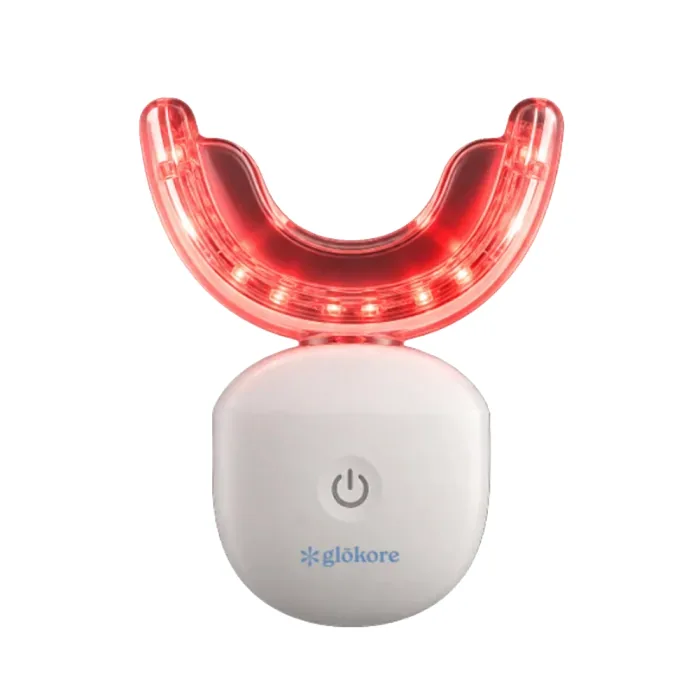
Our pick: the Glokore OralCare Plus
Cordless LED mouthpiece with red, blue and near-infrared light for a daily gum-comfort and fresh-breath routine.
Check today's price →Up to 70% off with code ORALCARE26
What are the most common causes of sore gums when brushing?
| Cause | Typical signs | What helps |
|---|---|---|
| Brushing too hard | Soreness after brushing, worn-looking gums, frayed bristles | Soft brush, lighter pressure |
| Gingivitis | Red, puffy gums that bleed when brushing or flossing | Better plaque removal, dental cleaning |
| New routine | Mild soreness in the first 1–2 weeks | Keep going gently; it usually settles |
| Receding gums | Teeth look longer, sensitivity near the gumline | Soft brush, sensitive toothpaste, dentist |
| Product irritation | Burning or peeling after a new product | Stop the product, try a gentler one |
| Injury or mouth sore | One sore spot, often with a visible cut or ulcer | Gentle care while it heals |
Are you brushing too hard?
This is one of the most common reasons. Scrubbing back and forth with a lot of pressure, especially with a medium or hard brush, irritates the gums and can wear them down over time. Signs include bristles that splay out within a few weeks, gums that feel sore right after brushing and gums that look thin or pulled back.
- use a soft-bristled brush
- hold it with your fingertips, like a pencil, not in a fist
- angle the bristles at 45 degrees toward the gumline
- use small, gentle circles or short strokes
- let an electric toothbrush do the work; just guide it
More in brushing too hard and how to brush your teeth properly.
Could it be gingivitis?
Gingivitis is early gum inflammation caused by plaque along the gumline. It makes gums red, swollen and tender, and they often bleed when you brush or floss. It's very common and usually reversible with better daily cleaning and a professional cleaning. The National Institute of Dental and Craniofacial Research explains how gum disease starts and progresses. If it isn't treated, gingivitis can progress to periodontitis, which affects the bone that holds teeth in place. See signs of gum disease and gingivitis home care.
Our pick: the Glokore OralCare Plus
Cordless LED mouthpiece with red, blue and near-infrared light for a daily gum-comfort and fresh-breath routine.
Check today's price →Up to 70% off with code ORALCARE26
Do gums hurt when you start flossing or a new brush?
Yes, often. When you start flossing, water flossing or using an electric toothbrush, gums that were inflamed may feel sore and bleed a little at first. With gentle, daily cleaning, this usually improves within one to two weeks as the inflammation calms down. Don't stop: stopping lets plaque build up again. Start on the lowest setting of an electric toothbrush or water flosser and work up. See can an electric toothbrush damage gums? and water flosser pressure settings.
What about receding gums?
When gums pull back, the root surface of the tooth is exposed. Roots aren't covered by enamel, so they can feel sensitive to brushing, cold and sweets. Receding gums can come from brushing too hard, gum disease, grinding or genetics. A soft brush, gentle technique and a toothpaste for sensitive teeth help, and your dentist can check what's causing it. More in receding gums and the best toothbrush for receding gums.
Can toothpaste, mouthwash or whitening products irritate gums?
Some people react to certain toothpaste ingredients, strong alcohol-based mouthwashes or whitening gels that touch the gums. Signs include burning, white patches or peeling. Stop the new product and see whether it settles. With whitening, keep gel off the gums and follow the instructions. See whitening with sensitive gums.
What other causes are there?
- Hormonal changes during pregnancy, puberty or menopause can make gums more sensitive.
- Canker sores or other mouth ulcers.
- Food injuries from chips, crusty bread or a toothpick.
- Braces, dentures or a new crown rubbing the gums.
- Dry mouth from medications.
- Smoking or vaping, which affects gum health.
- Vitamin deficiencies, rarely.
What can you do at home?
- Switch to a soft brush and replace it every 3 months.
- Brush twice a day for 2 minutes with gentle pressure and fluoride toothpaste.
- Clean between teeth daily with floss or a water flosser.
- Rinse with warm salt water (half a teaspoon of salt in a cup of warm water) for temporary comfort.
- Avoid irritants: very spicy or acidic foods, tobacco and harsh mouthwashes while gums are sore.
- Drink water and eat a balanced diet.
- Keep your dental check-ups and cleanings.
A complete routine is in our oral care routine guide and how to improve gum health.
Which tools are gentlest on sore gums?
- Soft manual or electric toothbrush; many electric brushes have a sensitive mode and a pressure sensor.
- Water flosser on a low setting, often more comfortable than string floss for tender gums.
- Interdental brushes in the right size for larger gaps.
- Toothpaste for sensitive teeth.
See electric toothbrushes for sensitive teeth and water flossers for sensitive gums.
Where does Glokore OralCare Plus fit in?
Alongside gentle brushing and cleaning between teeth, some people like to add a red-light routine for gum comfort. Glokore OralCare Plus is a cordless LED mouthpiece that combines red, blue and near-infrared light in a short daily session, positioned for gum comfort and fresh breath. It doesn't replace brushing, flossing or dental care. The official site offers up to 70% off with code ORALCARE26. Read our Glokore review and red light guide and how to use a red light oral care device.
When should you see a dentist?
- gums bleed or hurt for more than about two weeks despite gentle care
- gums are very swollen, red or pulling away from the teeth
- teeth feel loose or your bite changes
- you notice pus, a bad taste or persistent bad breath
- there's a sore that doesn't heal within two weeks
- pain is severe, or you have facial swelling or fever
What does a gentle brushing technique look like?
Good technique matters more than force. Place the brush at a 45-degree angle where the teeth meet the gums, so half the bristles touch the gum and half the tooth. Move in small circles or short, gentle back-and-forth strokes, one or two teeth at a time. Brush the outer surfaces, the inner surfaces and the chewing surfaces, then tilt the brush upright to clean the backs of the front teeth. Two minutes, twice a day, is the standard. MouthHealthy, the ADA's consumer site, has a clear guide to brushing your teeth with the same steps. If you use an electric toothbrush, hold it lightly against each tooth for a couple of seconds and glide to the next; don't scrub. A pressure sensor, if your brush has one, warns you when you press too hard. See how long you should brush.
When should you replace your toothbrush?
Replace your toothbrush or brush head every three to four months, or sooner if the bristles are frayed. Splayed bristles clean less well and can feel scratchy on the gums. If your bristles fray in just a few weeks, that's a strong sign you're pressing too hard. Replace your brush after a cold or flu too. More in how often to replace a toothbrush.
Is a little bleeding normal?
Healthy gums usually don't bleed with gentle brushing. A little bleeding is common when gums are inflamed or when you've just started flossing, and it often improves within one to two weeks of gentle, consistent cleaning. Bleeding that continues, gets worse or happens without brushing should be checked by a dentist, as should bleeding if you take blood thinners. See swollen gums for related signs.
Can diet affect sore gums?
A balanced diet with fruits, vegetables and enough vitamin C supports healthy gums. Frequent sugary snacks and drinks feed plaque bacteria, which increases gum inflammation. Drinking water through the day and limiting sticky snacks between meals helps. Very hot, spicy or acidic foods can sting already sore gums, so go easy on them until things calm down.
The bottom line
Why do your gums hurt when you brush?
- brushing too hard or with a firm brush is a top cause
- gingivitis makes gums tender and likely to bleed
- a new flossing or electric brush routine can cause brief soreness
- switch to a soft brush, gentle circles and daily cleaning between teeth
- see your dentist if it lasts more than two weeks or gets worse
Glokore OralCare Plus is a cordless red, blue and near-infrared LED mouthpiece for a daily gum-comfort routine, up to 70% off with code ORALCARE26.
Our pick: the Glokore OralCare Plus
Cordless LED mouthpiece with red, blue and near-infrared light for a daily gum-comfort and fresh-breath routine.
Check today's price →Up to 70% off with code ORALCARE26
Frequently asked questions
Why do my gums hurt when I brush but not otherwise?
Often from brushing too hard, a firm brush or mild gingivitis that makes gums tender to touch.
Is it normal for gums to hurt when you start flossing?
Mild soreness and some bleeding are common in the first one to two weeks and usually improve with gentle daily cleaning.
Should I stop brushing if my gums hurt?
No. Keep brushing gently with a soft brush; stopping lets plaque build up and makes inflammation worse.
Can an electric toothbrush make gums sore?
At first, sometimes. Use a sensitive mode, a soft head and light pressure, and let the brush do the work.
What helps sore gums at home?
A soft brush, gentle technique, daily cleaning between teeth and warm salt-water rinses for temporary comfort.
When should I see a dentist for sore gums?
If pain or bleeding lasts more than about two weeks, gums pull away, teeth feel loose or you notice pus or swelling.

Michelle Hert
Michelle researches at-home oral care products, from whitening kits to water flossers, and reads the dental research and buyer feedback behind them so readers can make smarter choices. She is not a dentist, and her guides are not a substitute for professional dental care. Her guides are built on published research, manufacturer information and verified buyer feedback, and are updated when new information comes out. More about Michelle.