
- Wait 24 to 72 hours; spots often fade as teeth rehydrate.
- Keep whitening evenly: the rest of the tooth often catches up, so spots blend in.
- Use fluoride toothpaste to help strengthen enamel.
- Pause and see a dentist if spots don't fade, are rough or come with sensitivity.
General information about consumer products, not dental advice. Persistent white or brown spots can be early signs of enamel weakening or decay. If spots don't fade, feel rough or come with pain, see a dentist.
You finish a whitening session, look in the mirror and notice something you didn't expect: small, bright white patches on your teeth, sometimes near the edges or in the middle of the front teeth. It can be alarming, especially if you were hoping for a perfectly even smile.
The good news is that white spots after whitening are common and, in most cases, fade within a day or two or blend in as you continue. This guide explains why they happen, how long they last, what to do about them, how to prevent them and when they're a reason to see a dentist.
Why do white spots appear after whitening?
Enamel isn't perfectly uniform. Some areas contain fewer minerals or more porous spots, often from:
- Demineralization: early mineral loss from plaque sitting on the tooth, common after braces.
- Fluorosis: faint white streaks or spots from too much fluoride while teeth were forming in childhood.
- Enamel hypoplasia: thinner or weaker enamel that formed that way.
- Dehydration: whitening gel and having your mouth open during a session pull water out of the enamel temporarily.
When the enamel dries out during whitening, these areas reflect light differently and look whiter than the surrounding tooth. As your teeth rehydrate with saliva, the contrast usually softens. The Cleveland Clinic describes the different causes of tooth discoloration, including white spots.
How long do white spots after whitening last?
For most people, spots caused by dehydration fade within 24 to 72 hours. Spots that were already there but became more visible tend to blend in as the rest of the tooth whitens over the next sessions, because the overall shade catches up to the brighter patches. Spots that remain after a week or two after you've finished whitening are worth showing to your dentist.
How do you tell the different types of spots apart?
| Type | Typical look | Likely outcome |
|---|---|---|
| Dehydration spots | Chalky, appear right after a session | Fade within 1 to 3 days |
| Existing spots made visible | Same spots each time, often near the gum line or after braces | Often blend in as whitening continues |
| Fluorosis | Faint white streaks or flecks, often symmetrical | May blend; dentist treatments can help |
| Early decay | Chalky, sometimes rough, near the gum line or between teeth | Needs a dentist's check |
What should you do if you see white spots?
- Don't panic, and don't scrub the spots.
- Give it time: wait a day or two before judging the result.
- Drink water and avoid very acidic drinks, which can further dry and soften enamel.
- Use fluoride toothpaste twice a day.
- Continue whitening evenly as directed, if there's no sensitivity, so the overall shade catches up.
- Pause if spots come with sensitivity, and talk to your dentist.
The American Dental Association notes that it's wise to talk with a dentist before whitening, especially if you already have spots, dental work or sensitive teeth.
How do you whiten more evenly?
- Get a cleaning first so the gel reaches clean enamel everywhere.
- Use well-fitting trays that spread the gel evenly over each tooth.
- Apply a thin, even layer of gel; don't overfill.
- Follow session times exactly; longer isn't better.
- Whiten in a course rather than one long session.
- Track your shade with a shade guide in natural light.
Which kit helps you whiten evenly at home?
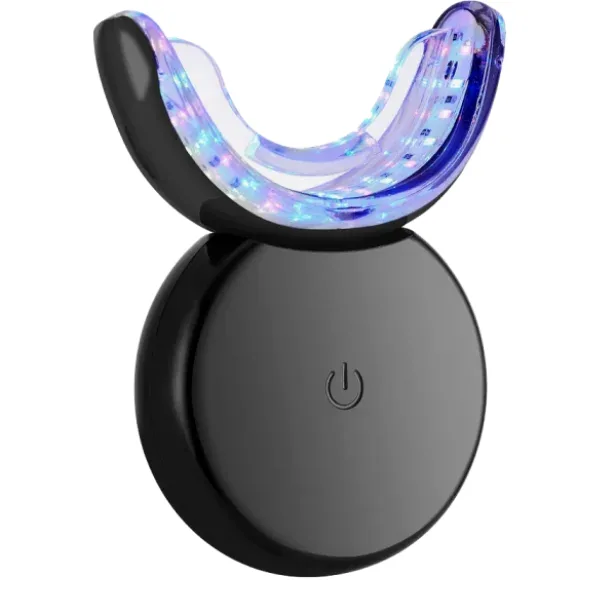
The WellaWhite At-Home LED System includes whitening gel, an LED light device, moldable trays and a shade guide. You soften the trays in hot water and bite down to create a custom fit, which helps the gel sit evenly on each tooth instead of pooling in some spots. Sessions take about 15 to 30 minutes, and the shade guide lets you see your progress so you can stop when you're happy.
It costs $79, or as little as $59 per kit in bundles, with PayPal accepted. Unopened kits can be returned within 30 days. Read our WellaWhite LED review, where we rate it 4.5/5, and do LED whitening kits work?
Even, step-by-step whitening at home
WellaWhite At-Home LED System: whitening gel, LED light, moldable trays and a shade guide. 15 to 30 minutes per session. From $59 per kit in bundles, PayPal accepted.
Check today's price →From $59 per kit · PayPal accepted
Are white spots more common after braces?
Yes. Brackets make it harder to clean the tooth surface around them, so plaque can sit there and pull minerals from the enamel, leaving chalky squares or patches when the braces come off. Whitening can make those spots look more noticeable at first and then help them blend in. Many dentists suggest waiting a few months after braces and using fluoride to help the enamel recover before whitening. See teeth whitening after braces.
What can a dentist do for spots that don't fade?
- Fluoride varnish or prescription fluoride toothpaste to help remineralize.
- Remineralizing products containing calcium and phosphate.
- Microabrasion: gently polishing away a very thin surface layer.
- Resin infiltration: a minimally invasive treatment that makes white spots blend in.
- Bonding or veneers for deeper or larger spots.
Do white spots mean whitening damaged my teeth?
Usually not. Temporary white spots are mainly about dehydration and existing differences in enamel. Whitening used as directed is generally considered safe for enamel. That said, if spots come with sharp sensitivity, take a break and give your teeth time to recover. See does teeth whitening damage enamel? and whitening for sensitive teeth.
How can you prevent white spots?
- Brush twice a day with fluoride toothpaste and clean between teeth daily, to stop demineralization.
- Limit sugary snacks and acidic drinks between meals.
- Get a cleaning before you whiten.
- Whiten in a course with even trays rather than long sessions.
- Drink water during the day, especially on whitening days.
Is there a way to look brighter while spots settle?
If you've got an event and spots are still visible, a peroxide-free purple color-correcting foam can make the overall smile look brighter and help even out the appearance temporarily. It doesn't bleach and won't remove spots, but it's gentle to use during the recovery period. See does purple toothpaste work?
Why do white spots show up more in photos?
Camera flashes and bright, cool lighting exaggerate the contrast between chalky spots and the rest of the tooth, so spots that are barely visible in daylight can stand out in pictures. Natural light, avoiding flash and staying hydrated before photos all help. Once your whitening course is finished and your teeth have rehydrated, the difference is usually much smaller.
Can diet make white spots worse?
Frequent snacking on sugary foods and sipping acidic drinks like soda, sports drinks and fruit juice throughout the day keep enamel under constant acid attack, which pulls minerals out of it and can create or worsen chalky spots. You don't have to give these up completely, but having them with meals instead of all day, drinking water afterward and waiting a little before brushing all help enamel recover. Cheese, milk and yogurt are friendly to enamel, and chewing sugar-free gum after meals increases saliva, which helps remineralize teeth naturally.
When is the best time to whiten if you have spots?
If you know you have white spots, it's often best to start whitening well before any big event, so you have time for spots to settle and the overall shade to even out. Starting two to four weeks ahead gives you room to pause if needed. Avoid starting a whitening course right after a dental cleaning without asking your dentist, and keep sessions consistent rather than doing several long ones close together.
What if the spots are from fluorosis?
Fluorosis spots come from taking in too much fluoride while the teeth were forming in childhood, and they're part of the enamel itself. They're harmless but can be noticeable. Whitening the whole tooth often makes mild fluorosis less obvious, but it won't remove it. If the spots bother you, a dentist can suggest microabrasion, resin infiltration or bonding. Fluoride toothpaste is still recommended for adults; fluorosis only develops in childhood.
How should you judge your results?
Check your teeth in natural daylight, a day or two after a session, rather than under bathroom lights right after you take the trays out. Compare with the shade guide and, if you like, take a photo in the same spot each time. This gives you a fair picture of how even your whitening really is, and it keeps you from over-whitening to chase spots that would have faded on their own.
The bottom line
White spots after whitening are usually temporary, caused by enamel drying out and by existing chalky areas becoming more visible. Give them 24 to 72 hours, keep whitening evenly as directed, use fluoride toothpaste and see a dentist if spots don't fade or feel rough. Even trays, a clean start and a shade guide make whitening more uniform.
For even, step-by-step whitening at home, our pick is the WellaWhite LED System. Check today's WellaWhite price.
Sources
- Cleveland Clinic. Tooth Discoloration.
- American Dental Association. Whitening.
- Official WellaWhite product page, checked October 2026.
Frequently asked questions
Why do I have white spots after whitening my teeth?
Whitening temporarily dehydrates enamel, so areas with less mineral, from early mineral loss or fluorosis, reflect light differently and look whiter.
Do white spots after whitening go away?
Usually. Dehydration spots often fade within 24 to 72 hours, and existing spots tend to blend in as the rest of the tooth whitens.
Should I keep whitening if I have white spots?
If there's no sensitivity, continuing evenly as directed often helps spots blend in. Pause and see a dentist if spots come with sensitivity or don't fade.
Are white spots after whitening a sign of damage?
Usually not. They're mainly about dehydration and existing enamel differences. Persistent rough or chalky spots should be checked for early decay.
How can I whiten my teeth more evenly?
Get a cleaning first, use well-fitting trays with a thin even layer of gel, follow session times exactly and track your shade with a guide.
What can a dentist do for white spots?
Fluoride varnish, remineralizing products, microabrasion, resin infiltration, or bonding and veneers for deeper spots.

Michelle Hert
Michelle researches at-home oral care products, from whitening kits to water flossers, and reads the dental research and buyer feedback behind them so readers can make smarter choices. She is not a dentist, and her guides are not a substitute for professional dental care. Her guides are built on published research, manufacturer information and verified buyer feedback, and are updated when new information comes out. More about Michelle.