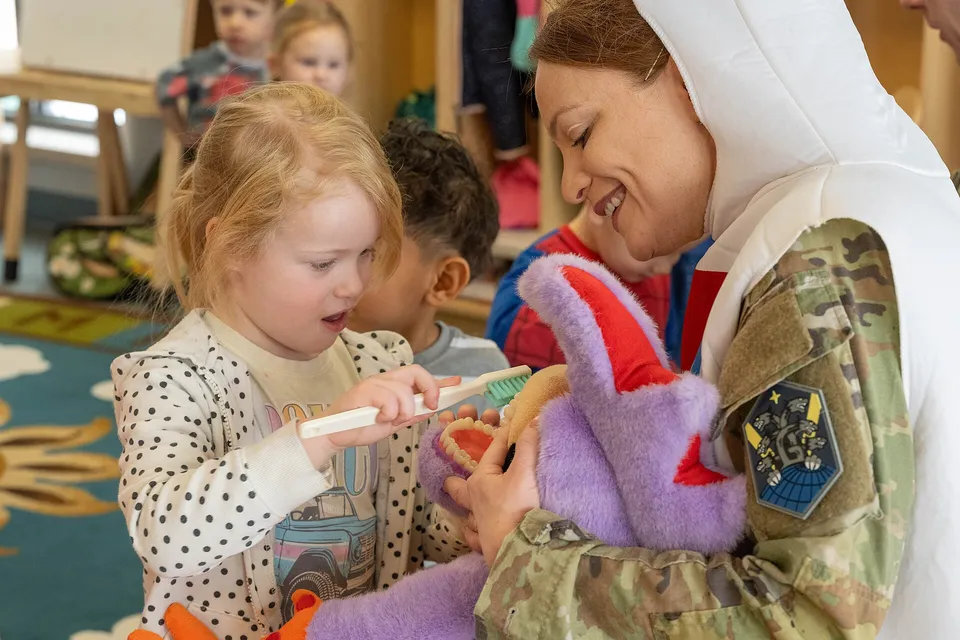
- Easier cleaning: the brush does the motion, which helps kids who rush or miss spots.
- Built-in timers encourage the full 2 minutes.
- More fun: many kids brush longer and more willingly.
- Age: many children can start around age 3 with a brush made for kids, with a small, soft head and a gentle mode.
- Supervision: parents should help or check brushing until about age 7 or 8.
- Toothpaste: a smear the size of a rice grain under 3, a pea-sized amount from 3 to 6.
Getting kids to brush properly is one of the daily battles of parenting. They rush, they miss the back teeth, they brush for 20 seconds and declare themselves done. Electric toothbrushes can help: they do the scrubbing motion for you, they have timers that make 2 minutes feel like a game, and many kids simply find them more fun. But not every electric brush suits every age, and the brush is only part of a good routine. This guide explains whether electric toothbrushes are good for kids, what age to start, which features matter, how to teach good technique, how much toothpaste to use, safety tips and how to choose a brush for teens.
In this guide:
- are electric toothbrushes better for kids?
- what age to start
- features to look for
- how to teach technique
- toothpaste amounts
- teens, braces and safety
General information about consumer products, not dental advice. Ask your child's dentist or pediatrician about the right brush, toothpaste and routine for your child's age and teeth.
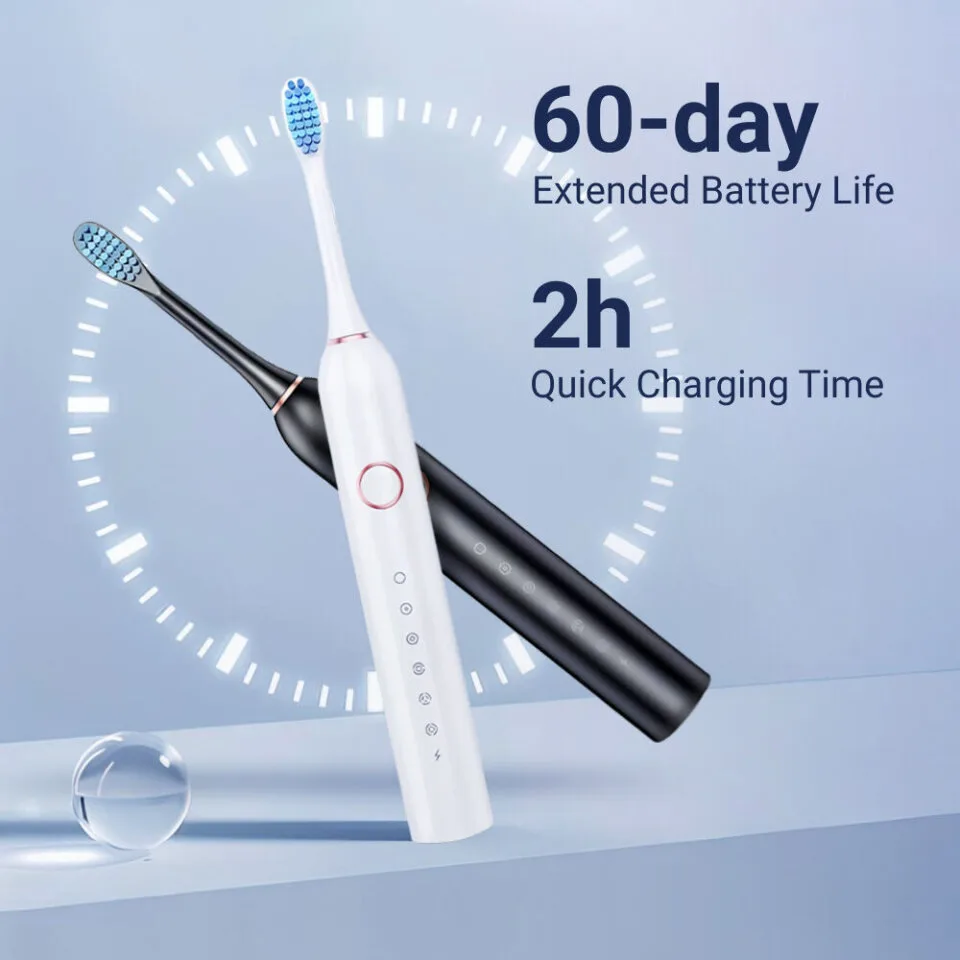
Our pick: the WellaWhite Sonic Electric Toothbrush
Sonic toothbrush with 6 modes including Sensitive and Whitening, a smart timer, 4 brush heads and up to 60 days of battery.
Check today's price →Up to 75% off on the official site
Are electric toothbrushes better for kids?
Many studies in adults show that powered toothbrushes remove more plaque and reduce gum inflammation more than manual brushing over time; the Cochrane review by Yaacob and colleagues is the best-known summary. For children, the biggest advantage is practical: kids brush longer and more evenly when the brush does the work and a timer tells them when to stop. A manual brush used well also works. The best toothbrush is the one your child uses properly twice a day. More in electric vs manual toothbrushes.
What age can kids use an electric toothbrush?
| Age | Brush | Who brushes |
|---|---|---|
| Under 3 | Small, soft manual brush is usually easiest | Parent |
| 3 to 6 | Kids' electric brush with a small, soft head and gentle mode | Parent brushes or helps; child practices |
| 7 to 11 | Kids' or junior electric brush | Child brushes; parent checks |
| 12 and up | Adult brush on a sensitive or gentle mode | Teen brushes independently |
Always follow the brush maker's age guidance.
What features should a kids' electric toothbrush have?
- Small, soft brush head that fits a child's mouth
- Gentle or kids' mode with lower intensity
- 2-minute timer with 30-second pulses to move to the next area
- Easy-grip handle for small hands
- Water resistance for splashy bathrooms
- Long battery life so it's always ready
- Fun design or music, if it helps your child engage
Our pick: the WellaWhite Sonic Electric Toothbrush
Sonic toothbrush with 6 modes including Sensitive and Whitening, a smart timer, 4 brush heads and up to 60 days of battery.
Check today's price →Up to 75% off on the official site
How do you teach kids to brush with an electric toothbrush?
- Put the brush in the mouth before turning it on, to avoid splatter.
- Hold it lightly at the gumline; no scrubbing back and forth.
- Move slowly tooth by tooth, pausing a couple of seconds on each.
- Follow the timer: top right, top left, bottom left, bottom right, 30 seconds each.
- Brush the outside, inside and chewing surfaces.
- Spit, don't rinse, so fluoride stays on the teeth.
Brushing together, singing a song or using a sticker chart can help younger kids. See how to brush teeth properly and how long you should brush.
How much toothpaste should kids use?
- Under 3: a smear about the size of a grain of rice of fluoride toothpaste
- 3 to 6: a pea-sized amount
- Over 6: a pea-sized amount is still enough for most kids
Supervise so children spit rather than swallow toothpaste. The ADA's MouthHealthy site has guidance for babies and kids, including toothpaste amounts and first dental visits.
How long should parents supervise?
Most kids need help or a check until about age 7 or 8, when they have the hand skills to brush every area well. A simple check: after brushing, look at the back molars and along the gumline. Plaque disclosing tablets, which color plaque, can turn checking into a game and show kids where they missed.
What about kids with braces?
Braces trap food and plaque around brackets and wires. An electric toothbrush with a small head helps clean around them, and a water flosser makes cleaning between teeth much easier. See electric toothbrushes for braces and water flossers for kids.
What should teens use?
Teens can use adult electric toothbrushes. A sensitive mode is a good default, and a pressure sensor helps if they brush too hard. A whitening mode can motivate image-conscious teens to brush longer. See how to choose an electric toothbrush and sonic vs oscillating toothbrushes.
Are electric toothbrushes safe for kids?
- use a brush made for the child's age, with a soft head
- supervise younger children; don't let them walk or run with a brush in their mouth
- keep chargers away from sinks and water
- replace brush heads every 3 months or when bristles fray
- don't share brush heads between family members
How do you care for a kids' electric toothbrush?
- rinse the head after brushing and let it air-dry upright
- wipe toothpaste off the handle
- clean under the head once a week
- charge as needed; avoid leaving it on a wet counter
See how to clean an electric toothbrush and how often to replace a toothbrush.
What does a good kids' oral care routine look like?
- brush twice a day for 2 minutes with fluoride toothpaste
- start cleaning between teeth once teeth touch
- limit sugary snacks and drinks between meals
- drink water after meals and snacks
- visit the dentist regularly
More in our oral care routine guide.
Where does the WellaWhite Sonic Toothbrush fit in?
For older kids, teens and parents, the WellaWhite Sonic Electric Toothbrush offers 6 modes, including Sensitive and Whitening, a smart timer, 4 brush heads and up to 60 days of battery. The extra heads make it easy to replace on schedule, and the Sensitive mode is a gentle choice for teens. Younger children should use a brush designed for their age. The official site offers up to 75% off. Read our WellaWhite Sonic Toothbrush review.
What if your child resists brushing?
Many children go through phases of fighting toothbrushing. A few ideas that help:
- Let them choose the brush color or a fun brush head.
- Brush together so they copy you.
- Use a 2-minute song or the brush's timer as a game.
- Give a choice: "Do you want to start with the top or bottom teeth?"
- Praise effort, not perfection, and use a sticker chart.
- Take turns: they brush first, then you finish.
- Keep it calm: power struggles make it worse.
Some children with sensory sensitivities find vibration unpleasant at first. Start with the brush switched off, then try the gentlest mode for a few seconds and build up.
When should kids start cleaning between teeth?
Once two teeth touch, plaque can build up where a toothbrush can't reach. Parents can start with floss picks made for kids, and older children with braces or tight spaces may find a water flosser easier and more fun. See water flosser vs floss and floss picks vs water flosser.
Do snacks matter as much as brushing?
Yes. How often kids eat sugary or sticky snacks matters as much as how well they brush. Every sugary snack gives cavity-causing bacteria fuel. Offer water instead of juice between meals, save sweets for mealtimes and choose snacks like cheese, vegetables and fruit. Brushing before bed is the most important brush of the day, because saliva flow drops during sleep. The ADA's MouthHealthy site has tips on choosing and caring for toothbrushes for the whole family.
When should kids see a dentist?
Most dental groups recommend a first visit by the first birthday or within six months of the first tooth, then regular check-ups. The dentist can check how well your child is brushing, apply fluoride varnish or sealants and give advice on the right brush and toothpaste for their age.
What about travel and sleepovers?
Pack a travel case for the brush handle and a cap for the head, and charge it before you leave. Many electric brushes last weeks on one charge, so a short trip won't need a charger. For sleepovers, a simple manual brush is fine; the habit of brushing twice a day matters more than the type of brush.
Rechargeable or battery-powered?
Rechargeable brushes usually last longer and have stronger, steadier motion; battery-powered kids' brushes are cheaper and lighter. Either works for young children. For older kids, a rechargeable brush with a timer and replaceable heads is often better value over time.
The bottom line
Electric toothbrushes for kids:
- help many kids brush longer and more evenly
- can start around age 3 with a kids' brush, small soft head and gentle mode
- parents should help or check until about age 7 or 8
- use a rice-grain smear of fluoride toothpaste under 3 and a pea-sized amount after
- teens can use adult brushes on a sensitive mode
The WellaWhite Sonic Electric Toothbrush has 6 modes, a smart timer and 4 brush heads, up to 75% off on the official site.
Our pick: the WellaWhite Sonic Electric Toothbrush
Sonic toothbrush with 6 modes including Sensitive and Whitening, a smart timer, 4 brush heads and up to 60 days of battery.
Check today's price →Up to 75% off on the official site
Frequently asked questions
Are electric toothbrushes good for kids?
For many kids, yes. They help children brush longer and more evenly, and built-in timers encourage the full 2 minutes.
What age can a child use an electric toothbrush?
Many children can start around age 3 with a kids' brush that has a small, soft head and a gentle mode.
Should parents help kids brush?
Yes. Most children need help or a check until about age 7 or 8.
How much toothpaste should a child use?
A rice-grain smear of fluoride toothpaste under age 3 and a pea-sized amount from age 3.
Can kids use adult electric toothbrushes?
Teens usually can, on a sensitive mode. Younger children should use brushes made for their age.
How often should kids replace brush heads?
Every 3 months, or sooner if the bristles fray or after an illness.

Michelle Hert
Michelle researches at-home oral care products, from whitening kits to water flossers, and reads the dental research and buyer feedback behind them so readers can make smarter choices. She is not a dentist, and her guides are not a substitute for professional dental care. Her guides are built on published research, manufacturer information and verified buyer feedback, and are updated when new information comes out. More about Michelle.