- Red, swollen or tender gums.
- Bleeding when you brush or floss.
- Persistent bad breath.
- Gums pulling away from the teeth.
- Loose or shifting teeth.
- Pain when chewing.
General information, not dental or medical advice. Gum disease needs to be diagnosed and treated by a dentist or periodontist. See a dentist promptly if you have bleeding, swelling, pain or loose teeth.
Gum disease often starts quietly. A little pink in the sink when you brush, gums that look a bit puffy, breath that's not as fresh as it should be. Because it's usually painless in the early stages, many people ignore it until it becomes harder to treat. Yet gum disease is common, and the early stage is often reversible.
This guide explains what gum disease is, the warning signs at each stage, what causes it, who is at higher risk, what you can do at home, and when to see a dentist.
What is gum disease?
Gum disease (periodontal disease) is an infection and inflammation of the tissues that hold your teeth in place. The National Institute of Dental and Craniofacial Research explains that it's usually caused by poor brushing and flossing habits that allow plaque, a sticky film of bacteria, to build up on the teeth and harden. It has two main stages:
- Gingivitis: the early, milder stage. Gums are red, swollen and may bleed easily. With good daily cleaning and professional care, it can often be reversed.
- Periodontitis: the advanced stage. Gums can pull away from teeth, forming pockets that collect bacteria; the bone and tissue supporting the teeth can be damaged, and teeth may loosen.
What are the warning signs of gum disease?
| Sign | What it can mean |
|---|---|
| Bleeding when brushing or flossing | Inflammation; often an early sign |
| Red, swollen, tender gums | Gingivitis |
| Persistent bad breath or bad taste | Bacteria in plaque or gum pockets |
| Gums pulling away from teeth | Receding gums or pocket formation |
| Loose or shifting teeth, changes in bite | Advanced disease affecting support |
| Pain when chewing, sensitive teeth | Possible exposed roots or infection |
| Pus between teeth and gums | Infection; see a dentist promptly |
Healthy gums are typically pink and firm and don't bleed with normal brushing.
Is bleeding when brushing a sign of gum disease?
Often, yes. Bleeding is one of the earliest and most common signs of gingivitis. Many people react by brushing less in that area, which makes it worse. Instead, keep cleaning gently and thoroughly; in many cases, bleeding decreases as gums get healthier over a week or two. If bleeding continues, see your dentist. Our guide on how to stop bleeding gums goes into more detail.
What causes gum disease?
- Plaque buildup along and below the gumline, which hardens into tartar.
- Skipping cleaning between teeth, where a toothbrush can't reach.
- Smoking and tobacco use, a major risk factor that also hides bleeding.
- Diabetes, especially when blood sugar is poorly controlled.
- Hormonal changes, such as during pregnancy.
- Certain medications that reduce saliva or affect gums.
- Genetics: some people are more prone to gum disease even with good habits.
- Stress and conditions that affect the immune system.
- Crooked teeth, braces or dental work that make cleaning harder.
Who is at higher risk?
Gum disease becomes more common with age. People who smoke, have diabetes, are pregnant, take medications that cause dry mouth, have a family history of gum disease or have trouble cleaning their teeth (for example, because of arthritis or braces) have a higher risk. If you're in one of these groups, regular dental checkups and excellent daily cleaning are especially important.
What can you do at home?
Home care can't cure advanced gum disease, but it's the foundation of preventing it and of reversing early gingivitis together with professional cleanings:
- Brush twice a day for two minutes with fluoride toothpaste, angling the brush toward the gumline. See how to brush properly.
- Clean between your teeth once a day, as the ADA recommends, with floss or another interdental cleaner.
- Use an electric toothbrush if you can; research suggests powered brushes reduce plaque and gingivitis more than manual ones. See electric vs manual toothbrush.
- Don't smoke, and ask your doctor for help quitting if you do.
- Eat a balanced diet and limit sugary snacks and drinks between meals.
- Manage health conditions like diabetes with your doctor.
- See your dentist regularly for checkups and cleanings.
How can a water flosser help your gums?
Cleaning between teeth and along the gumline every day is one of the most important habits for gum health, and it's the one most people skip. A water flosser makes it easier and more comfortable, especially for tender gums, braces, bridges and implants. According to the ADA's MouthHealthy, water flossers with the ADA Seal have been shown to remove plaque and help reduce gingivitis.
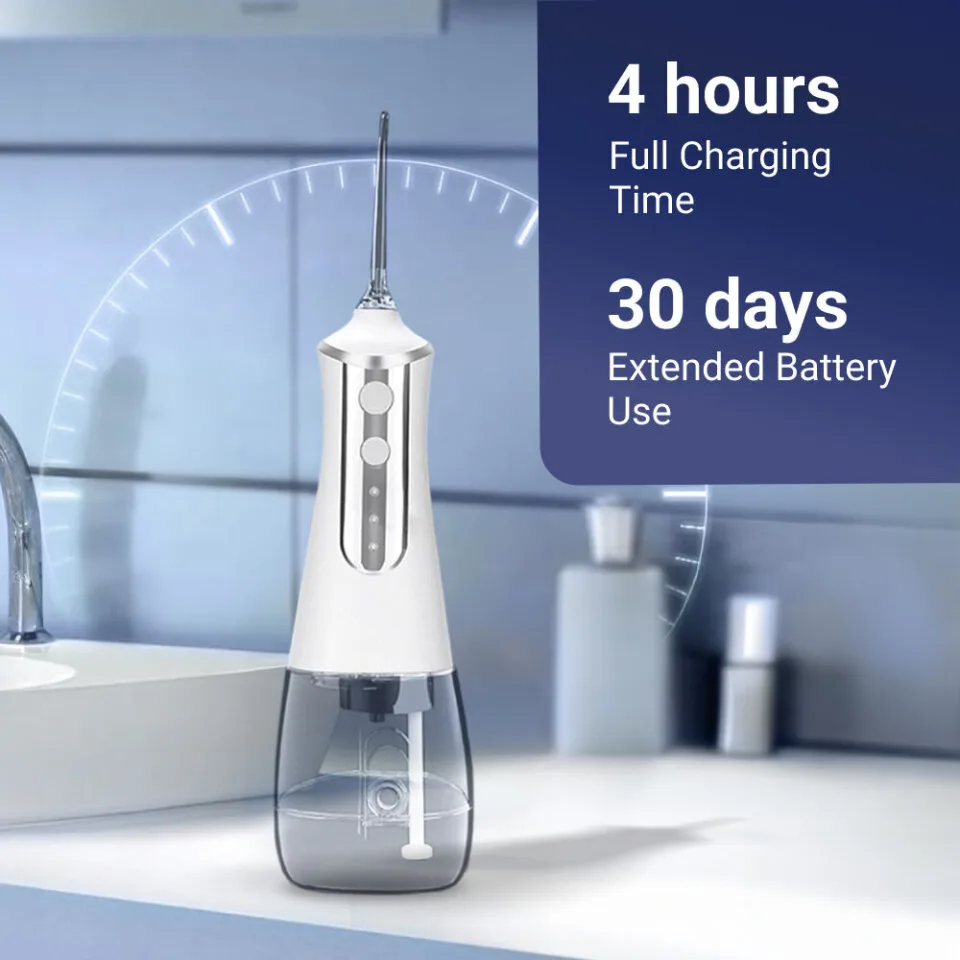
The WellaWhite Water Flosser is cordless and rechargeable, with 3 cleaning modes so you can start gently on sensitive gums, and interchangeable nozzles. It's braces-friendly and sold on the official site with discounts of up to 75%. It supports, but doesn't replace, professional treatment for gum disease. See how to use a water flosser.
Make daily gumline cleaning easier
WellaWhite Water Flosser: cordless, 3 modes including gentle settings, interchangeable nozzles, braces-friendly. Up to 75% off on the official site.
Check today's price →Up to 75% off on the official site
How do dentists treat gum disease?
Treatment depends on the stage. For gingivitis, a professional cleaning plus better home care is often enough. For periodontitis, dentists and periodontists may use deep cleaning (scaling and root planing) to remove plaque and tartar below the gumline, antibacterial treatments, and in advanced cases, surgery to reduce pockets or regenerate lost tissue. Follow-up maintenance visits are usually more frequent. Some people ask about complementary at-home options like red light devices; see red light therapy for gums for what research says, always alongside, not instead of, dental care.
Is gum disease linked to other health problems?
Research has found associations between gum disease and several health conditions, including diabetes and heart disease. Researchers are still studying the nature of these links. What's clear is that healthy gums are part of overall health, and people with diabetes in particular are encouraged to take extra care of their gums.
How can you check your gums at home?
- Look in a mirror in good light. Are your gums pink and firm, or red, puffy and shiny?
- Notice any bleeding when you brush or clean between your teeth.
- Check whether your teeth look longer than before, a sign of receding gums.
- Press gently on your teeth; do any feel loose?
- Notice whether bad breath or a bad taste persists.
If you notice any of these signs, book a dental visit. A dentist can measure gum pockets and take X-rays to see what's happening below the gumline.
What about gum problems during pregnancy?
Hormonal changes during pregnancy can make gums more sensitive to plaque, leading to "pregnancy gingivitis" with swollen, bleeding gums. Keep up careful brushing and cleaning between teeth, and keep your dental appointments; dental checkups and cleanings are generally considered safe during pregnancy. Tell your dentist you're pregnant.
What does a gum-friendly daily plan look like?
| When | What to do |
|---|---|
| Morning | Brush 2 minutes, angled at the gumline |
| Evening | Clean between teeth (water flosser or floss), then brush 2 minutes |
| Every 3–4 months | Replace brush or brush head |
| Every dental visit | Professional cleaning; ask about your gum health |
Replacing your brush on time matters too; see how often to replace your toothbrush.
What does reversing early gingivitis look like?
A common scenario: someone notices pink in the sink every time they brush and slightly puffy gums between the lower front teeth. At a dental visit, they're told it's early gingivitis, get a professional cleaning and are shown how to brush at the gumline and clean between teeth. They start using a water flosser every evening on a gentle setting and an electric brush twice a day. The first week, there's still some bleeding. By the second or third week, the bleeding has mostly stopped, the gums look pinker and firmer, and breath is fresher. At the next checkup, the dentist sees healthier gums. That's the typical pattern when gingivitis is caught early and daily habits change, which is why acting on the first signs matters so much.
What happens at a gum checkup?
At a checkup, the dentist or hygienist looks at your gums for redness and swelling, checks for bleeding, and gently measures the space between each tooth and the gum with a small probe. Healthy spaces are shallow; deeper pockets can signal gum disease. They may take X-rays to see the bone supporting your teeth, check for loose teeth and ask about your health, medications and smoking. Then they'll explain what they found and recommend a cleaning or treatment plan. It's quick, usually painless, and the best way to know what's really going on below the gumline.
What are common myths about gum disease?
- "Bleeding gums are normal." Healthy gums don't usually bleed with gentle brushing; bleeding is a warning sign.
- "If it doesn't hurt, it's fine." Early gum disease is usually painless.
- "I should brush less where it bleeds." Gentle, thorough cleaning usually helps bleeding gums improve.
- "Mouthwash alone will fix it." Removing plaque with brushing and interdental cleaning, plus professional care, is what matters.
The bottom line
Bleeding, red or swollen gums, persistent bad breath, receding gums and loose teeth are signs of gum disease. Early gingivitis is common and often reversible with better daily cleaning and professional care; advanced periodontitis needs a dentist's treatment. Brush twice a day, clean between your teeth daily, don't smoke and see your dentist regularly.
For easier daily cleaning between teeth and along the gumline, our pick is the WellaWhite Water Flosser. Check today's WellaWhite Water Flosser price.
Sources
- National Institute of Dental and Craniofacial Research. Gum Disease.
- American Dental Association. Floss / Interdental Cleaners.
- MouthHealthy (ADA). Water Flossers.
Frequently asked questions
What are the first signs of gum disease?
Red, swollen or tender gums and bleeding when you brush or floss are often the earliest signs, along with persistent bad breath.
Can gum disease be reversed?
Early gum disease (gingivitis) can often be reversed with better daily cleaning and professional cleanings. Advanced periodontitis needs a dentist's treatment and ongoing care.
Is it normal for gums to bleed when brushing?
Healthy gums don't usually bleed with gentle brushing. Bleeding is a common early sign of gingivitis; keep cleaning gently and see your dentist if it continues.
What causes gum disease?
Mainly plaque buildup along and below the gumline. Smoking, diabetes, hormonal changes, some medications and genetics increase the risk.
Does a water flosser help gum disease?
Water flossers with the ADA Seal have been shown to remove plaque and help reduce gingivitis. They support, but don't replace, professional treatment.
When should I see a dentist about my gums?
If you notice bleeding, swelling, pain, receding gums, persistent bad breath, pus or loose teeth.

Michelle Hert
Michelle researches at-home oral care products, from whitening kits to water flossers, and reads the dental research and buyer feedback behind them so readers can make smarter choices. She is not a dentist, and her guides are not a substitute for professional dental care. Her guides are built on published research, manufacturer information and verified buyer feedback, and are updated when new information comes out. More about Michelle.