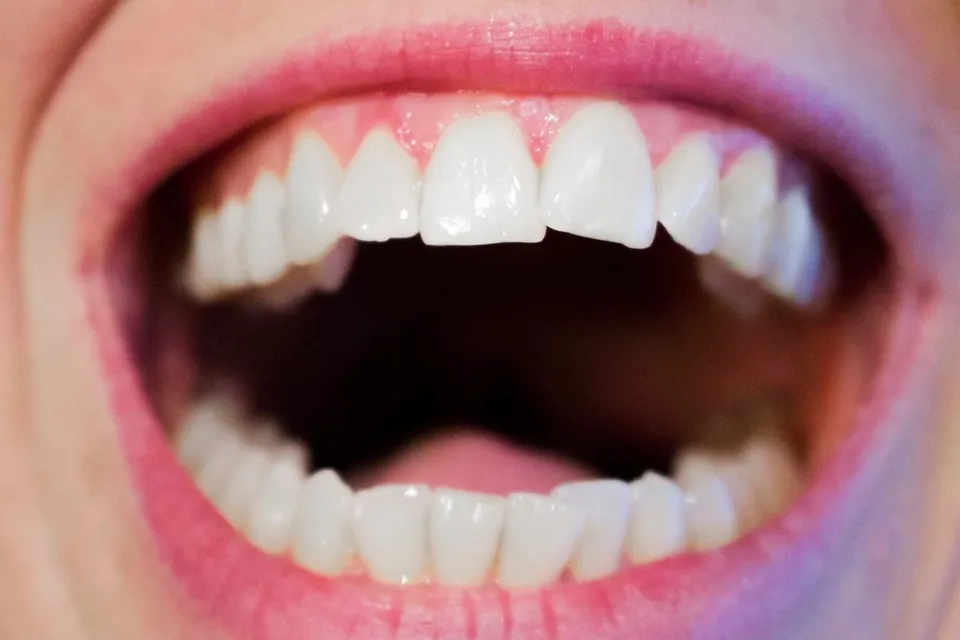
- Brush gently twice a day with a soft brush, along the gum line.
- Clean between your teeth daily; a water flosser is gentle on sore gums.
- Rinse with warm salt water for comfort.
- Avoid tobacco and limit sugary snacks.
- See a dentist if swelling lasts more than a week or two, hurts a lot, or comes with fever, pus or a loose tooth.
General information about consumer products, not dental advice. Swelling with severe pain, fever, a bad taste, pus, a lump or a loose tooth can mean an infection: see a dentist promptly. Swelling in the face or trouble swallowing or breathing needs emergency care.
You notice it when you brush: the gums around a few teeth look puffy, red and shiny, and they may bleed a little. Maybe they feel tender when you eat, or there's a bad taste in your mouth. Swollen gums are very common, and most of the time they're your gums' way of telling you that plaque has been sitting along the gum line for too long.
The good news is that the most common cause, early gum inflammation, is usually reversible with better daily care. This guide explains what causes swollen gums, how to tell when it's serious, what helps at home, how to build a gum-friendly routine and when to see a dentist.
What causes swollen gums?
| Cause | What you might notice |
|---|---|
| Gingivitis (plaque buildup) | Red, puffy gums that bleed when brushing; often several teeth |
| Food trapped under the gum | Swelling and soreness around one tooth after eating popcorn, seeds, etc. |
| Hormonal changes | Pregnancy, puberty or menopause can make gums more reactive |
| Medications | Some medicines can cause gum overgrowth or dry mouth |
| Brushing too hard or a new tool | Irritation along the gum line |
| Gum abscess or tooth infection | A painful lump, throbbing, bad taste, sometimes fever |
| Periodontitis | Swelling with receding gums, loose teeth, persistent bad breath |
The National Institute of Dental and Craniofacial Research explains that gum disease starts when plaque builds up along and under the gum line, and that gingivitis, the mild form, can usually be reversed with daily brushing and flossing and regular cleanings.
When are swollen gums a sign of something serious?
See a dentist soon if you notice:
- Swelling that lasts more than a week or two despite good brushing and flossing.
- A painful lump or pimple on the gum.
- Pus, a bad taste or bad breath that won't go away.
- Fever or swelling that spreads to the face or jaw.
- Loose teeth or gums pulling away from the teeth.
- Bleeding that doesn't stop.
Swelling in the face, trouble swallowing or trouble breathing needs emergency care.
What can you do at home for swollen gums?
- Brush gently twice a day with a soft brush, angling the bristles toward the gum line. Don't avoid the sore area; gentle cleaning is what helps it heal.
- Clean between your teeth once a day. If floss hurts, try a water flosser on a low setting.
- Rinse with warm salt water: half a teaspoon of salt in a cup of warm water, a few times a day, for comfort.
- Check for trapped food if swelling is around one tooth; floss and rinse gently.
- Drink water and avoid tobacco, which slows gum healing.
- Eat soft, nutritious foods and limit sugary snacks while gums are sore.
With consistent care, gum swelling from gingivitis often improves within one to two weeks.
Why is a water flosser helpful for sore gums?
When gums are tender, string floss can feel uncomfortable, and many people skip it, which makes the inflammation last longer. A water flosser on a low setting flushes plaque and food from between teeth and along the gum line more gently. The ADA's MouthHealthy notes that water flossers can be a good option for people who have trouble with string floss. See how to use a water flosser and water flosser vs floss.
Where does red light therapy fit in?
Red and near-infrared light, known in research as photobiomodulation, has been studied as a complement to standard gum care. A 2024 systematic review in PubMed found that photobiomodulation may be a useful add-on to basic periodontal therapy, though research is still developing. It's not a replacement for brushing, flossing or dental treatment.
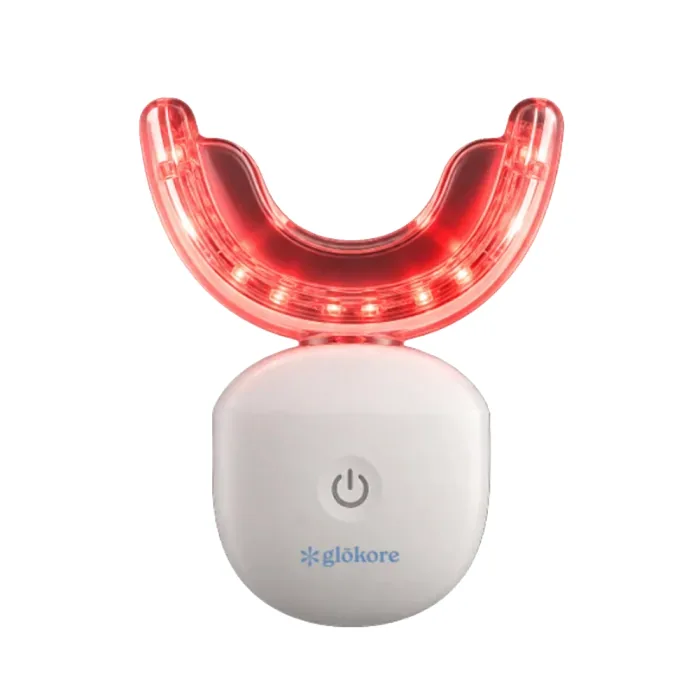
Glokore OralCare Plus is a cordless LED mouthpiece with red, blue and near-infrared light, designed for a daily gum-comfort and fresh-breath routine. You place it over your teeth, press one button and relax during the session, following the brand's instructions. It's an add-on to your routine, used alongside brushing and cleaning between teeth. The brand reports high customer ratings; these are the brand's own figures, so treat them as encouraging rather than clinical proof. It's sold at up to 70% off with code ORALCARE26. Read our Glokore review, where we rate it 4.3/5, and blue light vs red light.
A modern add-on for gum comfort
Glokore OralCare Plus: cordless red, blue and near-infrared light mouthpiece for a daily gum-comfort and fresh-breath routine, used with brushing and flossing. Up to 70% off with code ORALCARE26.
Check today's price →Up to 70% off with code ORALCARE26
What should you avoid with swollen gums?
- Skipping brushing the sore area: plaque left behind keeps the swelling going.
- Scrubbing hard: it irritates already inflamed gums. See brushing too hard.
- Poking with sharp objects to remove food.
- Tobacco and vaping.
- Very spicy, acidic or crunchy foods while sore.
- Ignoring swelling that lasts more than two weeks.
Why do gums swell during pregnancy?
Hormonal changes during pregnancy make gums react more strongly to plaque, so many people notice swollen or bleeding gums, often called pregnancy gingivitis. Keep brushing gently and cleaning between teeth daily, and tell your dentist you're pregnant; dental checkups and cleanings are generally considered safe and important during pregnancy. Ask before using any new device or product.
What if only one tooth's gum is swollen?
Swelling around a single tooth is often caused by trapped food, like a popcorn hull, or by a problem with that tooth, such as an infection, a cracked tooth or an erupting wisdom tooth. Floss carefully, rinse with warm salt water and try a water flosser. If it doesn't improve within a day or two, or there's a lump, throbbing or a bad taste, see a dentist. See food stuck between teeth.
What does a gum-friendly daily routine look like?
- Morning and night: brush gently for two minutes with a soft or sonic brush.
- Once a day: floss or use a water flosser.
- Optional: a red light session as an add-on, following the device instructions.
- Throughout the day: drink water, limit sugary snacks and drinks.
- Every 6 months: a dental checkup and cleaning, or as your dentist recommends.
Our guide to how to improve gum health and signs of gum disease go deeper.
What will the dentist do?
Your dentist will check the gums, measure the pockets around your teeth and may take X-rays. For gingivitis, a professional cleaning to remove plaque and tartar and better home care usually solve it. For periodontitis, they may recommend a deep cleaning (scaling and root planing) and follow-up visits. For an abscess, they'll drain the infection and treat the tooth. Getting treatment early is simpler and protects your teeth.
Are gums linked to overall health?
Research has found links between gum disease and conditions like diabetes and heart disease, and people with diabetes are more prone to gum problems. That's one more reason to take swollen gums seriously and keep them healthy with daily care and regular checkups.
Which foods help and which make swollen gums worse?
While gums are sore, soft and nourishing foods are easiest: yogurt, eggs, soups, oatmeal, cooked vegetables, bananas and smoothies without added sugar. Foods rich in vitamin C, like oranges, strawberries and peppers, support gum tissue, though very acidic fruit may sting tender gums. Limit sugary snacks and drinks, which feed the bacteria that cause plaque, and avoid hard, sharp or crunchy foods like chips and popcorn until the swelling goes down. Drinking water through the day helps keep the mouth clean and moist.
What about swollen gums in children?
In children, swollen gums can come from new teeth coming in, a loose baby tooth, food trapped around a molar or plaque buildup from rushed brushing. Help them brush gently along the gum line twice a day and floss for them. If swelling lasts more than a few days, there's a lump or pus, or your child has a fever, see the dentist.
Can a dry mouth make gums swell?
Yes. Saliva helps wash away food and bacteria, so a dry mouth, often caused by medications, mouth breathing or dehydration, makes plaque build up faster and gums more irritated. Sip water during the day, use a humidifier at night if you breathe through your mouth, and ask your doctor or dentist about saliva substitutes if dry mouth is a constant problem.
The bottom line
Swollen gums are usually a sign of plaque buildup and early gum inflammation, which often improves within one to two weeks of gentle, consistent brushing and cleaning between teeth. Rinse with warm salt water, avoid tobacco and see a dentist if swelling lasts, hurts a lot or comes with pus, fever or loose teeth.
For a modern add-on to your gum-care routine, consider Glokore OralCare Plus. Check today's Glokore price.
Sources
- National Institute of Dental and Craniofacial Research. Gum Disease.
- ADA MouthHealthy. Water Flossers.
- PubMed. Photobiomodulation as an adjunct in periodontal therapy (systematic review, 2024).
- Official Glokore product page, checked October 2026.
Frequently asked questions
What causes swollen gums?
Most often plaque buildup leading to gingivitis. Other causes include trapped food, hormonal changes, some medications, brushing too hard and infections.
How do you get swollen gums to go down?
Brush gently twice a day, clean between teeth daily, rinse with warm salt water and avoid tobacco. Gingivitis often improves within one to two weeks.
When should I worry about swollen gums?
See a dentist if swelling lasts more than a week or two, there's a painful lump, pus, fever, loose teeth or bleeding that won't stop.
Is a water flosser good for swollen gums?
Yes, on a low setting it cleans between teeth and along the gum line more gently than string floss for many people.
Does red light therapy help swollen gums?
Research on photobiomodulation as an add-on to gum care is promising but still developing. Devices like Glokore are used alongside brushing and flossing, not instead of them.
Why is only one part of my gum swollen?
Often trapped food or a problem with that tooth, like an infection, a crack or an erupting wisdom tooth. See a dentist if it doesn't improve in a day or two.

Michelle Hert
Michelle researches at-home oral care products, from whitening kits to water flossers, and reads the dental research and buyer feedback behind them so readers can make smarter choices. She is not a dentist, and her guides are not a substitute for professional dental care. Her guides are built on published research, manufacturer information and verified buyer feedback, and are updated when new information comes out. More about Michelle.