
- A Sensitive or gentle mode with lower intensity.
- Soft bristles and a compact brush head.
- A two-minute timer so you brush long enough without scrubbing harder.
- Ideally, a pressure sensor or a design that discourages pressing.
General information about consumer products, not dental advice. Tooth sensitivity can be a sign of cavities, cracked teeth, gum recession or worn enamel. If it's new, severe or getting worse, see a dentist.
If cold water makes you wince or brushing near the gum line stings, you might think an electric toothbrush would be too much. In fact, for many people with sensitive teeth, the opposite is true. A good electric toothbrush does the movement for you, so you don't need to press or scrub, and a gentle mode lets you clean thoroughly without irritating sensitive spots.
This guide explains why teeth get sensitive, how an electric toothbrush can help, which features matter most, how to brush with one if your teeth are sensitive, and what else you can do to reduce sensitivity.
Why are teeth sensitive?
Under the enamel is a layer called dentin, filled with tiny tubes that lead to the nerve. When enamel wears thin or gums recede and expose the root, hot, cold, sweet or acidic things can reach those tubes and cause a sharp, short pain. Common causes include:
- Gum recession, which exposes the root.
- Brushing too hard or with hard bristles.
- Acidic foods and drinks that soften enamel.
- Grinding or clenching.
- Cavities, cracks or worn fillings.
- Recent whitening or dental work.
The ADA's MouthHealthy explains that sensitivity often comes from exposed dentin and can be treated with desensitizing toothpaste and good habits. See what causes sensitive teeth.
Can an electric toothbrush help with sensitive teeth?
It can, mainly because it changes how you brush. With a manual brush, people often press hard and scrub back and forth, especially when they're trying to be thorough. Over time, that can wear enamel near the gum line and push gums back, making sensitivity worse. With an electric or sonic brush, you just guide the head slowly along your teeth and let it do the work.
Powered brushes are also effective. A Cochrane review found that powered toothbrushes reduce plaque and gum inflammation more than manual toothbrushes, and healthier gums are less likely to recede.
Which features matter most for sensitive teeth?
| Feature | Why it matters |
|---|---|
| Sensitive / gentle mode | Lower intensity for tender teeth and gums |
| Soft bristles | Cleans without abrading enamel or gums |
| Two-minute timer and quadrant alerts | Brush long enough without pressing harder |
| Pressure sensor (if available) | Warns you when you press too hard |
| Compact head | Reaches back teeth gently |
| Several modes | Start gentle, adjust as sensitivity improves |
The American Dental Association recommends soft bristles for most people, manual or powered.
Which sonic toothbrush suits sensitive teeth?
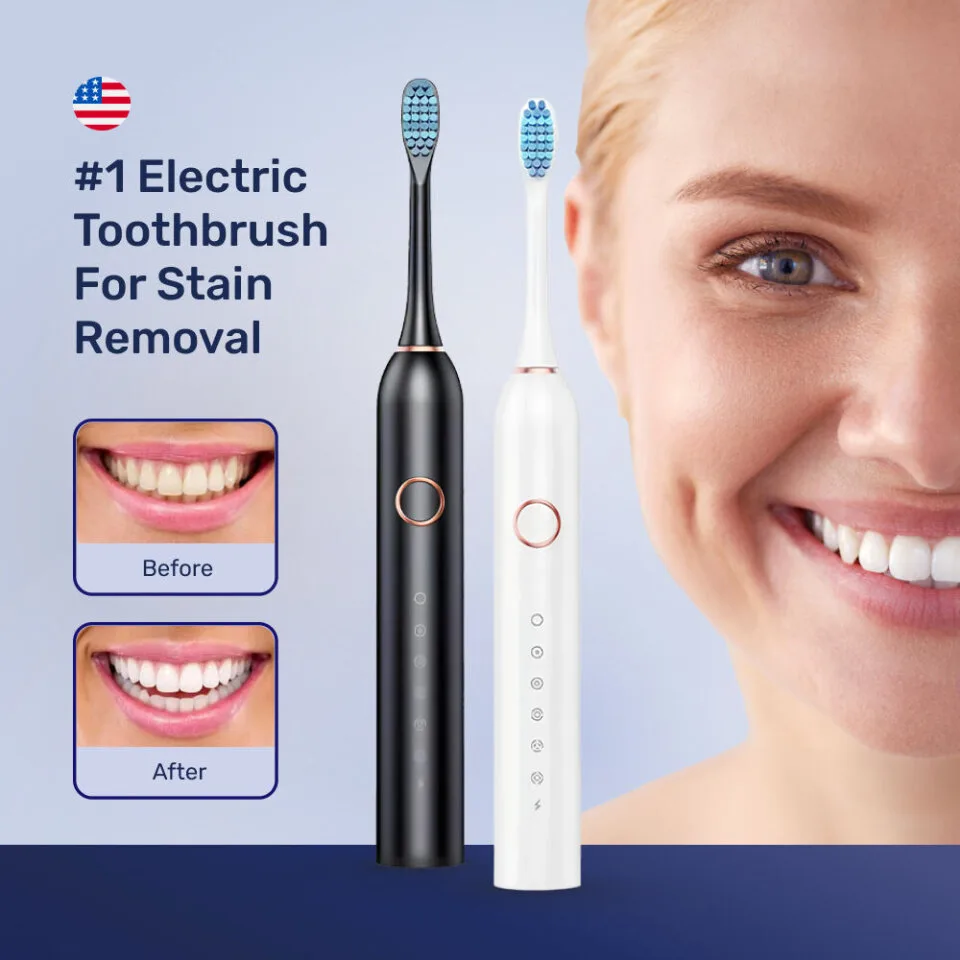
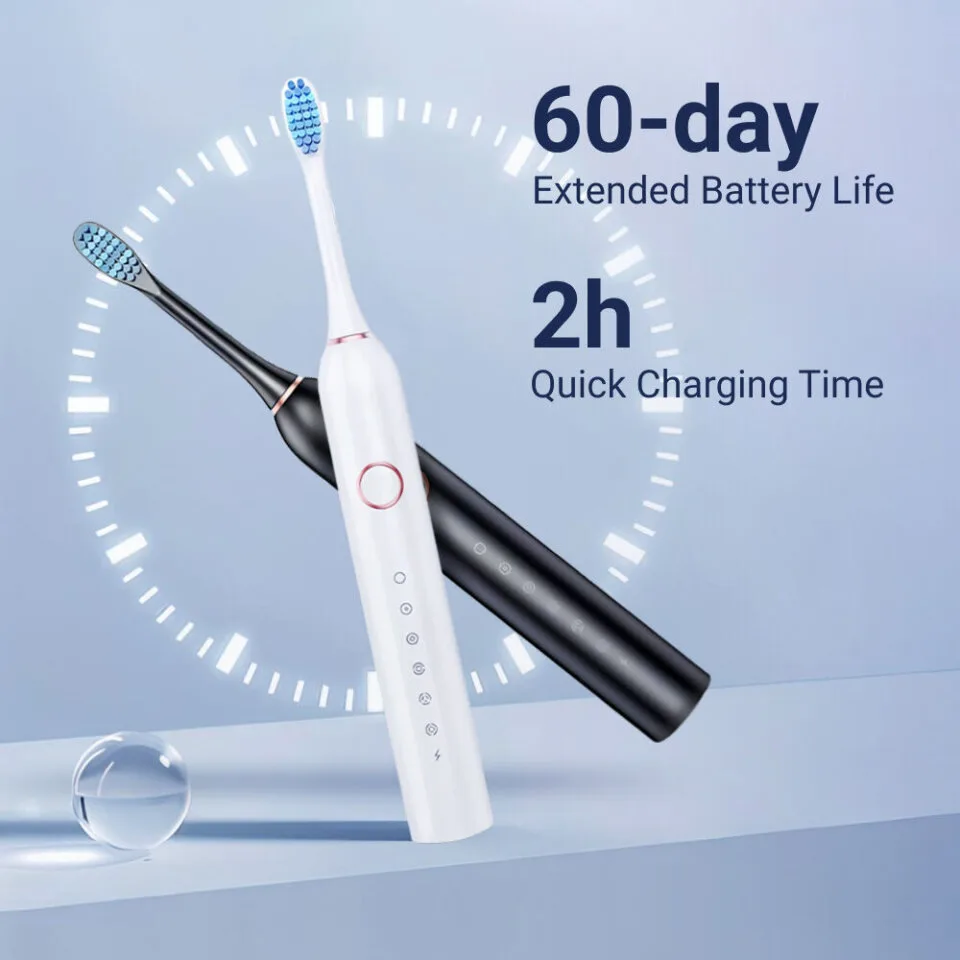
The WellaWhite Sonic Toothbrush has six modes, including a dedicated Sensitive mode for gentler cleaning and a Whitening mode for surface stains on days your teeth feel fine. Its smart timer helps you brush for the full two minutes, so you don't feel the need to scrub harder to "make up" for a short brushing. It comes with four brush heads and a battery that lasts up to 60 days per charge. It's sold at up to 75% off on the official site. Read our WellaWhite Sonic Toothbrush review and sonic vs oscillating toothbrushes.
Gentle, thorough brushing for sensitive teeth
WellaWhite Sonic Toothbrush: six modes including Sensitive, a smart timer, four brush heads and up to 60 days of battery. Up to 75% off on the official site.
Check today's price →Up to 75% off on the official site
How do you brush sensitive teeth with an electric toothbrush?
- Choose the Sensitive mode to start.
- Use a pea-sized amount of toothpaste for sensitive teeth.
- Place the brush head on the tooth before turning it on to avoid splatter and a jolt on sensitive spots.
- Angle the bristles toward the gum line at about 45 degrees.
- Glide slowly from tooth to tooth, holding a couple of seconds on each. Don't scrub.
- Use light pressure: just enough to keep the bristles in contact.
- Brush for two minutes, twice a day.
- Spit, don't rinse right away, so the toothpaste's active ingredients stay on the teeth longer, if your dentist recommends it.
What if the brush feels too strong at first?
Many people need a week or two to get used to a sonic brush. Start on the lowest mode, use it for a shorter time on sensitive areas, and gradually move up. A slight tickling or buzzing feeling is normal; sharp pain is not. If a particular tooth hurts every time, have a dentist check it.
Which toothpaste works best with it?
Desensitizing toothpastes with ingredients like potassium nitrate or stannous fluoride can reduce sensitivity over a few weeks of regular use. Avoid very abrasive whitening toothpastes and charcoal products if your teeth are sensitive. Some people rub a little desensitizing toothpaste on sensitive spots at night, if their dentist agrees.
Which habits reduce sensitivity?
- Wait 30 to 60 minutes after acidic food or drinks before brushing.
- Drink acidic drinks with meals and rinse with water afterward.
- Use a straw for cold drinks.
- Wear a night guard if you grind.
- Clean between your teeth gently; a water flosser on a low setting is comfortable. See water flosser vs floss.
- Replace brush heads every three months; worn bristles can be harsher.
Can you whiten if you have sensitive teeth?
Yes, carefully. Use a desensitizing toothpaste for a couple of weeks first, choose shorter or less frequent sessions and pause if sensitivity builds. A peroxide-free purple foam is a gentle way to brighten your smile without bleaching. See teeth whitening for sensitive teeth.
When should you see a dentist about sensitivity?
- Sensitivity that's new, severe or getting worse.
- Pain in one specific tooth.
- Pain that lingers after the cold or heat is gone.
- Pain when biting.
- Visible gum recession or worn spots near the gum line.
A dentist can apply fluoride varnish, bond exposed roots, treat cavities and recommend a plan. See receding gums.
Is an electric toothbrush better than a manual one for sensitive teeth?
Both can work with a gentle technique and soft bristles. Many people with sensitive teeth find an electric brush easier because they don't need to press, and the timer helps them brush long enough. If you prefer manual, use an extra-soft brush, hold it with your fingertips and use gentle circles. See electric vs manual toothbrushes.
Why does cold water hurt when you brush?
Cold water is one of the most common triggers of sensitivity, and brushing with very cold tap water can make the experience unpleasant enough that people rush or skip it. Try brushing with lukewarm water and rinsing the brush head in warm water first. Over a few weeks, a desensitizing toothpaste and gentle brushing often make cold less of a problem.
What if your gums are sensitive, not your teeth?
Tender or bleeding gums are usually a sign of inflammation from plaque buildup rather than true tooth sensitivity. Gentle, consistent brushing along the gum line, combined with daily cleaning between teeth, usually calms the gums within one to two weeks. A Sensitive mode helps you keep brushing those areas comfortably instead of avoiding them, which is what lets them heal. See swollen gums.
What does a sensitivity-friendly daily routine look like?
In the morning, brush on the Sensitive mode for two minutes with a desensitizing toothpaste, and rinse with water after coffee or juice rather than brushing right after. During the day, drink water and keep acidic drinks with meals. In the evening, clean between your teeth with floss or a water flosser on a low setting, then brush again on the Sensitive mode. After a few weeks, many people find they can switch to a regular mode on most days and keep the Sensitive mode for flare-ups or after whitening.
Which brush head is best for sensitive teeth?
Soft bristles are the most important feature. A compact head reaches the back teeth without pushing against the cheeks and gums, and rounded bristle tips are gentler on the gum line. Replace heads every three months, or sooner if they fray; worn, splayed bristles can be harsher on sensitive areas and clean less effectively. See how often to replace your toothbrush.
What about sensitivity after dental work?
Teeth are often sensitive for a few days or weeks after a filling, a crown, a deep cleaning or whitening. Use the gentlest mode during that time, avoid very hot and cold foods, and keep brushing and cleaning between teeth so the gums heal well. If sensitivity after a filling lasts more than a couple of weeks, or the bite feels high, call your dentist; a small adjustment often solves it.
The bottom line
An electric toothbrush can make brushing more comfortable for sensitive teeth, because it does the work and discourages scrubbing. Look for a Sensitive mode, soft bristles and a two-minute timer, use a toothpaste for sensitive teeth and glide gently along the gum line. See a dentist if sensitivity is new, severe or focused on one tooth.
For gentle, thorough brushing, our pick is the WellaWhite Sonic Toothbrush. Check today's WellaWhite toothbrush price.
Sources
- ADA MouthHealthy. Sensitive Teeth.
- American Dental Association. Toothbrushes.
- Cochrane. Powered versus manual toothbrushing for oral health.
- Official WellaWhite product page, checked October 2026.
Frequently asked questions
Is an electric toothbrush good for sensitive teeth?
Often, yes. It does the movement so you don't press or scrub, and a Sensitive mode lets you clean thoroughly with less discomfort.
What features should an electric toothbrush for sensitive teeth have?
A Sensitive or gentle mode, soft bristles, a two-minute timer, a compact head and ideally a pressure sensor.
How do you brush sensitive teeth with an electric toothbrush?
Use the Sensitive mode, angle the bristles toward the gum line, glide slowly from tooth to tooth with light pressure and brush for two minutes.
Can an electric toothbrush make sensitivity worse?
It can if used on a high setting with hard pressure. Start on the gentlest mode and let the brush do the work.
What toothpaste is best for sensitive teeth?
A desensitizing toothpaste, such as one with potassium nitrate or stannous fluoride. Avoid very abrasive whitening or charcoal pastes.
Does the WellaWhite Sonic Toothbrush have a sensitive mode?
Yes. It has six modes including Sensitive and Whitening, a smart timer, four brush heads and up to 60 days of battery.

Michelle Hert
Michelle researches at-home oral care products, from whitening kits to water flossers, and reads the dental research and buyer feedback behind them so readers can make smarter choices. She is not a dentist, and her guides are not a substitute for professional dental care. Her guides are built on published research, manufacturer information and verified buyer feedback, and are updated when new information comes out. More about Michelle.