
- A water flosser uses a pulsing stream of water to physically flush food and plaque from between teeth and along the gumline. It's a way of cleaning between your teeth, like string floss.
- Mouthwash rinses the whole mouth for 30 to 60 seconds. Depending on the formula, it freshens breath, adds fluoride or reduces some bacteria, but it doesn't remove plaque stuck between teeth.
- If you only pick one for gum health, cleaning between your teeth matters more.
- Best routine: water floss, brush for two minutes, then rinse with mouthwash if you like it.
General information about consumer products, not dental advice. If you have gum disease, implants or a medical condition, follow your dentist's advice on rinses and cleaning between teeth.
Mouthwash and water flossers both involve swishing or spraying liquid around your mouth, so it's easy to think they're interchangeable. Many people use a minty rinse and feel like they've done their flossing. But the two work in very different ways. One physically cleans the spaces your toothbrush can't reach; the other rinses the mouth and leaves it feeling fresh. This guide explains what each one actually does, what the research and dental organizations say, which one matters more for gums, breath and cavities, how to use them together, who benefits most from each and how to put together a simple daily routine.
In this guide:
- what a water flosser does
- what mouthwash does
- side-by-side comparison
- gums, breath and cavities
- how to use both
- which to choose
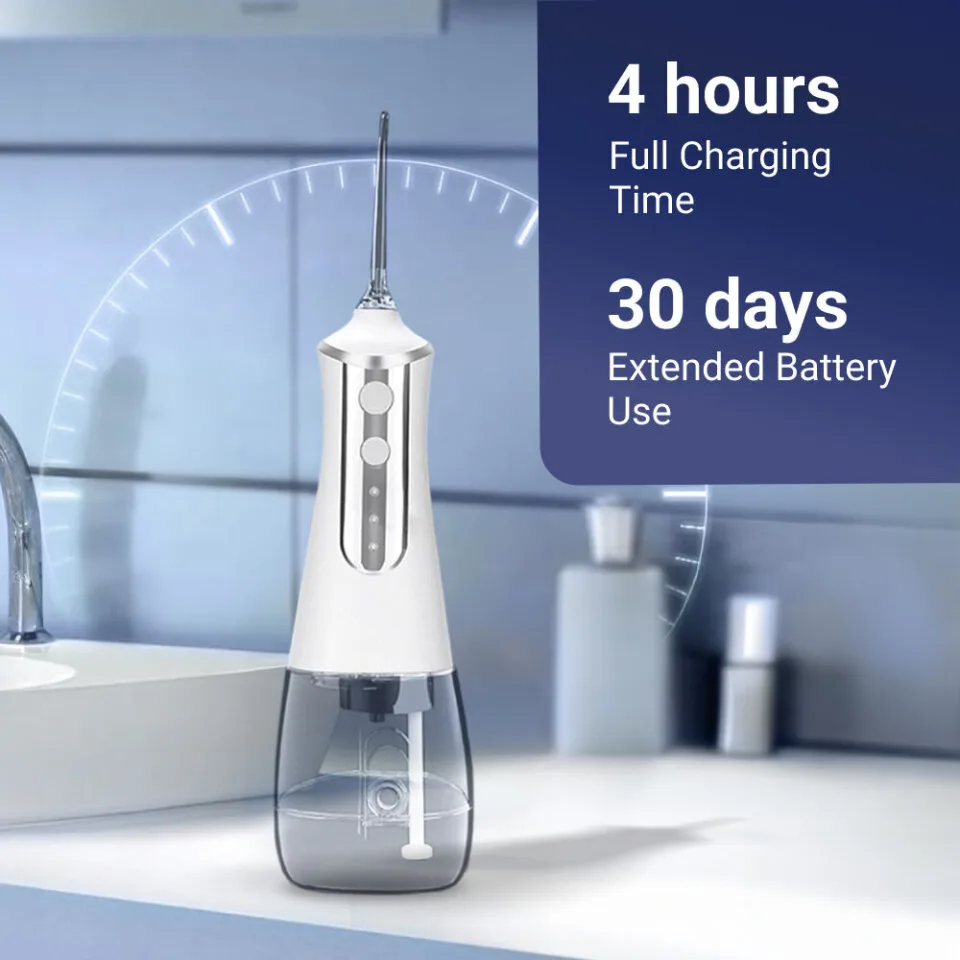
Our pick: the WellaWhite Water Flosser
Cordless, rechargeable water flosser with 3 cleaning modes and interchangeable nozzles. Braces-friendly.
Check today's price →Up to 75% off on the official site
What does a water flosser actually do?
A water flosser (also called an oral irrigator) sends a thin, pulsing stream of water through a nozzle. You aim it along the gumline and between teeth, and the pressure and pulsing flush out food particles and loosen plaque. It's one of the ways the American Dental Association recognizes for cleaning between teeth, alongside string floss and interdental brushes. The ADA's MouthHealthy site explains how water flossers work and who they help.
Water flossers are especially helpful for people with braces, bridges, implants, crowns, tight contacts or stiff fingers that make string floss hard. See how to use a water flosser.
What does mouthwash actually do?
Mouthwash is a rinse you swish for 30 to 60 seconds and spit out. There are two broad types:
- Cosmetic mouthwash freshens breath and leaves a pleasant taste, but doesn't treat the cause of bad breath or plaque.
- Therapeutic mouthwash contains active ingredients, such as fluoride for cavity protection or antibacterial agents that can help reduce plaque bacteria and gingivitis.
The ADA explains the difference between these rinses in its guide to mouthwash. What mouthwash can't do is scrub or flush away the sticky plaque and food lodged between teeth and under the gumline.
How do mouthwash and a water flosser compare?
| Water flosser | Mouthwash | |
|---|---|---|
| Main job | Cleans between teeth and along the gumline | Rinses the whole mouth |
| Removes food stuck between teeth | Yes | Barely |
| Disrupts plaque | Yes, mechanically | Some formulas reduce bacteria, but don't remove plaque |
| Helps gums | Yes, with daily use | Therapeutic rinses can help as an extra |
| Freshens breath | Helps by removing the cause | Yes, temporarily |
| Fluoride for cavities | No (unless your dentist suggests adding a rinse) | Fluoride formulas, yes |
| Time | About 1 to 2 minutes | 30 to 60 seconds |
| Cost over time | Device once, then nozzles | A bottle every few weeks |
Which is better for gums?
For gum health, cleaning between your teeth every day is one of the most important habits, because that's where plaque collects and gum inflammation starts. A water flosser does that job; mouthwash doesn't. A therapeutic rinse can be a useful extra, especially if your dentist recommends one, but it works best on top of brushing and cleaning between teeth, not instead of them. If your gums bleed, see how to stop bleeding gums and water flossers for gum disease.
Which is better for bad breath?
Mouthwash masks bad breath quickly, which is why it feels effective. But most bad breath comes from bacteria and food trapped between teeth, on the tongue and along the gumline. A water flosser removes much of that source, so breath stays fresher for longer. For the best results, clean between your teeth, brush, clean your tongue and then rinse if you like. More in water flossers for bad breath and bad breath causes.
Our pick: the WellaWhite Water Flosser
Cordless, rechargeable water flosser with 3 cleaning modes and interchangeable nozzles. Braces-friendly.
Check today's price →Up to 75% off on the official site
Which is better for preventing cavities?
Both can play a part. Cavities between teeth often start where food and plaque sit for long periods, so a water flosser helps by flushing those spots. A fluoride mouthwash adds extra fluoride to strengthen enamel, which can be useful for people at higher risk of cavities, such as those with dry mouth, braces or a history of decay. Your dentist can tell you whether you'd benefit from a fluoride rinse.
How do you use a water flosser and mouthwash together?
- Water floss first to flush out food and loosen plaque between teeth.
- Brush for two minutes with a fluoride toothpaste to sweep away what's been loosened.
- Rinse with mouthwash if you use one, following the label.
- Don't rinse with water afterward if your mouthwash or toothpaste contains fluoride, so it stays on the teeth longer.
Some people prefer to water floss after brushing. Either order works as long as you do both. See water flosser before or after brushing.
Can you put mouthwash in a water flosser?
Some people add a little mouthwash to the water tank for a fresh taste. Check your flosser's manual first. Many manufacturers recommend plain lukewarm water only, because mouthwash, especially alcohol-based or colored formulas, can stain, dry out or damage internal parts, and some antiseptic ingredients can irritate gums when sprayed under pressure. If the maker allows it, use a small amount diluted with water and rinse the tank and nozzle with plain water afterward.
Who benefits most from a water flosser?
- people with braces, aligners, bridges or implants
- anyone who struggles with string floss or has arthritis
- people with bleeding gums or early gum inflammation
- anyone who often gets food stuck between teeth
Read water flossers for braces and water flossers for seniors.
Who benefits most from mouthwash?
- people who want fresh breath on the go
- those at higher risk of cavities who benefit from a fluoride rinse
- people whose dentist recommends a therapeutic rinse for a period of time
If you have dry mouth, choose an alcohol-free formula, since alcohol can make dryness worse.
If you can only choose one, which should it be?
For most people, a water flosser (or another way of cleaning between teeth, like floss or interdental brushes) makes a bigger difference to gums and breath than mouthwash, because it removes plaque and food rather than rinsing over them. Mouthwash is a nice extra. Compare with other between-teeth tools in water flosser vs floss and water flosser vs interdental brush.
Which mouthwash and water flosser myths can you ignore?
- "Mouthwash cleans between teeth." It rinses over them but doesn't remove stuck plaque and food.
- "The stronger the burn, the better it works." A strong sting usually just means alcohol.
- "A water flosser replaces brushing." It cleans between teeth; you still need to brush.
- "Water flossers are only for braces." They're useful for anyone who wants an easier way to clean between teeth.
What does a simple daily routine look like?
| When | Step |
|---|---|
| Morning | Brush 2 minutes; rinse with mouthwash if you like |
| Evening | Water floss, brush 2 minutes, clean your tongue |
| Every 3 months | Replace toothbrush heads and flosser nozzles |
| Every 6 months | Dental checkup and cleaning |
Full routine: a complete oral care routine.
Which type of mouthwash is worth using?
| Type | Good for | Notes |
|---|---|---|
| Fluoride rinse | Extra cavity protection | Useful with braces, dry mouth or frequent cavities |
| Antibacterial rinse | Reducing plaque bacteria and gingivitis | Some are recommended by dentists for short periods |
| Alcohol-free rinse | Dry or sensitive mouths | Gentler feel, no burning |
| Cosmetic rinse | Fresh breath on the go | Doesn't treat the cause of bad breath |
| Whitening rinse | Slowing new surface stains | Subtle results |
Choose a rinse that matches what you need, and remember it's a finishing step after brushing and cleaning between teeth. If you're curious about whitening rinses specifically, see does whitening mouthwash work?
Can kids use a water flosser or mouthwash?
Many children can use a water flosser on the gentlest mode with supervision, which is especially helpful with braces. Mouthwash is usually only recommended for children who can reliably spit it out, often from around age 6, and always with a formula labeled for kids. Check with your child's dentist first. Read water flossers for kids.
What does each cost over a year?
A bottle of mouthwash typically lasts a few weeks, so it becomes an ongoing purchase. A cordless water flosser is a one-time device cost plus replacement nozzles every few months, and it uses only tap water. Over a year, many families find a water flosser costs about the same as regular mouthwash, while doing a different and more important job.
The bottom line
Mouthwash vs water flosser:
- a water flosser cleans between teeth and along the gumline
- mouthwash rinses the mouth and can add fluoride or freshness, but doesn't remove stuck plaque
- for gums and breath, cleaning between teeth matters more
- the best routine uses both: water floss, brush, then rinse
The WellaWhite Water Flosser is cordless and rechargeable, with three modes and interchangeable nozzles, often up to 75% off on the official site.
Our pick: the WellaWhite Water Flosser
Cordless, rechargeable water flosser with 3 cleaning modes and interchangeable nozzles. Braces-friendly.
Check today's price →Up to 75% off on the official site
Frequently asked questions
Can mouthwash replace a water flosser?
No. Mouthwash rinses the mouth but doesn't remove plaque and food stuck between teeth. A water flosser cleans those spaces.
Is a water flosser better than mouthwash for gums?
For gum health, cleaning between your teeth every day matters more. A therapeutic rinse can be a useful extra.
Should I use mouthwash before or after water flossing?
Water floss, brush, then rinse with mouthwash if you use one.
Can I put mouthwash in my water flosser?
Check the manual first. Many makers recommend plain lukewarm water, because mouthwash can stain or damage parts. If allowed, dilute it and rinse the tank afterward.
Which is better for bad breath?
Mouthwash masks it quickly, while a water flosser removes food and bacteria that cause it. Using both works best.
Do I still need to brush if I use both?
Yes. Brushing twice a day with fluoride toothpaste is still the foundation of oral care.

Michelle Hert
Michelle researches at-home oral care products, from whitening kits to water flossers, and reads the dental research and buyer feedback behind them so readers can make smarter choices. She is not a dentist, and her guides are not a substitute for professional dental care. Her guides are built on published research, manufacturer information and verified buyer feedback, and are updated when new information comes out. More about Michelle.