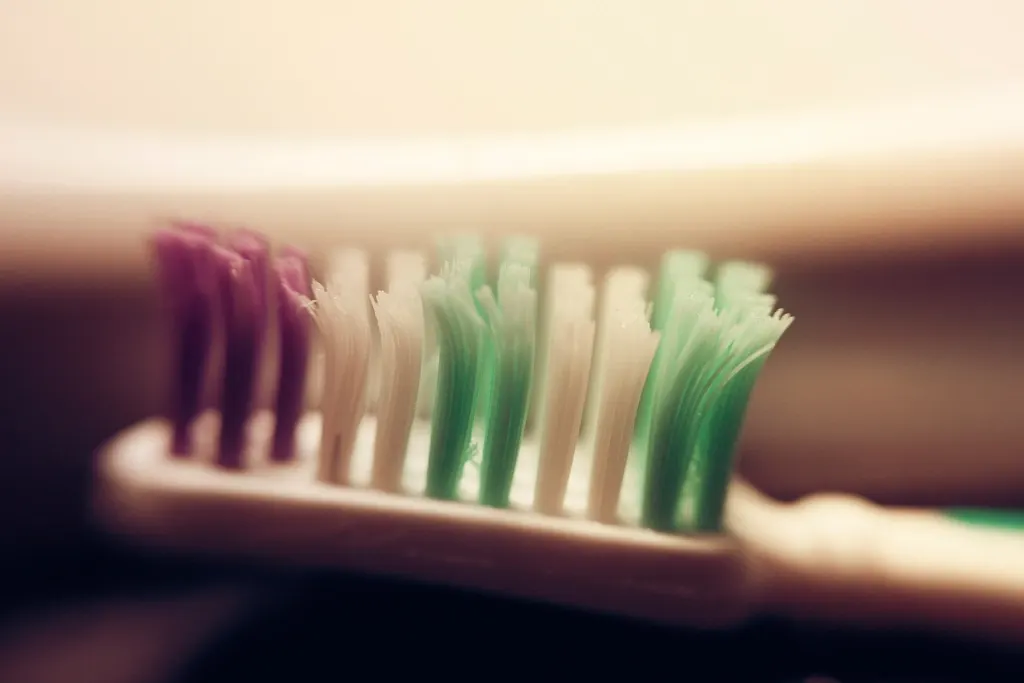
- The bristles are frayed or splayed.
- You've been sick, as a common precaution.
- Someone else used it by mistake.
General information, not dental advice. Ask your dentist about replacement timing if you have braces, gum disease or a weakened immune system.
Most people keep their toothbrush much longer than they should. It still looks "fine," so it stays in the cup for six months, nine months, sometimes a year. But toothbrush bristles wear out with every use, and a worn brush simply doesn't clean as well. Replacing it on time is one of the easiest, cheapest upgrades to your oral care.
This guide explains how often to replace manual brushes and electric brush heads, the signs it's time, when to replace sooner, how to store and care for your brush, and tricks for remembering.
How often should you replace your toothbrush?
The American Dental Association recommends replacing toothbrushes approximately every three to four months, or more often if the bristles are visibly matted or frayed. The same applies to electric toothbrush heads. Children's brushes may need replacing more often, since kids tend to chew and press harder.
Why do worn toothbrushes clean less well?
New bristles have rounded, firm tips that reach along the gumline and between teeth. Over weeks of brushing, they bend, splay and soften. Splayed bristles point in the wrong directions, can't reach into the gumline or between teeth effectively, and may be harsher on gums because frayed tips are rougher. Research has suggested that worn brushes remove less plaque than new ones. Plaque left behind leads to gum irritation, bad breath, stains and cavities.
What are the signs your toothbrush needs replacing?
- Frayed or splayed bristles that bend outward past the edge of the head.
- Bristles that look flattened or have lost their shape and stiffness.
- Discoloration or toothpaste buildup at the base of the bristles that won't rinse out.
- Fading indicator bristles, if your brush has them.
- It's been three months, even if it looks okay.
If your bristles splay within a few weeks, you're probably brushing too hard. Gentle pressure cleans just as well and protects your gums and enamel. See how to brush your teeth properly.
How often should you replace electric toothbrush heads?
Every three to four months, just like manual brushes, or sooner if the bristles are worn. Electric brush heads do a lot of work: thousands of movements per minute. Some have indicator bristles that fade to show when it's time. Keep spare heads on hand so you're never tempted to keep using a worn one.
The WellaWhite Sonic Electric Toothbrush comes with 4 brush heads, according to the brand. That's about a year of heads if you replace every three months, or one for each family member who shares the handle. It also has 6 modes, including Sensitive and Whitening, a smart timer and up to 60 days of battery. It's sold on the official site with discounts of up to 75%. See electric vs manual toothbrush.
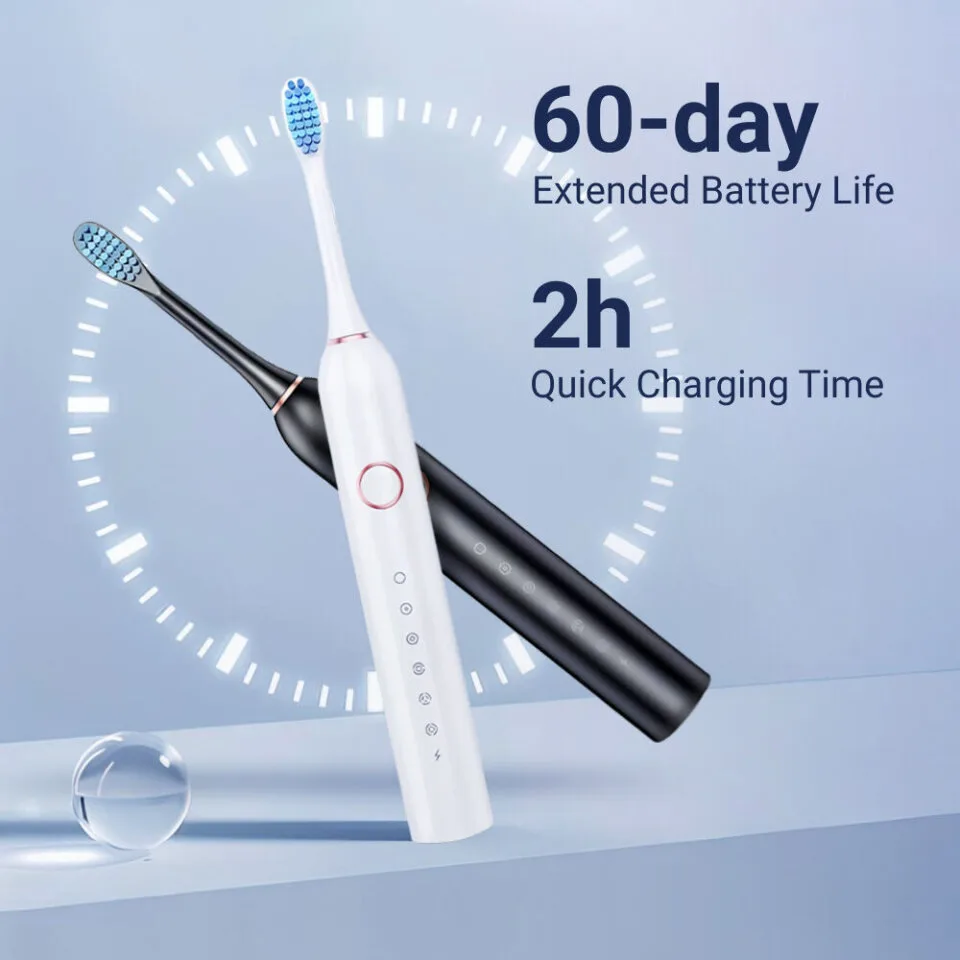
A sonic toothbrush with spare heads included
WellaWhite Sonic Toothbrush: 4 brush heads, 6 modes including Sensitive and Whitening, smart timer, up to 60 days of battery. Up to 75% off on the official site.
Check today's price →Up to 75% off on the official site
Should you replace your toothbrush after being sick?
Many dentists suggest replacing your toothbrush after a cold, flu, strep throat or other infection as a sensible precaution, especially if the brush is near the end of its life anyway. It's inexpensive and gives you a fresh start. Store brushes so they don't touch others in the household, especially when someone is sick.
How should you store a toothbrush?
The ADA advises rinsing your toothbrush thoroughly after use and storing it upright so it can air-dry, and not routinely covering it or storing it in closed containers, which can encourage bacterial growth. Other tips:
- Keep brushes apart so bristles don't touch each other in the holder.
- Store away from the toilet, and close the lid when flushing to limit spray.
- Never share toothbrushes, even with family members.
- Use a travel cover only temporarily, and let the brush dry when you arrive.
- Clean the toothbrush holder regularly, since water and residue collect at the bottom.
How often should kids' toothbrushes be replaced?
Children's brushes often wear faster because kids chew on them and press hard. Check them monthly and replace when the bristles splay, or at least every three months. Let kids pick a fun color or character to make the switch exciting, and replace brushes after illnesses too.
What if you have braces?
Brackets and wires wear bristles out faster. Check your brush every few weeks and replace it when it looks worn, often sooner than three months. Use a water flosser and interdental brushes to clean around brackets; see water flossers for braces.
How can you remember to replace your toothbrush?
- Seasonal rule: replace at the start of each season, four times a year.
- Calendar reminder: set a recurring phone reminder every three months.
- Dental visits: many offices give a new brush at cleanings; use it right away.
- Subscription: buy multipacks of brushes or heads so a fresh one is always ready.
- Write the date on the handle with a marker when you start a new brush.
How do you choose a good replacement brush?
When it's time for a new brush, choose soft bristles; the ADA notes that soft-bristled brushes are recommended for most people. Pick a head small enough to reach your back teeth comfortably, and a handle you can hold with a light grip. If you have sensitive teeth or receding gums, an extra-soft head or a brush with a sensitive mode can help. For electric brushes, buy replacement heads made for your model so they fit securely and work as intended; generic heads may not fit or move the same way. If you're switching from manual to electric, give yourself a week or two to get used to the feel: hold the head at the gumline and let the brush do the motion instead of scrubbing.
Do toothbrush sanitizers help?
Some people like UV toothbrush sanitizers or soaking brushes in mouthwash. The ADA says there isn't strong evidence that this is necessary for healthy people, and it doesn't replace regular replacement. The simplest, proven habits are rinsing the brush thoroughly after each use, letting it air-dry upright, keeping it away from others' brushes and replacing it every three to four months. Avoid putting brushes in the dishwasher or microwave, which can damage the bristles.
What about travel toothbrushes?
Travel brushes often get forgotten in a toiletry bag for months and come out damp and stale. After a trip, take the brush out to dry, or swap it for a fresh one. If you travel often, keep a dedicated travel brush and replace it on the same schedule as your main one. For electric brushes, a travel case that allows airflow is better than a sealed one, and long battery life means you can leave the charger at home on short trips.
How do you manage brushes for a whole household?
In a family, brushes get mixed up, dropped and forgotten. Give each person a different color, keep them in a holder with separate slots, and replace everyone's brush on the same day each season so nobody falls behind. For electric brushes, color-coded rings on the heads prevent mix-ups. Keep a small stock of new brushes or heads in the bathroom cabinet, so replacing one after a cold or an accidental drop takes seconds.
What should you do with old toothbrushes?
Old toothbrushes make great cleaning tools for grout, faucets, shoes, jewelry and bike chains. Label them clearly so they don't end up back in the bathroom cup. Some brands and community programs offer recycling for toothbrushes and brush heads. Bamboo-handled manual brushes are another option for people who want to reduce plastic.
Is replacing your toothbrush worth the cost?
Absolutely. A new manual brush or brush head costs a few dollars, while the problems a worn brush can contribute to, such as gum disease and cavities, can cost far more to treat. Replacing on time is one of the most cost-effective things you can do for your oral health. Good brushing also helps keep teeth brighter; see how to get rid of yellow teeth.
What does a complete oral care routine look like?
- Brush twice a day for two minutes with fluoride toothpaste and a soft brush.
- Clean between your teeth once a day; see water flosser vs floss.
- Replace your brush or head every three to four months.
- See your dentist regularly for checkups and professional cleanings.
What are common toothbrush myths?
- "If it looks fine, it's fine." Bristles lose stiffness and shape before they look obviously worn.
- "Harder bristles clean better." Soft bristles are recommended; hard ones can damage gums and enamel.
- "Covering the brush keeps it clean." Closed covers can trap moisture; air-drying upright is better.
- "Electric heads last longer." They need replacing on roughly the same schedule.
How long does a toothbrush really last in practice?
Most people brush about 730 times a year. By month three, a brush has gone through roughly 180 two-minute sessions, more if you brush after lunch too. That's why bristles that looked crisp in January often look tired by April even if you brush gently. People who brush hard can wear a brush out in six to eight weeks. Look at your brush now: if the bristles fan out past the edges of the head, it's already past its best, no matter how long you've had it.
The bottom line
Replace your toothbrush or electric brush head every three to four months, sooner if the bristles are frayed, after an illness or if someone else used it. Store it upright to air-dry, away from other brushes, and use a reminder so you never forget.
For an electric brush that comes with spare heads, our pick is the WellaWhite Sonic Toothbrush. Check today's WellaWhite toothbrush price.
Sources
- American Dental Association. Toothbrushes.
- MouthHealthy (ADA). Toothbrushes.
- Official WellaWhite Sonic Toothbrush product page, checked October 2026.
Frequently asked questions
How often should you replace your toothbrush?
The ADA recommends about every three to four months, or sooner if bristles are matted or frayed.
How often should you change an electric toothbrush head?
Every three to four months, like manual brushes, or sooner if the bristles look worn.
Should I replace my toothbrush after being sick?
Many dentists suggest it as a sensible, inexpensive precaution after a cold, flu or other infection.
Why do my toothbrush bristles fray so quickly?
Usually because of brushing too hard. Gentle pressure cleans just as well and protects gums and enamel.
Should I cover my toothbrush?
The ADA advises storing it upright to air-dry and not routinely covering it, which can encourage bacterial growth.
How many brush heads come with the WellaWhite toothbrush?
According to the brand, it includes 4 brush heads, plus 6 modes, a smart timer and up to 60 days of battery.

Michelle Hert
Michelle researches at-home oral care products, from whitening kits to water flossers, and reads the dental research and buyer feedback behind them so readers can make smarter choices. She is not a dentist, and her guides are not a substitute for professional dental care. Her guides are built on published research, manufacturer information and verified buyer feedback, and are updated when new information comes out. More about Michelle.