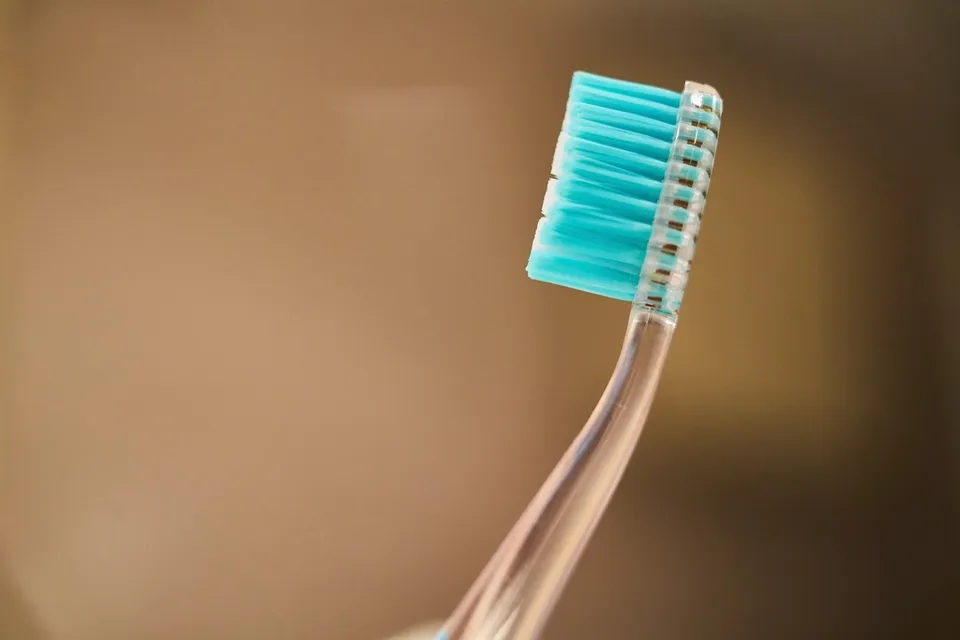
- Your toothbrush bristles splay out after a few weeks.
- Your gums look red, sore or are pulling back from the teeth.
- Your teeth feel sensitive to cold, especially near the gum line.
- You see notches or worn spots near the gums.
General information about consumer products, not dental advice. If your gums are receding, bleeding or your teeth are very sensitive, see a dentist to find the cause.
Many people think a harder scrub means cleaner teeth. It feels thorough, and the mouth feels fresh afterward. But brushing too hard, especially with a medium or hard brush, can do real damage over the years: worn enamel near the gum line, sensitive teeth and gums that slowly pull back from the teeth.
The good news is that fixing it is simple, and gentle brushing actually cleans just as well. This guide explains the signs that you're brushing too hard, why it happens, the damage it can cause, and how to change your technique and tools.
How do you know if you're brushing too hard?
| Sign | What it looks like |
|---|---|
| Frayed bristles | Bristles bent outward within a few weeks of a new brush |
| Sore or red gums | Tender gums after brushing, sometimes bleeding |
| Gum recession | Teeth look longer; you can see more of the root |
| Sensitivity | Sharp twinges with cold drinks or air, often near the gum line |
| Notches | Small V-shaped grooves or worn spots near the gums |
| Loud scrubbing | You can hear yourself scrubbing back and forth |
Why is brushing too hard a problem?
Plaque is soft; it doesn't need force to come off. It needs time and contact with the bristles. Extra pressure doesn't remove more plaque, but it does wear on the gums and on the softer root surface near the gum line. Over time, that can lead to:
- Gum recession, which exposes the root of the tooth.
- Tooth sensitivity, because exposed roots and worn enamel let hot and cold reach the nerve more easily.
- Abrasion near the gum line, sometimes called toothbrush abrasion.
- A higher risk of decay on exposed roots.
The American Dental Association recommends a soft-bristled toothbrush for most people and notes that brushing technique matters as much as the brush itself.
Why do people brush too hard?
- Believing harder means cleaner.
- Using a medium or hard brush.
- Gripping the brush in a fist, like holding a broom.
- Scrubbing side to side instead of gentle circles.
- Rushing: trying to make up for a short brushing time with force.
- Habit from childhood.
What is the right brushing technique?
- Choose a soft-bristled brush.
- Hold it lightly with your fingertips, like a pen, not in your fist.
- Angle the bristles at 45 degrees toward the gum line.
- Use short, gentle circles or small back-and-forth strokes, about the width of one tooth.
- Brush all surfaces: outside, inside and chewing surfaces.
- Brush for two minutes, about 30 seconds per quarter of your mouth.
- Let the bristles do the work. If the bristles bend flat against your teeth, you're pressing too hard.
The ADA's MouthHealthy recommends brushing twice a day for two minutes with gentle strokes. See our full guide on how to brush your teeth properly.
Is there a trick to brushing more gently?
Try holding the brush in your non-dominant hand for a few days. Most people naturally press less with the weaker hand, which helps reset the habit. Another trick: hold the brush with only three fingers. Or set a timer and focus on slowing down, giving each tooth a few seconds rather than scrubbing the whole mouth at speed.
Does an electric toothbrush help if you brush too hard?
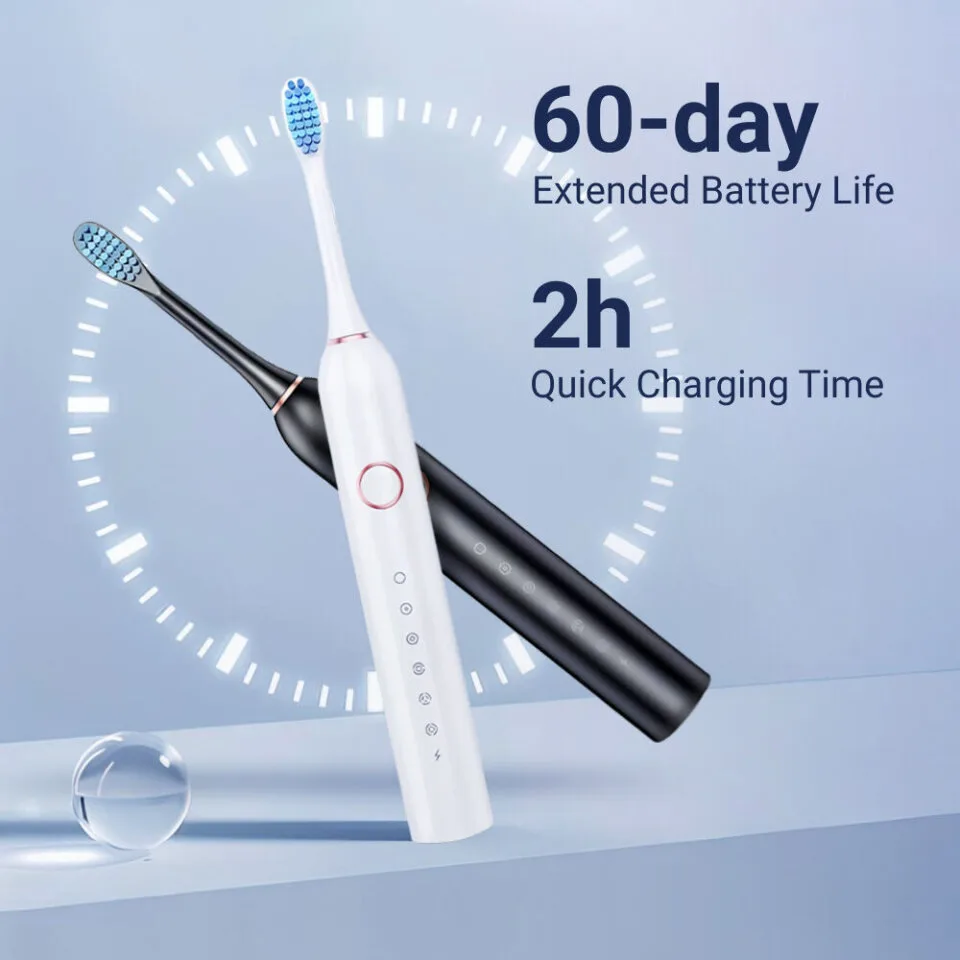
For many people, yes. With a sonic or electric toothbrush, the brush head does the movement, so your job is only to guide it slowly along the teeth and gums. That removes the urge to scrub. A Cochrane review found that powered toothbrushes reduce plaque and gum inflammation more than manual brushes in the short and long term.
The WellaWhite Sonic Toothbrush has six modes, including a Sensitive mode for gentler cleaning and a Whitening mode for surface stains. A smart timer helps you brush for the full two minutes, it comes with four brush heads, and the battery lasts up to 60 days per charge. It's sold at up to 75% off on the official site. Read our WellaWhite Sonic Toothbrush review and our comparison of electric vs manual toothbrushes.
Gentle, thorough brushing without scrubbing
WellaWhite Sonic Toothbrush: six modes including Sensitive, a smart timer, four brush heads and up to 60 days of battery. Up to 75% off on the official site.
Check today's price →Up to 75% off on the official site
How should you use an electric brush correctly?
- Don't scrub; hold the head against each tooth for a couple of seconds, then move on.
- Angle it toward the gum line.
- Use light pressure; just enough to keep the bristles in contact.
- Start with the Sensitive mode if your gums are tender.
- Replace the head every three months or when the bristles fray. See how often to replace your toothbrush.
Can damage from brushing too hard be reversed?
Gum tissue that has receded usually doesn't grow back on its own, and worn enamel doesn't regenerate. But gentle brushing stops the damage from getting worse, and sensitivity often improves with a desensitizing toothpaste and good habits. A dentist can treat significant recession or notches with fillings, bonding or gum procedures if needed. See receding gums and what causes sensitive teeth.
What else can wear down teeth?
- Acidic foods and drinks like soda, citrus and sports drinks soften enamel; wait about 30 to 60 minutes after them before brushing.
- Grinding or clenching, often at night.
- Very abrasive toothpastes or homemade scrubs like baking soda used too often.
- Using teeth as tools to open packages.
What if your gums bleed when you brush gently?
Bleeding with gentle brushing is often a sign of gum inflammation (gingivitis), not brushing too hard. Keep brushing gently and cleaning between teeth daily; bleeding usually improves within a week or two. If it doesn't, see a dentist. The NIDCR explains the early signs of gum disease. See how to stop bleeding gums.
Which habits protect your teeth and gums?
- Use a soft brush and gentle circles.
- Brush twice a day for two minutes.
- Clean between your teeth once a day.
- Rinse with water after acidic drinks; wait before brushing.
- Replace brush heads regularly.
- Get regular dental checkups.
How do you teach kids not to brush too hard?
Children often scrub hard because they think that's what "cleaning" means. Show them how to hold the brush with their fingertips, brush along with them, and use a two-minute song or timer so they slow down. A kids' electric toothbrush can also help by doing the movement for them. Check their brush: if the bristles splay quickly, they're pressing too hard.
Does toothpaste choice matter if you brush too hard?
It can. Toothpastes vary in how abrasive they are, and some whitening toothpastes and charcoal products are more abrasive than regular ones. Combined with hard brushing, a gritty paste wears teeth faster. If you've noticed sensitivity or worn spots, ask your dentist about a low-abrasion toothpaste or one made for sensitive teeth, and use only a pea-sized amount. Homemade scrubs, like baking soda or lemon, are best avoided for daily brushing.
Should you brush right after breakfast?
If breakfast includes acidic foods or drinks, like orange juice, citrus fruit or coffee, enamel is briefly softer afterward. Brushing hard at that moment can wear it more easily. Many dentists suggest brushing before breakfast, or waiting about 30 to 60 minutes after eating or drinking something acidic and rinsing with water in the meantime. Combined with a gentle technique, that small change protects your enamel over the years.
How do you know if grinding is the real problem?
Worn, flat or chipped biting edges, jaw soreness in the morning, headaches and a partner who hears grinding at night are signs of bruxism, not brushing. Notches near the gum line can come from either habit, or both. A dentist can tell the difference and may recommend a night guard, which protects teeth while you sleep.
How can you check your own pressure?
A simple test: brush one tooth on the back of your hand or a kitchen scale and notice how much pressure feels "normal" to you. Many people press with the weight of a full can of soda or more, when gentle brushing needs closer to the weight of an orange. Another easy check is your brush: if the bristles splay outward within a month, you're pressing too hard. Some electric toothbrushes have pressure sensors that warn you; with any brush, the goal is that the bristles stay upright and just touch the teeth and gums.
The bottom line
Brushing too hard can wear enamel near the gum line, cause sensitivity and contribute to gum recession. Signs include frayed bristles, sore gums and sensitivity. Switch to a soft brush, hold it lightly, use gentle circles at a 45-degree angle and brush for two minutes. A sonic toothbrush with a Sensitive mode does the work for you.
For gentle, thorough brushing, our pick is the WellaWhite Sonic Toothbrush. Check today's WellaWhite toothbrush price.
Sources
- American Dental Association. Toothbrushes.
- ADA MouthHealthy. Brushing Your Teeth.
- Cochrane. Powered versus manual toothbrushing for oral health.
- Official WellaWhite product page, checked October 2026.
Frequently asked questions
How do I know if I'm brushing my teeth too hard?
Frayed bristles within weeks, sore or red gums, gum recession, sensitivity near the gum line and small notches near the gums are common signs.
Can brushing too hard damage your teeth?
Yes. Over time it can wear the root surface and enamel near the gum line, cause sensitivity and contribute to gum recession.
What is the right way to brush your teeth?
Use a soft brush held lightly, angle it 45 degrees toward the gums, use gentle circles and brush all surfaces for two minutes twice a day.
Is an electric toothbrush better if you brush too hard?
Often, yes. The head does the movement, so you just guide it. A Sensitive mode, like on the WellaWhite Sonic Toothbrush, adds gentler cleaning.
Can gums grow back after brushing too hard?
Receded gums usually don't grow back on their own, but gentle brushing stops it getting worse. A dentist can treat significant recession.
Should I use a hard or soft toothbrush?
The ADA recommends a soft-bristled toothbrush for most people.

Michelle Hert
Michelle researches at-home oral care products, from whitening kits to water flossers, and reads the dental research and buyer feedback behind them so readers can make smarter choices. She is not a dentist, and her guides are not a substitute for professional dental care. Her guides are built on published research, manufacturer information and verified buyer feedback, and are updated when new information comes out. More about Michelle.