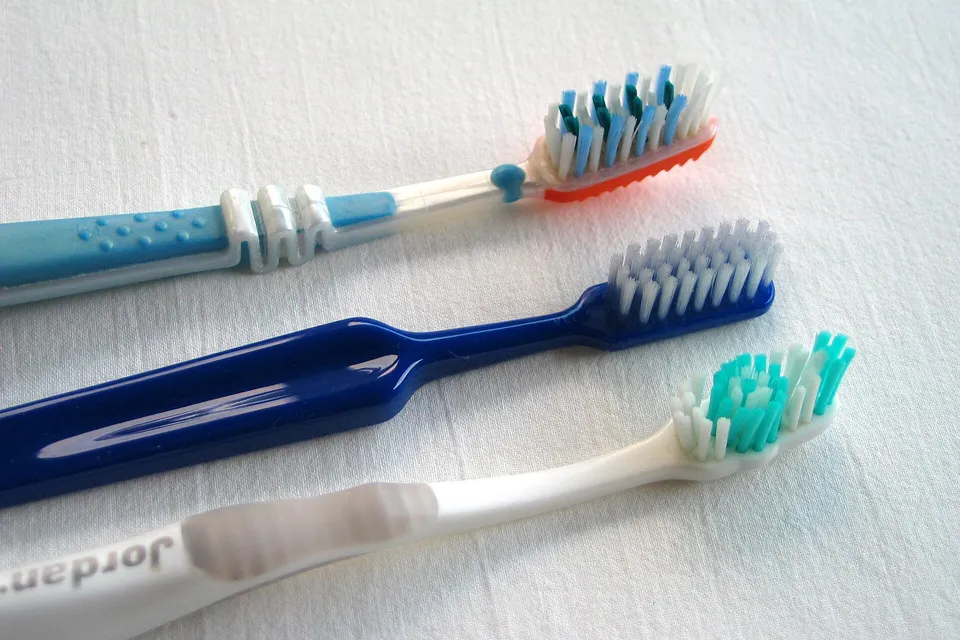
- Morning: brush for 2 minutes with fluoride toothpaste, clean your tongue, drink water.
- During the day: rinse with water after meals, coffee or sugary snacks; chew sugar-free gum if you can't brush.
- Night: clean between teeth (floss or water flosser), then brush for 2 minutes; don't eat afterward.
- Every 3 months: replace your toothbrush or brush head.
- Twice a year: dental cleaning and checkup, or as your dentist recommends.
General information about consumer products, not dental advice. If you have pain, bleeding gums, loose teeth or other concerns, see a dentist.
Most people know they should brush and floss, but daily routines often drift: brushing for 45 seconds instead of two minutes, skipping floss most nights, using the same toothbrush for a year. Small gaps add up to plaque buildup, bleeding gums, bad breath and stains. A clear, simple routine makes good oral care automatic.
This guide lays out a complete morning and evening routine, explains the role of each step, helps you choose the right tools, covers extras like whitening and mouthwash, and shows how to adjust the routine for braces, sensitive teeth and gum problems.
Why does a routine matter?
Plaque forms on teeth every day. If it isn't removed, it can lead to cavities and gum inflammation, and it hardens into tartar that only a dental professional can remove. The American Dental Association recommends brushing twice a day for two minutes with fluoride toothpaste and cleaning between teeth daily. A consistent routine is what keeps plaque under control.
What should you do in the morning?
- Brush for two minutes with fluoride toothpaste, covering outer, inner and chewing surfaces.
- Clean your tongue with a scraper or your brush.
- Rinse with water, or skip rinsing to leave a little fluoride on teeth.
- Drink a glass of water.
If you drink coffee, many people brush first, then drink coffee and rinse with water afterward. See how to clean your tongue.
What should you do during the day?
- Rinse with water after meals and snacks.
- Use a straw for iced coffee, soda and juice.
- Chew sugar-free gum after meals to boost saliva.
- Limit sipping sugary or acidic drinks over long periods.
- Choose tooth-friendly snacks like cheese, nuts, vegetables and plain yogurt.
What should you do at night?
- Clean between teeth with floss, a water flosser or interdental brushes.
- Brush for two minutes with fluoride toothpaste.
- Clean your tongue.
- Don't eat or drink anything but water afterward.
Night is the most important time, because saliva flow drops while you sleep. See is water flossing enough?
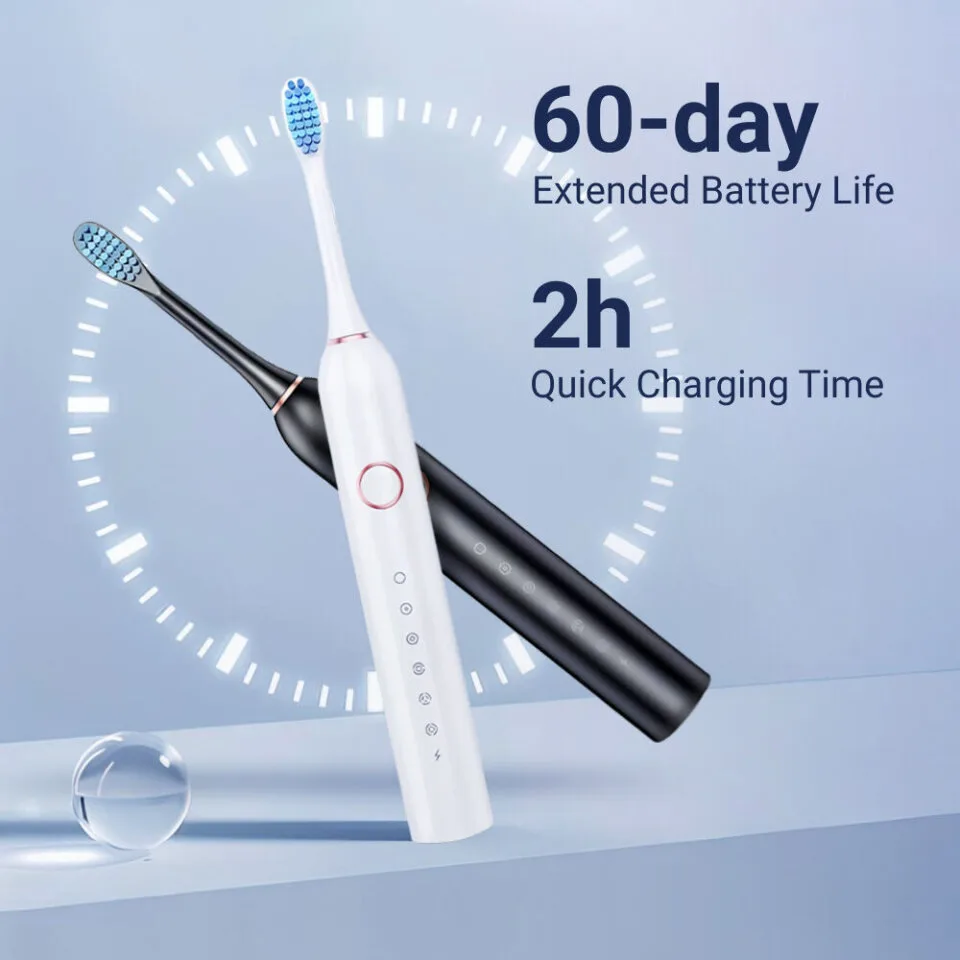
A brush that times your two minutes
WellaWhite Sonic Electric Toothbrush: 6 modes including Sensitive and Whitening, a smart timer, 4 brush heads and up to 60 days of battery. Up to 75% off on the official site.
Check today's price →Up to 75% off on the official site
Which tools do you need?
| Tool | Why |
|---|---|
| Soft-bristled or electric toothbrush | Removes plaque gently |
| Fluoride toothpaste | Strengthens enamel, helps prevent cavities |
| Floss or water flosser | Cleans between teeth |
| Tongue scraper | Helps with fresh breath |
| Optional: mouthwash | Extra freshness or fluoride, if recommended |
Is an electric toothbrush worth it?
Many people find electric brushes easier to use well. A Cochrane review found that powered toothbrushes reduced plaque and gingivitis more than manual brushes in the studies it reviewed (Yaacob et al., 2014). Built-in timers also help you brush for the full two minutes. See electric vs manual toothbrush and sonic vs oscillating.
What's the right brushing technique?
- Hold the brush at a 45-degree angle to the gumline.
- Use gentle, short strokes or let the electric brush do the work.
- Spend about 30 seconds on each quarter of the mouth.
- Don't scrub hard; pressure can wear enamel and gums.
See how to brush properly and brushing too hard.
String floss or water flosser?
The best tool is the one you'll use every day. String floss scrapes plaque off tooth sides; water flossers flush plaque and food and are easier for many people, especially with braces or dental work. The ADA lists both among interdental cleaners. See water flosser vs floss.
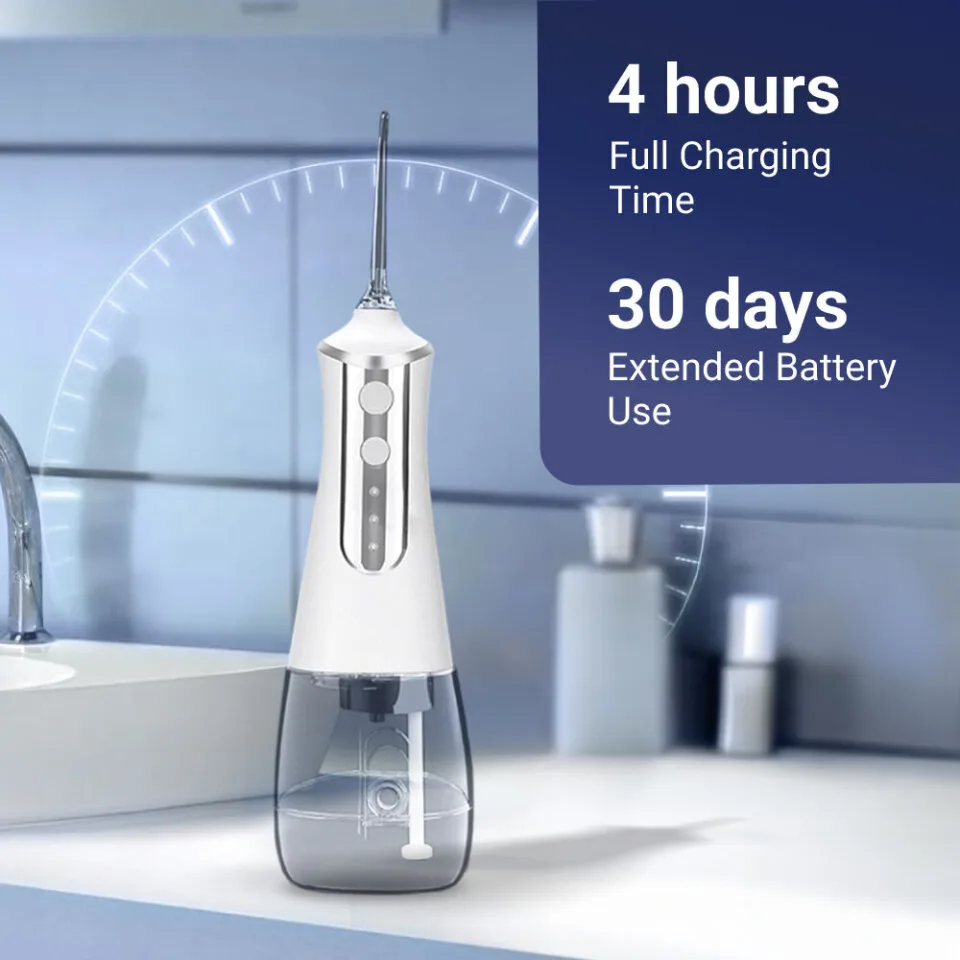
Make cleaning between teeth easy
WellaWhite Water Flosser: cordless and rechargeable, with 3 cleaning modes and interchangeable nozzles. Braces-friendly. Up to 75% off on the official site.
Check today's price →Up to 75% off on the official site
Do you need mouthwash?
Mouthwash is optional. Fluoride rinses can help some people prevent cavities, and some rinses help with breath. Mouthwash doesn't replace brushing or flossing. If you use one, ask your dentist which type suits you, and avoid alcohol-based rinses if you have dry mouth.
Where does whitening fit in?
Whitening is an extra, not part of daily care. A good plan: keep teeth clean with your daily routine, do an at-home whitening course when you want a brighter smile, then short touch-ups every few months. A purple foam can give an instant boost on special days. See how to whiten teeth at home.
How often should you replace things?
- Toothbrush or brush head: every three to four months, or sooner if bristles fray.
- Water flosser tip: every three to six months.
- Tongue scraper: plastic every few months; stainless steel lasts much longer.
See how often to replace a toothbrush.
How do you adjust the routine?
| Situation | Adjustments |
|---|---|
| Braces | Water flosser with orthodontic tip; brush after meals |
| Sensitive teeth | Sensitivity toothpaste, soft brush, gentle mode |
| Bleeding gums | Daily cleaning between teeth, gentle brushing, see a dentist if it continues |
| Implants or bridges | Water flosser and dentist-recommended tools |
| Dry mouth | More water, sugar-free gum, alcohol-free rinse |
How often should you see the dentist?
Many people see their dentist every six months for a cleaning and exam, though your dentist may recommend more often if you have gum disease or other risks. Regular visits catch problems early and remove tartar you can't remove at home. The NIDCR notes that regular dental care is important for preventing and treating gum disease.
How do you make the routine stick?
- Keep tools visible next to the sink.
- Pair flossing with another nightly habit, like washing your face.
- Use a brush with a timer.
- Track your streak for the first month.
- Pack a travel kit so you don't skip on trips.
Which WellaWhite tools fit the routine?
The WellaWhite Sonic Electric Toothbrush has 6 modes including Sensitive and Whitening, a smart timer, 4 brush heads and up to 60 days of battery. The WellaWhite Water Flosser is cordless, with 3 modes and interchangeable nozzles. Both are often discounted on the official site. Read our Sonic Toothbrush review and Water Flosser review.
What are common myths?
- "Brushing harder cleans better." Gentle brushing is safer and effective.
- "Mouthwash replaces flossing." It doesn't remove plaque between teeth.
- "Once a day is enough." Brush twice a day.
- "Bleeding gums mean stop flossing." Gentle daily cleaning usually helps.
What does a routine look like for kids?
Kids need the same basics, adapted to their age: brushing twice a day with the amount of fluoride toothpaste their dentist recommends, help or supervision from a parent until they brush well alone, and daily cleaning between teeth once teeth touch. Make it fun with a two-minute song or timer, and keep sugary drinks to mealtimes. See water flossers for kids.
How do you keep the routine when traveling?
Pack a travel toothbrush or your electric brush with a charger, a small fluoride toothpaste, floss picks or a cordless water flosser and a tongue scraper. On long flights, drink water and chew sugar-free gum. Many people skip flossing on vacation, but keeping it up helps avoid bleeding gums and bad breath when you get home.
How much time does it take?
A complete routine takes about five to six minutes a day: two minutes of brushing twice a day, one to two minutes of flossing or water flossing, and less than a minute for your tongue. That small investment helps prevent cavities, gum problems and expensive treatments later.
How should older adults adjust?
As we age, gum recession, dry mouth and dental work like bridges and implants become more common. A soft or electric brush, a water flosser, fluoride toothpaste and plenty of water help. People with arthritis may find electric brushes and cordless water flossers easier to handle than manual tools.
Is there anything to do weekly?
Once a week, check your gums in the mirror for redness or swelling, clean your water flosser reservoir and toothbrush holder, and look at your toothbrush bristles. It's also a good time to check your shade if you've recently whitened. These quick checks help you spot problems early and keep your tools clean.
Build these steps into your mornings and evenings, and a healthy, bright smile becomes something you barely have to think about.
The bottom line
A great oral care routine is simple: brush for two minutes morning and night with fluoride toothpaste, clean between teeth every night, clean your tongue, rinse with water during the day and see your dentist regularly. The right tools, like an electric toothbrush with a timer and a water flosser, make it easier to stick to every day.
Our pick for daily brushing is the WellaWhite Sonic Toothbrush. Check today's WellaWhite Sonic Toothbrush deal.
Sources
- American Dental Association. Toothbrushes.
- American Dental Association. Floss.
- Yaacob M. et al. Powered versus manual toothbrushing for oral health. Cochrane Database of Systematic Reviews, 2014.
- National Institute of Dental and Craniofacial Research. Gum Disease.
Frequently asked questions
What is a good daily oral care routine?
Brush twice a day for two minutes, clean between teeth daily, clean your tongue and see your dentist regularly.
Should I floss before or after brushing?
Many dentists suggest cleaning between teeth before brushing at night.
Is an electric toothbrush better?
Studies reviewed by Cochrane found powered brushes reduced plaque more than manual ones.
Do I need mouthwash?
It's optional and doesn't replace brushing or flossing.
How often should I replace my toothbrush?
Every three to four months, or sooner if bristles fray.
How often should I see a dentist?
Often every six months, or as your dentist recommends.

Michelle Hert
Michelle researches at-home oral care products, from whitening kits to water flossers, and reads the dental research and buyer feedback behind them so readers can make smarter choices. She is not a dentist, and her guides are not a substitute for professional dental care. Her guides are built on published research, manufacturer information and verified buyer feedback, and are updated when new information comes out. More about Michelle.