
- Start on the lowest setting and stay there for the first week or two.
- Use lukewarm water, never cold.
- Aim at the gumline at a 90-degree angle and move slowly.
- Expect some bleeding at first if gums are inflamed; it usually improves with daily use.
- See a dentist if bleeding, pain or swelling lasts beyond two weeks.
General information about consumer products, not dental advice. Sensitive, bleeding or swollen gums can be a sign of gum disease; talk to your dentist.
If your gums feel sore or bleed when you floss, it's tempting to stop. But skipping cleaning between teeth often makes gum sensitivity worse, because plaque keeps irritating the gum tissue. Many people with sensitive gums find a water flosser more comfortable than string floss, since there's no thread snapping against the gums. This guide explains why gums get sensitive, how to use a water flosser gently, what's normal and when to see a dentist.
Why are my gums sensitive?
- Gingivitis: plaque along the gumline causes inflammation, redness and bleeding.
- Brushing too hard or using hard bristles.
- Gum recession exposing sensitive root surfaces.
- Hormonal changes, such as during pregnancy.
- New dental work or braces.
- Certain medications or health conditions.
The NIDCR explains that gum disease often starts as gingivitis, which is reversible with good daily care. See gum disease signs and swollen gums.
Why can a water flosser feel gentler?
String floss can snap down onto tender gums, and some people find it hard to control. A water flosser uses a pulsing stream instead, which can be adjusted to a soft setting. The ADA's MouthHealthy notes that water flossers can be a good option for people who have trouble flossing. See water flosser vs floss.
How do you water floss with sensitive gums?
- Fill the tank with lukewarm water.
- Choose the gentlest mode.
- Lean over the sink and close your lips around the tip.
- Aim the tip at the gumline at about 90 degrees.
- Glide slowly, pausing briefly between teeth.
- Take about one minute for your whole mouth.
- Increase the setting only after gums feel comfortable for several days.
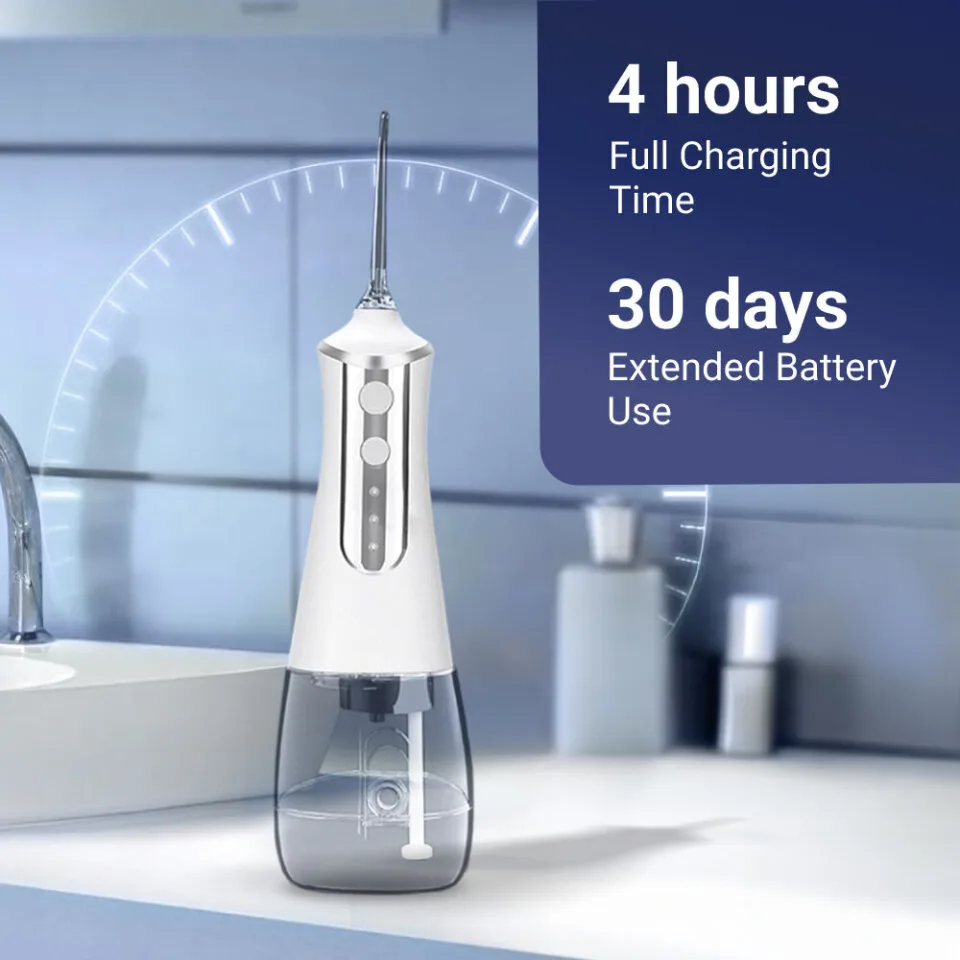
A gentle way to clean between teeth
WellaWhite Water Flosser: cordless, 3 modes including gentle settings, interchangeable nozzles, braces-friendly. Up to 75% off on the official site.
Check today's price →Up to 75% off on the official site
Why the WellaWhite Water Flosser?
The WellaWhite Water Flosser is cordless and rechargeable, with three modes so you can start gentle and work up as your gums adjust. Interchangeable nozzles and a compact design make it easy to use daily. Read our WellaWhite Water Flosser review and water flosser pressure settings.
Is bleeding normal?
Some bleeding in the first one to two weeks is common if gums are inflamed. It's often a sign that plaque has been sitting along the gumline. With daily cleaning, inflammation usually decreases and bleeding stops. If bleeding is heavy or continues beyond two weeks, see your dentist. See how to stop bleeding gums.
What's a gentle gum-care routine?
| Step | Tip |
|---|---|
| Water floss once a day | Gentle mode, lukewarm water |
| Brush twice a day | Soft bristles, light pressure, 45-degree angle |
| Toothpaste | Fluoride; sensitivity formula if teeth are sensitive |
| Rinse | Warm salt water if your dentist suggests it |
| Dental visits | Regular cleanings to remove tartar |
See how to improve gum health.
Which toothbrush is best for sensitive gums?
A soft-bristled brush used with light pressure. An electric toothbrush with a sensitive mode can help avoid scrubbing. See can an electric toothbrush damage gums?
What if gums are receding?
Receding gums expose sensitive roots. Use the lowest flosser setting, aim gently at the gumline and avoid brushing hard. Your dentist can check the cause and suggest treatment. See receding gums.
What about pregnancy gingivitis?
Hormonal changes in pregnancy can make gums swollen and bleed more easily. Gentle daily cleaning helps, and dental checkups during pregnancy are important. Ask your dentist about safe care.
When should you see a dentist?
- Bleeding lasts more than two weeks.
- Gums are very swollen, painful or pulling away from teeth.
- You notice pus, loose teeth or persistent bad breath.
- Pain is sharp or in one spot.
How long until gums feel better?
Many people notice less bleeding and tenderness within one to two weeks of gentle daily cleaning, as inflammation calms down. Healthy gums look pink and firm rather than red and puffy. If you don't see improvement after two weeks, or symptoms get worse, book a dental visit.
Does a salt water rinse help?
A warm salt water rinse (about half a teaspoon of salt in a cup of warm water) can soothe sore gums for some people. Swish gently and spit. It's a comfort measure, not a treatment for gum disease. Ask your dentist whether it's right for you.
Which mouthwash is best for sensitive gums?
Alcohol-free mouthwashes are usually gentler on tender tissue. Some contain ingredients aimed at gum health. Mouthwash doesn't replace brushing and flossing; use it as an extra if you like it.
What about red light devices?
Some people add at-home red light devices to their gum-comfort routine. Research on red light (photobiomodulation) for gums is growing, mostly as a complement to professional care. See red light therapy for gums.
Can diet affect gum sensitivity?
A balanced diet with plenty of fruits and vegetables supports gum health, and vitamin C is important for healthy gums. Frequent sugary snacks feed plaque bacteria. Drink water through the day and limit sugary drinks.
Does smoking affect gums?
Yes. Smoking raises the risk of gum disease and can hide early warning signs like bleeding. Quitting helps gums heal. Talk to your dentist or doctor about support.
What mistakes should you avoid?
- Stopping flossing because gums bleed.
- Starting on high pressure.
- Using cold water.
- Brushing hard with medium or hard bristles.
- Ignoring symptoms that last more than two weeks.
What about sensitive gums around braces or implants?
Gums around brackets and implants can be tender, especially after adjustments or placement. Use the gentlest setting, aim carefully at the gumline and follow your orthodontist's or dentist's instructions. See water flosser for braces and water flosser for implants.
Should you still use string floss?
If string floss works for you without hurting, you can keep using it, or use both tools. Many people with sensitive gums prefer a water flosser for daily use and string floss occasionally for tight contacts. The best tool is the one you'll use every day.
Which tip should you use?
A standard jet tip is fine for most people. Some flossers include softer or specialized tips for gum pockets or implants. Replace tips every few months or when they show wear. See how to clean a water flosser.
When is the best time to floss?
Once a day, often at night before brushing, when you have time to go slowly. See water flosser before or after brushing.
Can kids with sensitive gums use a flosser?
Yes, on the lowest setting with supervision. Many kids find water flossing more fun than string floss.
What's a gentle-gums checklist?
- Lowest setting, lukewarm water.
- Tip at the gumline, slow pace.
- Soft toothbrush with light pressure.
- Daily routine, even if gums bleed a little at first.
- Dental visit if symptoms last beyond two weeks.
Do dental cleanings help sensitive gums?
Yes. Tartar along and below the gumline can't be removed at home and keeps irritating gums. A professional cleaning removes it, which often helps gums calm down. Gums may feel tender for a day or two after a deep cleaning; continue gentle water flossing as your dentist advises.
Can stress affect gums?
Stress can affect immune response and habits like brushing, sleep and diet, which may influence gum health. Keeping a simple, consistent routine helps during busy times.
Why do gums get sensitive at certain times?
Hormonal changes during puberty, menstrual cycles, pregnancy and menopause can make gums more reactive. Gentle daily cleaning and regular dental visits help manage this.
What's the takeaway?
Keep cleaning between your teeth, gently and every day. A water flosser on a low setting makes it comfortable, and healthier gums usually follow.
What should first-time users expect?
The first few sessions feel unusual: a pulsing stream, a little splashing and maybe some bleeding. By the end of the first week, most people get the hang of it and gums feel cleaner. Keep the setting low until it feels routine.
Is a water flosser worth it for sensitive gums?
If it gets you cleaning between teeth every day comfortably, yes. Daily cleaning is what helps gums recover.
Can you keep the routine while traveling?
Yes. A cordless flosser packs easily. See water flosser for travel.
Should you brush less if gums are sore?
No. Keep brushing twice a day, just gently, with a soft brush. Plaque left behind keeps gums sore.
Does a clean flosser matter for gums?
Yes. Empty and dry the tank after each use so bacteria don't grow.
The bottom line
A water flosser on a gentle setting with lukewarm water is a comfortable way to clean between teeth when gums are sensitive. Some early bleeding is common and usually improves with daily use; see a dentist if it doesn't.
For gentle daily flossing, our pick is the WellaWhite Water Flosser. Check today's WellaWhite Water Flosser price.
Sources
- National Institute of Dental and Craniofacial Research. Gum Disease.
- ADA MouthHealthy. Water Flossers.
- Official WellaWhite product page, checked October 2026.
Frequently asked questions
Is a water flosser good for sensitive gums?
Many people find it gentler than string floss, especially on a low setting.
Why do my gums bleed when I water floss?
Inflamed gums often bleed at first; it usually improves within two weeks.
What setting should I use for sensitive gums?
The lowest setting with lukewarm water.
Should I stop flossing if my gums bleed?
No, gentle daily cleaning usually helps gums heal; see a dentist if it lasts.
Can a water flosser help gingivitis?
Daily cleaning between teeth helps reduce plaque that causes gingivitis.
When should I see a dentist about sensitive gums?
If bleeding, swelling or pain lasts more than two weeks.

Michelle Hert
Michelle researches at-home oral care products, from whitening kits to water flossers, and reads the dental research and buyer feedback behind them so readers can make smarter choices. She is not a dentist, and her guides are not a substitute for professional dental care. Her guides are built on published research, manufacturer information and verified buyer feedback, and are updated when new information comes out. More about Michelle.