
- Gum disease from plaque buildup.
- Brushing too hard or with a hard-bristled brush.
- Genetics and naturally thin gums.
- Teeth grinding, misaligned teeth, and tobacco use.
General information, not dental advice. Receding gums can be a sign of gum disease. If you notice gums pulling back, bleeding, loose teeth or new sensitivity, see a dentist for an exam.
Maybe your teeth look a little longer than they used to. Maybe you've noticed a notch near the gumline, or a sudden twinge when you drink something cold. These are common signs of receding gums, a problem that often develops slowly and without pain, which is why many people don't notice it until it's well underway.
This guide explains what receding gums are, what causes them, the warning signs, what you can do at home to protect your gums, what dentists can do, and the habits that help prevent further recession.
What are receding gums?
Gum recession is when the gum margin, the edge of the gum around each tooth, moves down (or up, on the upper teeth) and exposes more of the tooth. In some cases, part of the root becomes visible. Roots aren't covered by hard enamel like the crown of the tooth, so exposed roots can be more sensitive and more vulnerable to wear and decay.
Recession can affect one tooth or several, and it often progresses gradually over years.
What causes receding gums?
| Cause | How it contributes |
|---|---|
| Gum disease (periodontitis) | Infection and inflammation damage the gum and the bone that supports teeth. |
| Brushing too hard | Aggressive scrubbing or hard bristles can wear gum tissue away. |
| Genetics | Some people naturally have thinner gum tissue. |
| Teeth grinding or clenching | Excess force on teeth may contribute to recession. |
| Misaligned teeth or bite | Teeth positioned outside the bone may have thinner gum coverage. |
| Tobacco use | Linked with gum disease and poorer healing. |
| Lip or tongue piercings | Jewelry can rub against gums. |
| Hormonal changes and age | Can make gums more vulnerable; recession becomes more common with age. |
The National Institute of Dental and Craniofacial Research explains that gum disease is usually caused by plaque buildup and that, in advanced stages, gums can pull away from the teeth. Learn more in the signs of gum disease.
What are the signs of receding gums?
- Teeth that look longer than before.
- A visible notch or ridge near the gumline where enamel meets root.
- New sensitivity to cold, heat, sweets or brushing.
- Darker or yellowish areas near the gumline, where the root is exposed.
- Gaps between teeth that seem larger or "black triangles" between front teeth.
- Bleeding, swollen or tender gums, which may point to gum disease.
- Loose teeth in more advanced cases.
Can receding gums grow back?
No. Once gum tissue has receded, it doesn't regenerate on its own, and no toothpaste, oil, rinse or gadget can make it grow back. Be cautious of products that claim otherwise. What you can do is protect the gum you have and stop recession from progressing, which is very worthwhile. And when recession is significant, dentists and periodontists have procedures that can cover exposed roots.
How can you stop receding gums from getting worse?
- See a dentist to find the cause. If gum disease is involved, professional treatment comes first.
- Brush gently. Use a soft-bristled or gentle electric brush, light pressure and small strokes, angled toward the gumline.
- Clean between your teeth daily with floss, interdental brushes or a water flosser, to control plaque where gum disease starts.
- Use fluoride toothpaste, and a sensitivity toothpaste if exposed roots are sensitive.
- Stop smoking or vaping, which harms gum health.
- Ask about a night guard if you grind or clench your teeth.
- Keep up with professional cleanings to remove tartar, which you can't remove at home.
Why does brushing technique matter so much?
Many people with receding gums are actually very diligent brushers who simply brush too hard. Scrubbing back and forth with firm pressure, especially with a medium or hard brush, can wear gum tissue and enamel at the gumline over time. The fix is a gentler technique:
- Hold the brush with a light grip, like a pencil.
- Angle the bristles about 45 degrees toward the gumline.
- Use small, gentle movements, or let an electric brush do the work.
- Brush for two minutes twice a day, not harder or longer.
The ADA's MouthHealthy site emphasizes good daily brushing and cleaning between teeth as the foundation of healthy gums. See how to brush your teeth properly.
Can an electric toothbrush help with receding gums?
An electric toothbrush can't reverse recession, but it can help you clean thoroughly without scrubbing, which is exactly what receding gums need. Sonic brushes clean with light pressure, and a built-in timer keeps you from rushing or overdoing it.
The WellaWhite Sonic Toothbrush has six modes, including a Sensitive mode for tender gums and exposed roots, a smart timer, four brush heads and up to 60 days of battery. It's a comfortable way to brush gently and consistently, and it's often available with discounts of up to 75% on the official site. Read our full WellaWhite Sonic Toothbrush review.
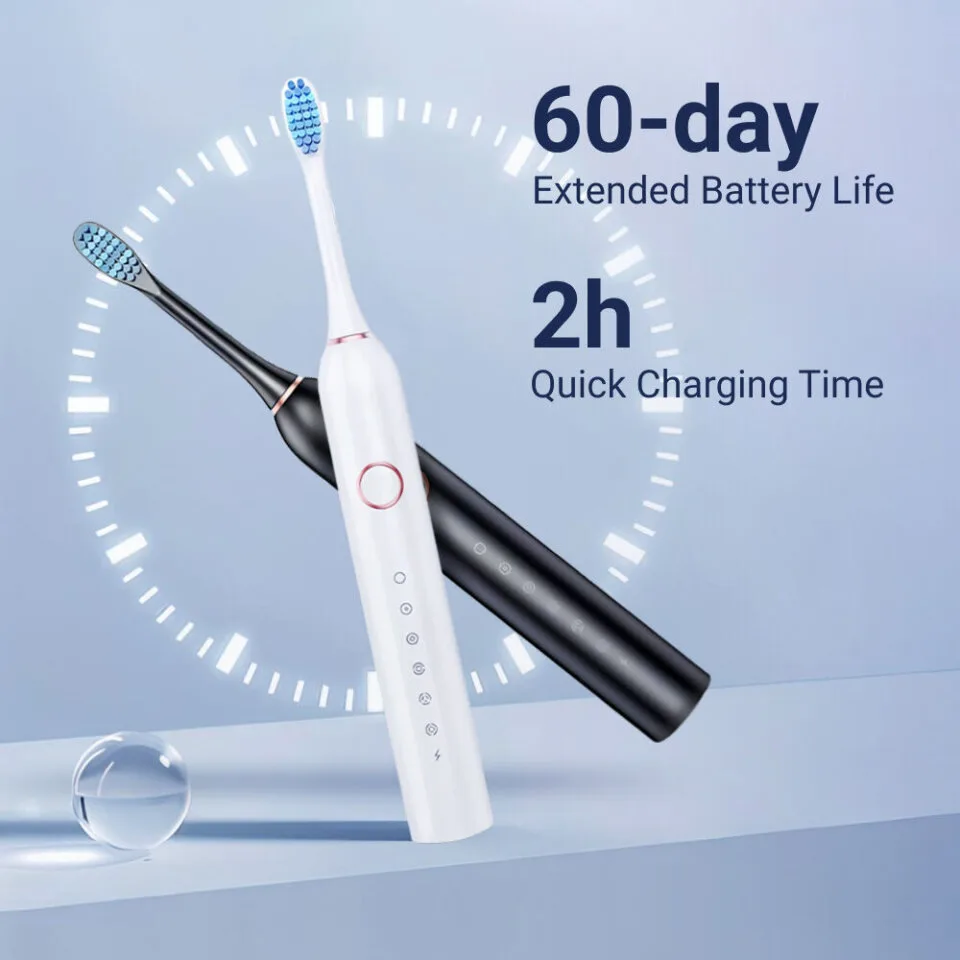
Brush gently along the gumline
WellaWhite Sonic Toothbrush: 6 modes including Sensitive, smart timer, 4 brush heads and up to 60 days of battery. Up to 75% off on the official site.
Check today's price →Up to 75% off on the official site
Should you still floss if your gums are receding?
Yes. Cleaning between your teeth is one of the most important things you can do, because plaque between teeth drives gum disease. If string floss feels uncomfortable around receded areas, try interdental brushes for larger gaps or a water flosser on a gentle setting. A water flosser can be especially comfortable for tender gums. See water flosser vs floss and our WellaWhite Water Flosser review.
How do you deal with sensitivity from exposed roots?
Exposed roots often feel sensitive to cold drinks, sweets or brushing. To ease it:
- Use a sensitivity toothpaste twice a day; it often takes a couple of weeks to work.
- Brush gently with a soft or sensitive-mode brush.
- Limit acidic foods and drinks, and don't brush right after them.
- Ask your dentist about in-office fluoride varnish or bonding over exposed roots.
See what causes sensitive teeth for more.
What can a dentist do for receding gums?
| Treatment | What it does |
|---|---|
| Professional cleaning | Removes plaque and tartar above the gumline. |
| Scaling and root planing | A deep cleaning below the gumline for gum disease. |
| Bonding or fluoride varnish | Covers or protects sensitive exposed roots. |
| Gum grafts | A periodontist moves or adds tissue to cover exposed roots. |
| Other periodontal procedures | Various techniques to reposition gum tissue in suitable cases. |
| Night guard or orthodontics | Addresses grinding or tooth position that may contribute. |
Your dentist or periodontist will recommend options based on how much recession you have and what's causing it.
What doesn't work for receding gums?
- Oil pulling, essential oils or herbal pastes to "regrow" gums. There's no good evidence that they regenerate gum tissue.
- Brushing harder to "clean better." It can make recession worse.
- Mouthwash alone instead of brushing and cleaning between teeth.
- Ignoring it because it doesn't hurt. Recession often progresses silently.
Do red light devices help receding gums?
Red and near-infrared light therapy is being studied as an add-on to professional periodontal care for gum comfort and healing. It doesn't regrow receded gums, and it isn't a substitute for treatment. Some people use an at-home device as an extra step in a complete routine after talking with their dentist. See red light therapy for gums.
Can you whiten teeth if your gums are receding?
Talk to your dentist first. Exposed roots can be more sensitive to whitening gels, and roots don't whiten the same way enamel does, so results may look uneven near the gumline. If your dentist gives the go-ahead, choose a gentle kit, use shorter sessions and keep gel off the gums. For a peroxide-free option, a purple color-correcting foam gives an instant brighter look without whitening gel. See teeth whitening for sensitive teeth.
How can you prevent receding gums?
- Brush gently twice a day with a soft or sonic brush.
- Clean between your teeth every day.
- Don't smoke or vape.
- Protect your teeth from grinding with a night guard if needed.
- Replace your brush or brush head every three to four months. See how often to replace your toothbrush.
- Get regular checkups so early recession and gum disease are caught early.
When should you see a dentist?
Book an appointment if you notice teeth looking longer, new sensitivity near the gumline, bleeding or swollen gums, bad breath that doesn't go away, or teeth that feel loose or are shifting. Early treatment of gum disease gives the best chance of keeping your gums and teeth healthy. See how to stop bleeding gums.
What does a gum-friendly daily routine look like?
A simple routine protects receding gums better than any single product. In the morning, brush for two minutes with a soft or sonic brush on a gentle setting, using fluoride or sensitivity toothpaste. In the evening, clean between your teeth first, then brush again. Rinse with water after acidic drinks instead of brushing right away. Once a week, take a quick look at your gumline in good light and note any changes in a phone photo, so you and your dentist can track whether recession is stable.
The bottom line
Receding gums don't grow back on their own, but you can usually stop them from getting worse. Find the cause with your dentist, treat gum disease if it's present, brush gently, clean between your teeth daily and protect against grinding and tobacco. For significant recession, procedures like gum grafts can cover exposed roots.
For gentle daily brushing, our pick is the WellaWhite Sonic Toothbrush with its Sensitive mode. Check today's WellaWhite Sonic Toothbrush offer.
Sources
- National Institute of Dental and Craniofacial Research. Gum Disease.
- American Dental Association, MouthHealthy. Gum Disease.
Frequently asked questions
Can receding gums grow back?
No. Receded gum tissue doesn't regenerate on its own, but you can usually stop recession from getting worse, and dentists can cover roots with grafts.
What is the main cause of receding gums?
Gum disease from plaque buildup and brushing too hard are common causes; genetics, grinding, tobacco and misaligned teeth also play a role.
Can an electric toothbrush cause receding gums?
Used gently, an electric brush can help, because it cleans with light pressure; scrubbing hard with any brush can harm gums.
How do I stop my gums from receding further?
See a dentist, treat gum disease, brush gently, clean between teeth daily, avoid tobacco and use a night guard if you grind.
Why are my teeth sensitive near the gumline?
Exposed roots lack enamel and can feel sensitive; a sensitivity toothpaste and gentle brushing usually help.
When should I see a dentist about receding gums?
As soon as you notice teeth looking longer, new sensitivity, bleeding gums or loose teeth.

Michelle Hert
Michelle researches at-home oral care products, from whitening kits to water flossers, and reads the dental research and buyer feedback behind them so readers can make smarter choices. She is not a dentist, and her guides are not a substitute for professional dental care. Her guides are built on published research, manufacturer information and verified buyer feedback, and are updated when new information comes out. More about Michelle.