- Brush gently twice a day for two minutes, angling the bristles toward the gum line.
- Clean between your teeth once a day with floss or a water flosser.
- Rinse with warm salt water or an antiseptic mouthwash if your dentist recommends it.
- Quit tobacco and limit sugary snacks and drinks.
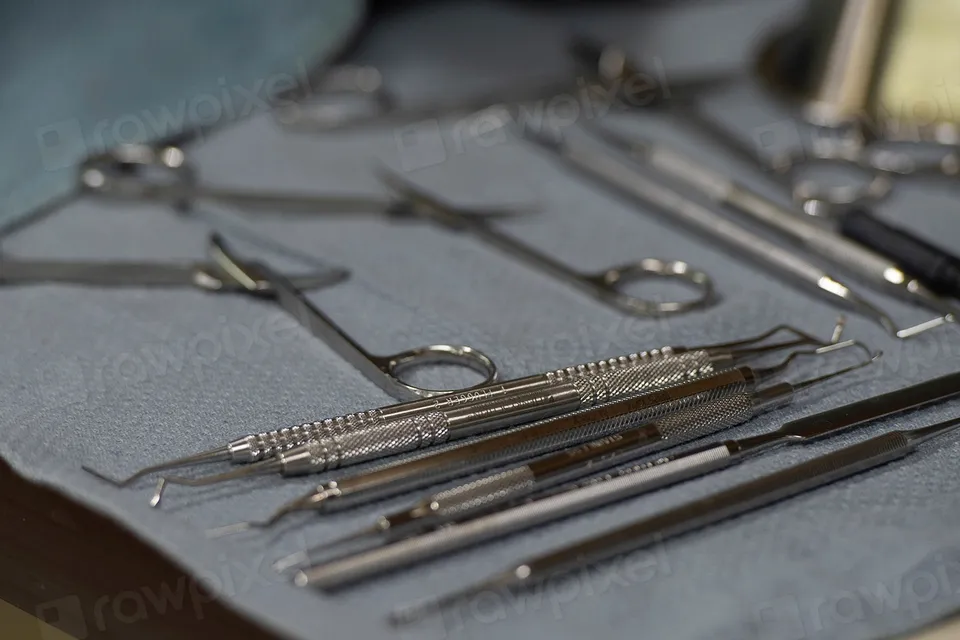
- See a dentist for a cleaning; tartar can't be removed at home.
General information about consumer products, not dental advice. Gingivitis can progress to periodontitis, which damages the bone around teeth. See a dentist if bleeding continues, gums recede, teeth feel loose or you have persistent bad breath.
Gums that bleed when you brush, look red or puffy, or feel tender are often showing signs of gingivitis. It's extremely common; many adults have some gum inflammation at some point. The encouraging part is that gingivitis is the reversible stage of gum disease. With the right daily routine and a professional cleaning, gums can return to a healthy pink and stop bleeding.
This guide explains what gingivitis is, how to recognize it, what you can do at home, what to expect from a dentist, how new tools like water flossers and red light devices fit in, and how to keep it from coming back.
What is gingivitis?
Gingivitis is inflammation of the gums caused by plaque, a sticky film of bacteria that forms on teeth every day. When plaque isn't removed, especially along the gum line and between teeth, the gums react by becoming red, swollen and prone to bleeding. The National Institute of Dental and Craniofacial Research explains that gingivitis is the mildest form of gum disease and can usually be reversed with daily brushing and flossing and regular professional cleanings.
What are the signs of gingivitis?
- Gums that bleed when brushing or flossing.
- Red, puffy or swollen gums instead of firm and pink.
- Tender gums.
- Bad breath that keeps coming back.
- Gums that look slightly shiny along the edges.
Gingivitis often isn't painful, which is why many people ignore it. See signs of gum disease and swollen gums.
How is gingivitis different from periodontitis?
| Gingivitis | Periodontitis | |
|---|---|---|
| What's affected | Gums only | Gums, ligaments and bone |
| Signs | Bleeding, redness, swelling | Receding gums, pockets, loose teeth, persistent bad breath |
| Reversible? | Usually yes, with good care | Can be managed, but bone loss doesn't fully reverse |
| Treatment | Cleaning + daily home care | Deep cleaning, ongoing periodontal care |
How should you brush to treat gingivitis?
- Use a soft brush or a sonic toothbrush on a gentle mode.
- Angle the bristles at 45 degrees toward the gum line, where plaque collects.
- Use small, gentle circles; don't scrub. See brushing too hard.
- Brush for two full minutes, twice a day.
- Don't avoid bleeding areas: gentle cleaning is what helps them heal.
- Use fluoride toothpaste; your dentist may suggest one formulated for gum health.
A Cochrane review found that powered toothbrushes reduce plaque and gum inflammation more than manual brushes.
Why is cleaning between teeth so important?
A toothbrush can't reach the spaces between teeth, where gingivitis often starts. Clean those spaces once a day with string floss, a water flosser or interdental brushes. If floss is uncomfortable on inflamed gums, a water flosser on a low setting is a gentler option. See water flosser vs floss and how often to use a water flosser.
Do rinses and mouthwash help?
An antiseptic mouthwash recommended by your dentist can help reduce plaque bacteria as part of your routine. A warm salt water rinse (half a teaspoon of salt in a cup of warm water) can soothe sore gums. Rinses help, but they don't remove plaque on their own: brushing and cleaning between teeth do the main work.
Where does red light therapy fit in?
Red and near-infrared light, called photobiomodulation in research, has been studied as a complement to standard periodontal care. A 2024 systematic review and meta-analysis in PubMed suggested that photobiomodulation may be a useful add-on to basic periodontal therapy, while noting that research is ongoing. It's an extra, not a replacement for brushing, flossing and professional cleanings.
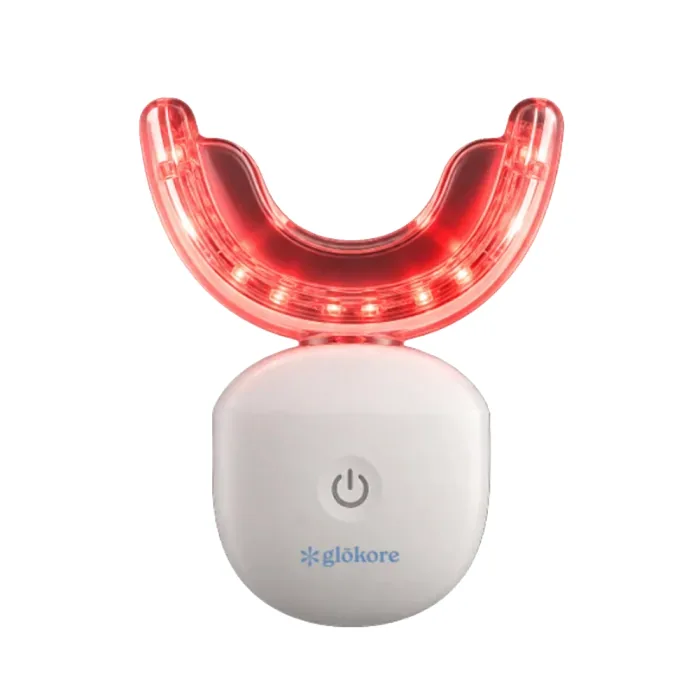
Glokore OralCare Plus is a cordless LED mouthpiece with red, blue and near-infrared light for a daily gum-comfort and fresh-breath routine. You place it over your teeth, press one button and relax during the session, following the brand's instructions. It's designed to be used alongside your regular routine. The brand reports strong customer ratings; those are the brand's own figures, so treat them as encouraging rather than clinical proof. It's sold at up to 70% off with code ORALCARE26. Read our Glokore review (4.3/5).
A modern add-on to your gum-care routine
Glokore OralCare Plus: cordless red, blue and near-infrared light mouthpiece for daily gum comfort and fresh breath, used with brushing and flossing. Up to 70% off with code ORALCARE26.
Check today's price →Up to 70% off with code ORALCARE26
Why do you still need a dentist?
Once plaque hardens into tartar, it can't be removed by brushing or flossing. Tartar along and under the gum line keeps the gums inflamed. A professional cleaning removes it so your home care can work. Your dentist can also check whether gingivitis has progressed to periodontitis, which needs more treatment. The ADA's MouthHealthy recommends regular dental visits to catch gum disease early.
What raises the risk of gingivitis?
- Skipping brushing or flossing.
- Smoking or vaping, which also hides bleeding.
- Diabetes, especially if not well controlled.
- Hormonal changes: pregnancy, puberty, menopause.
- Dry mouth from medications or mouth breathing.
- Crowded teeth, braces or dental work that's hard to clean around.
- Stress and poor nutrition.
How long does it take to reverse gingivitis?
With consistent brushing and cleaning between teeth, many people see less bleeding and swelling within one to two weeks. After a professional cleaning, the improvement is often faster. If bleeding hasn't improved after two to three weeks of good care, see a dentist; something else may be going on.
What does a gingivitis-fighting routine look like?
- Morning: brush gently for two minutes.
- Evening: clean between teeth (floss or water flosser), then brush for two minutes.
- Optional: an antiseptic rinse or a red light session, as an add-on.
- Daily: drink water, limit sugary snacks, avoid tobacco.
- Every 6 months, or as advised: professional cleaning and checkup.
See how to improve gum health.
Which gingivitis myths should you ignore?
- "Bleeding means stop flossing." Gentle daily cleaning is what stops bleeding.
- "Mouthwash alone fixes it." It helps, but plaque must be removed mechanically.
- "Gum disease only affects older people." Gingivitis is common at every age.
- "If it doesn't hurt, it's fine." Gingivitis is usually painless.
Can diet help with gingivitis?
Diet supports the healing process. Cutting back on sugary snacks and drinks reduces the fuel for plaque bacteria, especially if you sip or snack throughout the day. Foods rich in vitamin C, such as citrus, berries, kiwi and peppers, support healthy gum tissue, and crunchy vegetables help clean teeth naturally. Drinking plenty of water keeps saliva flowing. A balanced diet won't replace brushing and flossing, but it makes your gums more resilient.
What about gingivitis during pregnancy?
Hormonal changes during pregnancy make gums react more strongly to plaque, so many pregnant people notice bleeding or swollen gums, often called pregnancy gingivitis. The same daily routine helps: gentle brushing twice a day, cleaning between teeth and rinsing. Dental cleanings and checkups are generally considered safe and important during pregnancy; tell your dentist you're pregnant and ask before starting any new device or product.
Which tools make gingivitis care easier?
- A sonic toothbrush with a timer and a gentle mode, so you brush for the full two minutes without scrubbing.
- A water flosser on a low setting for tender gums. See how to use a water flosser.
- Soft interdental brushes for wider spaces.
- Floss picks for when you're away from home.
- An antiseptic mouthwash if your dentist recommends one.
- A red light device as an optional add-on to the routine.
Can children get gingivitis?
Yes. Children and teens can get gingivitis too, especially with braces, during puberty or if brushing is rushed. Help younger kids brush twice a day and floss for them, check that teens are cleaning along the gum line, and keep up regular dental visits. If a child's gums bleed often or look red and puffy, mention it at the next checkup.
Why does gingivitis come back?
Gingivitis returns whenever plaque is allowed to build up again: skipped flossing, rushed brushing, a stressful few weeks, illness or a missed cleaning. That's normal and easy to fix. Treat it as a signal to get back to your daily routine, and think about what made the habit slip, like a flosser stored in a cupboard instead of next to your toothbrush.
The bottom line
Gingivitis is common and usually reversible. Brush gently twice a day toward the gum line, clean between teeth daily with floss or a water flosser, avoid tobacco and get a professional cleaning to remove tartar. Many people see less bleeding within a couple of weeks. Red light devices can be a modern add-on, used alongside your routine rather than instead of it.
For an extra step in your gum-care routine, consider Glokore OralCare Plus. Check today's Glokore price.
Sources
- National Institute of Dental and Craniofacial Research. Gum Disease.
- ADA MouthHealthy. Gum Disease.
- PubMed. Photobiomodulation as an adjunct in periodontal therapy (systematic review, 2024).
- Official Glokore product page, checked October 2026.
Frequently asked questions
Can gingivitis be reversed at home?
Usually, with gentle brushing twice a day, daily cleaning between teeth and a professional cleaning to remove tartar, which can't be done at home.
How long does it take to get rid of gingivitis?
Many people see less bleeding and swelling within one to two weeks of consistent care. See a dentist if it hasn't improved in two to three weeks.
What is the difference between gingivitis and periodontitis?
Gingivitis affects only the gums and is usually reversible. Periodontitis affects ligaments and bone and can be managed but not fully reversed.
Does mouthwash cure gingivitis?
An antiseptic mouthwash can help as part of your routine, but brushing and cleaning between teeth do the main work of removing plaque.
Does red light therapy help gingivitis?
Research suggests photobiomodulation may be a useful add-on to periodontal care, but it's an extra, not a replacement for brushing, flossing and cleanings.
Should I stop flossing if my gums bleed?
No. Gentle daily cleaning between teeth is what reduces bleeding. A water flosser on a low setting is gentler on inflamed gums.

Michelle Hert
Michelle researches at-home oral care products, from whitening kits to water flossers, and reads the dental research and buyer feedback behind them so readers can make smarter choices. She is not a dentist, and her guides are not a substitute for professional dental care. Her guides are built on published research, manufacturer information and verified buyer feedback, and are updated when new information comes out. More about Michelle.