
Spitting pink into the sink is unsettling. "How to stop bleeding gums" is searched more than 5,000 times a month in the US, and "bleeding gums when brushing" thousands more. If that's you, you're in good company, and in most cases there's a lot you can do at home.
In this guide we explain what bleeding gums usually mean, the daily routine that helps most, which tools make it easier, and the signs that mean it's time to see a dentist.
Important: this is general information, not medical or dental advice. Bleeding gums can have many causes. If bleeding is heavy, lasts more than two weeks, or comes with pain, swelling, loose teeth or fever, see a dentist or doctor.
Why do my gums bleed when I brush?
The most common cause is plaque. According to the National Institute of Dental and Craniofacial Research (NIDCR), bacteria in your mouth constantly form a sticky film called plaque on your teeth. Plaque that isn't removed irritates the gums and causes gingivitis, where gums become red, swollen and bleed easily.
The NIDCR notes that gingivitis is a mild form of gum disease that can usually be reversed with daily brushing and flossing and regular cleaning by a dentist or dental hygienist.
Other common triggers include:
- Brushing too hard or using a hard-bristled brush.
- Starting to floss after a long break (gums often bleed for the first week or two).
- Hormonal changes, such as pregnancy.
- Some medications, including blood thinners.
- Plaque that has hardened into tartar, which only a professional cleaning removes.
What are the warning signs of gum disease?
The NIDCR lists these symptoms of gum disease:
- Bad breath that won't go away
- Red or swollen gums
- Tender or bleeding gums
- Painful chewing
- Loose teeth
- Sensitive teeth
- Receding gums or teeth that look longer
Loose teeth, receding gums and painful chewing go beyond early gingivitis. If you notice them, book a dental visit rather than relying on home care.
What's the best at-home routine for bleeding gums?
The American Dental Association recommends brushing for two minutes twice a day with fluoride toothpaste, cleaning between your teeth once a day, and regular dental visits. Here's how to put that into practice:
- Brush gently for two full minutes, twice a day. Angle the bristles toward the gumline and use small motions. A sonic toothbrush with a timer and a soft or sensitive mode makes this easy.
- Clean between your teeth every day. Floss, interdental brushes or a water flosser all count. Water flossers are often easier for people whose gums bleed with string floss.
- Don't stop because of a little bleeding. Gums that bleed from plaque often bleed less within one to two weeks of consistent cleaning.
- Rinse and stay hydrated. Water helps wash away food and bacteria.
- Get a professional cleaning to remove tartar that brushing can't.
Can a water flosser help bleeding gums?
Yes, for many people. The ADA explains that water flossers that have earned its Seal of Acceptance have been tested to be safe and effective at removing plaque and can also help reduce gingivitis (MouthHealthy, ADA).
Water flossers use a stream of water to clean between teeth and along the gumline. Many people with tender gums find them gentler and easier to use every day than string floss, which matters because consistency is what actually helps.
The WellaWhite Water Flosser is cordless and rechargeable, has three cleaning modes including a gentle setting for sensitive gums, interchangeable nozzles and a battery that WellaWhite says lasts 30 to 40 days per charge. It's also braces-friendly. Compare options in water flosser vs floss.
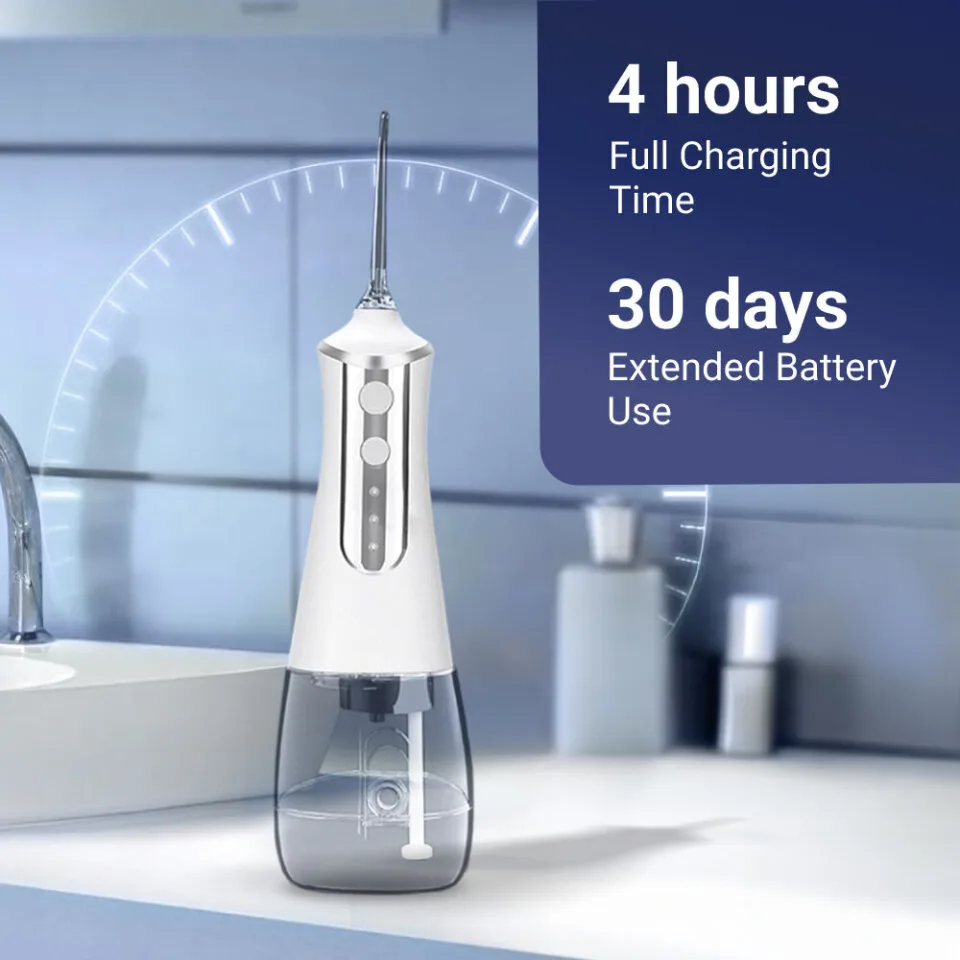
Make daily cleaning easier: WellaWhite Water Flosser
Cordless, rechargeable, 3 modes including a gentle setting for sensitive gums. A comfortable way to clean between teeth every day.
Check today's price →Up to 75% off on the official site
Does an electric toothbrush help with bleeding gums?
A Cochrane review found that powered toothbrushes reduced plaque more than manual brushes and also reduced gingivitis in the short term (Yaacob et al., 2014). A sonic brush also helps if you tend to scrub too hard, because it does the work for you.
The WellaWhite Sonic Electric Toothbrush has ultra-soft bristles, a "Sensitive" mode and a smart timer, which makes gentle two-minute brushing automatic. See electric vs manual toothbrush.
What about red light devices for gums?
Red light therapy (photobiomodulation) is a growing area of research in gum care. A 2024 systematic review and meta-analysis of 22 clinical trials found that photobiomodulation may be a valuable complement to standard periodontal treatment (PubMed). Those studies were done alongside professional treatment, not instead of it.
At-home devices like the Glokore OralCare Plus bring red, blue and near-infrared light into a cordless mouthpiece, designed as an add-on to brushing and flossing for gum comfort and fresher breath. Read more in red light therapy for gums.
Do diet and lifestyle affect bleeding gums?
- Smoking is a major risk factor for gum disease. Quitting helps your gums heal.
- Sugary snacks and drinks feed plaque bacteria. Cutting back helps.
- Vitamin C supports healthy gums. Severe deficiency can cause bleeding gums, though this is uncommon.
- Stress and poor sleep can make it harder to keep up with your routine.
How long does it take for gums to stop bleeding?
When bleeding is caused by plaque and early gingivitis, many people see an improvement within one to two weeks of consistent brushing and daily interdental cleaning. If bleeding hasn't improved after two weeks of good care, or if it's getting worse, see a dentist.
When should you see a dentist about bleeding gums?
- Bleeding lasts more than two weeks despite good home care.
- Gums are very swollen, painful or pulling away from teeth.
- Teeth feel loose or your bite has changed.
- You have persistent bad breath.
- Bleeding happens without brushing, or you bruise easily elsewhere.
- You're pregnant, have diabetes or take blood thinners.
Only a dentist or hygienist can remove hardened tartar and diagnose more advanced gum disease.
What does a simple gum-care kit look like?
| Tool | Why it helps | Our pick |
|---|---|---|
| Sonic toothbrush | Gentle, thorough plaque removal with a timer | WellaWhite Sonic Toothbrush |
| Water flosser | Easy daily cleaning between teeth and along the gumline | WellaWhite Water Flosser |
| Fluoride toothpaste | Protects enamel | Any ADA-accepted brand |
| Red light device (optional) | Add-on for gum comfort and fresh breath | Glokore OralCare Plus |
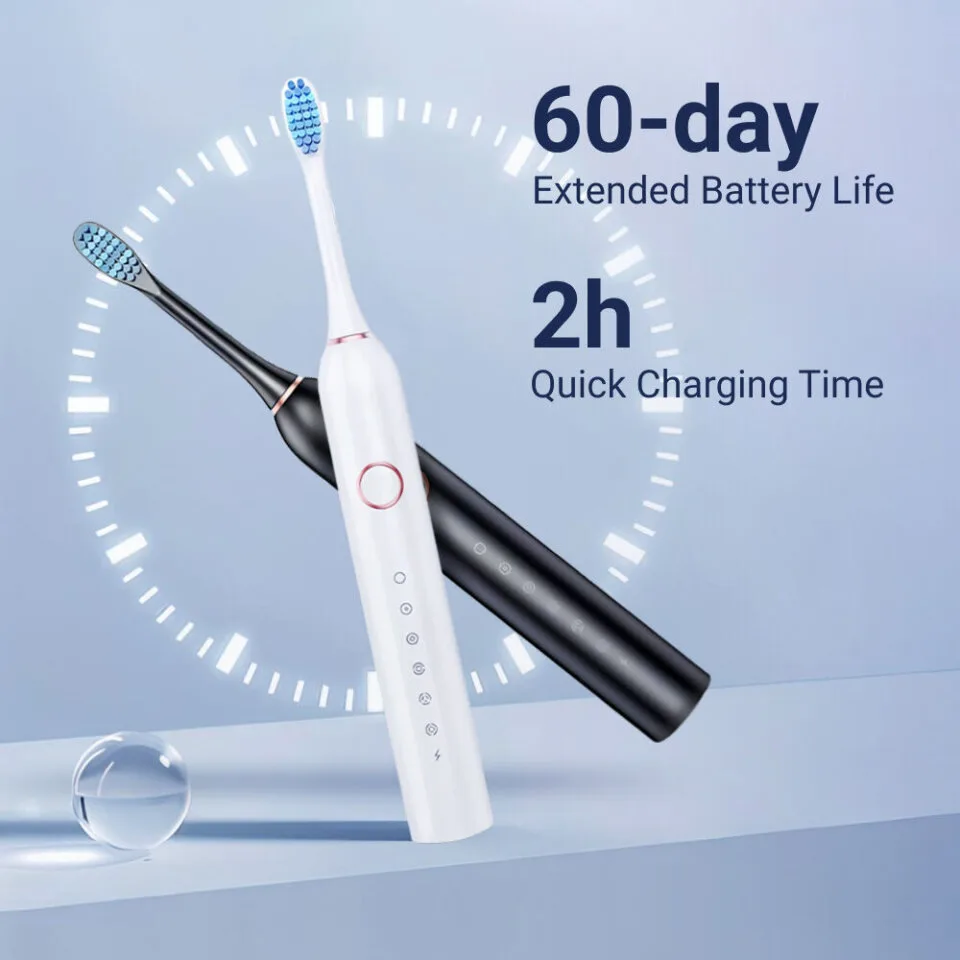
Brush gently, automatically: WellaWhite Sonic Toothbrush
Ultra-soft bristles, a Sensitive mode, a smart timer and up to 60 days of battery. Gentle two-minute brushing, every time.
Check today's price →Up to 75% off on the official site
What's the right brushing technique for bleeding gums?
Technique matters as much as the tool. Hold the brush at about a 45-degree angle toward the gumline, use small, gentle movements and brush each tooth surface, outside, inside and chewing surfaces. Don't saw back and forth with heavy pressure. With a sonic toothbrush, simply glide it slowly along the gumline and let the vibrations do the work. Brushing too hard is one of the most common causes of bleeding and receding gums. Read more in electric vs manual toothbrush.
Why do gums bleed more during pregnancy?
Hormonal changes during pregnancy can make gums more sensitive to plaque, a condition often called pregnancy gingivitis. A gentle, consistent routine of brushing and daily interdental cleaning helps, and dental cleanings are generally safe during pregnancy. Always tell your dentist you're pregnant, and check with your doctor or dentist before using any new device.
What happens in the first week of a new routine?
When you start cleaning between your teeth every day after a long break, it's common for gums to bleed a little at first. That's usually a sign that plaque was sitting there. With gentle, daily cleaning, many people notice the bleeding decreases within one to two weeks as the gums calm down. A water flosser on its gentlest setting can make that first week more comfortable. If the bleeding doesn't improve, or it gets worse, see a dentist.
Does healthy gum care also help your smile look whiter?
Yes. Plaque and tartar along the gumline trap stains, and red, puffy gums make teeth look less bright. Clean, healthy gums frame your teeth better. If you're also working on stains, see how to get rid of yellow teeth and our WellaWhite LED review, and if your teeth are sensitive, teeth whitening for sensitive teeth.
Can what you eat help your gums?
A balanced diet supports healthy gums. Cutting back on sugary snacks and drinks means less food for plaque bacteria, and staying hydrated keeps saliva flowing, which naturally helps clean your mouth. Smoking is one of the biggest risk factors for gum disease, according to the NIDCR, so quitting is one of the best things you can do for your gums.
Can stress and lack of sleep affect your gums?
They can play a role. When you're stressed or exhausted, it's easy to skip flossing, brush in a hurry or snack more on sugary foods, and all of those give plaque a chance to build up. Keeping your routine simple and quick, for example with a water flosser and an electric toothbrush with a built-in timer, makes it much easier to stay consistent on busy weeks.
The bottom line
Bleeding gums usually mean plaque is irritating your gumline. The fix is a consistent routine: gentle two-minute brushing twice a day, cleaning between your teeth every day, and regular dental cleanings. A sonic toothbrush and a water flosser make that routine easier to stick to.
If bleeding doesn't improve within two weeks, see a dentist. For daily care, our picks are the WellaWhite Water Flosser and the WellaWhite Sonic Toothbrush.
Sources
- National Institute of Dental and Craniofacial Research. Periodontal (Gum) Disease.
- American Dental Association. Floss/Interdental Cleaners and Water Flossers (MouthHealthy).
- Yaacob M. et al. (2014). Powered versus manual toothbrushing for oral health. Cochrane.
- Systematic review and meta-analysis on adjunctive photobiomodulation in periodontal therapy (2024). PubMed 39093490.
Frequently asked questions
Why do my gums bleed when I brush?
The most common cause is plaque irritating the gumline, which leads to gingivitis. Brushing too hard, starting to floss after a break, pregnancy and some medications can also cause bleeding.
Should I keep brushing if my gums bleed?
Yes, gently. Removing plaque is what helps. Bleeding from early gingivitis often improves within one to two weeks of consistent brushing and daily interdental cleaning.
Does a water flosser help bleeding gums?
Water flossers with the ADA Seal have been shown to remove plaque and help reduce gingivitis, and many people find them gentler than string floss.
Can bleeding gums heal on their own?
Gingivitis can usually be reversed with daily brushing, flossing and professional cleanings, according to the NIDCR. It won't improve if plaque isn't removed.
When should I see a dentist for bleeding gums?
See a dentist if bleeding lasts more than two weeks, gums are very swollen or painful, teeth feel loose, or you have persistent bad breath.
Does vitamin C help bleeding gums?
Vitamin C supports healthy gums, and severe deficiency can cause bleeding, but most bleeding gums are caused by plaque rather than diet.

Michelle Hert
Michelle researches at-home oral care products, from whitening kits to water flossers, and reads the dental research and buyer feedback behind them so readers can make smarter choices. She is not a dentist, and her guides are not a substitute for professional dental care. Her guides are built on published research, manufacturer information and verified buyer feedback, and are updated when new information comes out. More about Michelle.