
- It's generally considered safe and can be a gentle way to clean between teeth.
- Pregnancy gingivitis is common: hormone changes make gums red, puffy and prone to bleeding.
- Daily cleaning between teeth, plus brushing twice a day, helps keep gums healthy.
- Start on a low setting and lukewarm water, especially if gums are tender.
- Morning sickness? A water flosser can feel easier than string floss for people with a sensitive gag reflex.
- See your dentist: dental check-ups and cleanings are safe and recommended during pregnancy.
Pregnancy changes a lot of things, and the mouth is no exception. Many pregnant people notice their gums bleed when they brush, feel swollen or look redder than usual. Morning sickness, food cravings and fatigue can also make the usual routine harder to keep up. Cleaning between your teeth is one of the most important habits for healthy gums, but string floss can feel uncomfortable on tender gums or trigger nausea. That's why many people switch to a water flosser during pregnancy. This guide explains why gums change in pregnancy, whether water flossers are safe, how to use one comfortably, how to deal with morning sickness and sensitivity, and when to see your dentist.
In this guide:
- how pregnancy affects your gums
- is a water flosser safe in pregnancy?
- how to use one comfortably
- morning sickness and gagging
- a pregnancy oral care routine
- dental visits during pregnancy
General information about consumer products, not medical or dental advice. Talk to your dentist and your prenatal care provider about your oral health during pregnancy. Seek care promptly for severe gum pain, swelling, a lump on the gums that bleeds easily, or a toothache.
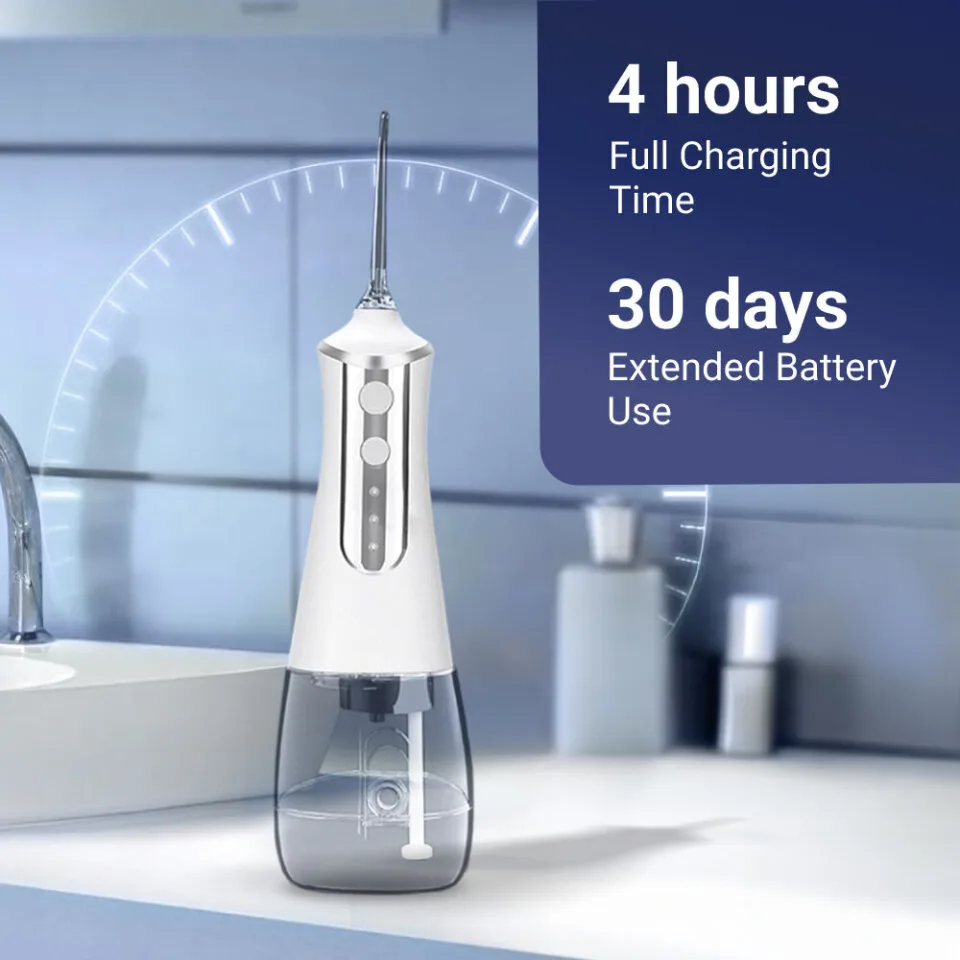
Our pick: the WellaWhite Water Flosser
Cordless, rechargeable water flosser with 3 cleaning modes and interchangeable nozzles. Braces-friendly.
Check today's price →Up to 75% off on the official site
How does pregnancy affect your gums?
Higher hormone levels during pregnancy change how gums respond to plaque. Even small amounts of plaque can cause more inflammation than usual. This is often called pregnancy gingivitis, and it commonly shows up in the second trimester. Signs include:
- gums that bleed when brushing or flossing
- red, swollen or tender gums
- bad breath
- occasionally, a small red lump on the gums (a "pregnancy tumor," which is not cancer and often goes away after birth)
The ADA's MouthHealthy site explains oral health during pregnancy and why dental care matters. More on gum health in signs of gum disease and swollen gums.
Is a water flosser safe during pregnancy?
Water flossers use plain water (or what you add to the reservoir) to rinse plaque and food from between teeth and along the gumline. There's nothing about the device that's specific to pregnancy, and many dentists recommend them for people with tender or bleeding gums. Use lukewarm water and a low pressure setting, and don't add anything to the water unless your dentist suggests it. If you have any concerns, ask your dentist.
Why might a water flosser be easier during pregnancy?
- Gentler on tender gums than snapping string floss
- Less gagging for many people, since you don't put your fingers in your mouth
- Quicker, which helps when you're tired
- Reaches the gumline, where pregnancy gingivitis starts
- Easy to use later for kids' braces or postpartum routines
The ADA lists water flossers among accepted ways to clean between teeth; see its guidance on flossing and interdental cleaners.
Our pick: the WellaWhite Water Flosser
Cordless, rechargeable water flosser with 3 cleaning modes and interchangeable nozzles. Braces-friendly.
Check today's price →Up to 75% off on the official site
How do you use a water flosser comfortably?
- fill the reservoir with lukewarm water
- start on the lowest setting and increase slowly over days
- lean over the sink and close your lips around the tip to reduce splashing
- aim the tip at a 90-degree angle to the gumline
- move slowly along the gumline, pausing between teeth
- take about 1 minute for the whole mouth
Full guide: how to use a water flosser and water flosser pressure settings.
What if morning sickness makes oral care hard?
- brush and water floss at the time of day you feel best
- use a small-headed toothbrush and a mild-flavored toothpaste
- after vomiting, rinse with water or a mix of water and a little baking soda; wait about 30 minutes before brushing, since stomach acid softens enamel
- try a lower water flosser setting and lean well forward
- breathe slowly through your nose
What does a good pregnancy oral care routine look like?
- brush twice a day for 2 minutes with fluoride toothpaste and a soft brush
- clean between teeth once a day with a water flosser or floss
- limit sugary snacks and drinks; choose water between meals
- eat a balanced diet with calcium and vitamins
- keep dental check-ups and cleanings
See our oral care routine and how to improve gum health.
Is it safe to see the dentist while pregnant?
Yes. Routine check-ups and cleanings are considered safe and are recommended during pregnancy, and many dentists see the second trimester as the most comfortable time for treatment. Always tell your dentist you're pregnant and how far along you are. Don't delay care for pain or infection; ask your dentist and prenatal provider together if you're unsure.
What about teeth whitening during pregnancy?
Most dentists suggest postponing cosmetic whitening until after pregnancy and breastfeeding, simply as a precaution. Focus on gum health for now: daily cleaning, brushing and dental visits. After the baby arrives, you can revisit whitening with your dentist. See the best time to whiten teeth.
When is bleeding a concern?
Light bleeding that improves after one to two weeks of gentle daily cleaning is common. See your dentist if bleeding is heavy, gets worse, comes with pain or swelling, or if you notice loose teeth or a lump that bleeds easily. More in how to stop bleeding gums.
What about after the baby is born?
Gum inflammation usually improves after birth, but life with a newborn makes routines slip. A cordless water flosser that charges and stands ready by the sink can make the one-minute habit easier to keep. Your oral health also matters for your baby: the bacteria that cause cavities can pass from parent to child through shared spoons and pacifiers.
Where does the WellaWhite Water Flosser fit in?
The WellaWhite Water Flosser is cordless and rechargeable, with 3 cleaning modes and interchangeable nozzles. The gentlest mode suits tender pregnancy gums, and the cordless design makes it easy to use at any sink. The official site offers up to 75% off. Read our WellaWhite Water Flosser review and water flossers for sensitive gums.
Why does gum health matter during pregnancy?
Healthy gums are part of overall health during pregnancy. Untreated gum inflammation can progress to gum disease, and researchers have studied possible links between gum disease and pregnancy outcomes. The National Institute of Dental and Craniofacial Research explains how gum disease develops and how it's treated. The practical takeaway is simple: keep plaque under control with daily brushing and cleaning between teeth, and keep your dental appointments.
What if your teeth feel more sensitive?
Some people notice more tooth sensitivity during pregnancy, especially if vomiting has exposed teeth to stomach acid. Use a soft brush and a toothpaste for sensitive teeth, use lukewarm water in your water flosser and avoid very cold drinks for a while. Tell your dentist if sensitivity is strong or comes with pain. See sensitive teeth causes.
Do cravings and snacking affect your teeth?
Frequent snacking, especially on sweets, crackers and juice, gives plaque bacteria more fuel and can raise the risk of cavities and gum inflammation. Try to choose tooth-friendly snacks like cheese, yogurt, vegetables and nuts, drink water after snacks and avoid sipping sugary drinks all day. If you snack at night, brush or at least rinse with water before going back to sleep.
How do you keep the water flosser clean?
- empty the reservoir after each use and let it air-dry
- rinse the tip and replace it every 3 to 6 months
- clean the reservoir weekly with warm, soapy water
- don't share tips between family members
See how to clean a water flosser.
Which other tools help during pregnancy?
- Soft or extra-soft toothbrush, manual or electric on a sensitive mode
- Small brush head if the back teeth trigger gagging
- Mild-flavored fluoride toothpaste if mint triggers nausea
- Alcohol-free mouthwash, if your dentist recommends one
- Tongue cleaner, gently, for fresher breath
See electric toothbrushes for sensitive teeth and how to clean your tongue.
Can the whole family share one water flosser?
Yes, as long as everyone has their own tip. Most water flossers come with several color-coded nozzles. Store them so they don't touch, and replace each one every few months.
When is the best time of day to floss during pregnancy?
Whenever you feel best. If mornings bring nausea, water floss in the evening before brushing. The goal is once a day, every day; the exact time matters much less than consistency. Keeping the flosser charged and visible by the sink is the easiest way to remember.
Will this help your baby's teeth later?
Your own healthy habits set the tone for your child. Parents with fewer cavities pass on fewer cavity-causing bacteria, and children copy the routines they see. Starting a gentle daily routine now makes it easier to keep going after the baby arrives.
The bottom line
Water flossers during pregnancy:
- are generally considered safe and gentle for cleaning between teeth
- help with pregnancy gingivitis when used daily with brushing
- should start on a low setting with lukewarm water
- can be easier than string floss with morning sickness
- work best alongside regular dental visits
The WellaWhite Water Flosser is cordless with 3 modes and interchangeable nozzles, up to 75% off on the official site.
Our pick: the WellaWhite Water Flosser
Cordless, rechargeable water flosser with 3 cleaning modes and interchangeable nozzles. Braces-friendly.
Check today's price →Up to 75% off on the official site
Frequently asked questions
Is it safe to use a water flosser while pregnant?
It's generally considered safe and gentle. Start on a low setting with lukewarm water and ask your dentist if unsure.
Why do my gums bleed during pregnancy?
Hormone changes make gums react more strongly to plaque, a common condition called pregnancy gingivitis.
Is a water flosser better than floss during pregnancy?
Many people find it gentler on tender gums and easier with morning sickness. Both work if used daily.
Can I go to the dentist while pregnant?
Yes. Check-ups and cleanings are considered safe and recommended. Tell your dentist you're pregnant.
Should I whiten my teeth while pregnant?
Most dentists suggest waiting until after pregnancy and breastfeeding.
What should I do after vomiting from morning sickness?
Rinse with water or water with a little baking soda and wait about 30 minutes before brushing.

Michelle Hert
Michelle researches at-home oral care products, from whitening kits to water flossers, and reads the dental research and buyer feedback behind them so readers can make smarter choices. She is not a dentist, and her guides are not a substitute for professional dental care. Her guides are built on published research, manufacturer information and verified buyer feedback, and are updated when new information comes out. More about Michelle.