- They're inside the tooth, not on the surface, so brushing and polishing don't remove them.
- Mild yellow staining can lighten with whitening, but it usually takes longer than surface stains.
- Darker gray or blue-gray bands respond slowly and may not even out fully.
- Dentist options include extended whitening, bonding, veneers or crowns for severe cases.
- Ask your dentist first to judge how deep and dark the staining is.
If your teeth have gray, brown or yellowish bands that no amount of brushing or whitening toothpaste seems to touch, you may have tetracycline staining. It's a type of intrinsic discoloration, meaning the color is built into the tooth itself, and it usually comes from antibiotics taken long ago, when your teeth were still forming. Many people with these stains feel self-conscious about their smile and aren't sure whether whitening will help. The answer depends on how dark and how deep the staining is. This guide explains what tetracycline stains are, how to recognize them, how they differ from other stains, what whitening can and can't do, the professional options and how to choose the right path for your teeth.
In this guide:
- what tetracycline stains are
- how to recognize them
- intrinsic vs extrinsic stains
- does whitening work?
- professional options
- choosing the right path
General information about consumer products, not dental advice. Only a dentist can diagnose the cause of tooth discoloration. Don't stop or avoid any prescribed medication because of tooth color concerns without talking to your doctor.
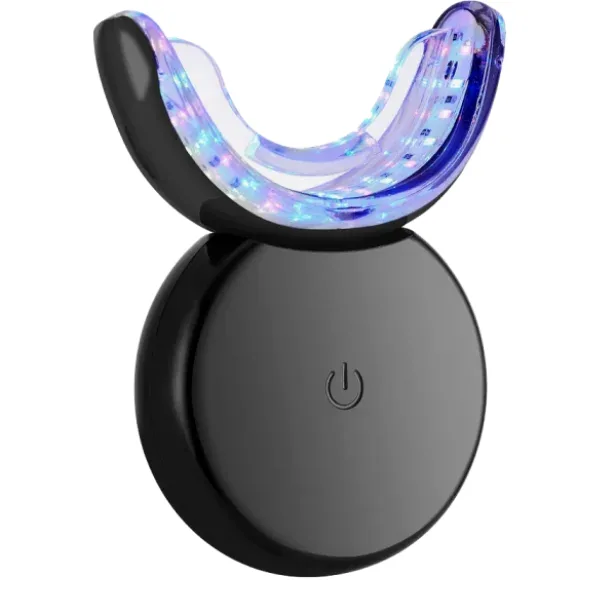
Our pick: the WellaWhite At-Home LED System
Whitening gel, LED light, moldable trays and a shade guide in one kit. 15 to 30 minutes per session, from $59 per kit in bundles.
Check today's price →From $59 per kit · PayPal accepted
What are tetracycline stains?
Tetracycline and related antibiotics can bind to calcium in developing teeth. When taken by a pregnant person or by a child whose permanent teeth are still forming (roughly before age 8), the medicine can become part of the tooth structure and later darken with light exposure. The result is discoloration inside the tooth, often in horizontal bands. Today, doctors generally avoid these antibiotics in young children and pregnancy when possible, but many adults have staining from treatment decades ago.
How do you recognize tetracycline stains?
- gray, brown, blue-gray or yellow discoloration
- horizontal bands or stripes across several teeth
- often on many teeth, both upper and lower
- color doesn't change with brushing or polishing
- sometimes darker near the gumline
| Severity | Look | Typical response to whitening |
|---|---|---|
| Mild | Light yellow or gray, evenly spread, no bands | Often lightens with a longer course |
| Moderate | Darker yellow-brown or gray | Slow; may need extended whitening |
| Severe | Dark gray or blue-gray with clear banding | Limited; often needs bonding or veneers |
How are they different from other stains?
Extrinsic stains sit on the surface of the enamel: coffee, tea, wine and tobacco. They respond well to cleaning and whitening. Intrinsic stains are inside the tooth: medication, trauma, excess fluoride during development or genetics. They respond more slowly. The Cleveland Clinic explains the difference between these types of tooth discoloration. See also brown stains on teeth and why teeth are different colors.
Our pick: the WellaWhite At-Home LED System
Whitening gel, LED light, moldable trays and a shade guide in one kit. 15 to 30 minutes per session, from $59 per kit in bundles.
Check today's price →From $59 per kit · PayPal accepted
Does whitening work on tetracycline stains?
It can help, especially in mild cases, but expectations matter. Whitening gels lighten the tooth's color from the inside over time. With tetracycline staining:
- It takes longer: often several weeks to months of treatment instead of 1 to 2 weeks.
- Yellow tones respond better than gray or blue-gray.
- Bands may stay visible, even if the overall shade lightens.
- The tooth edges may whiten first, while areas near the gum stay darker.
The ADA explains how tooth whitening works and recommends talking to a dentist first. More on gray tones in whitening gray teeth.
Can you whiten tetracycline stains at home?
For mild staining, at-home whitening with well-fitting trays can lighten teeth over a longer course, ideally with your dentist's guidance. Use the shade guide to track progress in daylight, follow the kit's timing, and take breaks if teeth get sensitive. If after a full course there's little change, it's time to talk about other options. See how to use an LED whitening kit and sensitivity after whitening.
What can a dentist do?
- Extended professional whitening: custom trays and a longer supervised course.
- In-office whitening, sometimes combined with at-home trays.
- Composite bonding: tooth-colored resin covers the front of the tooth.
- Porcelain veneers: thin shells that cover dark staining; a long-lasting cosmetic option.
- Crowns: for teeth that also need structural repair.
Many dentists suggest whitening first, then bonding or veneers if needed, because whitening can lighten the base color and make veneers or bonding look more natural. See LED whitening vs professional and whitening with veneers.
How do you choose the right option?
- Get a diagnosis from your dentist.
- Ask about severity: mild, moderate or severe.
- Try whitening first if your dentist thinks it may help.
- Track results for several weeks with a shade guide.
- Consider bonding or veneers if bands remain and bother you.
Are there other causes of similar stains?
- dental fluorosis: white or brown spots from excess fluoride in childhood
- trauma to a single tooth, which can turn it gray
- old fillings or root canals
- certain other medications
- enamel defects from childhood illness
A single dark tooth needs a dentist's check, since it can mean the nerve is affected.
How do you care for teeth with tetracycline stains?
- brush twice daily and clean between your teeth
- limit coffee, tea and red wine, which add surface stains on top
- get regular cleanings to remove surface stains and tartar
- protect bonding and veneers by avoiding biting hard objects
See how to maintain white teeth.
Where does the WellaWhite LED System fit in?
For mild tetracycline staining that your dentist thinks may respond, an at-home kit with moldable trays is a convenient way to try a longer whitening course. The WellaWhite At-Home LED System includes gel, an LED light, moldable trays and a shade guide, with 15- to 30-minute sessions. It's sold from $59 per kit in bundles, and PayPal is accepted. Darker gray or banded stains may still need professional options. Read our WellaWhite LED review.
What results can you realistically expect?
With mild, evenly yellow tetracycline staining, many people see their teeth become noticeably lighter after a longer whitening course, though not as quickly as with coffee or tea stains. With moderate staining, teeth often lighten overall while some darker areas remain. With severe gray or banded staining, whitening may improve the base shade but rarely removes the bands completely, which is why bonding or veneers are often discussed. Take photos in the same daylight spot every week, and compare with the shade guide rather than judging day to day.
How do the costs compare?
| Option | Relative cost | Notes |
|---|---|---|
| At-home LED kit | Low | Good first step for mild cases |
| Dentist-supervised take-home trays | Moderate | Custom trays, longer course |
| In-office whitening | Moderate to high | Faster start, often combined with trays |
| Composite bonding | Moderate per tooth | Covers stains; may need touch-ups |
| Porcelain veneers | High per tooth | Long-lasting, natural look |
Starting with whitening can lower the overall cost, since some people are happy after whitening alone.
Does long whitening cause sensitivity?
A longer course can increase sensitivity for some people. Shorter sessions, every-other-day schedules and a toothpaste for sensitive teeth usually help. Stop and talk to your dentist if sensitivity is strong or lasts. See whitening for sensitive teeth and does whitening damage enamel?
How can you feel better about your smile in the meantime?
Many people with tetracycline staining have hidden their smile for years. A purple color-correcting foam can make yellow tones look softer for a few hours before photos or events, and a good cleaning removes any surface stains on top of the intrinsic color. See purple toothpaste and whitening after a dental cleaning.
Can children still get tetracycline stains today?
It's much less common, because doctors now avoid tetracycline-family antibiotics in pregnancy and in young children when other options exist. In some situations, a doctor may still prescribe one of these medicines when the benefits outweigh the risk. If you're pregnant or your child needs an antibiotic, ask the doctor about tooth staining, but never stop a prescribed medicine on your own.
How do you keep results after whitening?
After whitening, intrinsic stains don't come back on their own, but teeth can darken slightly over time and pick up surface stains. Short touch-up sessions every few months, rinsing after coffee or tea and regular cleanings help keep your new shade. If you've had bonding or veneers, ask your dentist which whitening products are safe around them, since restorations don't whiten.
What should you ask your dentist?
- How severe is my staining?
- Is whitening likely to help, and for how long should I try?
- Should I use custom trays or an at-home kit?
- Would bonding or veneers suit my teeth if whitening isn't enough?
The bottom line
Tetracycline stains on teeth:
- are intrinsic stains from antibiotics taken while teeth were forming
- appear as gray, brown or yellow bands that brushing doesn't remove
- mild yellow stains can lighten with a longer whitening course
- dark gray or banded stains often need bonding or veneers
- start with a dentist's diagnosis and realistic expectations
The WellaWhite At-Home LED System includes gel, LED light, moldable trays and a shade guide, from $59 per kit in bundles.
Our pick: the WellaWhite At-Home LED System
Whitening gel, LED light, moldable trays and a shade guide in one kit. 15 to 30 minutes per session, from $59 per kit in bundles.
Check today's price →From $59 per kit · PayPal accepted
Frequently asked questions
What do tetracycline stains look like?
Gray, brown, blue-gray or yellow discoloration, often in horizontal bands across several teeth.
Can tetracycline stains be whitened?
Mild yellow staining can lighten with a longer whitening course. Dark gray or banded stains respond less.
How long does it take to whiten tetracycline stains?
Often several weeks to months, much longer than surface stains.
Why doesn't brushing remove tetracycline stains?
They're inside the tooth, not on the surface, so brushing and polishing can't reach them.
What is the best treatment for severe tetracycline stains?
Dentists often suggest whitening first, then bonding or veneers if bands remain.
Do adults still get tetracycline stains?
Staining forms while teeth develop, so adults with stains usually got them from medicine taken in childhood or before birth.

Michelle Hert
Michelle researches at-home oral care products, from whitening kits to water flossers, and reads the dental research and buyer feedback behind them so readers can make smarter choices. She is not a dentist, and her guides are not a substitute for professional dental care. Her guides are built on published research, manufacturer information and verified buyer feedback, and are updated when new information comes out. More about Michelle.