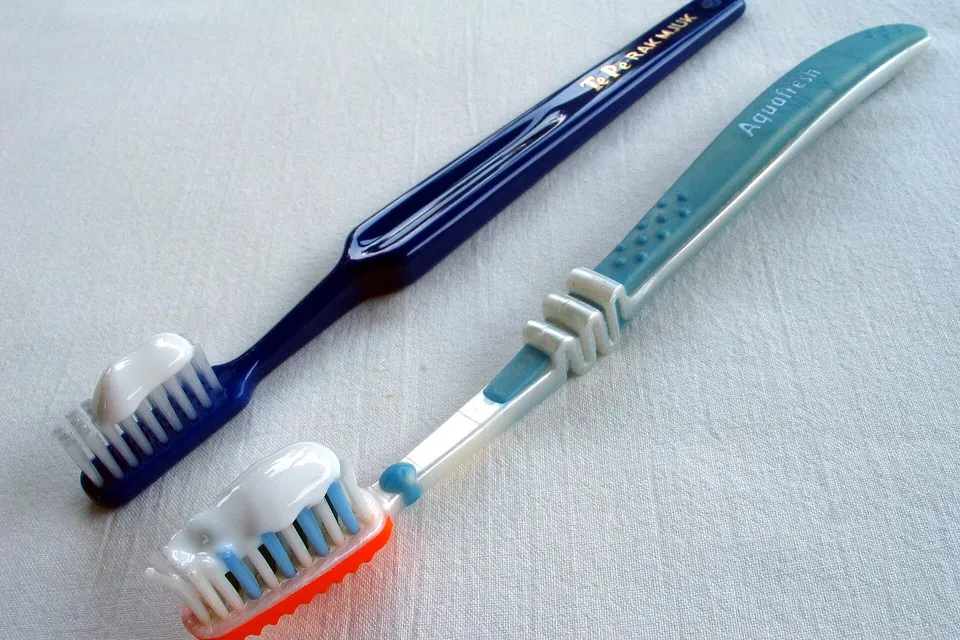
- Stick out your tongue and start at the back, as far as is comfortable without gagging.
- Use a tongue scraper or the back of your toothbrush and pull gently forward, from back to tip.
- Rinse the scraper after each pass and repeat 3 to 5 times, covering the middle and sides.
- Rinse your mouth with water.
General information about consumer products, not dental advice. If you have a white coating that won't go away, sores, pain or persistent bad breath, see a dentist or doctor.
Most people brush their teeth carefully and forget the tongue completely. Yet the surface of the tongue is covered in tiny bumps and grooves where bacteria, food particles and dead cells collect. That coating is one of the most common sources of bad breath, and it can also dull your sense of taste.
This guide explains why tongue cleaning matters, how to do it with a scraper or toothbrush, how often to clean your tongue, what a healthy tongue looks like, how to avoid gagging, when tongue changes need a professional's attention, and how tongue cleaning fits into a complete oral care routine.
Why should you clean your tongue?
The tongue's rough surface traps bacteria and debris, especially at the back where it's hard to reach. Those bacteria can produce sulfur compounds that cause bad breath. The ADA's MouthHealthy site lists brushing your tongue among the ways to help control bad breath. Cleaning your tongue also helps your mouth feel fresher and can improve how food tastes.
What tools can you use?
| Tool | Pros | Cons |
|---|---|---|
| Tongue scraper (metal or plastic) | Removes coating efficiently, easy to rinse | One more tool to keep |
| Toothbrush | Already in your bathroom | Bristles push coating around more than lift it |
| Brush with tongue cleaner on back | Two in one | Textured pad is less effective than a scraper |
| Electric toothbrush | Easy, gentle | Use a gentle mode for the tongue |
Stainless steel scrapers are durable and easy to clean. Whatever you use, be gentle.
How do you use a tongue scraper?
- Brush your teeth first.
- Stand in front of a mirror and stick out your tongue.
- Place the scraper as far back as is comfortable.
- Press lightly and pull forward to the tip in one smooth stroke.
- Rinse the scraper under running water.
- Repeat 3 to 5 times, covering the center and both sides.
- Rinse your mouth and wash the scraper.
How do you clean your tongue with a toothbrush?
- Put a small amount of toothpaste on the brush, or none at all.
- Brush from the back of the tongue toward the front with gentle strokes.
- Brush the sides as well.
- Rinse with water.
If you use an electric brush, choose a gentle or sensitive mode and let the brush do the work. See how to brush properly.
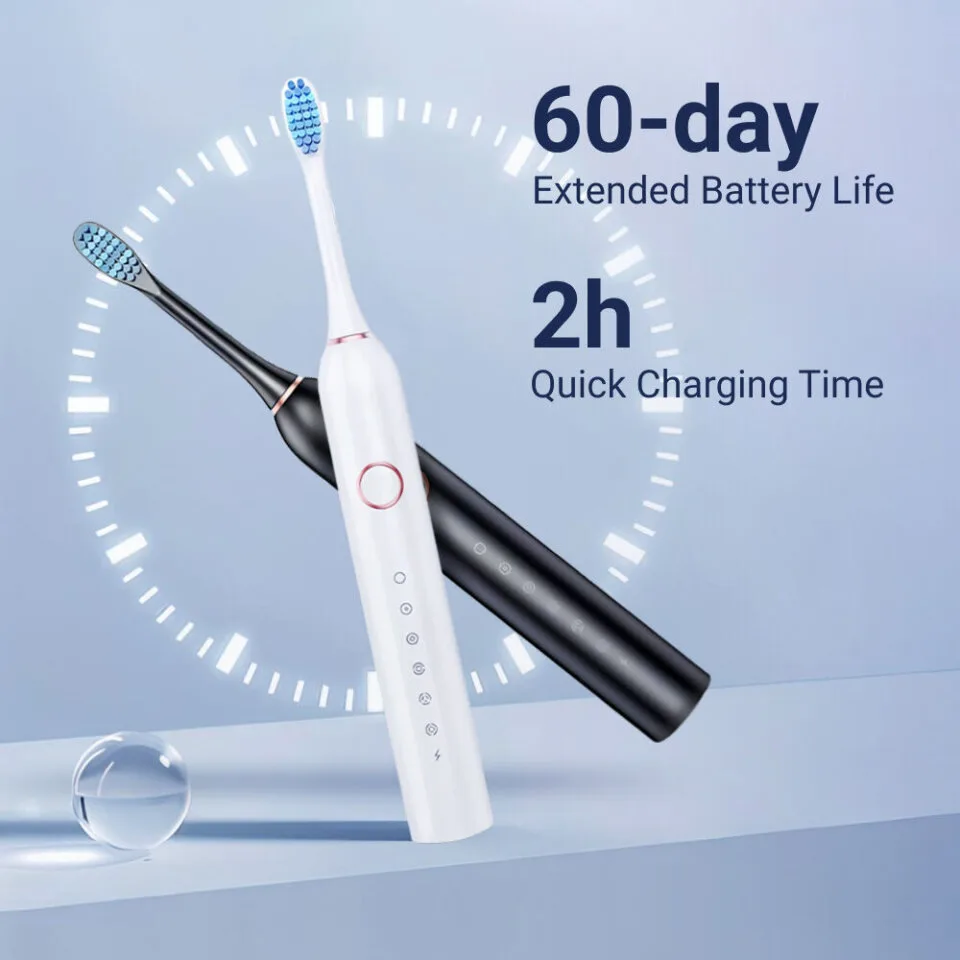
A sonic brush for a fresher routine
WellaWhite Sonic Electric Toothbrush: 6 modes including Sensitive and Whitening, a smart timer, 4 brush heads and up to 60 days of battery. Up to 75% off on the official site.
Check today's price →Up to 75% off on the official site
How do you avoid gagging?
- Start a little further forward and move back gradually over days.
- Exhale slowly or hum while scraping.
- Stick your tongue out fully and keep it relaxed.
- Clean your tongue before breakfast, when your stomach is empty.
- Use a flatter scraper rather than a toothbrush, which can trigger gagging more.
How often should you clean your tongue?
Once a day is a good habit for most people, usually in the morning when the coating is most noticeable or at night after brushing. Some people do it twice a day. Don't scrape so hard or so often that your tongue feels sore.
What does a healthy tongue look like?
A healthy tongue is usually pink with small bumps and may have a thin, whitish coating that comes off with cleaning. Changes to watch:
| What you see | Possible meaning |
|---|---|
| Thick white coating that wipes off | Often debris and bacteria; clean daily and stay hydrated |
| White patches that don't wipe off | See a professional |
| Yellow coating | Can be debris, dry mouth or tobacco |
| Black or hairy look | Often harmless buildup; improve cleaning, see a dentist if it persists |
| Sores or lumps lasting more than two weeks | See a dentist or doctor |
Does tongue cleaning cure bad breath?
It helps a lot, but bad breath has many causes: food trapped between teeth, gum disease, dry mouth, tobacco, certain foods and some health conditions. A complete routine includes brushing twice a day, cleaning between teeth daily, cleaning your tongue and drinking water. If bad breath persists, see a dentist. Read bad breath causes.
Why clean between teeth too?
Food trapped between teeth is another big source of odors. Daily cleaning with floss or a water flosser removes it. See is water flossing enough? and food stuck between teeth.
How does dry mouth affect your tongue?
Saliva naturally rinses the tongue. When your mouth is dry, from breathing through your mouth, certain medications, dehydration or alcohol, the coating builds up faster and breath can suffer. Drink water throughout the day, chew sugar-free gum and avoid alcohol-based mouthwash if you have dry mouth. Ask your dentist about dry mouth products if it's ongoing.
Should kids clean their tongues?
Yes, gently. Parents can brush a child's tongue lightly with a soft toothbrush as part of the bedtime routine. Older kids can use a small scraper. Make it part of brushing so it becomes a habit.
How does tongue cleaning fit into a daily routine?
- Morning: brush for two minutes, clean your tongue, drink water.
- Night: clean between teeth, brush for two minutes, clean your tongue.
- Every 3 months: replace your toothbrush or brush head.
- Twice a year: dental checkup, or as recommended.
See the complete oral care routine and how often to replace a toothbrush.
How do you keep your scraper clean?
Rinse the scraper after each pass and wash it with warm water and a little soap after use. Let it air-dry. Replace plastic scrapers every few months or when they look worn; stainless steel ones last much longer.
How does the WellaWhite Sonic Toothbrush help?
The WellaWhite Sonic Electric Toothbrush has 6 modes including Sensitive and Whitening, a smart timer, 4 brush heads and up to 60 days of battery. A timer helps you brush for the full two minutes, and a gentle mode can be used to brush the tongue lightly. Read our WellaWhite Sonic Toothbrush review.
What are common myths?
- "Mouthwash replaces tongue cleaning." It masks odors briefly; cleaning removes the source.
- "Harder scraping is better." Gentle strokes are enough.
- "A white tongue is always a problem." A thin coating that wipes off is normal.
- "Only people with bad breath need to clean their tongue." Everyone benefits.
Does tongue cleaning improve taste?
Many people notice that food tastes a little more vivid after they start cleaning their tongue regularly. The coating on the tongue can cover taste buds, so removing it may help flavors come through. It's a small but pleasant benefit, especially for coffee and wine lovers who want to enjoy subtle flavors.
Do smokers need to clean their tongues more?
Tobacco can leave a yellow or brown coating on the tongue and contributes to dry mouth and bad breath. Smokers often benefit from cleaning their tongue twice a day, drinking more water and seeing their dentist regularly. Quitting helps breath, gums and teeth. See how to remove tobacco stains.
What mistakes should you avoid?
- Pressing so hard that your tongue feels raw or bleeds.
- Using a scraper with sharp or rough edges.
- Skipping the back of the tongue, where most coating builds up.
- Forgetting to rinse and clean the scraper.
- Relying on mouthwash alone.
Can you clean your tongue with braces?
Yes. Braces don't affect tongue cleaning, and keeping your tongue clean helps with breath when food tends to get trapped around brackets. Combine it with a water flosser to clean around wires. See water flossers for braces.
How do you choose a tongue scraper?
Look for a smooth, rounded edge, a comfortable handle and a material that's easy to clean. Stainless steel and copper scrapers last a long time; plastic ones are light and inexpensive but need replacing more often. A U-shaped scraper covers the width of the tongue in one stroke, which makes the routine quick. Avoid anything with sharp or rough edges.
How do you keep the habit while traveling?
A compact scraper fits easily in a toiletry bag, and a travel toothbrush works as a backup. Keeping the same morning and evening routine on trips helps your breath stay fresh, especially when travel means more coffee, less water and different foods.
A few gentle strokes a day go a long way toward fresher breath.
The bottom line
Cleaning your tongue takes less than a minute and can make a big difference for fresh breath and a cleaner-feeling mouth. Use a scraper or your toothbrush, pull gently from back to front, rinse and repeat a few times once or twice a day. Combine it with brushing twice a day, daily cleaning between teeth and regular dental visits, and see a professional about any changes that don't go away.
Our pick for an easier brushing routine is the WellaWhite Sonic Toothbrush. Check today's WellaWhite Sonic Toothbrush deal.
Sources
- MouthHealthy (ADA). Bad Breath.
- American Dental Association. Toothbrushes.
- Official WellaWhite product page, checked October 2026.
Frequently asked questions
How do I clean my tongue?
Scrape or brush gently from back to front a few times, rinsing between passes.
Is a tongue scraper better than a toothbrush?
Scrapers usually remove the coating more efficiently.
How often should I clean my tongue?
Once or twice a day.
How do I avoid gagging?
Start further forward, exhale slowly and stick your tongue out fully.
Does tongue cleaning help bad breath?
Yes, the tongue coating is a common source of odor.
When should I worry about my tongue?
White patches that don't wipe off, sores or lumps lasting over two weeks need a professional.

Michelle Hert
Michelle researches at-home oral care products, from whitening kits to water flossers, and reads the dental research and buyer feedback behind them so readers can make smarter choices. She is not a dentist, and her guides are not a substitute for professional dental care. Her guides are built on published research, manufacturer information and verified buyer feedback, and are updated when new information comes out. More about Michelle.