
- It can help with light surface stains from coffee, tea and wine, mostly by keeping new stains from building up.
- It works on contact for only 30 to 60 seconds, so the effect is much milder than strips, trays or an LED kit.
- It won't change your natural tooth color, crowns, fillings or deep stains.
- Results take weeks of twice-daily use, and some formulas can cause sensitivity.
General information about consumer products, not dental advice. If you have sensitive teeth, gum disease, crowns or veneers, ask your dentist before starting any whitening product.
Whitening mouthwash sounds like the easiest whitening routine there is: swish, spit, done, with no trays, strips or lights. It sits right next to the regular mouthwash in every drugstore, often for a few dollars more, and the bottles promise whiter teeth in a few weeks. But a rinse only touches your teeth for a minute, and most of it ends up in the sink. So how much can it really do? This guide explains how whitening mouthwashes work, what's inside them, what kind of results to expect and how long they take, who they suit, the side effects to watch for and how they compare with whitening toothpaste, purple foam, strips and LED kits.
In this guide:
- how whitening mouthwash works
- common ingredients
- realistic results and timing
- side effects
- how it compares with other options
- how to get the most out of it
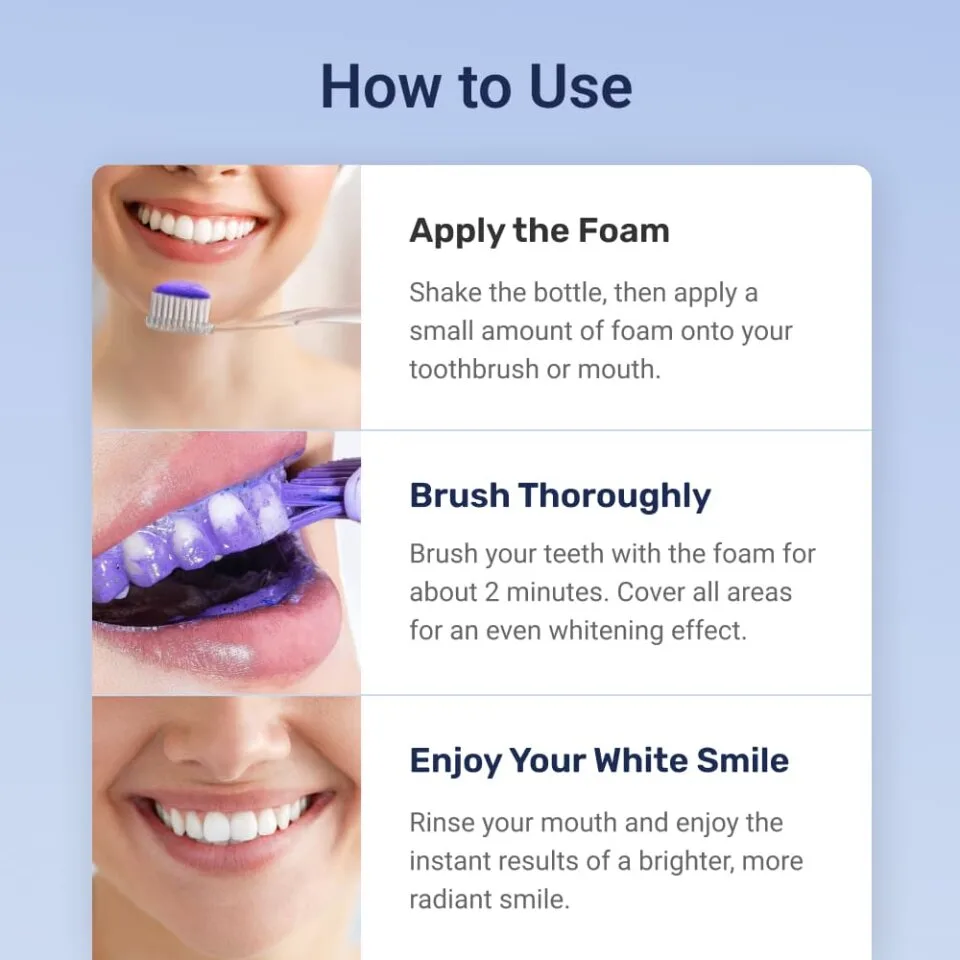
Our pick: the WellaWhite Purple Whitening Foam
A peroxide-free purple color-correcting foam you brush with for 2 minutes. Gentle option for sensitive teeth.
Check today's price →Up to 70% off on the official site
How does whitening mouthwash work?
Whitening mouthwashes work in one of two ways, and many combine both:
- Peroxide rinses contain a low concentration of hydrogen peroxide, usually 1.5% or less. Peroxide breaks down into oxygen that lightens stain molecules. At this strength, and with only about a minute of contact, the effect is mild.
- Stain-preventing rinses contain ingredients that loosen surface stains or stop new ones from sticking, such as polyphosphates or pyrophosphates.
Either way, the rinse works on the surface of the enamel. That's why it helps with the yellowish film from coffee and tea, but it can't reach deeper stains or change the color of the dentin underneath. For a deeper look at how peroxide whitens teeth, see carbamide vs hydrogen peroxide.
What ingredients are in whitening mouthwash?
| Ingredient | What it does | Good to know |
|---|---|---|
| Hydrogen peroxide (low %) | Lightens surface stains | Can sting gums or cause sensitivity in some people |
| Polyphosphates, pyrophosphates | Loosen and prevent surface stains and tartar | Prevents more than it whitens |
| Fluoride | Strengthens enamel | Not a whitener, but a useful extra |
| Alcohol | Solvent in some formulas | Can dry the mouth; alcohol-free versions exist |
| Flavors and sweeteners | Taste | No effect on color |
The American Dental Association's MouthHealthy site explains how the different types of rinses work and what they can and can't do in its guide to mouthwash.
How much whiter can mouthwash make your teeth?
Expect a subtle change at best. Because the rinse is diluted and only touches the teeth briefly, most people notice teeth that look a little brighter and stay cleaner between dental visits, rather than a dramatic jump in shade. Results depend on:
- Your stains: fresh, yellowish surface stains respond best. Gray, brown or deep stains barely change.
- Your habits: drinking coffee, tea, red wine or smoking keeps adding new stains.
- Consistency: it takes daily use, usually twice a day, for several weeks.
- Your natural shade: no rinse changes the color teeth were born with.
Curious how white teeth can realistically get? See how white can teeth get?
How long does whitening mouthwash take to work?
Most brands suggest you'll see a difference after several weeks to a few months of twice-daily use. Some people notice cleaner-looking teeth sooner, mostly because the rinse helps remove the film that dulls the surface. If you're whitening for a wedding, an interview or the holidays, a rinse on its own is usually too slow. Faster options are covered in how to whiten teeth fast.
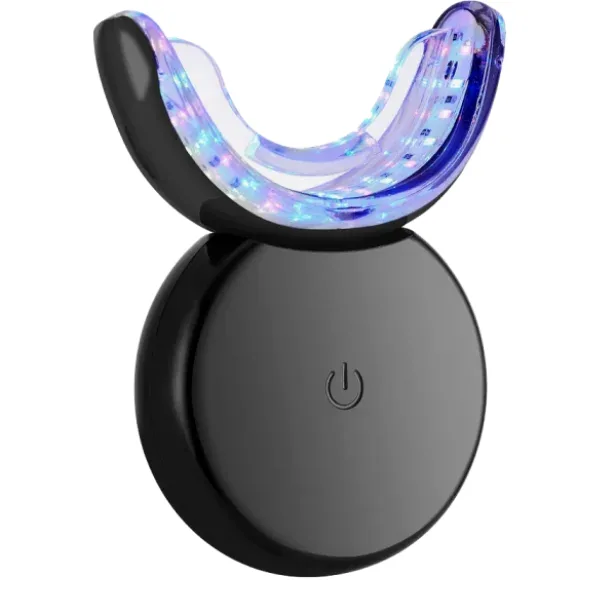
Want a visible change instead of a subtle one?
The WellaWhite At-Home LED System keeps whitening gel on your teeth for 15 to 30 minutes per session with moldable trays and a blue LED light. From $59 per kit in bundles.
Check today's price →From $59 per kit · PayPal accepted
Does whitening mouthwash have side effects?
- Tooth sensitivity: peroxide can make teeth feel sensitive to cold. Switch to a rinse without peroxide or use it once a day.
- Gum irritation: a mild sting is common at first. Stop if your gums feel sore or look red.
- Dry mouth: alcohol-based rinses can make it worse. Choose alcohol-free if your mouth feels dry.
- Uneven color: fillings, crowns and veneers won't whiten, so natural teeth around them may look lighter.
If you already have sensitive teeth, see teeth whitening for sensitive teeth and sensitivity after whitening.
How does whitening mouthwash compare with other options?
| Option | Contact time | Typical result | Best for |
|---|---|---|---|
| Whitening mouthwash | 30 to 60 seconds | Subtle, slow | Maintenance, preventing new stains |
| Whitening toothpaste | About 2 minutes | Mild surface stain removal | Daily maintenance |
| Purple foam | 2 minutes | Instant, temporary color correction | Brightening before an event, sensitive teeth |
| Whitening strips | About 30 minutes | Noticeable over 1 to 2 weeks | Even front teeth |
| LED whitening kit | 15 to 30 minutes | Noticeable over 1 to 2 weeks | Visible at-home whitening |
| Professional whitening | In the dental chair | Fastest and strongest | Big changes, supervised |
Compare them further in whitening toothpaste vs purple toothpaste, whitening strips vs LED and LED vs professional whitening.
How do you get the most out of a whitening mouthwash?
- Brush first, then rinse, so the rinse reaches clean enamel.
- Swish for the full time on the label, usually 30 to 60 seconds.
- Don't rinse with water afterward, and wait about 30 minutes before eating or drinking.
- Use it consistently, as directed, usually twice a day.
- Cut down on stain sources or rinse with water after coffee, tea and wine.
- Keep up with cleanings: a dental cleaning removes stains no rinse can.
Who is whitening mouthwash good for?
- people who want to keep results after whitening
- coffee and tea drinkers who want to slow down new stains
- anyone who prefers a very low-effort routine
It's less useful if you want a visible change in a short time, have deep or gray stains, or have very sensitive teeth and gums. In those cases, other options work better.
Can mouthwash help keep teeth white after whitening?
This is where whitening rinses shine. After you've whitened with an LED kit, strips or at the dentist, a daily stain-preventing rinse helps slow down the return of yellow tones. Pair it with a good brushing routine, rinsing with water after dark drinks and occasional touch-up sessions. See our full guide on how to keep teeth white and how long whitening lasts.
Does whitening mouthwash also freshen breath?
Most do, at least for a few hours, thanks to flavors and antibacterial ingredients. But bad breath usually comes from bacteria on the tongue and between teeth. Cleaning your tongue and between your teeth every day makes a bigger difference than any rinse. See bad breath causes and how to clean your tongue.
Can teenagers use whitening mouthwash?
Many whitening rinses are labeled for adults and children over 12, but always check the label. Teens with braces should be careful: whitening around brackets can leave lighter and darker spots once the braces come off. It's usually better to wait and whiten after treatment. Read teeth whitening after braces.
When is purple foam a better choice than mouthwash?
If your goal is to look brighter right now, for a photo, a date or a holiday party, a purple color-correcting foam works faster than any rinse. The purple pigment cancels out yellow tones on contact, so teeth look whiter in minutes. It's peroxide-free, which makes it a gentle option for sensitive teeth. The effect is temporary and works on the surface, so it's ideal before events and as a complement to real whitening. See our WellaWhite Purple Foam review.
What does a simple whitening routine look like?
- Brush twice a day for two minutes with a fluoride toothpaste.
- Clean between your teeth once a day with floss or a water flosser.
- Whiten for a visible change with an LED kit for one to two weeks.
- Maintain with a whitening rinse or toothpaste and occasional touch-ups.
- Brighten before events with purple foam.
Our guide to a complete oral care routine shows how it all fits together.
Which whitening mouthwash myths can you ignore?
- "Mouthwash can whiten as much as strips." It's much milder because it's diluted and only touches teeth briefly.
- "More rinsing means whiter teeth." Overusing peroxide rinses mostly increases sensitivity.
- "Mouthwash replaces brushing." It doesn't remove plaque the way brushing and cleaning between teeth do.
- "It whitens crowns and fillings." Dental work doesn't change color with whitening products.
Is whitening mouthwash worth the money?
A bottle usually costs a few dollars more than regular mouthwash and lasts about a month. If you already use mouthwash every day and just want to slow down new stains, swapping to a whitening version is an easy upgrade. If you're hoping for a visible change, the money is usually better spent on a method that holds the whitening gel on your teeth for longer, then using a rinse to maintain the results.
When should you ask a dentist instead of buying a rinse?
Some discoloration isn't a surface stain at all. Gray or brown teeth, a single tooth that has darkened, white spots and stains from certain medications or childhood fluoride usually don't respond to rinses or toothpastes. A dentist can tell you what's causing the color and which option makes sense, from a professional cleaning to supervised whitening. The ADA's MouthHealthy site has a clear overview of teeth whitening options and when to talk to your dentist first. It's also worth a checkup if your teeth suddenly feel sensitive, your gums bleed or you notice changes in color you can't explain.
The bottom line
Does whitening mouthwash work?
- it helps a little with light surface stains and slows new ones
- results are subtle and take several weeks
- it can't change your natural shade, crowns or deep stains
- it's best for maintaining results after real whitening
For a visible change, the WellaWhite At-Home LED System holds peroxide gel on the teeth with trays and a blue light, from $59 per kit in bundles. For an instant, peroxide-free brightening, the WellaWhite Purple Whitening Foam is often up to 70% off on the official site.
Our pick: the WellaWhite Purple Whitening Foam
A peroxide-free purple color-correcting foam you brush with for 2 minutes. Gentle option for sensitive teeth.
Check today's price →Up to 70% off on the official site
Frequently asked questions
Does whitening mouthwash really whiten teeth?
A little. It can lighten light surface stains and slow new ones, but because it's diluted and only touches teeth for about a minute, results are subtle.
How long does whitening mouthwash take to work?
Most people need several weeks to a few months of twice-daily use to notice a difference.
Is whitening mouthwash bad for your teeth?
Used as directed, it's generally fine. Peroxide rinses can cause sensitivity or gum irritation in some people.
Can whitening mouthwash replace brushing?
No. It doesn't remove plaque the way brushing and cleaning between teeth do.
What works better than whitening mouthwash?
Methods that hold whitening gel on the teeth for longer, such as an LED kit or strips. For an instant, temporary brightening, a purple color-correcting foam works in minutes.
Should I rinse with water after whitening mouthwash?
No. Rinsing washes the ingredients away. Wait about 30 minutes before eating or drinking.

Michelle Hert
Michelle researches at-home oral care products, from whitening kits to water flossers, and reads the dental research and buyer feedback behind them so readers can make smarter choices. She is not a dentist, and her guides are not a substitute for professional dental care. Her guides are built on published research, manufacturer information and verified buyer feedback, and are updated when new information comes out. More about Michelle.