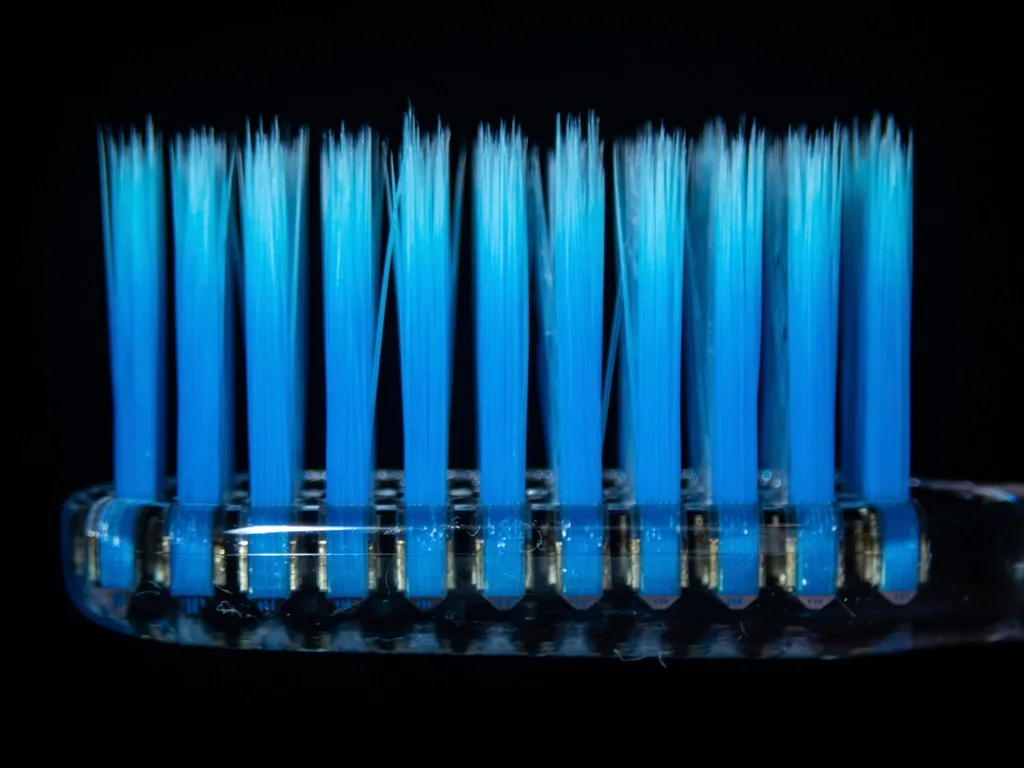
- Interdental brushes are tiny brushes that scrub plaque from wider gaps between teeth; they need the right size for each space.
- Water flossers use a pulsing stream to flush plaque and food from between teeth and along the gum line, including tight spots, braces, bridges and implants.
- Many dentists suggest using whichever you'll do daily, and sometimes both: interdental brushes for wider gaps and a water flosser for everything else.
General information about consumer products, not dental advice. Ask your dentist or hygienist which interdental cleaners and sizes are right for your teeth, especially if you have gum disease, implants or bridges.
Brushing cleans the front, back and chewing surfaces of your teeth, but it misses the spaces between them, which is where many cavities and most gum problems start. That's why dentists recommend cleaning between your teeth every day. The question is how: string floss, a water flosser or an interdental brush?
This guide compares water flossers and interdental brushes: how each works, which spaces they suit, ease of use, comfort, cost and maintenance, and how to combine them for a complete routine.
Why is cleaning between teeth so important?
A toothbrush can't reach the tight spaces between teeth, so plaque builds up there. Over time, that plaque can cause gum inflammation, bad breath, tartar and cavities. The American Dental Association recommends cleaning between your teeth once a day with an interdental cleaner, such as floss, interdental brushes or a water flosser. The NIDCR explains that plaque buildup is the starting point of gum disease.
How do interdental brushes work?
Interdental brushes look like tiny bottle brushes on a handle. You push the brush gently into the space between two teeth and move it back and forth a few times, scrubbing plaque off the side surfaces. They come in many sizes, from very thin to wide, and the right size should fit snugly without forcing. Many people need two or three sizes for different spaces in their mouth.
How does a water flosser work?
A water flosser sends a pulsing stream of water through a narrow tip. Aimed at the gum line, the stream flushes food and plaque from between teeth and just below the gum line. It doesn't need to fit into each space, so it works for tight contacts, wide gaps, braces and dental work alike. The ADA's MouthHealthy notes that water flossers can be a good option for people who have trouble flossing, including those with braces or bridges.
How do they compare?
| Factor | Interdental brush | Water flosser |
|---|---|---|
| Best spaces | Wider gaps, open spaces, recession | All spaces, including tight ones |
| Braces, bridges, implants | Good with the right sizes | Very good |
| Mechanical scrubbing | Strong | Flushing action |
| Gum line cleaning | Limited | Good, just below the gum line |
| Sizing | Need correct sizes | One tip fits all spaces |
| Comfort on tender gums | Can be uncomfortable if too big | Gentle on low settings |
| Portability | Very portable | Portable if cordless |
| Ongoing cost | Replacement brushes | Occasional tips |
When are interdental brushes the better choice?
- Wider gaps between teeth, often from gum recession or periodontal treatment.
- Strong scrubbing of plaque on the sides of teeth in open spaces.
- On the go: they fit in a pocket.
- Specific spots your dentist has flagged.
The downside: they don't fit very tight contacts, the wrong size can hurt the gums, and some people find them fiddly to use in the back of the mouth.
When is a water flosser the better choice?
- Tight contacts where interdental brushes don't fit.
- Braces, bridges, crowns and implants. See water flossers for braces and water flossers for implants.
- Tender or bleeding gums, on a low setting.
- Limited dexterity or arthritis.
- Speed: the whole mouth in a minute or two.
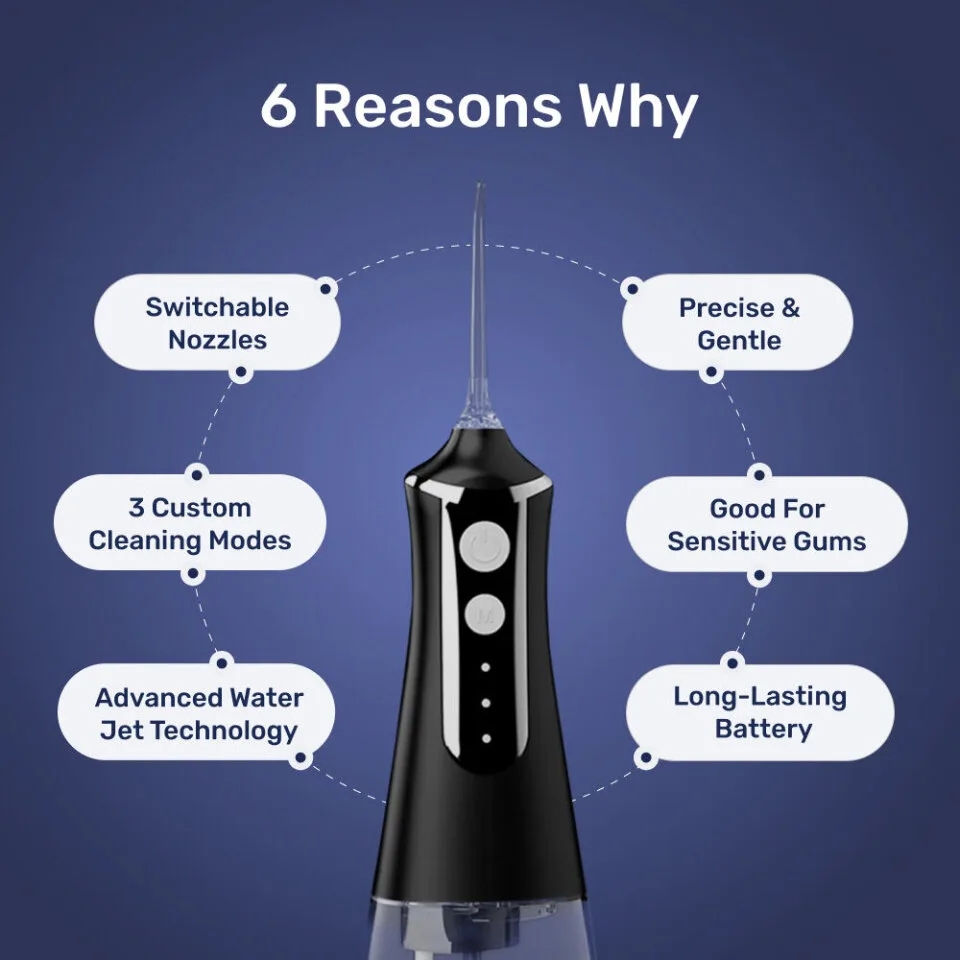
Which water flosser makes daily cleaning easy?
The WellaWhite Water Flosser is cordless and rechargeable, with a built-in tank, three cleaning modes and interchangeable nozzles. The modes let you start gently on tender gums and increase as they get healthier; the nozzles let different family members use their own tip. It's compact enough to travel with and braces-friendly. It's sold at up to 75% off on the official site. Read our WellaWhite Water Flosser review and how to use a water flosser.
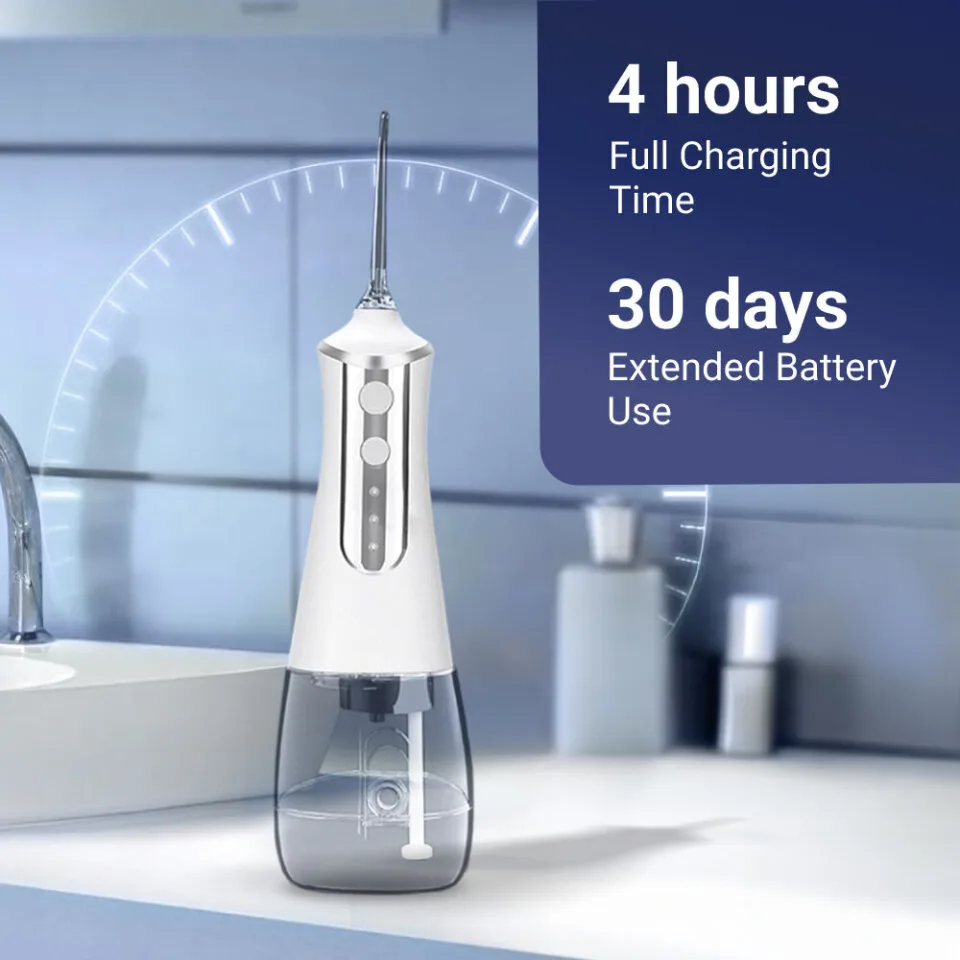
Clean every space between your teeth, quickly
WellaWhite cordless water flosser: three modes, interchangeable nozzles, rechargeable and braces-friendly. Up to 75% off on the official site.
Check today's price →Up to 75% off on the official site
Can you use both?
Yes, and many dentists recommend it for people with wider gaps or gum disease. A simple combined routine:
- Interdental brushes in the wider gaps your dentist identified.
- Water flosser over the whole mouth, tracing the gum line.
- Brush for two minutes.
If you're short on time, a water flosser alone covers every space, and you can add interdental brushes a few times a week.
Where does string floss fit in?
String floss is excellent for tight contacts and scrapes plaque directly off tooth surfaces, but many people find it hard to use consistently. If you floss well every day, keep doing it. If you skip it often, a water flosser or interdental brushes may be easier to stick with. See water flosser vs floss.
How do you choose the right interdental brush size?
The brush should slide in with light resistance, without bending or hurting. If it's loose, it won't clean well; if you have to force it, it's too big and can damage the gums. Ask your hygienist to measure your spaces at your next cleaning, and start with a small size, moving up only if it feels too loose. Replace brushes when the bristles flatten or the wire bends.
What's the right technique for each?
Interdental brush: hold it like a pencil, insert gently at the gum line at a slight angle, move it in and out two or three times, rinse and move to the next space.
Water flosser: fill with lukewarm water, start on low, lean over the sink, aim at the gum line at about 90 degrees, trace slowly along each tooth and pause between teeth. See how often to use a water flosser.
What if your gums bleed?
Some bleeding is common when you start cleaning between teeth regularly, especially if your gums were inflamed. It usually decreases within one to two weeks. If it doesn't, or you have swelling, recession or bad breath that won't go away, see a dentist. See how to stop bleeding gums.
How do the costs compare?
Interdental brushes are inexpensive individually but need regular replacement, and you may need several sizes. A water flosser is an upfront purchase with occasional tip replacements, and it can be shared with separate tips. Over a year, the costs are often similar; the right choice is the one you'll use daily.
Who should choose which?
| Your situation | Best fit |
|---|---|
| Wider gaps, gum recession | Interdental brushes (plus a water flosser) |
| Tight teeth | Water flosser or string floss |
| Braces, bridges, implants | Water flosser (plus brushes if advised) |
| Sensitive or bleeding gums | Water flosser on low |
| Arthritis or limited dexterity | Water flosser |
| Always on the go | Interdental brushes or a cordless flosser |
What does a complete daily routine look like?
Morning: brush for two minutes. Evening: clean between your teeth with a water flosser, plus interdental brushes in any wider gaps, then brush for two minutes. Every six months, or as your dentist recommends: a professional cleaning. That routine takes about five minutes a day and protects both your teeth and your gums. See how to improve gum health.
What works best with braces?
With braces, food and plaque collect around every bracket and under the wire. Interdental brushes are useful for cleaning between brackets and under the wire, especially the small "Christmas tree" shaped ones, while a water flosser flushes the whole mouth quickly, including the gum line around each bracket. Many orthodontists recommend both: a water flosser after meals and before bed, plus interdental brushes for spots where food tends to stick. Together, they make cleaning with braces much faster than threading floss under the wire every night.
Which is easier for kids and teens?
Water flossers are usually easier for children and teens to learn, since there's no sizing and the technique is simple. Interdental brushes can be tricky for young hands in the back of the mouth. Start kids on the lowest water flosser setting with supervision, and introduce interdental brushes when the dentist recommends them, often for teens with braces or wider spaces.
How do you make between-teeth cleaning stick?
Keep your tools next to your toothbrush, not in a drawer. Clean between your teeth before you brush at night, so it becomes one routine instead of two. If you're tired, a quick water flosser session still beats skipping it. Notice the benefits, like fresher breath and gums that no longer bleed, which helps keep you motivated. Within a few weeks, most people find it feels strange to skip it.
The bottom line
Interdental brushes are great for scrubbing wider gaps, while water flossers clean every space and the gum line gently, including around braces, bridges and implants. Both are effective; the best choice is the one you'll use every day, and many people get the best results from combining them.
For a quick, gentle way to clean between all your teeth, our pick is the WellaWhite Water Flosser. Check today's WellaWhite Water Flosser price.
Sources
- American Dental Association. Floss.
- ADA MouthHealthy. Water Flossers.
- National Institute of Dental and Craniofacial Research. Gum Disease.
- Official WellaWhite product page, checked October 2026.
Frequently asked questions
Is a water flosser better than an interdental brush?
They suit different mouths. Interdental brushes scrub wider gaps well; water flossers clean every space and the gum line gently. The best is the one you'll use daily.
Can I use a water flosser instead of interdental brushes?
Many people do, especially with tight teeth, braces or dental work. With wider gaps or gum disease, dentists often suggest using both.
How do I choose the right interdental brush size?
It should slide in with light resistance without bending or hurting. Ask your hygienist to measure your spaces; many people need two or three sizes.
Are interdental brushes good for braces?
They can be, with the right sizes, but a water flosser is often faster and easier around brackets and wires.
Which is better for bleeding gums?
A water flosser on a low setting is often more comfortable. Bleeding usually decreases within one to two weeks of daily cleaning.
Should I use interdental brushes and a water flosser together?
Yes, if you have wider gaps: interdental brushes in those spaces, then a water flosser over the whole mouth, then brushing.

Michelle Hert
Michelle researches at-home oral care products, from whitening kits to water flossers, and reads the dental research and buyer feedback behind them so readers can make smarter choices. She is not a dentist, and her guides are not a substitute for professional dental care. Her guides are built on published research, manufacturer information and verified buyer feedback, and are updated when new information comes out. More about Michelle.