
- Bacteria on the tongue and between teeth, breaking down food particles and releasing smelly sulfur compounds.
- Gum disease.
- Dry mouth.
- Certain foods, such as garlic, onions and coffee.
- Smoking.
General information, not dental or medical advice. Bad breath that doesn't improve with good oral hygiene can be a sign of gum disease or another health issue, so talk with your dentist or doctor.
Bad breath is one of those problems that's hard to notice in yourself and awkward for others to mention. Almost everyone has it sometimes, especially in the morning or after a garlicky meal. But ongoing bad breath (halitosis) can affect confidence at work, on dates and in everyday conversation.
The good news: most bad breath comes from the mouth and responds well to better daily habits. This guide explains the common causes, how to check your breath, what actually helps, and when to see a professional.
What causes bad breath?
The ADA's MouthHealthy lists common causes of bad breath, including food, poor oral hygiene, gum disease, dry mouth and tobacco use. In more detail:
- Bacteria and food particles: bacteria feed on food bits left between teeth, along the gumline and on the tongue, and release sulfur compounds that smell.
- The tongue: the rough back of the tongue traps bacteria and debris; it's a major source of odor.
- Gum disease: pockets between gums and teeth harbor bacteria. The National Institute of Dental and Craniofacial Research lists persistent bad breath among the signs of gum disease.
- Dry mouth: saliva rinses the mouth; less saliva means more odor. Causes include sleep, mouth breathing, many medications and dehydration.
- Foods: garlic, onions, spices and coffee have odors that linger or are released through the lungs.
- Tobacco: smoking and chewing tobacco cause their own odor and raise gum disease risk.
- Dental work and appliances: food trapped around braces, bridges or dentures that aren't cleaned well.
- Other health conditions: sinus and throat issues, reflux and some medical conditions can cause breath odor.
How can you tell if you have bad breath?
It's hard to smell your own breath, because your nose gets used to odors from your own body. A few simple checks: lick the inside of your wrist, let it dry for a few seconds and smell it; scrape the back of your tongue with a spoon and smell it; or ask someone you trust. Notice whether your breath is worse in the morning, after certain foods, or all day long.
Why is cleaning your tongue so important?
Many people brush their teeth carefully and forget the tongue, where a large share of odor-causing bacteria live, especially toward the back. Gently brush your tongue with your toothbrush or use a tongue scraper from back to front, rinsing as you go. Many people notice a difference in their breath within days of adding this step. Be gentle: scraping too hard can irritate the tongue, and a few light passes are enough.
Why does cleaning between teeth help breath?
Food and plaque trapped between teeth and under the gumline are prime spots for odor-producing bacteria, and a toothbrush can't fully reach them. The ADA recommends cleaning between your teeth once a day with floss or another interdental cleaner, including water flossers. If you smell your floss after using it and it's unpleasant, that's a sign that area needed cleaning.
A water flosser makes daily cleaning between teeth easier and more pleasant for many people, which is often what turns it into a habit. The WellaWhite Water Flosser is cordless and rechargeable, with 3 cleaning modes and interchangeable nozzles, and it's braces-friendly. A pulsing stream flushes food particles and debris from between teeth and along the gumline. It's sold on the official site with discounts of up to 75%. See how to use a water flosser.

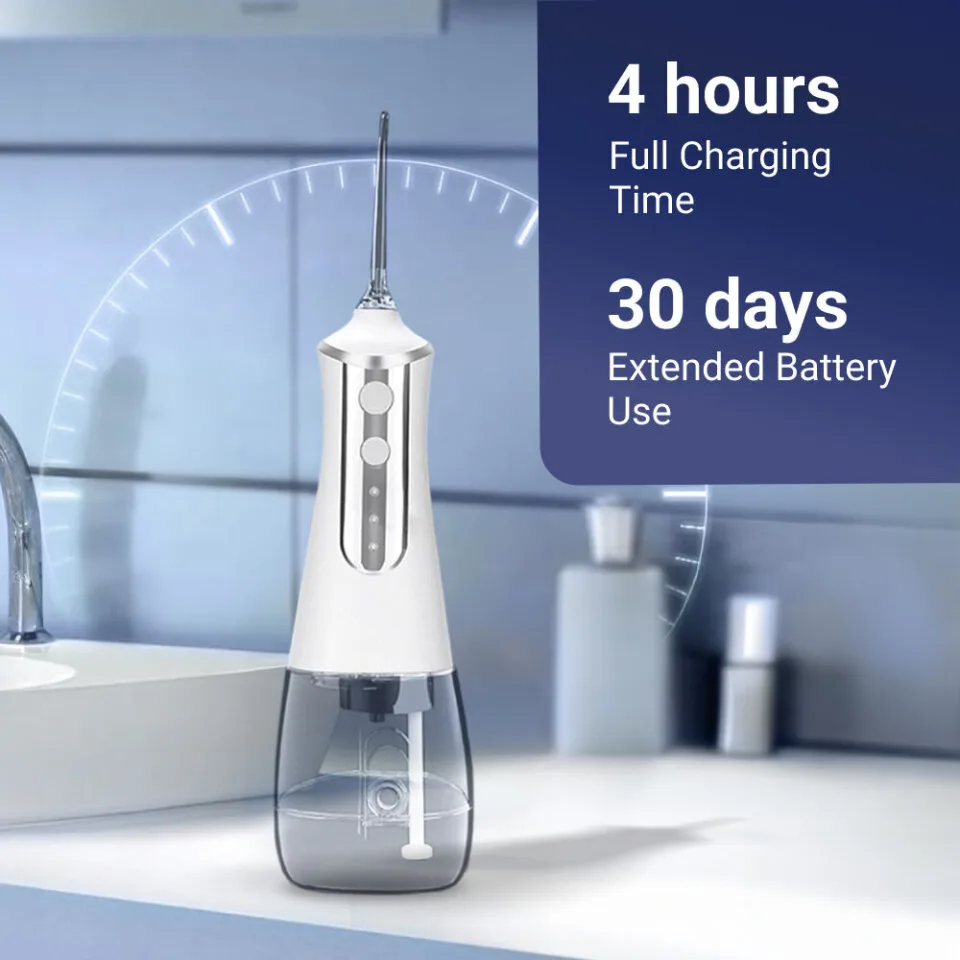
Clean where bad breath starts
WellaWhite Water Flosser: cordless, 3 cleaning modes, interchangeable nozzles, braces-friendly. Up to 75% off on the official site.
Check today's price →Up to 75% off on the official site
What daily routine helps prevent bad breath?
- Brush twice a day for two minutes with fluoride toothpaste. See how to brush properly.
- Clean your tongue every time you brush, back to front.
- Clean between your teeth once a day, ideally at night.
- Stay hydrated throughout the day, sipping water rather than sugary drinks.
- Rinse with water after meals, snacks and coffee.
- Chew sugar-free gum to stimulate saliva when you can't brush.
- Clean dentures and appliances daily, as instructed by your dentist.
- Replace your toothbrush every three to four months.
What can you do about dry mouth?
Drink water regularly, limit alcohol and caffeine, use a humidifier at night if you breathe through your mouth, and chew sugar-free gum or suck sugar-free lozenges to encourage saliva. If dry mouth is caused by medication, ask your doctor or pharmacist about options; don't stop medications on your own.
Does mouthwash fix bad breath?
Many mouthwashes mask odor temporarily. Some therapeutic rinses can help reduce bacteria and plaque. But mouthwash doesn't replace brushing, tongue cleaning and cleaning between teeth, which remove the source. If you rely on mints and mouthwash all day, look for the underlying cause.
Which foods and drinks make breath worse or better?
- Worse: garlic, onions, strong spices, coffee, alcohol, sugary snacks and very high-protein, low-carb diets.
- Better: water, crunchy fruits and vegetables like apples and carrots that stimulate saliva, and plain yogurt for some people.
Could bad breath mean gum disease?
Possibly. Persistent bad breath, red or swollen gums, bleeding when brushing or flossing, gums pulling away from teeth and loose teeth are warning signs. Gum disease is common and treatable, especially when caught early. See the signs of gum disease and how to stop bleeding gums.
Why is morning breath so bad?
Saliva production drops during sleep, so bacteria multiply and odor builds up overnight. Mouth breathing and snoring make it worse. A thorough evening routine, brushing, tongue cleaning and cleaning between teeth, reduces morning breath significantly. Drinking water when you wake up helps too.
When should you see a dentist or doctor?
See your dentist if bad breath persists despite good oral hygiene, or if you notice signs of gum disease, a painful tooth or a bad taste that won't go away. If your dentist rules out mouth causes, see your doctor to check for sinus, throat, digestive or other health issues.
What are common myths about bad breath?
- "Mints and gum fix it." They mask odor for a short time; they don't remove the bacteria causing it. Sugar-free gum does help by stimulating saliva, but it's a supplement to brushing and cleaning, not a replacement.
- "If I brush well, I can't have bad breath." Brushing alone misses the tongue and the spaces between teeth, two of the biggest sources of odor.
- "Bad breath always comes from the stomach." Most bad breath starts in the mouth. Stomach and digestive causes are much less common.
- "Strong mouthwash is better." Harsh alcohol-based rinses can dry the mouth, which may make breath worse over time for some people.
- "Only people with poor hygiene get bad breath." Dry mouth from medications, diets, illness or simply sleeping can cause it in anyone.
Can children have bad breath?
Yes. In children, common causes include food trapped between teeth, not brushing the tongue, mouth breathing from a stuffy nose or enlarged tonsils, and sometimes a small object stuck in the nose, which can cause a one-sided foul smell. Help young kids brush their teeth and tongue twice a day, encourage water instead of sugary drinks, and mention persistent bad breath to their dentist or pediatrician.
How do you build a fresh-breath habit that sticks?
Attach the new steps to habits you already have. Keep a tongue scraper next to your toothbrush so tongue cleaning becomes part of brushing. Put the water flosser on the counter, charged and visible, and use it right before your evening brush. Carry a water bottle so you sip through the day. Set a reminder for the first two weeks; after that, most people find the routine automatic. Many notice fresher breath within days, which is great motivation to keep going.
What about braces, bridges and dentures?
Orthodontic and dental appliances create extra places for food and plaque to hide, so breath problems are common if cleaning isn't thorough. With braces, food gets trapped around brackets and under wires; a water flosser and a small interdental brush help reach those spots. Under a bridge, use a floss threader or a water flosser aimed beneath the false tooth. Dentures should be removed and cleaned daily with a denture brush and cleaner, soaked overnight as your dentist recommends, and never cleaned with regular toothpaste, which can scratch them. Don't forget to brush your gums, tongue and the roof of your mouth if you wear full dentures.
How do you handle bad breath at work or on a date?
For a quick fix, drink water, chew sugar-free gum, and if you can, brush or at least rinse after meals. Keep a travel kit with a small brush, toothpaste and floss picks at work or in your bag. Avoid the strongest odor foods before important meetings or dates. These are short-term measures; the lasting fix is the daily routine above, which tackles the cause rather than masking it.
The bottom line
Most bad breath comes from bacteria on the tongue and between teeth, gum disease, dry mouth, foods and tobacco. Brush twice a day, clean your tongue, clean between your teeth daily, stay hydrated and see your dentist regularly. If it persists, get checked for gum disease or other causes.
For easy daily cleaning between teeth, our pick is the WellaWhite Water Flosser. Check today's WellaWhite Water Flosser price, and see water flosser vs floss.
Sources
- MouthHealthy (ADA). Bad Breath.
- National Institute of Dental and Craniofacial Research. Gum Disease.
- American Dental Association. Floss / Interdental Cleaners.
Frequently asked questions
What is the most common cause of bad breath?
Bacteria in the mouth, especially on the back of the tongue and between teeth, breaking down food particles and releasing sulfur compounds.
How do I get rid of bad breath permanently?
Brush twice a day, clean your tongue, clean between teeth daily, stay hydrated, avoid tobacco and see your dentist regularly. Persistent bad breath needs a checkup.
Can gum disease cause bad breath?
Yes. Persistent bad breath is one of the signs of gum disease, along with red, swollen or bleeding gums.
Does a water flosser help with bad breath?
It helps by flushing food particles and debris from between teeth and along the gumline, where odor-causing bacteria thrive.
Does mouthwash cure bad breath?
Many mouthwashes only mask odor temporarily. Removing the source with brushing, tongue cleaning and interdental cleaning works better.
When should I see a doctor about bad breath?
If it persists despite good oral hygiene and your dentist rules out mouth causes, see your doctor to check for sinus, throat, digestive or other issues.

Michelle Hert
Michelle researches at-home oral care products, from whitening kits to water flossers, and reads the dental research and buyer feedback behind them so readers can make smarter choices. She is not a dentist, and her guides are not a substitute for professional dental care. Her guides are built on published research, manufacturer information and verified buyer feedback, and are updated when new information comes out. More about Michelle.