- Aim the tip under the false tooth (pontic) from both the cheek side and the tongue side.
- Trace the gumline around the supporting teeth (abutments), where plaque collects.
- Use a low to medium setting and lukewarm water.
- Clean once a day, along with brushing twice a day.
- Add a floss threader or superfloss if your dentist recommends it.
General information about consumer products, not dental advice. Follow your dentist's instructions for cleaning your bridge.
A dental bridge replaces one or more missing teeth by attaching a false tooth to crowns on the neighboring teeth. It restores your smile and bite, but it also creates a space under the false tooth that regular floss can't slide into from above. Food and plaque collect there, and if they're not cleaned, they can lead to bad breath, gum inflammation and decay in the supporting teeth. A water flosser flushes that space easily. This guide explains why bridge care matters, how to use a water flosser under a bridge, and how to build a complete daily routine.
Why is cleaning under a bridge important?
- Food and plaque collect under the false tooth.
- The supporting teeth (abutments) can develop decay at the crown edges.
- Gum inflammation around the bridge can lead to gum disease.
- Trapped food causes bad breath.
A bridge can last many years with good care, and keeping the supporting teeth healthy is the key. The American Dental Association recommends daily cleaning between teeth with tools suited to your mouth.
How do you use a water flosser under a bridge?
- Fill the tank with lukewarm water and start on a low setting.
- Lean over the sink and close your lips around the tip.
- Aim the tip at the gumline next to the first supporting tooth.
- Move to the false tooth and aim the stream under it from the cheek side, holding for a few seconds.
- Repeat from the tongue side.
- Trace the gumline around the second supporting tooth.
- Continue around the rest of your mouth.
Which tools work for bridges?
| Tool | How it helps |
|---|---|
| Water flosser | Flushes debris under the pontic and along gumlines |
| Floss threader | Guides regular floss under the bridge |
| Superfloss | Floss with a stiff end and spongy section for bridges |
| Interdental brush | Cleans spaces at the sides of the bridge |
| Soft toothbrush | Cleans the visible surfaces and gumline |
Many people combine a water flosser with superfloss or an interdental brush. See water flosser vs interdental brush.
Why is a water flosser easier than floss threaders?
Threading floss under a bridge every day takes time and dexterity, and many people give up. A water flosser just needs to be aimed under the bridge. The ADA's MouthHealthy notes water flossers can help people with bridges and braces who find floss difficult. See water flosser vs floss.
Daily bridge care in about a minute
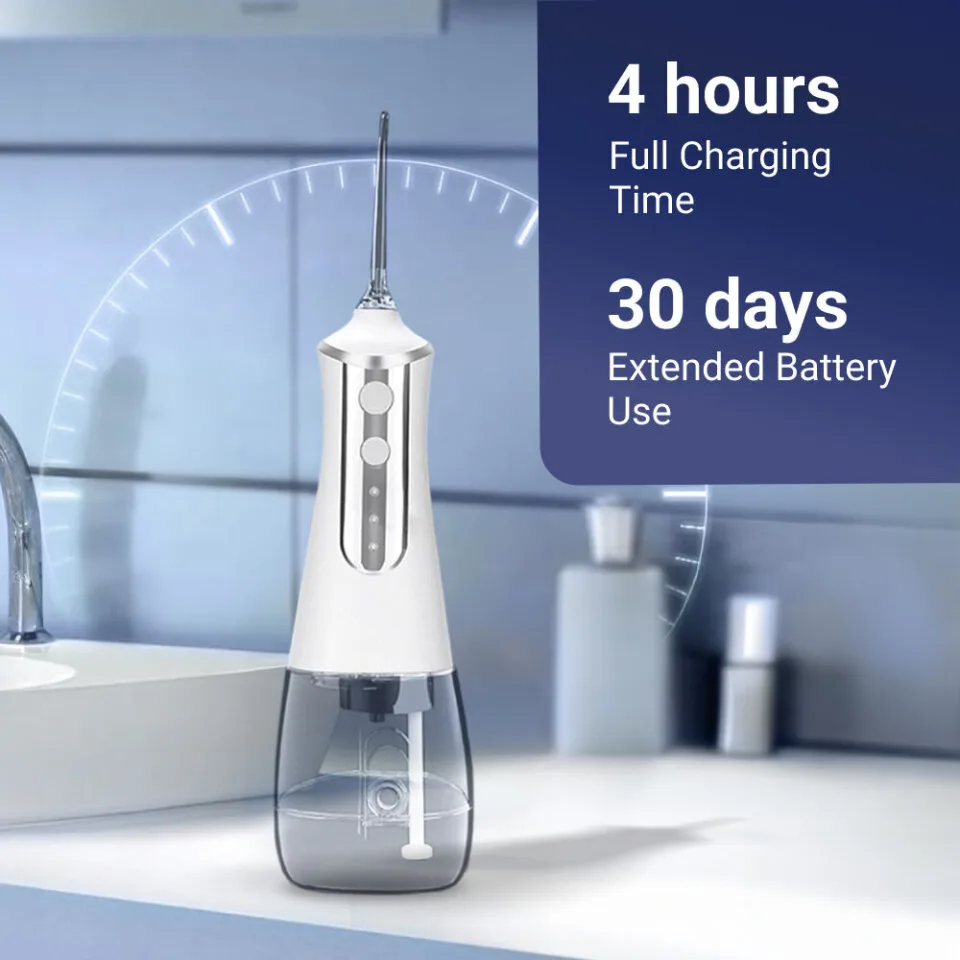
WellaWhite Water Flosser: cordless and rechargeable, 3 modes, interchangeable nozzles, braces-friendly and compact for travel. Up to 75% off on the official site.
Check today's price →Up to 75% off on the official site
Why the WellaWhite Water Flosser?
The WellaWhite Water Flosser is cordless and rechargeable, with three modes and interchangeable nozzles. The gentle mode suits tender gums around a new bridge, and the compact design is easy to angle under false teeth. Read our WellaWhite Water Flosser review.
Which setting should you use?
Start on the lowest setting, especially with a new bridge, and move to medium if comfortable. Focus on aim and pace rather than maximum pressure. See water flosser pressure settings.
What about a new bridge?
Gums may be tender for a few days after a bridge is placed. Follow your dentist's instructions and start gently. Your dentist may show you how to clean under the bridge at your appointment.
How should you brush a bridge?
Brush twice daily with a soft brush, angling toward the gumline around the crowns and false tooth. An electric toothbrush can make thorough brushing easier. See how to brush teeth properly.
What are signs of a problem?
- Bad taste or bad breath around the bridge.
- Bleeding or swollen gums near the bridge.
- Pain or sensitivity in a supporting tooth.
- The bridge feels loose.
See your dentist if you notice any of these. The NIDCR explains gum disease warning signs.
Is cleaning an implant bridge different?
Implant-supported bridges also need careful cleaning underneath and around the implants. Water flossers are commonly recommended. See water flosser for implants.
How often should you clean under a bridge?
At least once a day, usually at night before brushing. If food tends to get stuck under your bridge, a quick rinse with the water flosser after meals keeps it fresh. Daily cleaning is the most important habit for making a bridge last.
Which nozzle should you use?
A standard jet tip works well for most bridges. Some flossers offer specialized tips, such as ones with a soft rubber end for implants and periodontal pockets. Ask your dentist which is best for your bridge, and replace tips every few months. See how to clean a water flosser.
When do you still need superfloss?
Superfloss or a floss threader physically scrapes the underside of the false tooth and the sides of the abutment crowns. Some dentists recommend using it a few times a week in addition to water flossing, especially if plaque builds up quickly. Your hygienist can show you the technique.
Why does my bridge smell?
A bad smell usually means food or plaque trapped under the bridge. Daily water flossing typically solves it. If the smell persists, there may be decay under a crown or gum inflammation; see your dentist. See water flosser for bad breath.
How long does a bridge last?
With good care and regular checkups, many bridges last for years. The biggest threat is decay or gum disease around the supporting teeth, which daily cleaning helps prevent.
Is a water flosser easier with limited dexterity?
Yes. Threading floss under a bridge requires fine finger control, which can be hard with arthritis. Aiming a water flosser is much simpler. A cordless model is easy to hold and doesn't need a nearby outlet.
What's a daily bridge routine?
- Water floss under the bridge from both sides and along all gumlines.
- Use superfloss or an interdental brush if your dentist recommends it.
- Brush twice daily with fluoride toothpaste.
- See your dentist for regular cleanings and checks.
Does a cantilever bridge need different care?
A cantilever bridge is supported on only one side. The false tooth still needs cleaning underneath, and the single supporting tooth carries more load, so keeping its gumline clean is especially important. Use the same water flosser technique, aiming under the false tooth from both sides and carefully around the supporting crown.
What about a Maryland bridge?
Maryland bridges are bonded to the back of neighboring teeth with metal or porcelain wings. Clean under the false tooth and along the edges of the wings, where plaque can collect. A gentle setting is a good starting point.
Should you use mouthwash with a bridge?
Mouthwash can freshen breath and some types add fluoride, but it doesn't remove plaque under the bridge. Use it as an extra, not a replacement for water flossing and brushing. If you'd like to add it to your flosser tank, check the manual first.
How do you care for a bridge while traveling?
Pack a compact cordless flosser, a travel toothbrush and superfloss. Even a quick daily session keeps the bridge clean on the road. See water flosser for travel.
How often should a bridge be checked?
At your regular dental visits, usually every six months or as your dentist recommends. Your hygienist will clean areas you can't reach and check the supporting teeth.
What mistakes should you avoid?
- Only brushing and never cleaning under the bridge.
- Starting on high pressure around a new bridge.
- Aiming only from the cheek side.
- Skipping regular dental checkups.
- Ignoring a bad taste or smell around the bridge.
What's the takeaway?
Aim the stream under the false tooth from both sides once a day, brush twice daily and keep regular checkups. Your bridge and supporting teeth will thank you.
Is a water flosser good for the whole family?
Yes. With separate tips, a single flosser can serve family members with braces, bridges or implants. Each person can choose their comfort setting. It's an easy way to improve everyone's between-teeth cleaning.
What if you already have gum problems near the bridge?
See your dentist for treatment. Water flossing supports professional care but doesn't replace it. See water flosser for gum disease.
Is a water flosser worth it for one bridge?
Yes. A bridge is a significant investment, and protecting the supporting teeth from decay and gum disease helps it last. A water flosser makes the daily cleaning quick, so you're more likely to keep it up.
How should it feel?
A gentle, pulsing flush under the bridge, never sharp pain. If it hurts, lower the setting.
The bottom line
Cleaning under a bridge every day protects the supporting teeth and your gums. A water flosser aimed under the false tooth from both sides, plus brushing and occasional superfloss, makes it quick and easy.
For easy daily bridge care, our pick is the WellaWhite Water Flosser. Check today's WellaWhite Water Flosser price.
Sources
- American Dental Association. Floss / Interdental Cleaners.
- ADA MouthHealthy. Water Flossers.
- National Institute of Dental and Craniofacial Research. Gum Disease.
Frequently asked questions
Can you use a water flosser on a bridge?
Yes, it's one of the easiest ways to clean under a bridge.
How do I clean under a dental bridge?
Aim the water flosser under the false tooth from both sides and trace the gumlines of the supporting teeth.
What setting should I use for a bridge?
Start low, especially with a new bridge, and move to medium if comfortable.
Do I still need superfloss?
Some dentists recommend it a few times a week in addition to water flossing.
Why does my bridge smell?
Usually food or plaque trapped underneath; daily cleaning helps.
How often should I clean under my bridge?
At least once a day.

Michelle Hert
Michelle researches at-home oral care products, from whitening kits to water flossers, and reads the dental research and buyer feedback behind them so readers can make smarter choices. She is not a dentist, and her guides are not a substitute for professional dental care. Her guides are built on published research, manufacturer information and verified buyer feedback, and are updated when new information comes out. More about Michelle.