
Manual or electric? It's one of the most common oral care questions, and "electric toothbrush vs manual" is searched about 2,000 times a month in the US. With electric brushes now available at a fraction of what they used to cost, it's a fair question to ask.
In this guide we look at what the research says, the real advantages of each, who benefits most from switching, and what to look for in an electric toothbrush.
General information about consumer products, not dental advice.
What does the research say?
The best evidence comes from a Cochrane systematic review, which pooled data from dozens of clinical trials. It found that powered toothbrushes reduced plaque by 11% after one to three months and by 21% after more than three months compared with manual toothbrushes, and reduced gingivitis by about 6% in the shorter term (Yaacob et al., 2014).
In plain English: over time, people using an electric toothbrush tend to remove more plaque and have healthier gums than people using a manual one.
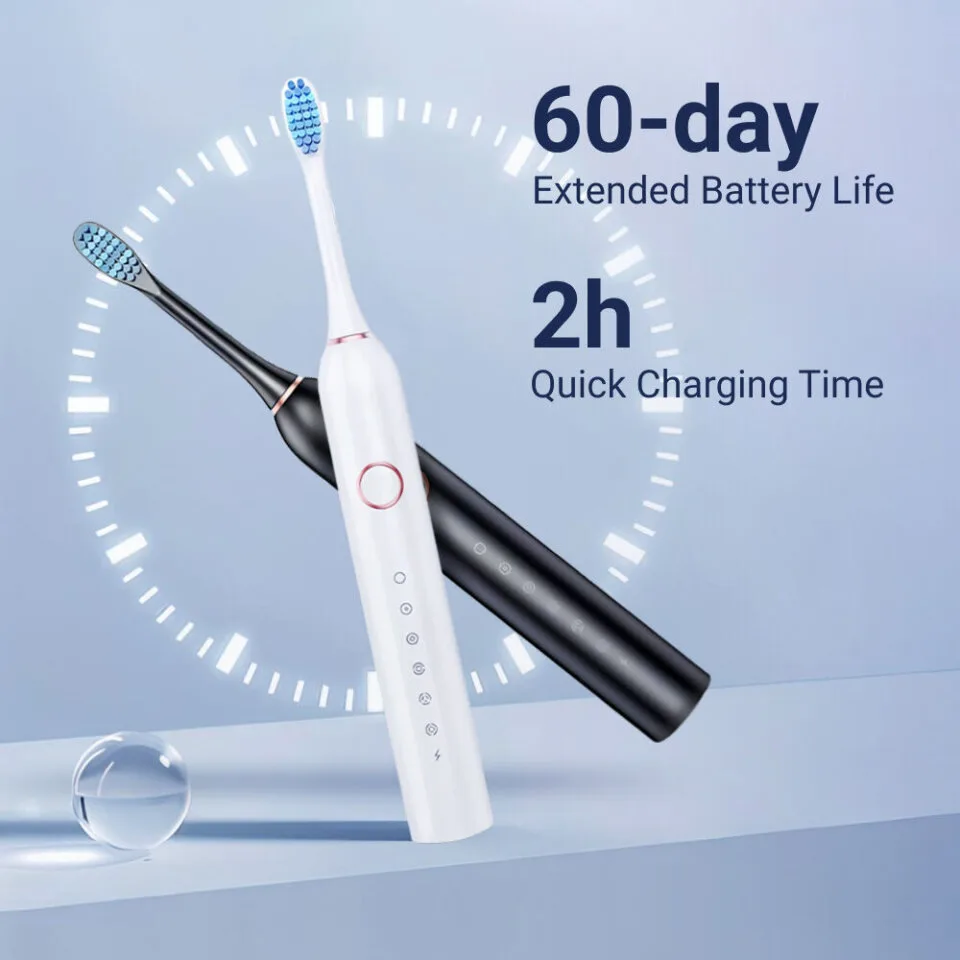
Electric vs manual toothbrush: how do they compare?
| Electric (sonic) | Manual | |
|---|---|---|
| Plaque removal | Better over time (Cochrane) | Good with perfect technique |
| Two-minute timer | Built in | You have to count |
| Gentle on gums | Does the work, less scrubbing | Easy to brush too hard |
| Modes | Sensitive, whitening and more | One |
| Upfront cost | Higher | Very low |
| Charging | Needed (weeks per charge) | None |
| Travel | Easy with long battery | Easiest |
Why do electric toothbrushes clean better?
- More movements: sonic brushes vibrate tens of thousands of times per minute, far more than any hand can manage.
- Built-in timers: most people brush for well under two minutes without realizing it. A timer fixes that.
- Consistent technique: you guide the brush, it does the motion. No more "brushing in a hurry."
- Less pressure: you don't need to scrub, which protects gums and enamel.
Who benefits most from an electric toothbrush?
- People with bleeding or tender gums. Gentle, thorough cleaning helps. See how to stop bleeding gums.
- People who brush too hard. The brush does the work so you can relax your grip.
- Coffee and tea drinkers. Removing more plaque helps keep stains from building up. See coffee stains on teeth.
- People with braces. Electric brushes clean around brackets more easily.
- Kids and teens (with supervision), who often brush too briefly.
- People with limited dexterity or arthritis.
Sonic vs oscillating: what's the difference?
There are two main types of electric toothbrushes:
- Oscillating-rotating brushes have a small round head that spins back and forth.
- Sonic brushes have a traditional-shaped head that vibrates side to side at very high speed, creating fluid movement between teeth.
Both outperform manual brushing in research. Sonic brushes often feel gentler and more familiar because the head is shaped like a regular toothbrush.
What should you look for in an electric toothbrush?
- Multiple modes, including a sensitive mode and a whitening or polishing mode.
- A two-minute smart timer with 30-second interval alerts.
- Soft bristles. Hard bristles aren't more effective and can harm gums.
- Long battery life, so you're not charging every few days.
- Waterproof design (IPX7 or similar).
- Replacement heads included or easy to buy.
Which electric toothbrush do we recommend?
Our pick is the WellaWhite Sonic Electric Toothbrush. According to WellaWhite, it offers:
- 42,000 sonic strokes per minute for a deep clean.
- 6 cleaning modes, including Sensitive and Whitening.
- A smart timer for the full two minutes.
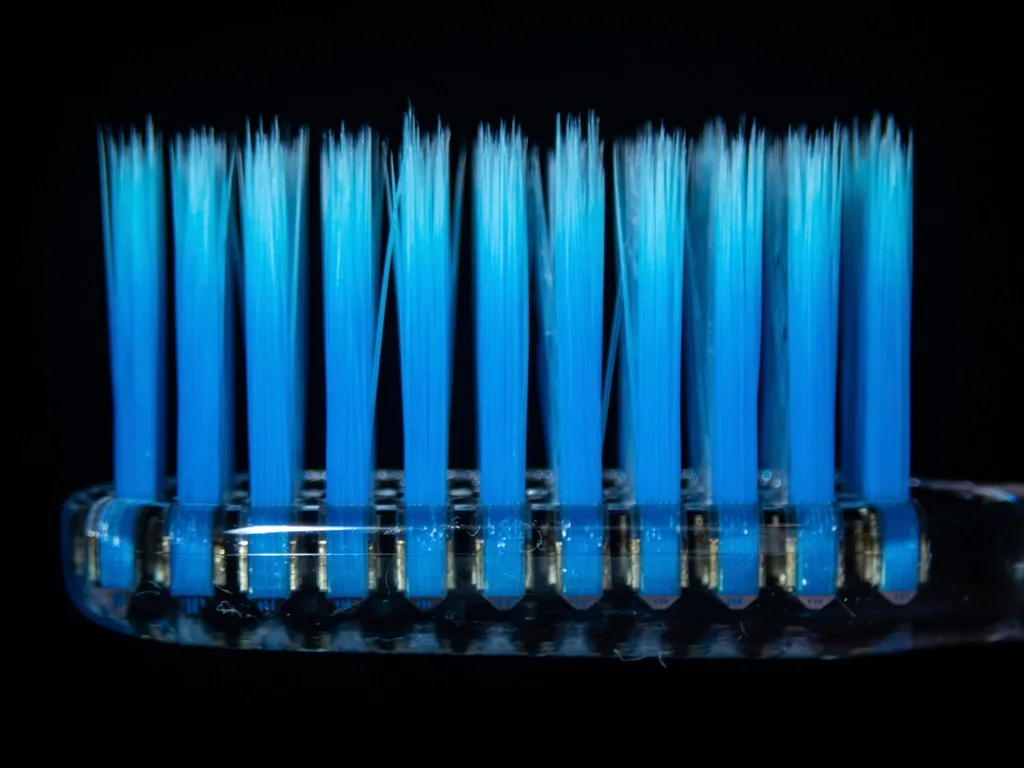
- Ultra-soft bristles designed to clean without irritation.
- IPX7 waterproof design, safe to use in the shower.
- Full charge in about 2 hours and up to 60 days of battery life.
- 4 replaceable brush heads included.
That combination makes it a strong all-rounder, whether your goal is healthier gums, fewer stains or simply better brushing habits.
Our pick: the WellaWhite Sonic Electric Toothbrush
Sonic toothbrush with 6 modes including Sensitive and Whitening, a smart timer, 4 brush heads and up to 60 days of battery.
Check today's price →Up to 75% off on the official site
How do you brush with an electric toothbrush?
- Apply a pea-sized amount of fluoride toothpaste.
- Place the brush in your mouth before turning it on to avoid splatter.
- Angle the bristles toward the gumline at about 45 degrees.
- Glide slowly from tooth to tooth. Don't scrub; let the vibrations work.
- Follow the timer: about 30 seconds per quarter of your mouth.
- Rinse the head and let it air dry.
- Replace the head about every three months, or sooner if bristles fray, as WellaWhite recommends.
Can a manual toothbrush still be enough?
Yes, if your technique is excellent. The ADA recommends brushing for two minutes twice a day with fluoride toothpaste and cleaning between teeth once a day, and that can be done with a manual brush. If you stay with manual:
- Use a soft-bristled brush.
- Time yourself for the full two minutes.
- Use gentle circular motions at the gumline.
- Replace the brush every three months.
The challenge is doing all of that every single time, which is exactly what an electric brush automates.
What's the complete daily routine?
- Morning: brush for two minutes with a sonic toothbrush.
- Evening: clean between your teeth with a water flosser or floss (water flosser vs floss), then brush for two minutes.
- Optional: a red light session for gum comfort, or LED whitening sessions.
- Twice a year: dental check-up and professional cleaning.
Is an electric toothbrush worth it?
For most people, yes. The research shows better plaque removal and healthier gums over time, and the built-in timer and modes make great brushing effortless. With models like WellaWhite available on sale and lasting up to 60 days per charge, it's one of the easiest upgrades you can make for your smile.
Are electric toothbrushes good for kids?
Many children brush for far less than two minutes and miss the back teeth. An electric toothbrush with a timer makes brushing more consistent, and many kids find it more fun. Choose a gentle mode, supervise younger children, use a pea-sized amount of fluoride toothpaste, and follow your dentist's advice on age-appropriate brushes. WellaWhite notes that its toothbrush can be used by children with the correct intensity and supervision.
What about braces and dental work?
Electric toothbrushes are often recommended for people with braces because the vibrating bristles clean around brackets and wires more easily than a manual brush. If you have braces, implants or bridges, a water flosser is a great partner for cleaning the spaces a brush can't reach. Compare options in water flosser vs floss.
How much does an electric toothbrush cost over time?
An electric toothbrush has a higher upfront cost than a manual one, plus replacement heads every few months. A manual brush also needs replacing every three months. Over a year, the difference is modest, especially with a model that includes several replacement heads in the box. For the better cleaning and healthier gums shown in research, most people find it well worth it.
What are common electric toothbrush mistakes?
- Scrubbing like a manual brush. Just glide the brush and let it vibrate.
- Pressing too hard. Light pressure is enough and protects gums.
- Ignoring the timer. Follow the 30-second quadrant alerts.
- Never changing the head. Worn bristles clean poorly.
- Skipping interdental cleaning. No toothbrush reaches fully between teeth.
Does an electric toothbrush help keep teeth whiter?
An electric toothbrush doesn't bleach teeth, but it does help keep them looking brighter. By removing more plaque every day, it gives new stains fewer places to cling to. That's why a good sonic brush is a great partner for any whitening routine: it helps your results last longer between touch-ups. To lift stains that are already there, pair it with an LED kit such as the WellaWhite LED System. If coffee is your main stain source, see coffee stains on teeth, and if you're starting from scratch, read how to get rid of yellow teeth.
What's it like to switch from manual to electric?
The first few days can feel strange, with a buzzing sensation and a tingly feeling on your gums. Most people get used to it within a week. Start on the gentlest mode, guide the brush slowly from tooth to tooth and let the timer tell you when to move on. After a couple of weeks, many people say their teeth feel smoother and "dentist clean" in a way a manual brush never gave them.
How do you care for an electric toothbrush?
- Rinse the head after each use and let it air dry upright.
- Wipe the handle so toothpaste doesn't build up around the head.
- Replace the head about every three months, or sooner if the bristles splay.
- Don't share brush heads.
Are electric toothbrushes good for travel?
Yes, especially models with long battery life and a travel case. A brush that lasts weeks on a single charge means you can leave the charger at home for most trips. Keep the head covered in your bag, and switch on the travel lock if your brush has one, so it doesn't turn on in your luggage.
The bottom line
Electric toothbrushes beat manual brushes for most people, with less plaque and healthier gums over time according to the Cochrane review. A sonic brush with a timer, soft bristles and a sensitive mode makes thorough, gentle brushing automatic.
Our pick is the WellaWhite Sonic Electric Toothbrush: 6 modes, a smart timer, up to 60 days of battery and 4 brush heads. Check today's price on the official site.
Sources
- Yaacob M. et al. (2014). Powered versus manual toothbrushing for oral health. Cochrane Database of Systematic Reviews.
- American Dental Association. Floss/Interdental Cleaners.
- Official WellaWhite Electric Toothbrush product page, checked October 2026.
Frequently asked questions
Are electric toothbrushes better than manual?
For most people, yes. A Cochrane review found powered toothbrushes reduced plaque by 11% after one to three months and 21% after more than three months compared with manual brushes, and reduced gingivitis.
Is sonic or oscillating better?
Both outperform manual brushing in research. Sonic brushes vibrate at high speed with a regular-shaped head and often feel gentler and more familiar.
Can electric toothbrushes damage gums?
Not when used correctly. Because they do the scrubbing for you, they can actually help people who brush too hard. Use soft bristles and a gentle mode.
How often should I replace an electric toothbrush head?
About every three months, or sooner if the bristles fray, as WellaWhite recommends.
Do electric toothbrushes whiten teeth?
They help remove surface stains and prevent new buildup, especially with a whitening mode, but they won't change your natural tooth shade like a whitening kit.
How long does an electric toothbrush battery last?
It varies by model. WellaWhite says its sonic toothbrush lasts up to 60 days per charge and fully charges in about 2 hours.

Michelle Hert
Michelle researches at-home oral care products, from whitening kits to water flossers, and reads the dental research and buyer feedback behind them so readers can make smarter choices. She is not a dentist, and her guides are not a substitute for professional dental care. Her guides are built on published research, manufacturer information and verified buyer feedback, and are updated when new information comes out. More about Michelle.