
- A professional cleaning to remove surface buildup and tartar.
- Peroxide whitening: an at-home LED kit or in-office treatment.
- Good daily brushing and cleaning between teeth.
General information, not dental or medical advice. Smoking is a major risk factor for gum disease and other health problems. If you'd like help quitting, talk to your doctor or call 1-800-QUIT-NOW.
If you smoke, or used to, you've probably noticed your teeth getting more yellow or brown over time, especially between teeth and along the gumline. It's one of the most visible effects of smoking and one of the most common reasons smokers and ex-smokers look into whitening. The good news is that smoker's stains are largely surface and near-surface stains, which tend to respond well to cleaning and whitening.
This guide explains why smoking stains teeth, what works to remove the stains, how to whiten safely, how to keep results, and why quitting helps your smile far beyond color.
Why does smoking stain teeth?
Tobacco smoke contains tar and nicotine. Nicotine is colorless on its own but turns yellow when it combines with oxygen, and tar is dark. Together they cling to enamel, plaque and tartar, settling into the microscopic pores and grooves in the tooth surface. Over time, stains build up in layers, often darkest between teeth and near the gums, where plaque collects. Cleveland Clinic lists tobacco among the leading causes of extrinsic tooth stains.
How else does smoking affect your mouth?
- Gum disease: the National Institute of Dental and Craniofacial Research lists smoking as a major risk factor for gum disease.
- Hidden warning signs: smoking can reduce gum bleeding, hiding a common early sign of gum disease.
- Bad breath, dry mouth and a reduced sense of taste and smell.
- More tartar buildup, which holds stain.
- Slower healing after dental treatment, extractions and gum procedures.
- Higher risk of oral cancer, which dentists screen for at checkups.
Whitening improves color, but the health benefits of quitting go much further.
Does vaping stain teeth too?
Nicotine in vape liquids can still cause yellowing, and some flavored liquids and sweeteners may contribute to staining and plaque. Vaping is also associated with dry mouth. Staining tends to be less dramatic than with cigarettes, but it's not stain-free. The same cleaning and whitening steps apply.
How do you remove smoker's stains?
- Professional cleaning first: a dental hygienist removes tartar and much of the surface staining, often with dramatic results on its own.
- Daily brushing twice a day with fluoride toothpaste; a whitening toothpaste can help with surface stains. An electric toothbrush removes plaque and stain more effectively for many people; see electric vs manual toothbrush.
- Clean between your teeth daily, where smoker's stains are often darkest. See water flosser vs floss.
- Peroxide whitening to lighten deeper staining within the enamel.
- Maintenance and touch-ups, especially if you still smoke.
Does whitening work on smoker's teeth?
Yes, peroxide whitening often works well on tobacco stains, since they're mostly extrinsic. The American Dental Association explains that bleaching products with peroxide can whiten the tooth itself. Heavy, long-term staining may need more sessions or a combination of professional cleaning and whitening. Very dark or gray discoloration that doesn't respond may have another cause and should be checked by a dentist.
The WellaWhite At-Home LED System includes whitening gel, an LED light, moldable trays and a shade guide, with 15 to 30 minute sessions. The trays hold gel evenly against your teeth, including near the edges where stains concentrate, and the reusable light and trays make regular touch-ups simple, which matters if you still smoke. On the official checkout in October 2026, a kit was $79, down to $59 per kit in bundles. Returns are accepted within 30 days for unopened products. Read our WellaWhite LED review.
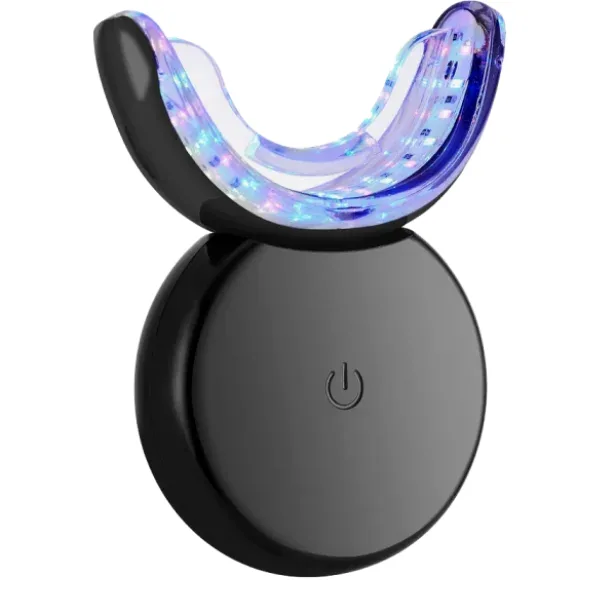
Lift tobacco stains and keep them away
WellaWhite At-Home LED System: gel, LED light, moldable trays and shade guide. 15 to 30 minutes per session. $79, or from $59 per kit in bundles.
Check today's price →From $59 per kit · PayPal accepted
Can you whiten if you still smoke?
You can, but expect stains to return faster. For best results, avoid smoking for at least 48 hours after whitening sessions, since teeth may pick up stains more easily during that window. Rinse with water after smoking, brush twice a day and plan more frequent touch-ups. Many people find that seeing their brighter smile becomes extra motivation to cut down or quit.
What about sensitivity and gums?
Smokers can have gum recession or gum disease without obvious bleeding, so a dental checkup before whitening is especially important. Whitening can cause temporary sensitivity; use a sensitivity toothpaste, space out sessions and follow the instructions. Exposed root surfaces don't whiten and can be sensitive. See teeth whitening for sensitive teeth.
How do you keep your teeth white?
- Quit or cut down on smoking; every cigarette you skip means less new stain.
- Rinse with water after smoking, coffee or tea.
- Brush twice a day and clean between teeth daily.
- Get regular cleanings, possibly more often than average; ask your dentist what interval suits you.
- Touch up every few months. See how long whitening lasts.
- Use a purple foam for an instant brightening before events. See does purple toothpaste work?
How does quitting help your smile?
When you quit, new tobacco stains stop forming, so whitening results last much longer. Your gums also get healthier: research shows gum disease risk drops after quitting, and your sense of taste and smell typically improve. If you want help, your doctor can discuss options, and the free national quitline, 1-800-QUIT-NOW, offers support.
What should you avoid?
- Abrasive scrubs like charcoal or daily baking soda pastes, which can wear enamel.
- Acidic hacks like lemon juice or vinegar, which can erode enamel.
- Overusing whitening products to compensate for continued smoking, which mainly adds sensitivity.
- Skipping the dentist: smokers need regular checkups for gum health and oral cancer screening, even when nothing hurts.
What results can you expect?
For many people, the combination of a professional cleaning and a whitening course makes a striking difference: teeth go from yellow-brown, especially at the edges, to a much brighter and more even shade. Long-term heavy smokers may need more sessions and patience. The biggest difference in how long results last comes from whether smoking continues. Former smokers often keep their new shade with only occasional touch-ups; current smokers usually need touch-ups more often.
What does a realistic plan for a smoker look like?
Week 1: book a dental checkup and cleaning, and ask about your gum health. Start a sensitivity toothpaste if your teeth are sensitive. Week 2: begin a whitening course with your LED kit, following the session schedule, and avoid smoking for the evening after each session if you can. Use a water flosser nightly to keep stains from collecting between teeth. Weeks 3 and onward: track your shade weekly; most people notice clear progress. Then switch to maintenance: rinse after smoking, keep brushing well and plan short touch-ups. If you're thinking about quitting, this is a great moment: you'll keep your new smile with far less effort.
What if you smoke and drink coffee?
Smoking and coffee often go together, and the combination stains faster than either alone. Coffee's pigments and acidity add to the tar and nicotine buildup, and both cling to the same plaque film near the gums and between teeth. If that's your routine, the protective habits matter even more: drink a glass of water after your coffee and cigarette, rinse well, clean between your teeth every evening and brush twice a day. Plan touch-ups a little more often than someone who does neither. See coffee stains on teeth for more coffee-specific tips.
What about crowns, fillings and veneers?
Smoking can stain the margins around fillings and the surface of some older restorations, but whitening gel doesn't change the color of crowns, veneers, bonding or fillings. After whitening your natural teeth, older restorations may look darker by comparison. If you have visible dental work, talk with your dentist before whitening, and plan any replacements after you've reached your new shade so everything matches.
How can you deal with smoker's breath at the same time?
Bad breath often comes with tobacco stains. Cleaning your tongue every time you brush, cleaning between teeth daily, staying hydrated and chewing sugar-free gum after smoking all help. A water flosser makes daily cleaning between teeth easier, and it removes some of the debris that holds both odor and stain. See what causes bad breath.
What if you've already quit?
Congratulations; your smile is in the best position to recover. Old tobacco stains don't fade on their own, but without new staining, a professional cleaning and a whitening course usually give results that last a long time. Many former smokers find that their teeth stay bright for months with just occasional touch-ups. Keep up regular dental checkups, since gum health benefits from quitting take time and your dentist will want to monitor them.
Why does tartar matter so much for smokers?
Smokers often build up more tartar, the hard, mineralized plaque that forms along the gumline and behind the lower front teeth. Tartar is porous and soaks up tobacco stains, so it often looks darker than the teeth themselves. It can't be brushed off at home; a professional cleaning removes it. That's why many smokers are surprised at how much whiter their teeth look after a cleaning alone. Daily brushing and cleaning between teeth afterward slow new tartar from forming.
The bottom line
Smoking stains teeth with tar and nicotine, but those stains usually respond well to a professional cleaning followed by peroxide whitening and good daily care. Quitting or cutting down makes results last far longer and greatly benefits your gums and overall health. An at-home LED kit makes whitening and touch-ups simple.
Our pick is the WellaWhite At-Home LED System. Check today's WellaWhite price, and see how to get rid of yellow teeth.
Sources
- Cleveland Clinic. Tooth Discoloration.
- National Institute of Dental and Craniofacial Research. Gum Disease.
- American Dental Association. Whitening.
Frequently asked questions
Can smoker's teeth be whitened?
Yes. Tobacco stains are mostly extrinsic and usually respond well to a professional cleaning followed by peroxide whitening.
Why does smoking turn teeth yellow?
Tar and nicotine cling to enamel, plaque and tartar and settle into tiny surface pores, building up yellow to brown stains.
Can I whiten my teeth if I still smoke?
Yes, but stains return faster. Avoid smoking for about 48 hours after sessions and plan more frequent touch-ups.
Does vaping stain teeth?
Nicotine in vape liquids can cause yellowing, and some flavored liquids may add to staining and plaque, though usually less than cigarettes.
Will a dental cleaning remove smoking stains?
A professional cleaning removes tartar and much of the surface staining and is the best first step before whitening.
How does quitting smoking help my teeth?
New stains stop forming, whitening lasts much longer and gum health improves.

Michelle Hert
Michelle researches at-home oral care products, from whitening kits to water flossers, and reads the dental research and buyer feedback behind them so readers can make smarter choices. She is not a dentist, and her guides are not a substitute for professional dental care. Her guides are built on published research, manufacturer information and verified buyer feedback, and are updated when new information comes out. More about Michelle.