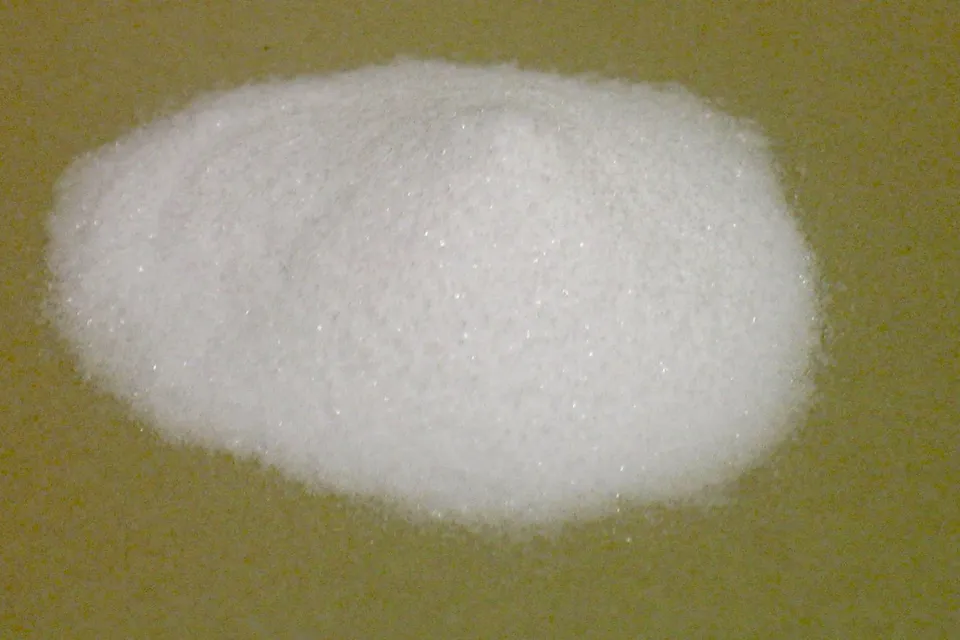
- It's a mild abrasive that can polish away some coffee and tea stains on the surface.
- It doesn't bleach stains inside the enamel, so it won't change your natural tooth color.
- Toothpastes that contain baking soda are a safer way to use it than homemade pastes.
- Avoid mixing it with lemon juice or vinegar, which are acidic and can harm enamel.
General information about consumer products, not dental advice. If you have sensitive teeth, gum disease, cavities or dental work on your front teeth, talk to a dentist before whitening.
Baking soda is one of the most popular DIY teeth whitening tricks online. It's cheap, it's probably already in your kitchen, and many videos claim it can give you a brighter smile overnight. But how much of that is true, and is brushing with baking soda safe for your enamel and gums?
This guide explains how baking soda works on teeth, what kind of stains it can and can't help with, how it compares with whitening toothpaste and peroxide whitening, the risks of DIY recipes, how to use it safely if you want to, and what actually works for a whiter smile.
How does baking soda work on teeth?
Baking soda (sodium bicarbonate) is a fine powder that's mildly abrasive and slightly alkaline. When you brush with it, the particles can help scrub away some of the surface film where stains from coffee, tea and wine sit. Its alkalinity may also help neutralize acids in the mouth for a short time. What it doesn't do is bleach: it doesn't change the color of the tooth itself.
Which stains can baking soda help with?
Cleveland Clinic separates stains into extrinsic (on the surface) and intrinsic (inside the tooth). Baking soda can help with some extrinsic stains:
| Stain | Can baking soda help? |
|---|---|
| Light coffee and tea film | Somewhat |
| Red wine film | Somewhat |
| Heavy tobacco stains and tartar | No, needs a cleaning |
| Yellowing from aging | No, needs peroxide whitening |
| Gray stains from medication or trauma | No, ask a dentist |
Does baking soda whiten teeth like peroxide?
No. The American Dental Association explains that peroxide-containing products bleach stains inside the tooth, while non-bleaching products only remove surface stains. Baking soda falls into the second group. It can make teeth look cleaner, but it won't change their underlying shade the way peroxide whitening can. See how to whiten teeth at home.
Is baking soda toothpaste a better option?
Yes. Toothpastes that include baking soda are formulated with fluoride and other ingredients, and their abrasiveness is controlled. Using a baking soda toothpaste is a gentler, more balanced way to get its stain-removing benefit than brushing with straight powder. See whitening toothpaste vs purple toothpaste.
Real whitening, not just polishing
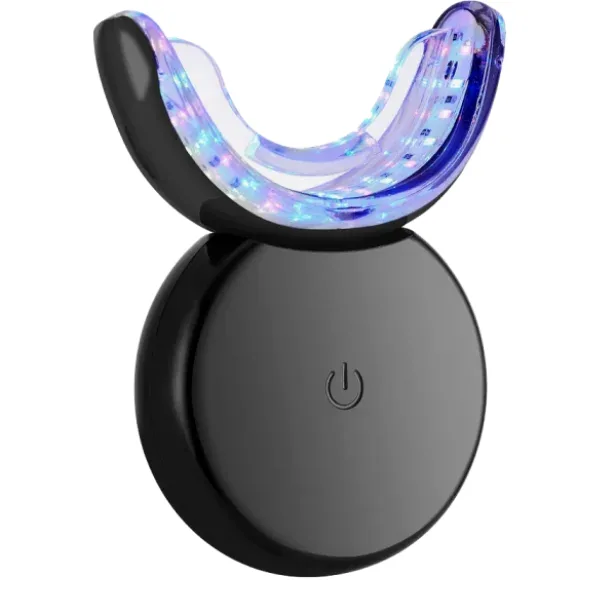
WellaWhite At-Home LED System: whitening gel, LED light, moldable trays and a shade guide. 15 to 30 minutes per session. From $59 per kit in bundles, PayPal accepted.
Check today's price →From $59 per kit · PayPal accepted
What are the risks of DIY baking soda?
- Overuse: scrubbing with baking soda every day can wear enamel and irritate gums over time.
- No fluoride: plain baking soda doesn't protect against cavities like fluoride toothpaste.
- Acid mixes: recipes with lemon juice or vinegar combine abrasion with acid, which is hard on enamel.
- Scrubbing too hard: pressing hard to "get it white" can cause gum recession; see brushing too hard.
- Taste and texture: many people find it salty and gritty.
Why shouldn't you mix it with lemon?
Lemon juice is acidic. Acid temporarily softens enamel, and scrubbing softened enamel with an abrasive powder can wear it down faster. Repeated use can make teeth more sensitive and, over time, can make them look more yellow as thinner enamel shows more of the yellowish dentin underneath. Skip lemon, vinegar and other acidic DIY mixes.
How can you use baking soda safely?
- Choose a toothpaste that contains baking soda for everyday use.
- If you use plain baking soda, mix a small amount with water into a paste.
- Use it only occasionally, not every day.
- Brush gently with a soft brush for about two minutes.
- Rinse well and brush with fluoride toothpaste afterward or at your next brushing.
- Stop if your teeth or gums feel sensitive.
What about other DIY whitening tricks?
| Trick | What to know |
|---|---|
| Activated charcoal | Abrasive and messy; limited evidence; can wear enamel |
| Oil pulling | No strong evidence for whitening |
| Strawberries | Acidic and sugary; not effective as whitener |
| Apple cider vinegar | Acidic; can damage enamel |
| Household hydrogen peroxide | Not designed for teeth; use whitening products made for mouths |
What actually works for a whiter smile?
- Professional cleaning: removes tartar and surface stains.
- At-home peroxide whitening: LED kits, strips or trays lift deeper stains.
- Whitening toothpaste: helps with surface stains between whitening.
- Purple color-correcting foam: an instant, temporary brighter look.
- Good habits: rinse after coffee and wine, use a straw, brush and floss.
See best at-home whitening and how to get rid of yellow teeth.
Is baking soda good for sensitive teeth?
Because it's abrasive, frequent baking soda use can make sensitivity worse if enamel is thin or gums have receded. If you have sensitive teeth, use a sensitivity toothpaste and gentle brushing instead, and consider a peroxide-free purple foam for an instant brighter look. See whitening for sensitive teeth.
Does baking soda help with bad breath?
Its alkalinity may briefly help freshen the mouth, but lasting fresh breath comes from brushing, flossing, cleaning your tongue and staying hydrated. See bad breath causes.
How does an LED kit compare?
An at-home LED kit uses peroxide gel to bleach stains, which baking soda can't do. The WellaWhite At-Home LED System includes whitening gel, an LED light, moldable trays and a shade guide, with 15 to 30 minutes per session. It's $79 for one kit and $59 each in a five-kit bundle, with PayPal accepted. Read our WellaWhite review.
What are common myths?
- "Baking soda whitens overnight." It can only polish some surface stains.
- "More scrubbing means whiter teeth." It means more wear.
- "Natural means safe." Acidic or abrasive DIY mixes can harm enamel.
- "Baking soda replaces toothpaste." It lacks fluoride.
How often is it safe to brush with baking soda?
If you use plain baking soda, many people limit it to once a week or so, and switch to a regular fluoride toothpaste the rest of the time. Toothpastes that already contain baking soda are formulated for daily use. If you notice sensitivity, gum soreness or teeth looking more translucent at the edges, stop and talk to your dentist.
Can you use baking soda with braces?
A baking soda toothpaste can be used with braces, but scrubbing with plain powder around brackets doesn't make sense, and whitening around braces can leave uneven color when brackets come off. Focus on cleaning thoroughly with a fluoride toothpaste and a water flosser, then consider whitening after braces are removed. See whitening after braces.
How long until you see a difference?
With a baking soda toothpaste, any surface-stain improvement usually shows gradually over a few weeks. It won't create a dramatic change. For a clearly whiter smile in one to two weeks, peroxide whitening is the more effective route; for an instant look on the day of an event, a purple foam works best.
Is baking soda safe on crowns and veneers?
Abrasive powders can dull the polished surface of some crowns, veneers and bonding over time. If you have dental work on visible teeth, ask your dentist which toothpaste they recommend. Whitening doesn't change the color of dental work either; see does whitening work on crowns?
Why is baking soda so popular for whitening?
It's cheap, easy to find and often recommended in online videos that show dramatic before-and-after photos. Many of those photos are affected by lighting, filters or a recent dental cleaning. Baking soda does make teeth feel squeaky clean and can lift some surface film, which is why people feel it's working. It simply can't change the deeper color of the tooth.
What's a sensible whitening plan instead?
- Get a professional cleaning to remove tartar and surface stains.
- Do a one- to two-week course with an at-home peroxide whitening kit.
- Use a whitening or baking soda toothpaste for daily maintenance.
- Use a purple foam for an instant boost before events.
- Do short touch-ups every few months.
This approach gives you real, longer-lasting whitening without risking your enamel with harsh DIY mixes.
Is baking soda safe for kids?
Kids should use a fluoride toothpaste in the amount their dentist recommends. Plain baking soda isn't a substitute, and DIY whitening isn't recommended for children. If a child's teeth look discolored, ask their dentist.
Is it worth saving money with baking soda?
Baking soda is very cheap, but it can't deliver the results of peroxide whitening, and overuse can cost more in sensitivity or enamel wear. A well-designed at-home kit used for a short course is a better value for most people who want a visibly brighter smile.
The bottom line
Baking soda can help remove light surface stains, but it doesn't bleach teeth or change their natural shade. Use it occasionally and gently, ideally in a toothpaste with fluoride, and never mix it with lemon or vinegar. For real whitening, choose a peroxide product designed for teeth, and keep your results with good daily habits.
Our pick for real at-home whitening is the WellaWhite LED System. Check today's WellaWhite price.
Sources
- American Dental Association. Whitening.
- Cleveland Clinic. Tooth Discoloration.
- Official WellaWhite product page, checked October 2026.
Frequently asked questions
Does baking soda whiten teeth?
It can remove light surface stains, but it doesn't bleach teeth.
Is brushing with baking soda safe?
Occasionally and gently, ideally in a fluoride toothpaste; daily scrubbing can wear enamel.
Should I mix baking soda with lemon?
No. Lemon is acidic and the mix can harm enamel.
How often can I use baking soda?
Plain powder occasionally; baking soda toothpastes are made for daily use.
What actually whitens teeth?
Peroxide whitening, professional cleaning and good daily habits.
Is baking soda good for sensitive teeth?
Frequent use can make sensitivity worse.

Michelle Hert
Michelle researches at-home oral care products, from whitening kits to water flossers, and reads the dental research and buyer feedback behind them so readers can make smarter choices. She is not a dentist, and her guides are not a substitute for professional dental care. Her guides are built on published research, manufacturer information and verified buyer feedback, and are updated when new information comes out. More about Michelle.