- Type: sonic (high-speed vibration) or oscillating (rotating round head). Both clean well; sonic tends to feel gentler.
- Built-in timer: it helps you brush for the full two minutes.
- Modes: a Sensitive mode matters if your teeth or gums are tender.
- Pressure: pick a gentle brush or one with pressure control if you tend to scrub hard.
- Battery life: several weeks per charge is convenient, especially for travel.
- Brush heads: soft bristles, easy to find replacements, and extra heads in the box.
- Price: you don't need the most expensive model to get a great clean.
General information about consumer products, not dental advice. Ask your dentist which brush suits your teeth and gums, especially if you have gum disease, braces or dental work.
Walk down the toothbrush aisle or search online and you'll find electric toothbrushes from under $20 to well over $200, with names like "sonic", "oscillating", "pressure sensor", "AI coaching" and "five modes". It's easy to overpay for features you'll never use, or to buy a cheap brush that dies in three months. This guide explains:
- what actually matters
- the difference between sonic and oscillating brushes
- which features are worth paying for
- how to choose for sensitive teeth, braces, gums and stains
- how to get the best clean from whichever brush you pick
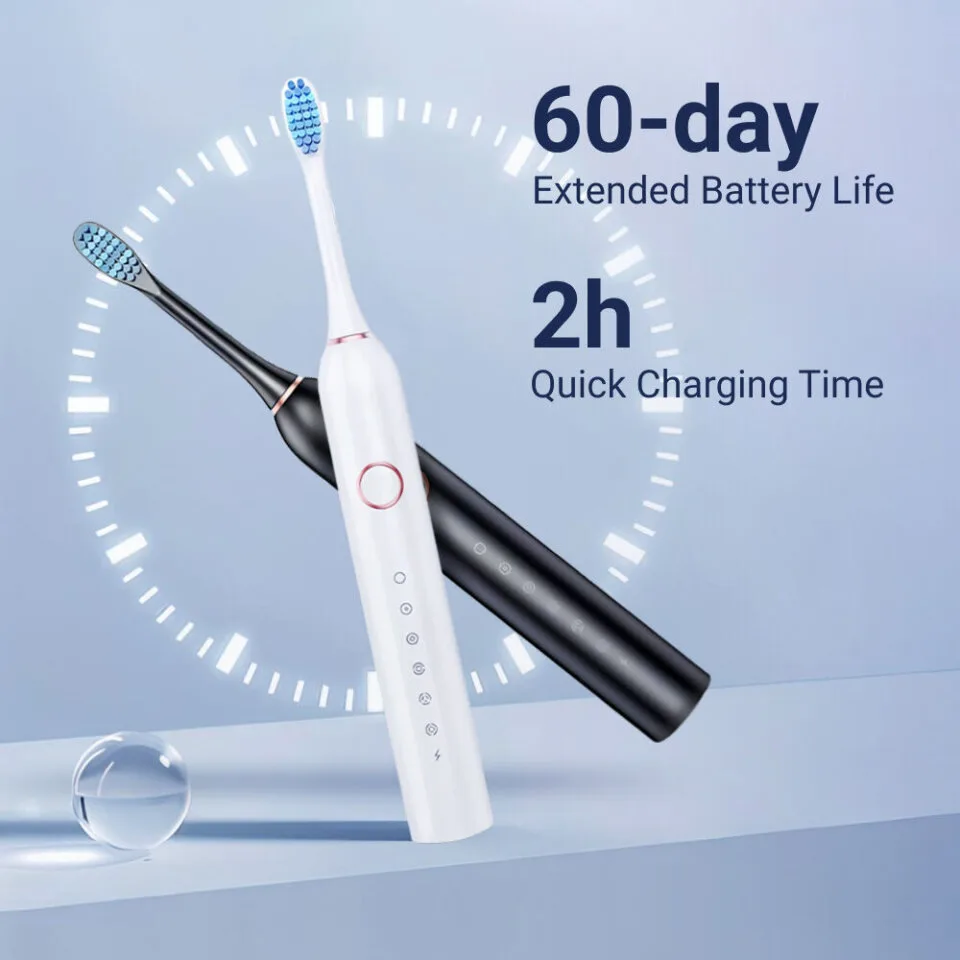
Our pick: the WellaWhite Sonic Electric Toothbrush
Sonic toothbrush with 6 modes including Sensitive and Whitening, a smart timer, 4 brush heads and up to 60 days of battery.
Check today's price →Up to 75% off on the official site
Is an electric toothbrush better than a manual one?
For most people, yes. A Cochrane review of clinical trials found that powered toothbrushes reduced plaque and gingivitis more than manual brushes in the short and long term (Yaacob et al., 2014). The brush does the motion for you, a timer keeps you brushing long enough, and many people find it easier to clean along the gumline. That said, a manual brush used well still works. The American Dental Association notes that both manual and powered brushes can clean effectively. More in electric vs manual toothbrush.
What's the difference between sonic and oscillating brushes?
| Sonic | Oscillating-rotating | |
|---|---|---|
| Head shape | Oval, like a manual brush | Small and round |
| Motion | Very fast side-to-side vibration | Rotates back and forth, sometimes with pulsing |
| Feel | Often feels gentler, "buzzy" | More scrubbing feel |
| Technique | Angle at the gumline and glide | Move tooth by tooth |
| Good for | Sensitive teeth, gumline cleaning | People who like a tooth-by-tooth polish |
Both types clean well when used properly. Choose the one that feels comfortable enough that you'll use it for two full minutes, twice a day. See sonic vs oscillating toothbrush.
Which features are worth paying for?
| Feature | Worth it? | Why |
|---|---|---|
| Two-minute timer with 30-second alerts | Yes | Most people brush for less than two minutes without one |
| Sensitive mode | Yes, if teeth or gums are tender | Lower intensity for comfort |
| Whitening / polish mode | Nice to have | Helps with surface stains from coffee and tea |
| Long battery life | Yes | Fewer charges, easy travel |
| Pressure sensor | Helpful for hard brushers | Warns you to ease off |
| Extra brush heads in the box | Yes | Saves money on replacements |
| App and Bluetooth tracking | Optional | Most people stop using the app after a few weeks |
| Premium travel case or charging glass | Optional | Convenience, not cleaning power |
How do you choose for sensitive teeth?
Look for a soft-bristled head and a dedicated Sensitive mode. A sonic brush is often a good fit, because it cleans with vibration rather than scrubbing. Let the brush do the work, use light pressure and pair it with a toothpaste for sensitive teeth. Our guides to electric toothbrushes for sensitive teeth and what causes sensitive teeth go deeper.
What if you have gum problems?
Gentle, thorough cleaning along the gumline is key. Choose soft bristles and a Sensitive or gum-care mode. Angle the head at about 45 degrees toward the gums and glide slowly, without scrubbing. Add a water flosser to clean between teeth and below the gumline. If your gums bleed, swell or are receding, see your dentist. The NIDCR explains the warning signs of gum disease. See also can an electric toothbrush damage gums?
What about braces, crowns and implants?
Electric brushes work well with braces and dental work, as long as you take your time around brackets and gumlines. Soft heads and a slow, careful technique matter more than the brand. A water flosser is a big help with braces, bridges and implants. See electric toothbrushes for braces.
Can an electric toothbrush help with stains?
Yes, with surface stains from coffee, tea, red wine and smoking. A whitening or polish mode and consistent two-minute brushing help keep those stains from building up. An electric brush won't change the natural shade of your teeth, though. For that, you need a whitening product such as an at-home LED kit. See how to get rid of yellow teeth.
Why do we recommend the WellaWhite Sonic Toothbrush?
It covers the features that matter at a sensible price:
- Six modes, including Sensitive for tender teeth and Whitening for surface stains.
- A smart timer that keeps you brushing for the full two minutes.
- Four brush heads in the box, so you're set for the better part of a year.
- Up to 60 days of battery per charge, which is great for travel.
It's often sold with discounts of up to 75% on the official site. Read our full WellaWhite Sonic Toothbrush review, where we rate it 4.4/5.
A sonic brush with the features that matter
WellaWhite Sonic Toothbrush: 6 modes including Sensitive and Whitening, smart timer, 4 brush heads and up to 60 days of battery. Up to 75% off on the official site.
Check today's price →Up to 75% off on the official site
How much should you spend?
- Under $20: often basic battery brushes with weak motors and no timer; fine for travel.
- $30–$80: the sweet spot for most people, with rechargeable sonic or oscillating motors, a timer and several modes.
- Over $100: premium extras like apps, pressure lights and fancy chargers, with little extra cleaning power.
Also factor in replacement heads, which you'll buy for years. A brush that comes with several heads, or with affordable replacements, saves money over time.
How do you choose brush heads?
- Choose soft bristles; medium and hard bristles can wear gums and enamel.
- Replace heads every three months, or sooner if the bristles splay. See how often to replace a toothbrush.
- Give each family member their own head and keep them apart to dry.
How do you use an electric toothbrush properly?
- Wet the brush and add a pea-sized amount of toothpaste.
- Place the head against your teeth before switching on, to avoid splatter.
- Angle the bristles about 45 degrees toward the gumline.
- Glide slowly; don't scrub. Let the brush do the work.
- Spend about 30 seconds on each quarter of your mouth.
- Brush the inside surfaces, chewing surfaces and your tongue.
- Spit, don't rinse, so the fluoride keeps working.
More in how to brush your teeth properly.
How do you keep the brush clean?
Rinse the head after each use, pop it off once a week to clean the connection, and let it air-dry upright. Wipe the handle and charger regularly. Store it away from the toilet. See how to clean an electric toothbrush.
How do you choose for the whole family?
Many households share one handle style and give each person their own color-coded head. That keeps replacement costs low and the bathroom tidy. Kids may prefer a smaller head and a fun timer, while older adults often appreciate a thicker, easy-grip handle and simple one-button controls. If someone in the family has sensitive teeth, choose a brush with a Sensitive mode so everyone can use the same model comfortably.
What should travelers look for?
Long battery life is the big one. A brush that runs for weeks on one charge means you can leave the charger at home on short trips. Look for a slim travel case or cap to protect the head, and check that the charger works with standard USB if you travel abroad. See electric toothbrush battery life for tips on keeping the battery healthy.
What mistakes do people make when choosing?
- Buying the most expensive model for app features they never use.
- Choosing medium or hard bristles for a "deeper clean".
- Ignoring the cost of replacement heads.
- Picking a brush that's too strong for sensitive teeth, then going back to a manual brush.
- Pressing hard and scrubbing as if it were a manual brush.
Avoid these and almost any decent electric brush will give you a cleaner, fresher mouth.
How do you switch from a manual brush?
The first few days feel different: the vibration tickles, and you may notice more foam. Start on a gentle or Sensitive mode, use a pea-sized amount of toothpaste and keep your lips closed around the brush to avoid splatter. Within a week, most people find it hard to go back. If your gums bleed a little at first, that's common when cleaning the gumline better. If it doesn't stop within a week or two, see your dentist.
The bottom line
The right electric toothbrush is one you'll use for two full minutes, twice a day. Choose sonic or oscillating based on what feels comfortable. Insist on a timer and soft bristles, and add a Sensitive mode if your teeth or gums are tender. Don't pay extra for apps you won't use. The WellaWhite Sonic Toothbrush hits the sweet spot with six modes, a smart timer, four heads and up to 60 days of battery, often at up to 75% off on the official site.
Our pick: the WellaWhite Sonic Electric Toothbrush
Sonic toothbrush with 6 modes including Sensitive and Whitening, a smart timer, 4 brush heads and up to 60 days of battery.
Check today's price →Up to 75% off on the official site
Frequently asked questions
Is an electric toothbrush better than a manual one?
For most people, yes; a Cochrane review found powered brushes reduced plaque and gingivitis more than manual brushes.
Which is better, sonic or oscillating?
Both clean well. Sonic often feels gentler; choose the one you'll use comfortably for two minutes.
What features should an electric toothbrush have?
A two-minute timer, soft bristles, a Sensitive mode if needed, good battery life and affordable replacement heads.
How much should I spend on an electric toothbrush?
Around $30 to $80 covers the features most people need.
What is the best electric toothbrush for sensitive teeth?
One with soft bristles and a Sensitive mode, like the WellaWhite Sonic Toothbrush.
How often should I replace the brush head?
Every three months, or sooner if the bristles splay.

Michelle Hert
Michelle researches at-home oral care products, from whitening kits to water flossers, and reads the dental research and buyer feedback behind them so readers can make smarter choices. She is not a dentist, and her guides are not a substitute for professional dental care. Her guides are built on published research, manufacturer information and verified buyer feedback, and are updated when new information comes out. More about Michelle.