
- Several months to a year or more with good habits.
- Less time if you drink coffee, tea, red wine or cola often, or smoke.
- Rinsing after dark drinks.
- Brushing twice a day.
- Getting regular dental cleanings.
- Doing short touch-up sessions every few months with an at-home kit like the WellaWhite LED System.
General information, not dental advice. Ask your dentist before whitening, especially if you have sensitive teeth, gum problems, crowns or fillings on front teeth.
You finally got the bright smile you wanted, and now the question is: how long will it stay that way? It's one of the most common questions about whitening, and the honest answer is "it depends." Results can last a long time, but they're not permanent. Every cup of coffee, glass of wine and year that passes adds a little color back.
This guide explains how long different whitening methods typically last, what makes results fade faster, how to protect your results and how to touch them up easily at home.
Why doesn't teeth whitening last forever?
Peroxide-based whitening works by breaking down stain molecules inside the enamel and dentin, making teeth look lighter. The American Dental Association explains that bleaching products contain peroxide that whitens the tooth, while whitening toothpastes and other products remove surface stains. Either way, the teeth stay porous and keep picking up new pigments from food and drink. Natural aging also slowly darkens teeth as enamel thins and the yellower dentin underneath shows through. So whitening resets the clock, but the clock keeps ticking.
How long do different whitening methods last?
| Method | How it works | Typical duration* |
|---|---|---|
| Whitening toothpaste | Removes surface stains | As long as you keep using it |
| Purple color-correcting foam or toothpaste | Optical color correction; no bleaching | Hours; temporary brightening |
| Whitening strips | Peroxide gel on a strip | A few months |
| At-home LED kit with gel and trays | Peroxide-based gel in trays, with LED light | Several months to a year, with touch-ups |
| In-office whitening | Higher-concentration gel applied by a dentist | Often a year or more, with touch-ups |
*Durations vary widely by person, habits and the original cause of discoloration.
What makes whitening fade faster?
- Coffee and tea: the most common culprits. See coffee stains on teeth.
- Red wine, dark sodas, berries, curries and tomato sauces.
- Smoking and vaping nicotine: tar and nicotine stain quickly.
- Skipping brushing and flossing: plaque traps stains.
- Acidic drinks: soften enamel temporarily, making it easier to stain.
- Genetics and age: some people's teeth simply pick up stains faster.
- The type of discoloration: extrinsic (surface) stains respond best; some intrinsic discoloration is harder to change. Cleveland Clinic explains the different causes of tooth discoloration.
What should you do in the first 48 hours?
Right after whitening, many people find their teeth are more prone to picking up color for a day or two. Many dentists suggest a "white diet" during this window: avoid coffee, tea, red wine, dark sauces, berries and smoking, and favor light-colored foods like chicken, rice, pasta with white sauce, potatoes and bananas. See our guide on what to eat after teeth whitening.
How can you make whitening last longer?
- Rinse with water right after coffee, tea or wine.
- Drink dark drinks through a straw when practical.
- Brush twice a day with fluoride toothpaste, and wait about 30 minutes after acidic drinks before brushing.
- Clean between teeth daily, where stains and plaque hide. A water flosser makes this easier; see water flosser vs floss.
- Use an electric toothbrush to remove plaque and surface stains more effectively. See electric vs manual toothbrush.
- Get regular dental cleanings to remove tartar and surface stains you can't brush off.
- Quit smoking, or reduce it, which helps your gums too.
- Touch up regularly before stains build up.
How often should you do touch-ups?
Many people do a short touch-up every few months, or before special events, rather than a full whitening course each time. Touch-ups are quicker and gentler because they only need to remove recent staining. How often depends on your habits: a daily coffee drinker may want touch-ups more often than someone who rarely drinks dark beverages. Always follow the product's instructions and don't overuse whitening products; more isn't better if it causes sensitivity.
What's an easy way to touch up at home?
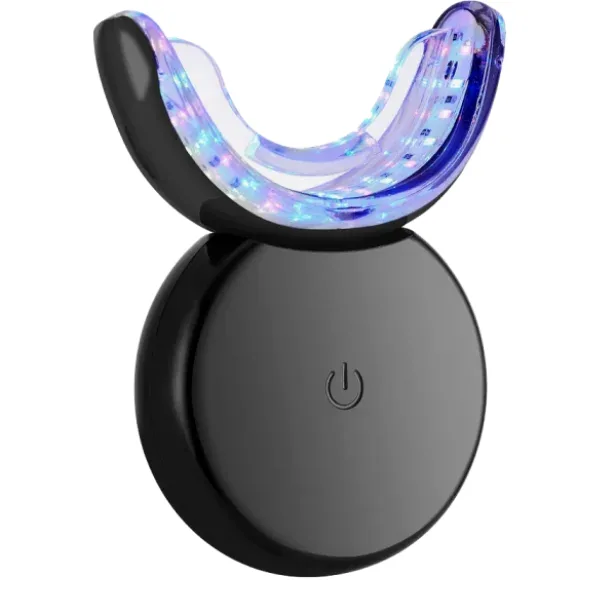
An at-home LED kit with your own trays makes touch-ups simple: a few sessions when you notice your smile dulling. The WellaWhite At-Home LED System includes whitening gel, an LED light, moldable trays and a shade guide, so you can track your shade and see when it's time for a touch-up. Sessions take 15 to 30 minutes, and the kit is designed to be gentle on sensitive teeth. On the official checkout in October 2026, one kit was $79, dropping to $59 per kit in bundles. Read our WellaWhite LED review, where we rate it 4.5/5.
Returns are accepted within 30 days for unopened products, so check the policy on the site before ordering.
Keep your smile bright with easy touch-ups
WellaWhite At-Home LED System: gel, LED light, moldable trays and shade guide. 15 to 30 minutes per session. $79, or from $59 per kit in bundles.
Check today's price →From $59 per kit · PayPal accepted
How do you know your whitening is fading?
Fading is gradual, so it's easy to miss day to day. The most reliable way to track it is a shade guide: check your shade right after whitening, write it down, and compare every few weeks in the same light. Photos help too: take a smile photo by a window right after whitening and again a month or two later. Common signs that it's time for a touch-up include a yellowish edge near the gums, darker areas between teeth where stains collect, and a smile that looks duller in photos than it did. Many people notice the front teeth fade first because they get the most contact with coffee and other dark drinks. Catching it early means a couple of short sessions bring the shade back, rather than a full course.
What does a simple maintenance routine look like?
- Every day: brush twice with fluoride toothpaste for two minutes, clean between teeth, and rinse with water after dark drinks.
- Every week: check your smile in good light; use a purple foam before photos or events if you want an instant boost.
- Every few months: a short touch-up with your at-home kit, following its instructions.
- Every six months or as recommended: a dental checkup and professional cleaning, which removes tartar and surface stains that brushing can't.
It sounds like a lot written down, but in practice it adds only a few minutes a week, and it keeps your results much closer to the shade you paid for.
Can you keep drinking coffee after whitening?
Yes. You don't have to give up coffee or tea to keep a bright smile; you just need a few habits. Skip it for the first 48 hours if you can. After that, drink it in one sitting rather than sipping all day, rinse with water afterward, consider a straw for iced coffee, and add milk if you like it, since lighter coffee tends to stain less. Then plan touch-ups a little more often than someone who doesn't drink coffee. See coffee stains on teeth for more tips.
What results are realistic?
Whitening works best on yellowish surface and age-related staining, and many people see a noticeable change of several shades. Gray or brown discoloration from medications, trauma or developmental causes can respond more slowly or less completely, and very dark spots may need professional treatment. A dentist can tell you what kind of discoloration you have and what to expect. Setting realistic expectations, a brighter, natural-looking smile rather than an artificially bright one, makes it easier to choose the right method and touch-up schedule.
What about a quick boost before an event?
For an instant, temporary brightening, a purple color-correcting foam can neutralize yellow tones for a few hours. It doesn't bleach and the effect fades, but it's handy before photos or a night out, especially paired with a whitening kit for lasting results. See does purple toothpaste work?
Will touch-ups make teeth sensitive?
Some people experience temporary sensitivity after whitening. Research published in the Journal of the American Dental Association has looked at light-activated whitening and sensitivity. To reduce it, use a toothpaste for sensitive teeth before and after whitening, space sessions out, follow the instructions and stop if sensitivity is severe. See our guide on teeth whitening for sensitive teeth.
What about crowns, veneers and fillings?
Whitening products don't change the color of crowns, veneers, bonding or fillings. If you have dental work on visible teeth, talk with your dentist before whitening, since your natural teeth may become lighter than the restorations. Once whitened, keeping the natural teeth at a consistent shade with touch-ups helps them stay matched.
What does a typical year of whitening look like?
Take a daily coffee drinker who whitens with an at-home LED kit in January. By February, the smile is several shades brighter. If they rinse after coffee, brush twice a day and use a water flosser, the shade holds well through spring, with a gradual dulling they notice in photos by around April or May. A few touch-up sessions bring it back. They do another quick round before a summer wedding and again in the fall. Rather than a big whitening project once a year, it becomes a light routine: a few sessions every few months, plus daily habits that slow new staining. Someone who rarely drinks dark beverages might go much longer between touch-ups.
The bottom line
Teeth whitening usually lasts several months to a year or more, depending on the method and your habits. Coffee, tea, wine and smoking shorten it; rinsing, good brushing and flossing, dental cleanings and regular touch-ups extend it. An at-home LED kit makes those touch-ups easy and affordable.
Our pick is the WellaWhite At-Home LED System. Check today's WellaWhite price, and see how to get rid of yellow teeth.
Sources
- American Dental Association. Whitening.
- Cleveland Clinic. Tooth Discoloration.
- Journal of the American Dental Association. Light-activated tooth whitening study.
Frequently asked questions
How long does teeth whitening last?
Usually several months to a year or more, depending on the method and habits. Coffee, tea, wine and smoking make results fade faster.
Is teeth whitening permanent?
No. Whitening removes existing stains, but teeth keep picking up new ones from food, drink and aging, so results fade gradually.
How often should I touch up my teeth whitening?
Many people do short touch-ups every few months or before events. Follow the product's instructions and avoid overuse.
What should I avoid after teeth whitening?
For the first 48 hours, avoid coffee, tea, red wine, dark sauces, berries and smoking, and favor light-colored foods.
Does whitening work on crowns and veneers?
No. Whitening doesn't change the color of crowns, veneers, bonding or fillings. Talk to your dentist before whitening if you have visible dental work.
How much does the WellaWhite LED kit cost?
On the official checkout in October 2026, one kit was $79, dropping to $59 per kit in bundles.

Michelle Hert
Michelle researches at-home oral care products, from whitening kits to water flossers, and reads the dental research and buyer feedback behind them so readers can make smarter choices. She is not a dentist, and her guides are not a substitute for professional dental care. Her guides are built on published research, manufacturer information and verified buyer feedback, and are updated when new information comes out. More about Michelle.