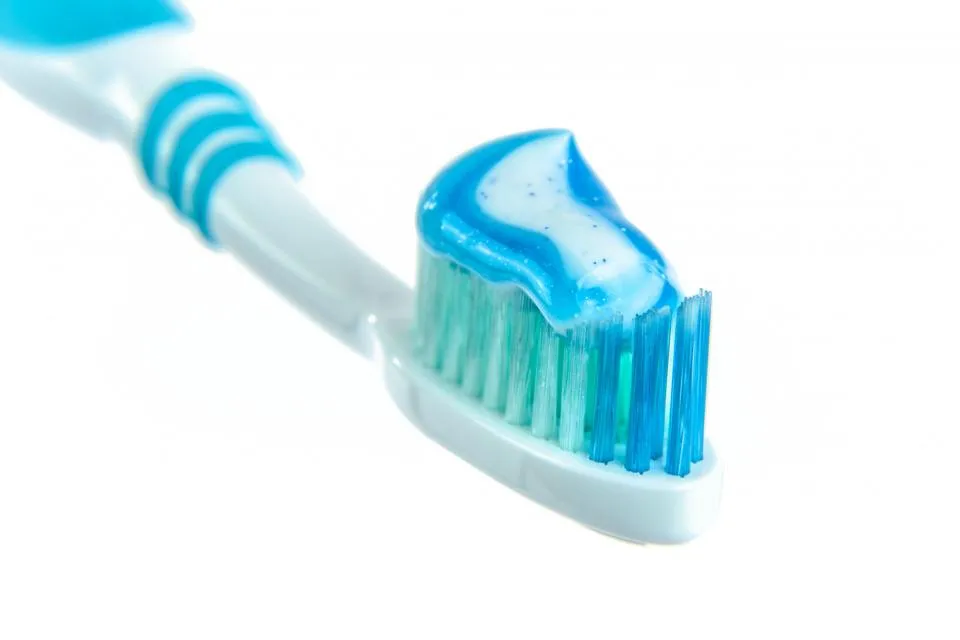
- Whitening toothpaste uses mild abrasives (and sometimes low levels of peroxide) to polish away surface stains gradually over weeks.
- Purple toothpaste or foam uses color correction: purple cancels yellow tones for an instant, temporary brighter look. It doesn't remove stains.
- Neither changes the deeper color of your teeth like a peroxide whitening kit does.
General information about consumer products, not dental advice. If your teeth are sensitive or discolored suddenly, or you have gum problems, talk to a dentist before using whitening products.
Walk down the toothpaste aisle or scroll through social media and you'll see two kinds of "whitening" products: classic whitening toothpastes that promise fewer stains, and purple toothpastes and foams that make teeth look whiter in seconds in before-and-after videos. They're both sold as whitening, but they do very different things.
This guide explains how each works, how fast you'll see results, how long they last, which is gentler on sensitive teeth, and how to combine them with other whitening for the best smile.
How does whitening toothpaste work?
Most whitening toothpastes contain mild abrasives, like hydrated silica, that polish the tooth surface and scrub off stains from coffee, tea and food. Some add chemical stain removers or a low level of peroxide. Because they work on the surface, they can help keep teeth from getting more stained and gradually brighten them a little, usually over several weeks of regular use. They don't significantly change the tooth's internal color. The American Dental Association explains that whitening toothpastes remove surface stains and don't change the natural color of teeth the way bleaching products do.
How does purple toothpaste work?
Purple toothpastes and foams use color theory. Purple and yellow sit opposite each other on the color wheel, so a thin purple layer on the tooth surface visually cancels yellow tones, making teeth look whiter right away. It's the same idea as purple shampoo for blonde hair. The effect is cosmetic and temporary; it fades as you eat, drink and as saliva washes the pigment away. It doesn't remove stains or bleach the tooth. See does purple toothpaste work?
How do they compare?
| Factor | Whitening toothpaste | Purple toothpaste / foam |
|---|---|---|
| How it works | Polishes off surface stains | Color-corrects yellow tones |
| Speed | Weeks | Instant |
| How long it lasts | Gradual, lasting stain reduction | Hours |
| Removes stains? | Surface stains, gradually | No |
| Peroxide | Sometimes, at low levels | Usually none |
| Sensitive teeth | Some can irritate | Generally gentle |
| Best for | Daily maintenance | Events, photos, quick boost |
Which is better for sensitive teeth?
Purple foams without peroxide are generally gentler, because they don't scrub or bleach. Some whitening toothpastes are more abrasive or contain ingredients that can bother sensitive teeth. If your teeth are sensitive, choose a low-abrasion whitening toothpaste or one designed for sensitive teeth, and use a purple foam for instant brightness. The ADA's MouthHealthy has more on managing sensitive teeth. See teeth whitening for sensitive teeth.
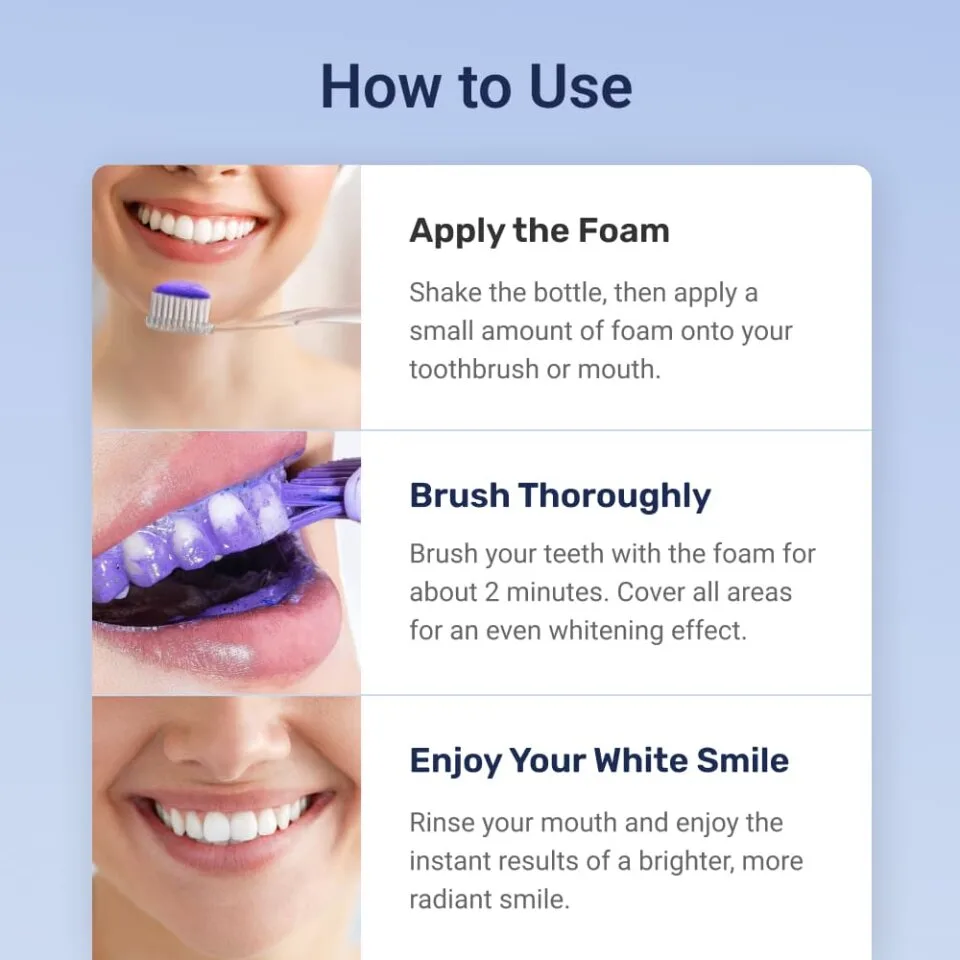
Which purple product is gentle and easy to use?
The WellaWhite Purple Whitening Foam is a peroxide-free, color-correcting foam you brush with for about two minutes. It gives an instant brighter look and is gentle enough for sensitive teeth. Because the effect is temporary, it's best for days when you want an extra boost, like before work events, dates or photos, and it pairs well with a peroxide whitening kit for a lasting change in shade. It's sold at up to 70% off on the official site. Read our guide to the best at-home teeth whitening.
Instant brightening, gently
WellaWhite Purple Whitening Foam: peroxide-free, color-correcting, brush for 2 minutes. A gentle, temporary boost that pairs well with an LED kit. Up to 70% off on the official site.
Check today's price →Up to 70% off on the official site
What if you want a real change in shade?
Neither toothpaste changes the deeper color of your teeth much. For that, you need a peroxide-based whitening method, like an at-home LED kit, whitening strips or professional whitening. The WellaWhite At-Home LED System uses whitening gel, an LED light, moldable trays and a shade guide, with 15 to 30 minute sessions, from $59 per kit in bundles. See our WellaWhite LED review and whitening strips vs LED.
How do you combine them for the best results?
- Get a cleaning to start with a clean surface.
- Do a peroxide whitening course to lighten your shade.
- Use a whitening or regular fluoride toothpaste daily to limit new surface stains.
- Use purple foam before events for extra sparkle.
- Touch up with your whitening kit every few months.
Are they safe to use every day?
Most whitening toothpastes are designed for daily use, though very abrasive ones can wear enamel over time, especially combined with hard brushing. Look for a toothpaste with fluoride, and consider one with the ADA Seal of Acceptance. Purple foams are generally gentle, but always follow the label. Don't swallow either, and keep children's use supervised. See brushing too hard.
What about charcoal toothpaste?
Charcoal toothpastes are popular, but many are quite abrasive and may not contain fluoride. Dental organizations have raised concerns about their abrasiveness and the lack of evidence for their whitening claims. If you want a whitening toothpaste, a low-abrasion, fluoride-containing option is a safer choice.
What results can you realistically expect?
- Purple foam: an immediate visible brightening that lasts a few hours.
- Whitening toothpaste: fewer surface stains and a slightly brighter look over a few weeks.
- Peroxide whitening: a real change of several shades for most people. See how white teeth can get.
Who should use which?
| Your goal | Best choice |
|---|---|
| Look brighter tonight | Purple foam |
| Fewer coffee stains over time | Whitening toothpaste + rinsing |
| A noticeably lighter shade | Peroxide kit (LED, strips) or professional |
| Sensitive teeth, gentle brightening | Purple foam + toothpaste for sensitive teeth |
| Keep results after whitening | Whitening toothpaste + occasional touch-ups |
Which habits matter more than toothpaste?
No toothpaste can outwork your habits. Rinse with water after coffee, tea and wine, use a straw for cold drinks, brush twice a day for two minutes, clean between your teeth daily and get regular cleanings. A sonic toothbrush with a whitening mode also helps remove surface stains. See coffee stains on teeth.
Can teens use whitening or purple toothpaste?
Regular fluoride toothpaste is what matters most for teens. Many dentists are comfortable with occasional use of gentle whitening toothpaste or a peroxide-free purple foam for teens who want a brighter smile, but peroxide whitening kits are usually best left until the dentist says the teeth are ready. As always, it's worth asking at the next checkup.
How do you get the best effect from a purple foam?
- Brush with your regular fluoride toothpaste first, so the tooth surface is clean.
- Apply the purple foam to your toothbrush or teeth as the instructions say.
- Brush for about two minutes, covering the front surfaces especially well.
- Spit, and rinse lightly if the instructions say so.
- Avoid coffee, tea and wine right afterward, so the effect lasts longer.
Use it in the morning before work or an hour before an event for the most visible effect.
Which whitening toothpaste myths should you ignore?
- "More scrubbing equals whiter teeth." It mostly wears enamel and gums.
- "Purple toothpaste bleaches teeth." It color-corrects; it doesn't bleach.
- "Whitening toothpaste works on crowns." Dental work doesn't change color.
- "Natural means safe." Lemon juice and baking soda scrubs can damage enamel.
- "You need special toothpaste forever." Habits like rinsing and regular cleanings matter more.
Which option gives the best value?
Whitening toothpaste costs little and works as a daily maintenance tool. Purple foam is an affordable add-on for events and photos. A peroxide kit costs more upfront but delivers the biggest visible change and can be reused for touch-ups for months, which makes it the best value if your goal is a noticeably lighter shade. Many people find the combination of all three gives the most for their money.
What should you look for on the label?
For a whitening toothpaste, look for fluoride, which protects against cavities, a low-abrasion formula if your teeth are sensitive and, ideally, the ADA Seal of Acceptance, which means the product has been evaluated for safety and effectiveness. Be wary of products that promise dramatic results in days. For a purple product, check whether it contains peroxide, how often you can use it, and whether it's meant to be used instead of or in addition to your regular toothpaste. Clear instructions and an honest description of the effect as temporary are good signs.
Does what you eat affect which product you need?
Yes. If you drink several cups of coffee or tea a day, enjoy red wine or smoke, surface stains build up faster, and a whitening toothpaste helps keep them in check between whitening sessions. If your teeth are mostly naturally yellow rather than stained, a whitening toothpaste will do less, and a purple foam or a peroxide kit will make a bigger visible difference. Rinsing with water after staining foods and drinks helps no matter which product you use.
The bottom line
Whitening toothpaste polishes away surface stains gradually, while purple toothpaste and foams color-correct yellow tones for an instant, temporary brighter look. Neither changes your teeth's deeper color like a peroxide kit. For most people, the best smile comes from combining them: a whitening course for the real change, whitening toothpaste for daily stain control and purple foam for instant sparkle.
For a gentle, instant brightening boost, our pick is the WellaWhite Purple Foam. Check today's WellaWhite Purple Foam price.
Sources
- American Dental Association. Whitening.
- ADA MouthHealthy. Sensitive Teeth.
- Official WellaWhite product page, checked October 2026.
Frequently asked questions
What is the difference between whitening toothpaste and purple toothpaste?
Whitening toothpaste polishes off surface stains gradually. Purple toothpaste color-corrects yellow tones for an instant, temporary brighter look without removing stains.
Does purple toothpaste really whiten teeth?
It makes teeth look whiter for a few hours by canceling yellow tones, but it doesn't bleach or remove stains.
Which is better for sensitive teeth?
Peroxide-free purple foams are generally gentler. Choose a low-abrasion or sensitive-teeth formula if you use a whitening toothpaste.
Can I use purple toothpaste every day?
Many purple foams are gentle enough for regular use; follow the label. They're often used before events for an extra boost.
Do whitening toothpastes change tooth color?
They remove surface stains and can brighten slightly over weeks, but they don't change the deeper color like peroxide whitening kits.
What is the best way to combine whitening products?
Do a peroxide whitening course for a real shade change, use whitening toothpaste daily and purple foam before events, and touch up every few months.

Michelle Hert
Michelle researches at-home oral care products, from whitening kits to water flossers, and reads the dental research and buyer feedback behind them so readers can make smarter choices. She is not a dentist, and her guides are not a substitute for professional dental care. Her guides are built on published research, manufacturer information and verified buyer feedback, and are updated when new information comes out. More about Michelle.