
If you've ever tried whitening strips and felt that sharp "zing" in your teeth, you know why "teeth whitening for sensitive teeth" is searched thousands of times every month. Sensitivity is the number one reason people give up on whitening.
The good news: sensitive teeth don't have to stay yellow. In this guide we explain why whitening can cause sensitivity, which products are gentlest, how to build a comfortable routine and when to call a dentist.
General information about consumer products, not dental advice. Persistent tooth pain should always be checked by a dentist.
Why does whitening make teeth sensitive?
The American Dental Association lists temporary tooth sensitivity and gum irritation as the most common side effects of whitening. Sensitivity has also been studied directly in at-home whitening, including research in The Journal of the American Dental Association on the incidence of tooth sensitivity after home whitening.
Peroxide whitening agents work by breaking stains into smaller pieces. In the process, some people's teeth temporarily become more reactive to cold, heat or sweet foods. For most, it fades within a day or two.
The ADA also warns that overusing whitening products can damage enamel and gums. That's why gentle formulas and following directions matter so much if your teeth are sensitive.
What types of whitening are gentlest?
| Option | Gentleness | Effect |
|---|---|---|
| Peroxide-free purple foam | Very gentle | Instant brighter look (temporary) |
| Gentle LED kit, shorter sessions | Gentle when paced | Lifts surface stains |
| Whitening toothpaste | Usually gentle | Slow, polishes surface stains |
| Strong strips | Can irritate | Lifts stains |
| DIY charcoal or baking soda | Abrasive with overuse | Limited |
Start here: peroxide-free purple foam
If your teeth are very sensitive, the gentlest place to start is a purple color corrector. Purple cancels yellow on the color wheel, so teeth look instantly brighter after you brush, without bleaching.
The WellaWhite Purple Whitening Foam is made without peroxide, which the brand highlights as a kinder option for sensitive teeth. You brush with it for two minutes and rinse. The effect is cosmetic and temporary, which is exactly what makes it so gentle. Learn more in our guide to purple toothpaste.
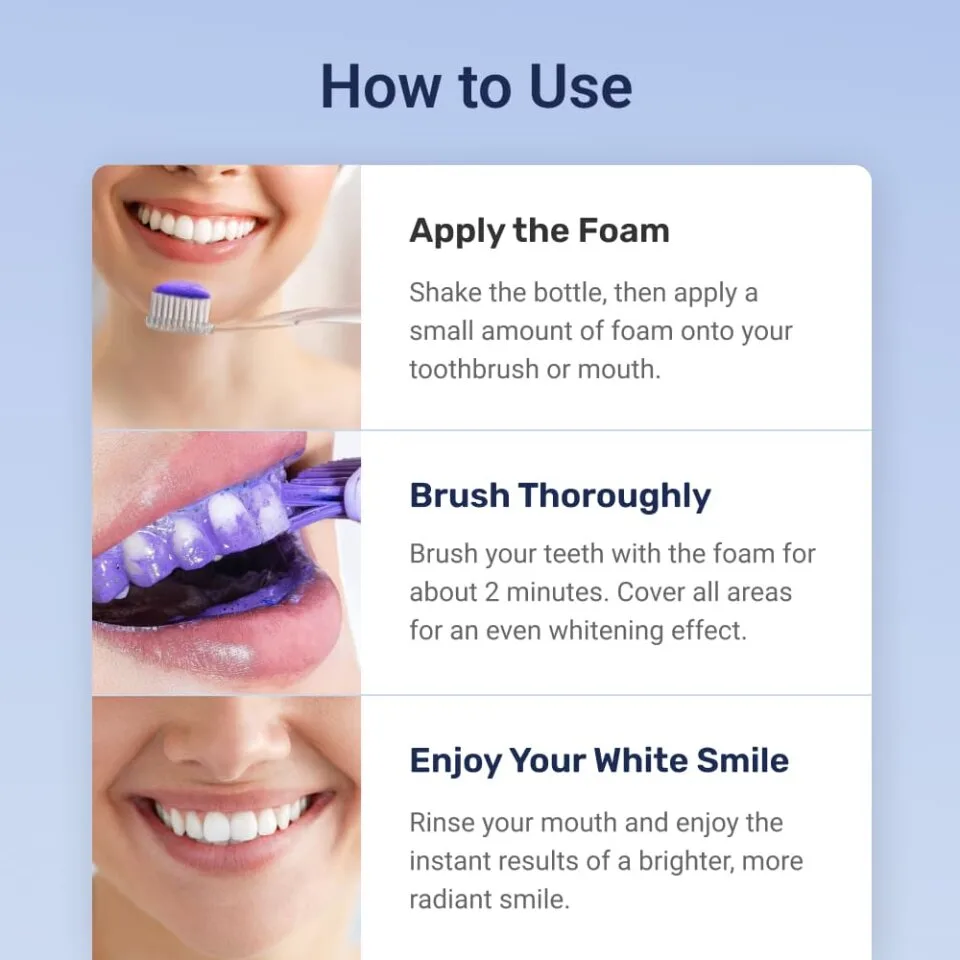
Gentlest first step: WellaWhite Purple Foam
Peroxide-free purple color correction for an instantly brighter-looking smile. Brush for 2 minutes, no strips, no trays, no zing.
Check today's price →Up to 70% off on the official site
Can you use an LED kit with sensitive teeth?
Many people with sensitive teeth do, by pacing themselves. LED kits with custom-fit trays keep the gel on your teeth and off your gums, which helps with comfort.
The WellaWhite At-Home LED System is designed with sensitive teeth in mind. WellaWhite describes its gel as gentle and enamel-protecting, and many reviewers mention choosing it after other methods were too painful. A comfortable approach:
- Start with 15-minute sessions instead of 30.
- Leave a day between sessions in the first week.
- Use a thin layer of gel and wipe away anything that touches your gums.
- Increase gradually only if your teeth feel fine.
See every detail in our WellaWhite LED System review.
What's the best whitening routine for sensitive teeth?
- Two weeks before: switch to a toothpaste for sensitive teeth and use a soft-bristled or sonic toothbrush with a sensitive mode.
- Week 1: LED sessions of 15 minutes every other day.
- Week 2: move to 20 to 30 minutes if comfortable.
- Every day: purple foam on days you want an extra-bright look.
- Maintenance: a short LED touch-up every few weeks.
What else helps reduce sensitivity?
- Avoid very hot or cold drinks for a few hours after a session.
- Skip acidic foods (citrus, soda, vinegar) right before and after whitening.
- Brush gently. Aggressive scrubbing wears enamel and irritates gums. A sonic toothbrush with a sensitive mode does the work for you.
- Don't whiten right after a dental cleaning if your teeth feel tender.
- Never exceed the directions. Longer isn't better.
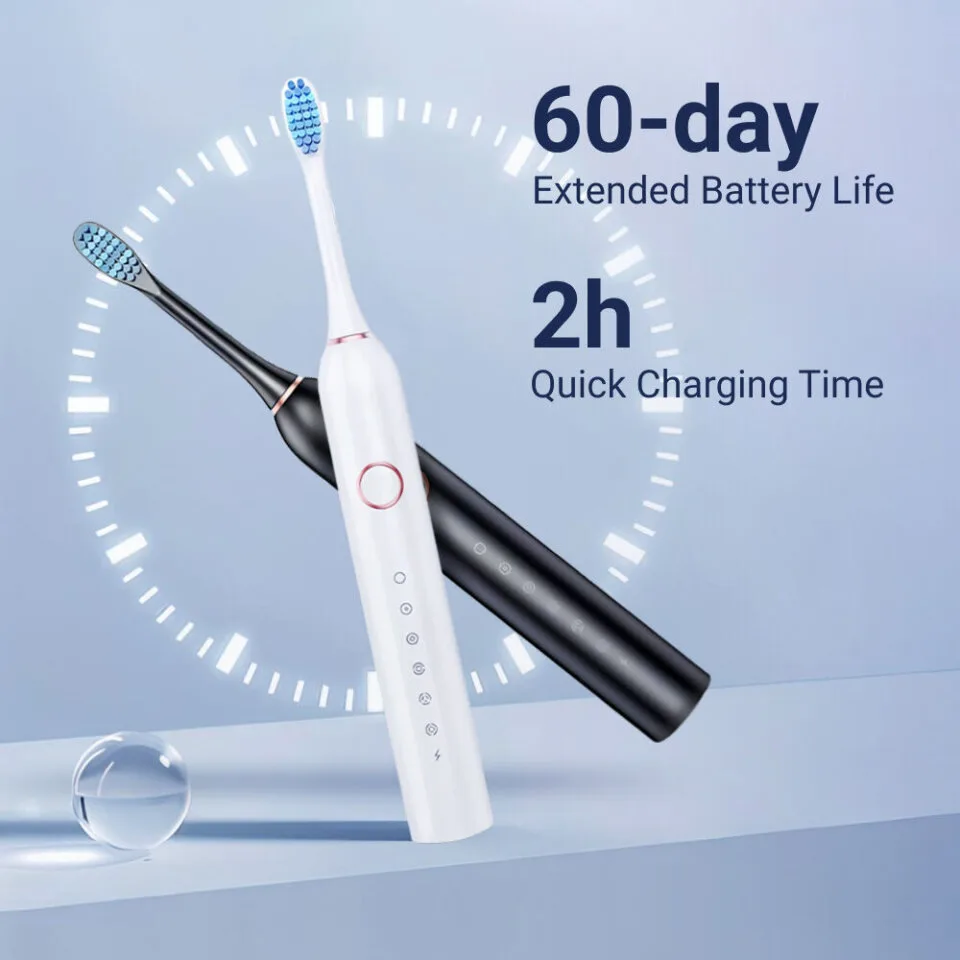
Does your toothbrush matter for sensitive teeth?
Yes. Brushing too hard with a manual brush can wear enamel and push gums back, which makes sensitivity worse. A sonic toothbrush does the scrubbing for you. The WellaWhite Sonic Electric Toothbrush has ultra-soft bristles and a dedicated "Sensitive" mode, plus a smart timer so you brush for the full two minutes. A Cochrane review also found powered toothbrushes remove more plaque than manual ones over time (Yaacob et al., 2014). See electric vs manual toothbrush.
What else can cause sensitive teeth?
Whitening is only one cause. Others include receding gums, worn enamel, cavities, cracked teeth and grinding. If your teeth were sensitive before you started whitening, see a dentist to rule out a problem that needs treatment. Whitening should feel like a cosmetic upgrade, not a pain test.
When should you stop and see a dentist?
- Sensitivity lasts more than a few days after you stop whitening.
- You feel sharp pain in one specific tooth.
- Your gums become very red, swollen or bleed.
- You notice white spots or changes in your enamel.
The gentle whitening combo we recommend
For sensitive teeth, we like a three-part approach:
- WellaWhite Purple Foam for instant, peroxide-free brightening.
- WellaWhite LED System in shorter, spaced-out sessions to lift real stains.
- WellaWhite Sonic Toothbrush on Sensitive mode for gentle daily cleaning.
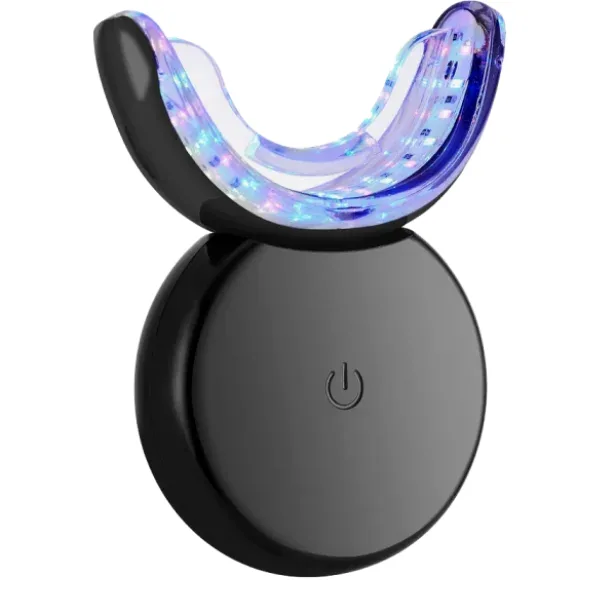
Lift stains gently: WellaWhite LED System
Custom-fit trays, a gel designed to be gentle and sessions you control. $79 for one kit, as low as $59 per kit in bundles.
Check today's price →From $59 per kit · PayPal accepted
Will gentle whitening still give results?
Yes. Gentle whitening simply takes a little longer. Shorter, spaced-out sessions still lift surface stains, they just spread the work over more days. Meanwhile, purple foam gives you an instantly brighter look on the days you need it. The result is a whiter smile without the discomfort that made you quit before.
What are common myths about whitening sensitive teeth?
- "Sensitive teeth can't be whitened." Most can, with gentle products and pacing.
- "If it hurts, it's working." Pain is a sign to slow down, not a sign of better results.
- "DIY remedies are gentler." Abrasive DIY methods like charcoal can wear enamel with overuse.
- "Whitening toothpaste is always gentle." Some are quite abrasive. Check the label.
What should you look for in a toothpaste for sensitive teeth?
Toothpastes for sensitive teeth are designed to calm the nerve response that causes that sharp "zing." Look for a fluoride toothpaste labeled for sensitivity and use it consistently for a couple of weeks before you start whitening. Avoid very abrasive whitening toothpastes while your teeth are sensitive, since they can make things worse. Keep using your sensitive toothpaste on whitening days.
What if my gums are sensitive, not my teeth?
Gum irritation during whitening usually happens when gel touches the gums. Custom-fit trays, a thin layer of gel and wiping away any excess help a lot. If your gums are sensitive or bleed even without whitening, focus on gentle daily cleaning first. Our guide on how to stop bleeding gums explains the routine, and a water flosser on a gentle setting can make interdental cleaning more comfortable (water flosser vs floss).
What does a gentle whitening timeline look like?
| When | What to do |
|---|---|
| Weeks before | Switch to sensitive toothpaste and a soft or sonic toothbrush |
| Week 1 | 15-minute LED sessions every other day, purple foam for instant brightening |
| Week 2 | Increase to 20 to 30 minutes if comfortable |
| Ongoing | Short touch-ups every few weeks, purple foam before events |
Coffee drinker? Pair this timeline with the habits in coffee stains on teeth so your results last longer.
Which foods and drinks should you avoid while whitening?
For a few hours after each session, your teeth can be more reactive and more prone to picking up stains. Go easy on:
- Very cold or very hot drinks, which can trigger sensitivity.
- Acidic foods and drinks such as citrus, soda, sports drinks and vinegar.
- Dark pigments such as coffee, black tea, red wine and berries.
Room-temperature water, milk and light-colored foods are your best friends on whitening days. Whitening in the evening, after your last coffee, makes this easy.
How do you track your progress comfortably?
Take a photo of your smile in natural daylight before you start and after every few sessions. Many people underestimate their progress because the change is gradual. Tracking it also helps you see when you've reached the shade you want, so you can switch from regular sessions to occasional touch-ups and give your teeth a rest. That's the gentlest way to whiten: reach your goal, then maintain it, instead of whitening nonstop.
Once you're happy with your shade, a simple maintenance routine with a sonic brush, daily interdental cleaning and purple foam before events keeps your smile bright without putting your sensitive teeth through extra sessions.
What should you do right after a whitening session?
- Rinse gently with lukewarm water to remove leftover gel.
- Clean the trays with cool water and let them dry.
- Skip coffee, tea and red wine for a few hours.
- Brush later, not right away, using your sensitive toothpaste and a soft or sonic brush.
- Note how your teeth feel. If they're tender, take an extra day off before your next session.
These small steps make a big difference in comfort, and they help your results look even and last longer.
The bottom line
Sensitive teeth can be whitened at home. Start with peroxide-free purple foam for an instant, gentle boost, lift stains with a gentle LED kit in shorter sessions, and protect your teeth with a sensitive toothpaste and a soft sonic brush.
Our picks: WellaWhite Purple Foam and the WellaWhite LED System.
Sources
- American Dental Association. Whitening.
- The Journal of the American Dental Association. Incidence of tooth sensitivity after home whitening treatment.
- Yaacob M. et al. (2014). Powered versus manual toothbrushing for oral health. Cochrane.
- Official WellaWhite product pages, checked October 2026.
Frequently asked questions
Can you whiten teeth if they are sensitive?
Most people with sensitive teeth can whiten by choosing gentle products, using shorter sessions spaced out over more days and using a sensitive toothpaste. See a dentist first if you have unexplained pain.
What is the gentlest way to whiten teeth?
Peroxide-free purple color-correcting foam is the gentlest, because it brightens the look of teeth without bleaching. For lifting stains, a gentle LED kit in shorter sessions is a comfortable next step.
How long does sensitivity from whitening last?
For most people, whitening sensitivity is temporary and fades within a day or two. If it lasts longer, stop whitening and talk to your dentist.
Does an electric toothbrush help sensitive teeth?
A sonic brush with soft bristles and a sensitive mode helps you clean thoroughly without scrubbing hard, which protects enamel and gums.
Should I use sensitive toothpaste while whitening?
Many people find it helps. Switching to a toothpaste for sensitive teeth before and during whitening can make sessions more comfortable.
What should I avoid after whitening?
Avoid very hot or cold drinks and acidic foods for a few hours after a session, and never exceed the recommended session time.

Michelle Hert
Michelle researches at-home oral care products, from whitening kits to water flossers, and reads the dental research and buyer feedback behind them so readers can make smarter choices. She is not a dentist, and her guides are not a substitute for professional dental care. Her guides are built on published research, manufacturer information and verified buyer feedback, and are updated when new information comes out. More about Michelle.