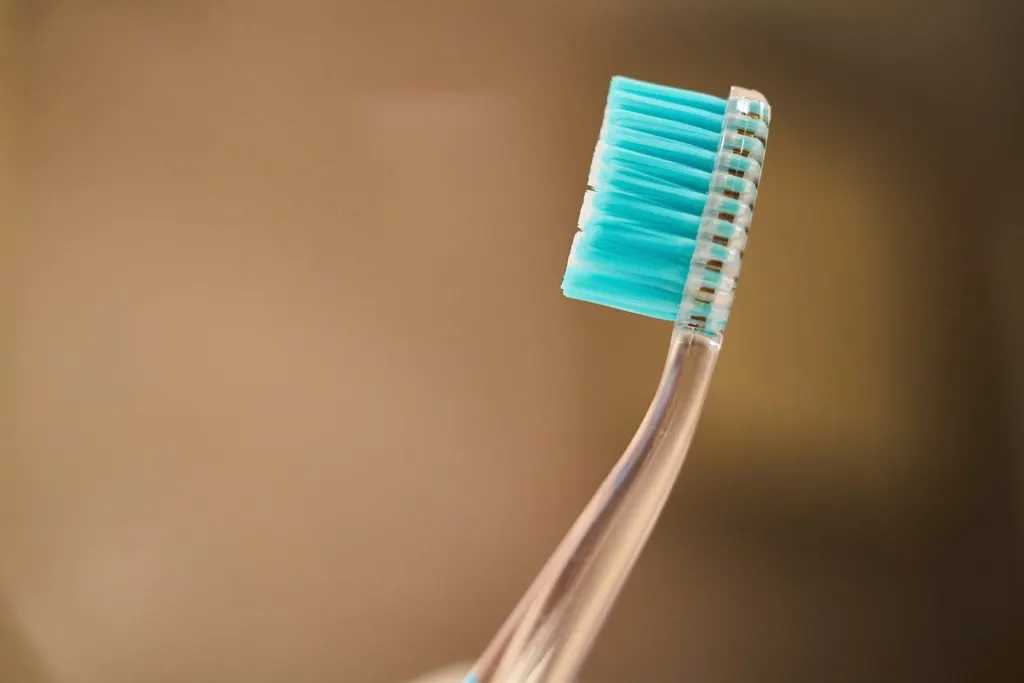
- Brush twice a day for two minutes with fluoride toothpaste, angling the bristles toward the gumline.
- Clean between your teeth once a day with floss or a water flosser.
- Brush or scrape your tongue.
- Cut back on sugary snacks and drinks, which feed plaque bacteria.
General information, not dental advice. Don't scrape your teeth with metal tools at home. If you have bleeding, swollen or receding gums, loose teeth or pain, see a dentist.
Plaque is the soft, sticky film that builds up on your teeth every day. You can feel it as a fuzzy coating when you run your tongue over your teeth in the morning. Left alone, it irritates your gums, contributes to cavities and bad breath, and eventually hardens into tartar that you can't brush away.
The good news is that daily plaque removal is completely within your control. This guide explains what plaque is, the most effective way to remove it at home, which tools help most, what to avoid, and when you need a professional.
What is plaque, and why does it matter?
Plaque is a biofilm: a community of bacteria embedded in a sticky layer that clings to teeth, especially along the gumline and between teeth. The American Dental Association's MouthHealthy site explains that bacteria in plaque produce acids after you eat or drink, and those acids can damage enamel and lead to cavities. Plaque that stays along the gumline can also inflame the gums. The National Institute of Dental and Craniofacial Research describes plaque buildup as the usual cause of gum disease.
Because plaque forms constantly, the goal isn't to remove it once, but to disrupt it thoroughly every day before it has a chance to mature and harden.
What's the difference between plaque and tartar?
| Plaque | Tartar (calculus) | |
|---|---|---|
| Texture | Soft, sticky, often colorless or whitish | Hard, crusty, often yellow or brown |
| Where | Everywhere, especially gumline and between teeth | Gumline, behind lower front teeth, near salivary ducts |
| Remove at home? | Yes, with brushing and cleaning between teeth | No, a dental professional removes it |
| Prevent | Daily thorough cleaning | Remove plaque before it hardens |
Tartar also makes teeth look darker and gives stains a rough surface to cling to. That's one reason a professional cleaning before whitening gives better results. See how to get rid of yellow teeth.
How should you brush to remove plaque?
- Use fluoride toothpaste and a soft-bristled brush.
- Angle the bristles about 45 degrees toward the gumline, where plaque collects most.
- Use small, gentle strokes or let an electric brush do the motion, moving tooth by tooth.
- Cover every surface: outer, inner and chewing surfaces, including the backs of the front teeth.
- Brush for two full minutes, twice a day.
- Don't scrub hard. Pressure doesn't remove more plaque; it can wear gums and enamel.
Our step-by-step guide to how to brush your teeth properly goes into more detail.
Does an electric toothbrush remove more plaque?
Research suggests powered toothbrushes can remove somewhat more plaque than manual brushing for many people. A Cochrane review found that powered brushes reduced plaque and gingivitis more than manual brushes over time. The biggest practical advantages are a built-in timer and consistent motion, which help people brush thoroughly without pressing too hard. See electric vs manual toothbrush and sonic vs oscillating toothbrushes.
Why is cleaning between your teeth so important?
A toothbrush can't reach the tight spaces between teeth or just under the gumline between them, and that's where plaque often does the most harm. The ADA recommends cleaning between your teeth once a day. You can use:
- String floss, curved in a C-shape around each tooth and moved gently under the gumline.
- A water flosser, which uses a pulsing stream of water to flush plaque and debris from between teeth and along the gumline.
- Interdental brushes, small brushes that fit into wider gaps.
- Floss picks for convenience on the go.
The best tool is the one you'll use every day. Many people who skip string floss stick with a water flosser because it's quicker and more comfortable. See water flosser vs floss and our guide to how to use a water flosser.
How does a water flosser help with plaque?
A water flosser sends a pulsing stream of water between teeth and along the gumline to loosen and rinse away plaque and food. The ADA's MouthHealthy site also notes that water flossers can be a good option, especially for people with braces or dental work, or who have trouble with string floss.
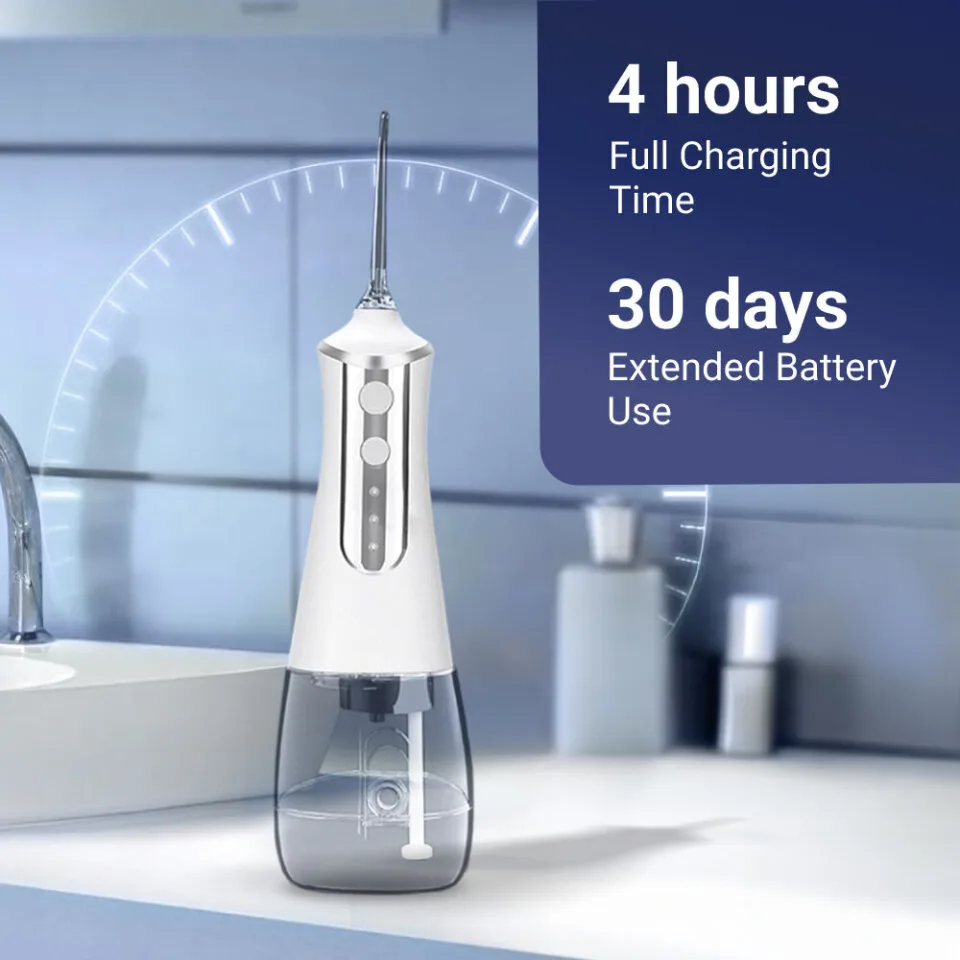
The WellaWhite Water Flosser is cordless and rechargeable, with three modes and interchangeable nozzles, so you can start gently and increase pressure as your gums get used to it. It's braces-friendly and compact enough to keep on the counter or take traveling, and it's often sold with discounts of up to 75% on the official site.
Make daily plaque removal easier
WellaWhite Water Flosser: cordless and rechargeable, 3 modes, interchangeable nozzles, braces-friendly. Up to 75% off on the official site.
Check today's price →Up to 75% off on the official site
What's the best daily routine to keep plaque under control?
- Morning: brush for two minutes with fluoride toothpaste.
- Evening: clean between your teeth with floss or a water flosser.
- Evening: brush for two minutes, the most important session of the day, because plaque builds up overnight when saliva flow drops.
- Tongue: brush or scrape your tongue gently to remove bacteria that cause bad breath.
- Through the day: drink water and rinse after meals, snacks, coffee or sugary drinks.
- Every few months: replace your brush or brush head.
- Regularly: see a dentist for checkups and professional cleanings.
Which foods and habits make plaque worse?
Plaque bacteria feed on sugars and refined starches. Frequent sipping and snacking keeps them supplied with fuel all day. To slow plaque buildup:
- Limit sugary drinks, including sweetened coffee and tea, soda and juice.
- Choose snacks like cheese, nuts, plain yogurt or crunchy vegetables.
- Have sweets with meals instead of grazing on them.
- Drink water often, especially after eating.
- Chew sugar-free gum after meals to boost saliva.
- Avoid smoking and vaping, which are linked with gum problems and staining.
How can you see where plaque is building up?
Plaque is hard to see because it's often colorless. Plaque-disclosing tablets or solutions, sold in drugstores, temporarily stain plaque a bright color so you can see the spots you're missing. Use them once in a while after brushing to check your technique; most people discover they're missing the gumline, the backs of the lower front teeth, or the back molars. Then adjust your brushing and between-teeth cleaning to cover those areas. Repeating the test a few weeks later is an easy way to see whether your new habits are working.
What should you never do to remove plaque or tartar?
- Don't scrape with metal tools. Home dental scalers and picks can scratch enamel, cut gums and push bacteria under the gumline.
- Don't use harsh abrasives like baking soda scrubs every day or charcoal powders that can wear enamel.
- Don't use acids like lemon juice or vinegar on teeth; they soften enamel.
- Don't brush aggressively to make up for skipped days.
- Don't rely on mouthwash alone. Rinses can help, but they don't replace mechanical cleaning.
See how to protect your enamel for more on what's gentle and what isn't.
Does mouthwash remove plaque?
Some antimicrobial mouthwashes can help reduce plaque and gingivitis as an addition to brushing and cleaning between teeth, but mouthwash can't break up a plaque layer the way physical cleaning does. If you use a mouthwash, consider one with the ADA Seal of Acceptance, and use it at a different time from brushing so you're not rinsing away your toothpaste's fluoride right after brushing.
What are the signs plaque is causing problems?
- Gums that bleed when you brush or clean between teeth.
- Red, puffy or tender gums.
- Persistent bad breath.
- A rough, crusty feeling along the gumline, often tartar.
- Gums that seem to be pulling back from your teeth.
Bleeding gums are often an early sign of gingivitis, which can improve with consistent cleaning. See how to stop bleeding gums and the signs of gum disease.
When do you need a dentist for plaque and tartar?
Once plaque hardens into tartar, brushing and flossing won't remove it. Dental hygienists remove tartar with special instruments during a cleaning, including below the gumline where you can't reach. Regular cleanings, at the schedule your dentist recommends, combined with good daily habits, are the most reliable way to keep both plaque and tartar under control. If you notice bleeding that doesn't improve after a couple of weeks of better cleaning, loose teeth or receding gums, book an appointment.
How do you remove plaque around braces or dental work?
Braces, bridges and implants create extra spaces where plaque hides. Brush carefully around brackets and wires from above and below, and use a water flosser or floss threader to clean under wires and around bridges. Water flossers are particularly popular with people who have braces because they reach around brackets without threading floss through every gap. See water flossers for braces.
Why does removing plaque help your smile look whiter?
Plaque and tartar give teeth a dull, yellowish film and trap stains from coffee, tea and wine. Clean teeth reflect light better and look brighter right away. If you're planning to whiten, a professional cleaning followed by a good daily routine helps whitening gel reach the enamel evenly and keeps your results looking fresh longer. See coffee stains on teeth.
The bottom line
You can remove soft plaque at home every day by brushing twice for two minutes, cleaning between your teeth once a day, brushing your tongue and cutting back on sugar. Tartar is different: once plaque hardens, a dental professional needs to remove it. The easiest way to stay ahead is to make between-teeth cleaning a habit you actually enjoy.
For that step, our pick is the WellaWhite Water Flosser. Check today's WellaWhite Water Flosser offer.
Sources
- American Dental Association, MouthHealthy. Plaque.
- National Institute of Dental and Craniofacial Research. Gum Disease.
- Cochrane Library. Powered versus manual toothbrushing.
Frequently asked questions
Can you remove plaque at home?
Yes. Soft plaque is removed daily by brushing twice for two minutes and cleaning between your teeth once a day.
Can you remove tartar at home?
No. Once plaque hardens into tartar, a dental professional needs to remove it. Don't scrape teeth with metal tools at home.
Does a water flosser remove plaque?
A water flosser helps loosen and rinse plaque and debris from between teeth and along the gumline, and is a good option for braces and dental work.
Does an electric toothbrush remove more plaque?
Research suggests powered brushes reduce plaque and gingivitis more than manual brushes for many people over time.
Does mouthwash remove plaque?
Some antimicrobial rinses help as an add-on, but they don't replace brushing and cleaning between teeth.
How fast does plaque turn into tartar?
Plaque can begin to harden within a few days if it isn't removed, which is why daily cleaning matters.

Michelle Hert
Michelle researches at-home oral care products, from whitening kits to water flossers, and reads the dental research and buyer feedback behind them so readers can make smarter choices. She is not a dentist, and her guides are not a substitute for professional dental care. Her guides are built on published research, manufacturer information and verified buyer feedback, and are updated when new information comes out. More about Michelle.