- Overuse, or leaving gel on longer than the instructions say.
- Very high concentrations without professional supervision.
- Abrasive DIY methods like baking soda scrubs, lemon juice or charcoal.
General information, not dental advice. See your dentist before whitening if you have sensitive teeth, cavities, gum disease, worn enamel, exposed roots or dental work on your front teeth.
Many people want a brighter smile but worry that whitening will "eat away" their enamel or leave their teeth weak and sensitive forever. It's a fair concern; nobody wants to trade white teeth for damaged ones. The good news is that when whitening products are used correctly, the evidence is reassuring. The real risks come mostly from overuse and from some popular DIY hacks.
This guide explains how whitening works, what research and dental organizations say about enamel safety, the side effects you might notice, which methods are riskier, and how to whiten safely.
How does teeth whitening work?
Peroxide-based whitening gels (hydrogen peroxide or carbamide peroxide, which breaks down into hydrogen peroxide) pass through the enamel and break down stain molecules in the enamel and dentin. The American Dental Association explains that bleaching products contain peroxide that whitens the tooth, while whitening toothpastes remove surface stains through mild abrasion or chemical action. Whitening changes the color of stains; it doesn't strip away the enamel layer.
Does whitening damage enamel?
Dental organizations generally consider peroxide whitening safe when products are used as directed. Laboratory studies have looked at enamel surface changes after whitening, and many suggest any changes in surface properties are small and that saliva and fluoride help the enamel recover. That's very different from the irreversible wear caused by abrasive scrubbing or acidic foods. The key words are "as directed": longer contact times, very frequent sessions and unsupervised high concentrations raise the risk of problems.
Why do teeth feel sensitive after whitening?
Temporary sensitivity is the most common side effect. Peroxide can temporarily make the inner layer of the tooth more reactive to temperature, causing zings with cold drinks or air. Research published in the Journal of the American Dental Association has studied tooth sensitivity in whitening, including light-activated whitening. For most people, sensitivity fades within a day or a few days after stopping.
Ways to reduce it:
- Use a toothpaste for sensitive teeth for a week or two before and during whitening.
- Shorten sessions or space them out (every other day instead of daily).
- Choose a gentler formula designed for sensitive teeth.
- Avoid very hot or cold drinks right after sessions.
- Stop and let teeth settle if sensitivity is strong.
See our guide to teeth whitening for sensitive teeth.
Can whitening irritate your gums?
Yes, if gel touches the gums for long periods. It can cause temporary whitish patches or tenderness. Use only the recommended amount of gel, wipe off excess that squeezes onto the gums, and make sure trays fit well. Moldable trays help keep gel on the teeth. Irritation usually resolves quickly once the gel is removed. If your gums are already red, swollen or bleeding before you start, get them checked first, since whitening is more comfortable on healthy gums.
Which whitening methods are riskier for enamel?
| Method | Enamel risk | Why |
|---|---|---|
| Lemon juice, vinegar, apple cider vinegar | High | Acids can erode enamel |
| Baking soda scrubs used often | Moderate | Abrasion over time |
| Activated charcoal powders | Moderate to high | Abrasive; little evidence it whitens |
| Strawberry and other fruit "hacks" | Moderate | Acid and sugar |
| Overusing peroxide products | Moderate | More sensitivity and irritation |
| Peroxide kits used as directed | Low | Designed and tested for home use |
The irony is that some "natural" methods do more harm to enamel than properly used whitening gels. Enamel doesn't grow back once it's worn or eroded, so it's worth protecting. If a method fizzes, scrubs hard or tastes sour, think twice before using it on your teeth every day.
Who should avoid or delay whitening?
- People with untreated cavities or gum disease.
- People with worn enamel or exposed roots (whitening doesn't affect roots and can make them sensitive).
- Children and teens, unless a dentist advises otherwise.
- Pregnant or breastfeeding people often choose to wait.
- People with very sensitive teeth, until they've talked with a dentist.
What is a gentle way to whiten at home?
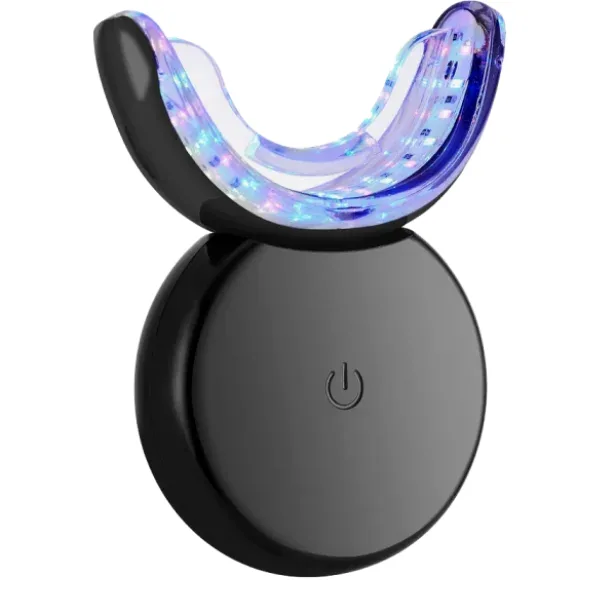
A well-designed at-home kit with good-fitting trays and clear instructions lets you control contact time and frequency. The WellaWhite At-Home LED System includes whitening gel, an LED light, moldable trays and a shade guide, with sessions of 15 to 30 minutes. It's designed to be gentle on sensitive teeth, and the shade guide helps you stop when you reach your goal instead of overdoing it. On the official checkout in October 2026, a kit was $79, down to $59 per kit in bundles. Returns are accepted within 30 days for unopened products. Read our WellaWhite LED review.
Gentle, controlled whitening at home
WellaWhite At-Home LED System: gel, LED light, moldable trays and shade guide. 15 to 30 minutes per session. $79, or from $59 per kit in bundles.
Check today's price →From $59 per kit · PayPal accepted
Is in-office whitening safer than at-home whitening?
In-office whitening uses higher-concentration gels for shorter periods, with a dentist protecting the gums and monitoring the process. That supervision is its main safety advantage, along with faster results. At-home kits use lower concentrations over more sessions, which many people find more comfortable and more affordable, and they're well suited to regular touch-ups. Both approaches are considered safe when done correctly. What matters more than the setting is following the instructions, starting with healthy teeth and gums, and not overdoing it. Some people combine them: a professional whitening once, then at-home touch-ups to maintain the result.
How often is it safe to whiten?
Follow the specific product's instructions; they're designed around its concentration and contact time. In general, a whitening course runs for a set number of sessions, then you stop. Touch-ups can be done every few months as needed rather than continuously. Whitening every day for months on end isn't recommended, and it mostly adds sensitivity rather than extra whiteness. If you're unsure, your dentist can suggest a schedule based on your teeth, your sensitivity and your habits.
Does whitening affect fillings, crowns or veneers?
Whitening products don't change the color of crowns, veneers, bonding or fillings, and they aren't designed to damage them when used as directed. The issue is appearance: natural teeth get lighter while restorations stay the same, so they may stop matching. If you have visible dental work, talk with your dentist before whitening; you may plan to whiten first and replace old restorations afterward to match the new shade.
How do you whiten safely?
- Get a dental checkup first to rule out cavities, cracks or gum problems.
- Read and follow the instructions for session time and frequency.
- Use only a small amount of gel and keep it off your gums.
- Start slowly, especially if you have sensitive teeth or receding gums.
- Use fluoride toothpaste, and a sensitivity toothpaste if needed.
- Track your shade and stop when you're happy.
- Avoid acidic and staining foods right after sessions. See what to eat after whitening.
- Don't combine several peroxide products at once.
Is purple toothpaste safer for enamel?
Purple color-correcting foams and toothpastes work optically, cancelling yellow tones with a violet pigment, and many contain no peroxide. They're very gentle, but the effect is temporary. They're great for an instant boost before photos, and pair well with a peroxide kit for lasting results. See does purple toothpaste work?
How can you protect your enamel every day?
- Brush gently with a soft brush and fluoride toothpaste. See how to brush properly.
- Limit acidic drinks like soda, sports drinks and citrus juices, and drink water afterward.
- Wait about 30 minutes after acidic food or drink before brushing.
- Don't use your teeth as tools to open packages or bottles.
- Wear a night guard if you grind your teeth at night.
- See your dentist regularly for checkups and cleanings.
What are common myths about whitening and enamel?
- "Whitening thins your enamel." Used as directed, peroxide whitening changes stain color rather than removing the enamel layer.
- "Sensitivity means damage." Temporary sensitivity is common and usually fades within days.
- "Natural methods are safer." Acidic and abrasive DIY methods can be harder on enamel than whitening gels.
- "More sessions mean whiter teeth." Beyond a point, overuse mainly increases sensitivity.
When should you call your dentist?
Call your dentist if sensitivity is severe or lasts more than a few days after stopping, if you have tooth pain (which could signal a cavity or crack), if your gums stay irritated, or if whitening results are very uneven. Your dentist can also recommend in-office whitening with professional supervision.
What does safe whitening look like in practice?
A typical careful user starts with a dental checkup and a professional cleaning, then switches to a sensitivity toothpaste a week before whitening. They follow the kit's recommended session time, use a thin layer of gel and wipe off anything that touches the gums. On day three, they notice a mild zing with ice water, so they skip a day and continue every other day. After two weeks, they've reached a shade they like on the guide and stop. Sensitivity disappears within a couple of days. A few months later, a short touch-up keeps the color, and their enamel is no worse for it. That pattern, controlled and patient, is what dental guidance supports.
The bottom line
Teeth whitening used as directed is generally considered safe for enamel. The usual side effects, sensitivity and gum irritation, are temporary and manageable. The real risks come from overuse, unsupervised high concentrations and acidic or abrasive DIY hacks. Get a checkup, follow instructions, go slowly and protect your enamel with good daily habits.
For gentle, controlled at-home whitening, our pick is the WellaWhite At-Home LED System. Check today's WellaWhite price.
Sources
- American Dental Association. Whitening.
- Journal of the American Dental Association. Light-activated tooth whitening and sensitivity study.
- Cleveland Clinic. Tooth Discoloration.
Frequently asked questions
Does teeth whitening ruin enamel?
Used as directed, peroxide whitening is generally considered safe for enamel. Problems are more likely with overuse, unsupervised high concentrations or acidic and abrasive DIY methods.
Why are my teeth sensitive after whitening?
Peroxide can temporarily make teeth more reactive to temperature. It usually fades within days; sensitivity toothpaste and spacing sessions help.
Is it safe to whiten teeth at home?
Generally yes, with a dental checkup first and by following the product's instructions for time and frequency.
Are natural whitening methods safer?
Not necessarily. Lemon juice, vinegar, frequent baking soda scrubs and charcoal can be acidic or abrasive and harder on enamel than whitening gels.
Who should not whiten their teeth?
People with untreated cavities, gum disease, worn enamel or exposed roots, children, and pregnant or breastfeeding people should talk with a dentist first.
Is purple toothpaste safe for enamel?
Purple color-correcting products work optically and many contain no peroxide, so they're gentle, but their effect is temporary.

Michelle Hert
Michelle researches at-home oral care products, from whitening kits to water flossers, and reads the dental research and buyer feedback behind them so readers can make smarter choices. She is not a dentist, and her guides are not a substitute for professional dental care. Her guides are built on published research, manufacturer information and verified buyer feedback, and are updated when new information comes out. More about Michelle.