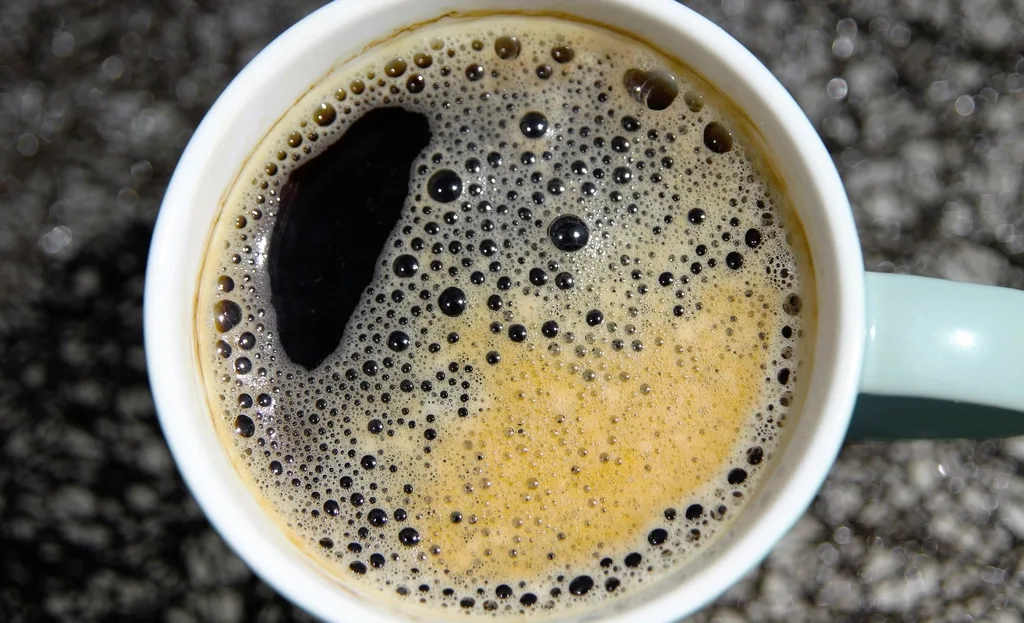
Coffee is one of America's favorite habits, and one of the biggest reasons teeth turn yellow. "Coffee stains on teeth" is searched more than 4,000 times a month by people who love their morning cup but not what it does to their smile.
The good news: you can keep drinking coffee and still have a bright smile. In this guide we explain why coffee stains teeth, how to remove the stains you already have, and the simple habits that stop them coming back.
General information about consumer products, not dental advice.
Why does coffee stain your teeth?
Coffee contains dark pigment compounds called tannins and chromogens. They cling to the tooth surface, especially to the thin film of plaque that builds up between brushings. Over weeks and months, the color builds up into a yellow or brown tint.
The Cleveland Clinic classifies coffee and tea stains as extrinsic stains, meaning they sit on the outer layer of the tooth, the enamel. Stains also cling to plaque, which is why good cleaning matters so much.
That's actually good news. Extrinsic stains are the kind that respond best to whitening.
Which drinks stain teeth the most?
| Drink | Staining potential | Tip |
|---|---|---|
| Black coffee | High | Rinse with water afterward |
| Black tea | High | Rinse, or try green tea |
| Red wine | High | Rinse, eat cheese with it |
| Cola and dark sodas | Medium-high (plus acidic) | Use a straw |
| Coffee with milk | Medium | Milk slightly lightens the color |
| Iced coffee through a straw | Lower | Straw keeps it off front teeth |
How do you remove coffee stains from teeth?
1. Use an LED whitening kit
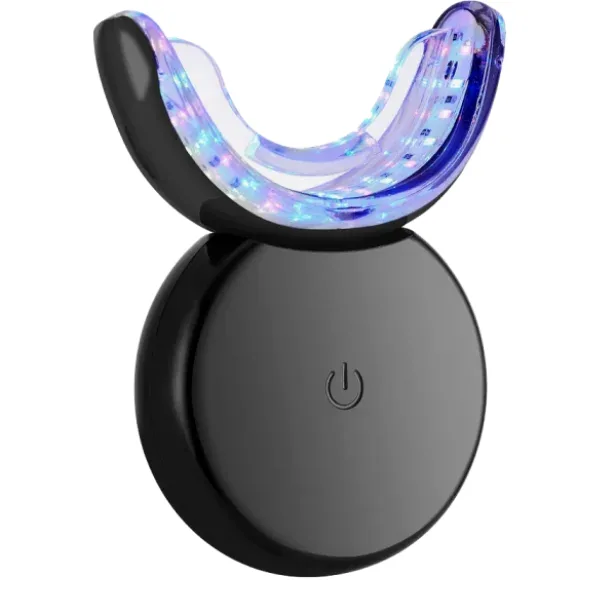
For stains that have built up over months or years, an LED whitening kit is the most complete at-home option. The whitening gel lifts the stains, the LED light helps speed things up, and custom trays keep the gel evenly on every tooth. Research in The Journal of the American Dental Association found that light augments tooth whitening with peroxide.
Our pick, the WellaWhite At-Home LED System, is designed for exactly this, and coffee lovers are among its biggest fans. Sessions take 15 to 30 minutes. Full details in our WellaWhite review.
Lift coffee stains at home
WellaWhite At-Home LED System: whitening gel, LED light and custom-fit trays. $79 for one kit, as low as $59 per kit in bundles.
Check today's price →From $59 per kit · PayPal accepted
2. Brush with a sonic toothbrush
Because stains cling to plaque, removing plaque more effectively helps prevent new buildup. A Cochrane review found powered toothbrushes reduced plaque by 21% compared with manual brushes after more than three months (Yaacob et al., 2014). The WellaWhite Sonic Electric Toothbrush includes a whitening mode and a smart two-minute timer.
3. Use purple foam for an instant boost
Purple color-correcting foam cancels yellow tones so your smile looks brighter right away. It's temporary, but it's a great quick fix before a meeting when your morning coffee is still showing. See does purple toothpaste work?
4. Get regular professional cleanings
Plaque that hardens into tartar can't be removed by brushing. Regular cleanings remove it, and stains along with it.
How do you prevent coffee stains without quitting coffee?
- Rinse with water right after coffee. A quick swish washes away pigment before it settles.
- Use a straw for iced coffee. It keeps the drink off your front teeth.
- Don't sip all day. Drinking your coffee in one sitting gives stains less contact time than sipping for hours.
- Add milk if you like it. It slightly lightens the color.
- Wait 30 minutes before brushing after acidic drinks, then brush thoroughly.
- Clean between your teeth daily. The ADA recommends floss or another interdental cleaner like a water flosser once a day.
- Do LED touch-ups every few weeks to keep your shade.
What about coffee plus smoking?
Tobacco stains are also extrinsic, but they can be more stubborn, especially combined with coffee. LED whitening can still help, though you may need more sessions and more frequent touch-ups. Quitting smoking is the single biggest thing you can do for both your smile and your health.
What's the ideal routine for coffee drinkers?
- Morning: enjoy your coffee, then rinse with water.
- After breakfast: brush with a sonic toothbrush for two minutes.
- Evening: brush again and clean between teeth with a water flosser or floss.
- Two to three times a week (for 1 to 2 weeks): LED whitening sessions.
- Before special moments: purple foam for an instant boost.
- Every few weeks: a short LED touch-up.
What if coffee drinking and whitening make my teeth sensitive?
Hot coffee right after whitening can trigger sensitivity. Wait a few hours after an LED session before drinking hot coffee, or have it lukewarm that day. If your teeth are sensitive in general, read teeth whitening for sensitive teeth.
What doesn't work for coffee stains?
- Scrubbing harder. It wears enamel and irritates gums without removing more stain.
- Lemon juice. It's acidic and can soften enamel.
- Charcoal every day. It's abrasive, and overuse can wear enamel.
- Switching to decaf. Decaf is just as dark, so it stains just as much.
How long until coffee stains are gone?
With an LED kit, many people notice a difference after the first session and a clearer improvement within a week or two of regular use. How long your results last depends on how much coffee you drink and how well you keep up with rinsing, brushing and touch-ups. WellaWhite says results can last up to 6 months with its guided routine.
Is it worth paying for at-home whitening if I drink coffee every day?
For daily coffee drinkers, a reusable LED kit is especially good value. Stains will slowly return no matter what, so the ability to do a quick touch-up at home whenever you want, without booking an appointment or buying new strips, is exactly what keeps a coffee lover's smile bright. At $59 to $79, WellaWhite costs a fraction of a single professional whitening visit.
What should you do right after drinking coffee?
The first 30 minutes after coffee matter most. Coffee is slightly acidic, and acids can temporarily soften the surface of enamel. Brushing immediately can rub that softened surface, so many dentists suggest a different order:
- Rinse with water right away to wash pigment and acid off your teeth.
- Chew sugar-free gum if you're on the go. It increases saliva, which naturally helps clean teeth.
- Wait about 30 minutes, then brush thoroughly for two minutes.
This simple habit reduces how much pigment settles into your enamel every day, which means your whitening results last longer.
Does iced coffee stain less than hot coffee?
Iced coffee isn't less pigmented, but how you drink it makes a difference. Most people drink iced coffee through a straw, which bypasses the front teeth that show when you smile. Hot coffee is usually sipped slowly over a long time, giving stains more contact time. If you love hot coffee, try finishing it within a reasonable time instead of sipping for hours, and rinse afterward.
How do you keep your smile bright at the office?
- Keep a water bottle on your desk and take a sip after each coffee.
- Keep a travel toothbrush or purple foam in your drawer for a quick refresh before meetings.
- Choose a lighter roast or add milk if you like the taste.
- Book your LED touch-up sessions for the evening, when you're not drinking coffee for a few hours.
Before an important presentation, a two-minute brush with purple foam gives an instantly brighter look. See does purple toothpaste work?
Can coffee affect your gums too?
Coffee itself isn't a major cause of gum problems, but sugary coffee drinks feed the bacteria that form plaque, and plaque is what irritates gums. If your gums bleed when you brush, take a look at our routine in how to stop bleeding gums. Keeping plaque under control protects both your gums and your whitening results.
Do tea and red wine stain teeth the same way?
Yes, and sometimes even more. Black tea, red wine, cola and dark berries all contain strong pigments that cling to enamel in the same way coffee does. If you drink several of these every day, stains build up faster. The same habits help with all of them: rinse with water afterward, use a straw for cold drinks when you can, and keep up a regular whitening and maintenance routine. Green and herbal teas are usually lighter options if you want to cut back on pigment.
What does a simple weekly anti-stain plan look like?
- Every day: brush twice for two minutes with a sonic toothbrush, clean between your teeth and rinse after coffee.
- A few times a week: use purple foam when you want an instantly brighter look.
- Every few weeks: do a short LED touch-up session to lift new stains before they build up.
- Twice a year: get a professional cleaning to remove tartar, which stains easily.
This plan lets you keep your morning cup and still have a smile you're proud of.
The bottom line
Coffee stains are surface stains, and you can remove them at home without giving up your coffee. Lift existing stains with an LED kit, keep plaque under control with a sonic toothbrush and daily interdental cleaning, use purple foam for instant boosts, and rinse after every cup.
Our top pick for coffee lovers is the WellaWhite At-Home LED System. Read the review or see today's price. For the full picture, read how to get rid of yellow teeth.
Sources
- Cleveland Clinic. Tooth Discoloration.
- The Journal of the American Dental Association. Light augments tooth whitening with peroxide.
- Yaacob M. et al. (2014). Powered versus manual toothbrushing for oral health. Cochrane.
- American Dental Association. Floss/Interdental Cleaners.
Frequently asked questions
Can coffee stains on teeth be removed?
Yes. Coffee stains are surface stains, which respond well to whitening. An LED whitening kit can lift them, and a sonic toothbrush helps prevent new buildup.
Does drinking coffee through a straw prevent stains?
A straw helps with iced coffee by keeping the drink off your front teeth. For hot coffee, rinsing with water afterward is the easiest habit.
Does adding milk to coffee reduce staining?
Milk makes coffee lighter in color, which may slightly reduce staining, but rinsing and good cleaning matter more.
Does decaf coffee stain teeth?
Yes. Decaf contains the same dark pigments as regular coffee, so it can stain just as much.
How often should coffee drinkers whiten?
After an initial series of sessions, many coffee drinkers do a short LED touch-up every few weeks to keep their shade.
What's the best whitening for coffee drinkers?
A reusable LED kit like the WellaWhite At-Home LED System is ideal because you can do quick touch-ups at home whenever stains come back.

Michelle Hert
Michelle researches at-home oral care products, from whitening kits to water flossers, and reads the dental research and buyer feedback behind them so readers can make smarter choices. She is not a dentist, and her guides are not a substitute for professional dental care. Her guides are built on published research, manufacturer information and verified buyer feedback, and are updated when new information comes out. More about Michelle.