
- easy to hold, with a comfortable handle that doesn't slip
- easy to switch on, with a simple button and few steps
- gentle, with a Sensitive mode for tender gums and soft bristles
- timed, so it guides a full two minutes
- long-lasting on a charge, so it doesn't need a cable every few days
General information about consumer products, not dental advice. Older adults with gum disease, dentures, implants or ongoing mouth pain should follow their dentist's advice on brushing.
Brushing well gets harder with age. Arthritis makes it painful to grip a thin handle, shoulders and wrists don't rotate as easily, eyesight makes it harder to see the gumline, and dry mouth and receding gums raise the risk of cavities and gum problems. An electric toothbrush can make a real difference, but not every model suits an older hand. This guide explains why electric brushes help seniors, which features matter most, how to choose one for a parent, how to use it and how caregivers can help.
In this guide:
- why oral care changes with age
- why electric brushes help older adults
- the features that matter most
- tips for arthritis, tremor and dementia
- how caregivers can help
- our pick for seniors
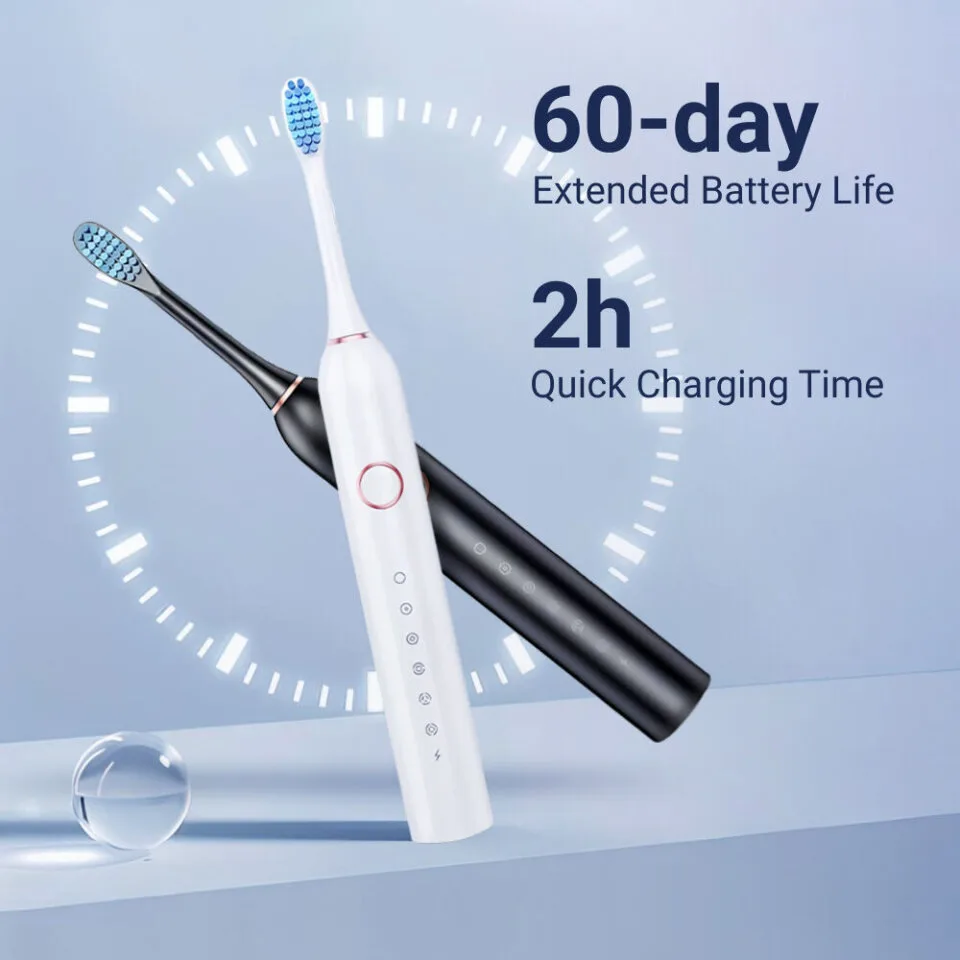
Our pick: the WellaWhite Sonic Electric Toothbrush
Sonic toothbrush with 6 modes including Sensitive and Whitening, a smart timer, 4 brush heads and up to 60 days of battery.
Check today's price →Up to 75% off on the official site
Why does oral care get harder with age?
- Arthritis and weak grip make it painful to hold and move a manual brush.
- Limited shoulder and wrist movement makes it hard to reach the back teeth.
- Receding gums expose root surfaces that need gentle cleaning.
- Dry mouth, often a side effect of medications, raises the risk of cavities.
- Dental work like crowns, bridges and implants needs careful cleaning around the edges.
- Memory changes can make a routine easy to skip.
The National Institute on Aging notes that older adults should brush twice a day with fluoride toothpaste, clean between teeth daily and see a dentist regularly, and that people with arthritis may find an electric toothbrush easier to use.
Why does an electric toothbrush help older adults?
With a manual brush, your hand does all the work: thousands of small back-and-forth strokes, at the right angle, with the right pressure. An electric brush does the motion for you. All your parent has to do is guide it slowly from tooth to tooth. That means less effort for stiff fingers and sore wrists, and a more even clean, especially along the gumline. A Cochrane review by Yaacob and colleagues found that powered toothbrushes reduced plaque and gingivitis more than manual brushes over the short and long term. See electric vs manual toothbrushes.
Which features matter most for seniors?
| Feature | Why it matters |
|---|---|
| Comfortable, non-slip handle | Easier to hold with arthritis or wet hands |
| Simple on/off button | No confusing menus |
| Sensitive mode | Gentler on receding gums and sensitive roots |
| Smart timer | Guides a full two minutes without counting |
| Long battery life | Less charging to remember |
| Soft bristles and spare heads | Gentle clean; easy to replace every 3 months |
| Lightweight | Less strain on the hand and wrist |
Why is the WellaWhite Sonic Toothbrush a good fit?
- Six modes, including Sensitive, for tender gums and sensitive teeth.
- A smart timer that guides a full two-minute brush and helps move evenly around the mouth.
- Four brush heads in the box, months of replacements.
- Up to 60 days of battery per charge, so a parent isn't tied to the charger.
- Sonic action: the head vibrates side to side at high speed to sweep plaque from teeth and along the gumline.
Read our full WellaWhite Sonic Toothbrush review.
An easier, gentler brush for Mom or Dad
WellaWhite Sonic Toothbrush: 6 modes including Sensitive, a smart timer, 4 brush heads and up to 60 days of battery. Often up to 75% off on the official site.
Check today's price →Up to 75% off on the official site
What helps if your parent has arthritis?
- Choose an electric brush so the hand only guides it.
- Build up the grip if the handle feels thin: a foam tube or a soft bike-handle grip slipped over the handle helps some people.
- Sit down to brush at the sink, with elbows resting on the counter.
- Use a pump toothpaste or a flip-top tube that's easy to squeeze.
- Keep the charger at counter height so nobody has to bend.
An occupational therapist can suggest other adaptive tools if many daily tasks are difficult.
What helps with tremor or shaky hands?
Hold the brush with both hands if needed, rest the elbow on the counter and let the brush do the work. A heavier handle can feel steadier for some people. Brushing in front of a mirror with good light helps a parent see where the brush is.
How should an older adult use an electric toothbrush?
- Put a pea-sized amount of fluoride toothpaste on the head.
- Place the brush in the mouth before switching it on, to avoid splatter.
- Choose Sensitive mode if gums are tender.
- Angle the bristles toward the gumline at about 45 degrees.
- Glide slowly from tooth to tooth, letting the brush rest on each tooth for a moment. Don't scrub.
- Follow the timer for the full two minutes.
- Spit, don't rinse hard, so some fluoride stays on the teeth.
See how to brush your teeth properly and brushing too hard.
Is an electric brush safe for receding gums?
Yes, when used gently. Many people actually press less with an electric brush because they're not scrubbing. Use soft bristles and the Sensitive mode, and let the brush glide. If gums bleed or feel sore for more than a week or two, see a dentist. The National Institute of Dental and Craniofacial Research explains the early signs of gum disease. See receding gums and can an electric toothbrush damage gums?
What about crowns, bridges and implants?
An electric brush cleans well around crowns and implants when guided slowly along the edges. Add a water flosser for under bridges and around implants, where a brush can't reach. See water flossers for implants and water flossers for bridges.
What if your parent has dentures?
Natural teeth still need brushing twice a day, and partial dentures should come out for brushing. Full dentures are cleaned with a denture brush and cleaner, not a regular toothbrush and toothpaste. Gums and tongue should still be brushed gently. Ask the dentist for the right denture routine.
How can caregivers help?
- Set a routine: same time every morning and evening.
- Lay everything out: brush charged, toothpaste open, a cup and a towel.
- Brush together so a parent can copy you.
- Help from behind or the side if a parent can't brush alone, with their head supported.
- Charge the brush on a set day each month.
- Replace the head every three months.
For parents with memory problems, keep instructions short and gentle, and praise the effort. A two-minute timer makes it clear when brushing is done.
How do you deal with dry mouth?
Dry mouth is common in older adults, often because of medications. It raises the risk of cavities because saliva normally protects teeth. Encourage sips of water through the day, sugar-free gum or lozenges, and fluoride toothpaste. Mention it to the doctor or dentist, who may suggest a saliva substitute or a medication review.
Is an electric toothbrush a good gift for a parent?
Yes. It's a practical, everyday gift that makes a daily task easier. Pair it with a water flosser for a complete oral care set. See oral care gifts and teeth whitening for older adults.
Is a sonic or oscillating brush better for seniors?
Both clean well. Sonic brushes, like the WellaWhite, vibrate the head side to side at high speed, which many people find gentle and quiet. Oscillating brushes have a small round head that rotates back and forth. For older adults, the bigger factors are comfort, a simple button, a gentle mode and long battery life. See sonic vs oscillating toothbrushes.
How do you make charging easy to remember?
- Keep the charger plugged in next to the sink, away from water.
- With up to 60 days per charge, link charging to something monthly, like paying a bill.
- Put a small sticky note on the mirror on charging day.
- If you visit often, check the brush each time you're there.
Should seniors add a water flosser?
Many do. Floss can be hard to use with stiff fingers, and a water flosser cleans between teeth and along the gumline with a stream of water instead. It's also helpful around bridges and implants. See water flosser vs floss.
When does a parent need more help brushing?
Watch for bad breath, bleeding gums, food left on the teeth or a brush that stays dry. These can be signs that brushing has become hard. Offer help gently and book a dental checkup.
The bottom line
The best electric toothbrush for seniors is easy to hold and switch on, gentle on gums, timed and long-lasting on a charge:
- it does the brushing motion, which helps with arthritis, weak grip and limited reach
- a Sensitive mode and soft bristles protect receding gums
- a smart timer guides a full two minutes
- long battery life means less charging to remember
The WellaWhite Sonic Toothbrush offers six modes including Sensitive, a smart timer, four brush heads and up to 60 days of battery per charge. It's often up to 75% off on the official site.
Our pick: the WellaWhite Sonic Electric Toothbrush
Sonic toothbrush with 6 modes including Sensitive and Whitening, a smart timer, 4 brush heads and up to 60 days of battery.
Check today's price →Up to 75% off on the official site
Frequently asked questions
Are electric toothbrushes good for seniors?
Yes. They do the brushing motion, which helps with arthritis, weak grip, tremor and limited reach.
What should seniors look for in an electric toothbrush?
A comfortable handle, a simple button, a Sensitive mode, a two-minute timer and long battery life.
Is an electric toothbrush safe for receding gums?
Yes, with soft bristles and a gentle mode. Let the brush glide instead of pressing.
Can someone with arthritis use an electric toothbrush?
Yes. The National Institute on Aging suggests an electric toothbrush for people who find it hard to hold and use a manual brush.
How often should the brush head be replaced?
About every three months, or sooner if the bristles fray.
How long does the WellaWhite Sonic battery last?
Up to 60 days per charge.

Michelle Hert
Michelle researches at-home oral care products, from whitening kits to water flossers, and reads the dental research and buyer feedback behind them so readers can make smarter choices. She is not a dentist, and her guides are not a substitute for professional dental care. Her guides are built on published research, manufacturer information and verified buyer feedback, and are updated when new information comes out. More about Michelle.