- Use the lowest pressure setting and lukewarm water.
- Aim a gentle stream near the tonsil crypt (the small pocket), not hard into it.
- Keep sessions short, a few seconds at a time, and stop if it hurts or bleeds.
General information about consumer products, not dental or medical advice. If you have throat pain, trouble swallowing, a fever, bleeding or one tonsil that looks much bigger than the other, see a doctor.
Tonsil stones are small, whitish or yellowish lumps that form in the pockets of your tonsils. They're usually harmless, but they can cause bad breath, a feeling that something is stuck in your throat and an unpleasant taste. Many people discover them by accident in the mirror and then search for a way to get them out without poking at the back of their throat. A water flosser is one of the most popular tools for this. This guide explains how tonsil stones form, how to use a water flosser safely, what to avoid and how to keep them from coming back.
This guide covers:
- what tonsil stones are and why they form
- how to use a water flosser on tonsil stones safely
- other gentle ways to remove them
- how a daily flossing routine helps prevent them
- when to see a doctor
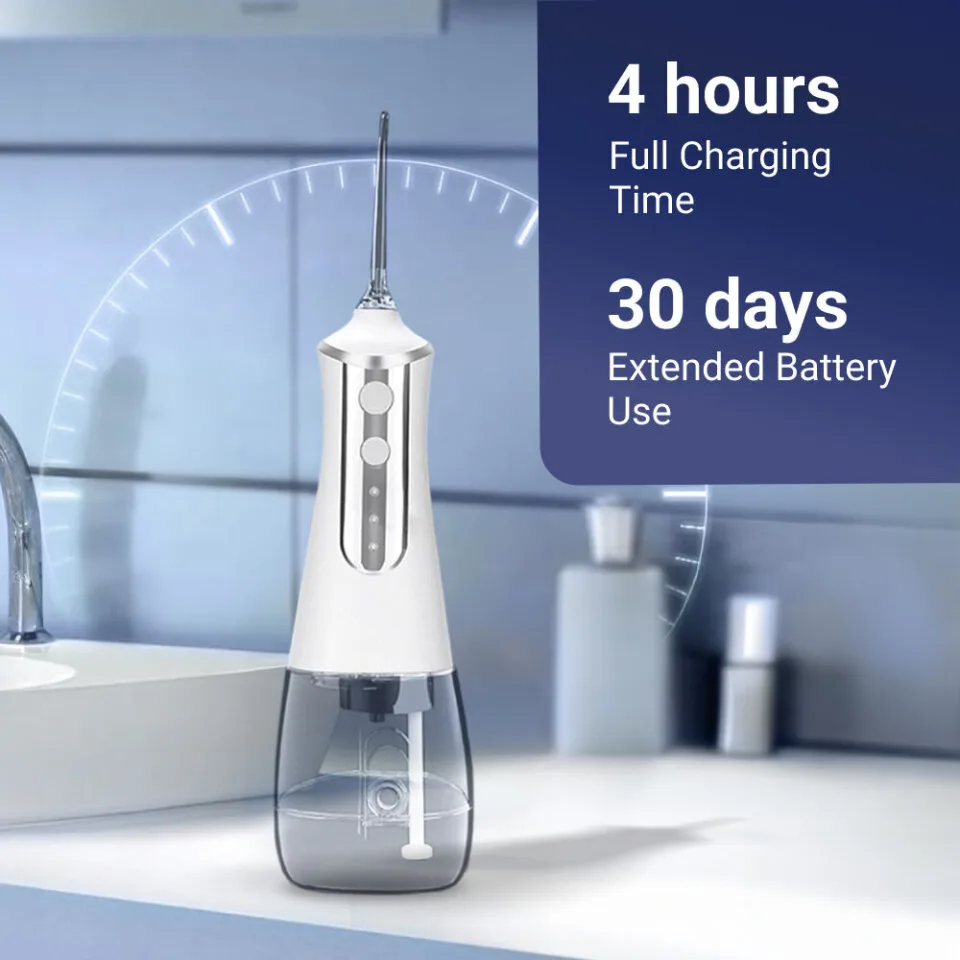
Our pick: the WellaWhite Water Flosser
Cordless, rechargeable water flosser with 3 cleaning modes and interchangeable nozzles. Braces-friendly.
Check today's price →Up to 75% off on the official site
What are tonsil stones?
Your tonsils have small pits and folds called crypts. Food particles, dead cells, mucus and bacteria can collect in these crypts and harden into small lumps, known as tonsil stones or tonsilloliths. They're often the size of a grain of rice, though some are larger. The Cleveland Clinic explains that they're common and usually not dangerous.
Common signs include:
- bad breath that doesn't go away with brushing
- white or yellow specks on the tonsils
- a feeling of something stuck in the back of the throat
- a sore throat or ear discomfort in some cases
- a bad taste in the mouth
Why do tonsil stones form?
- Deep tonsil crypts, which some people naturally have.
- Food and bacteria that reach the back of the mouth.
- Post-nasal drip from allergies or colds.
- Dry mouth, from not drinking enough water, mouth breathing or some medications.
- Gaps in oral hygiene, especially between teeth and on the tongue.
You can't change the shape of your tonsils, but you can reduce the food and bacteria that feed stone formation. That's where daily cleaning comes in. See bad breath causes.
How do you use a water flosser on tonsil stones?
If you decide to try it, go slowly and gently:
- Fill the tank with lukewarm water. Cold water can make you gag.
- Choose the lowest pressure setting. On the WellaWhite Water Flosser, use the gentlest of its three modes.
- Stand in front of a mirror with good light, or use your phone's flashlight.
- Lean over the sink, open wide and say "ahh" to lift the soft palate.
- Aim the stream near the stone, at the edge of the crypt, not straight and hard into it.
- Use short bursts of a few seconds, then let the water drain out of your mouth.
- Gargle with water afterward.
- Stop if you feel pain, see bleeding or keep gagging.
Never turn up the pressure to "blast" a stone out. The tonsils are soft tissue, and too much force can irritate them or push debris deeper.
Is it safe to use a water flosser on tonsils?
Water flossers are designed for teeth and gums, so using one near the tonsils is an off-label, home approach. Many people find it gentler than poking with a cotton swab or a fingernail, as long as they use the lowest setting and lukewarm water. Avoid it if:
- your tonsils are swollen, red or painful
- you have a sore throat, fever or infection
- you've recently had throat surgery
- you have a strong gag reflex that makes it hard to control
When in doubt, ask your dentist or doctor.
What other gentle ways remove tonsil stones?
| Method | How | Notes |
|---|---|---|
| Saltwater gargle | Half a teaspoon of salt in a cup of warm water, gargle for 10–15 seconds | Soothing; can loosen small stones |
| Coughing | A firm cough can dislodge small stones | Simple and safe |
| Water flosser on low | Gentle stream near the crypt | Short bursts only |
| Cotton swab | Press gently beside the stone | Easy to gag; avoid scraping |
| Doctor removal | An ENT doctor can remove large or stubborn stones | Best for painful or recurring stones |
Avoid sharp tools, tweezers or fingernails, which can scratch the tonsils and cause bleeding or infection.
How does a water flosser help prevent tonsil stones?
This is where a water flosser shines. Daily water flossing flushes food and plaque from between your teeth and along the gumline, the places a toothbrush misses. Less food and bacteria in your mouth means less material to collect in the back of the throat. The American Dental Association's MouthHealthy notes that water flossers help remove food particles and are a good choice for people who find string floss hard to use.
A simple prevention routine:
- Brush twice a day for two minutes.
- Water floss once a day.
- Clean your tongue with a scraper or your toothbrush.
- Gargle with water or saltwater after meals.
- Drink plenty of water to keep your mouth moist.
See water flossers for bad breath and how to clean your tongue.
Why do we like the WellaWhite Water Flosser?
- Three modes, so you can start on the gentlest and work up for teeth and gums.
- Interchangeable nozzles for different needs or family members.
- Cordless and rechargeable, with no cord at the sink.
- Compact and easy to take on trips.
- Braces-friendly, useful around brackets, bridges and implants.
It's often sold with discounts of up to 75% on the official site. Read our full WellaWhite Water Flosser review.
A gentle daily clean for teeth and gums
WellaWhite Water Flosser: cordless and rechargeable, 3 modes, interchangeable nozzles, compact for travel. Often up to 75% off on the official site.
Check today's price →Up to 75% off on the official site
What pressure setting should you use?
For tonsils, always use the lowest setting. For teeth and gums, start low and increase gradually until it feels comfortable. People with sensitive gums often stay on a medium setting. Our guide to water flosser pressure settings explains how to choose.
Will removing tonsil stones fix bad breath?
Often it helps a lot, because tonsil stones contain bacteria that release sulfur compounds with a strong smell. But bad breath can have other causes too, like a coated tongue, gum disease, dry mouth or food stuck between teeth. A full routine that includes water flossing and tongue cleaning tackles most of them at once. See bad breath causes.
How do you keep your flosser clean?
If you use the flosser near your tonsils, empty the tank afterward, rinse the nozzle and let everything dry. Replace nozzles as recommended. See how to clean a water flosser.
When should you see a doctor?
See a doctor or an ear, nose and throat (ENT) specialist if:
- stones are large, painful or keep coming back
- you have ongoing throat pain or trouble swallowing
- one tonsil is much larger than the other
- you see blood, or have a fever or swollen glands
- bad breath continues despite good oral hygiene
For frequent, troublesome stones, a doctor may discuss treatment options with you.
Which daily habits help most?
- Stay hydrated, especially in dry winter air.
- Rinse your mouth with water after meals and snacks.
- Treat allergies and post-nasal drip.
- Limit very sugary snacks between meals.
- Replace your toothbrush every 3 to 4 months. See how often to replace a toothbrush.
How do you avoid gagging?
The back of the throat is sensitive, so gagging is common the first few times. Breathe slowly through your nose, keep the flosser tip in the front half of your mouth and angle the stream toward the back, rather than pushing the tip deep inside. Short sessions after a meal can be harder; many people find it easier in the morning or a couple of hours after eating.
Can children use a water flosser for tonsil stones?
Don't use a water flosser near a child's tonsils. If your child has tonsil stones, bad breath or frequent sore throats, talk to their pediatrician or dentist. For daily cleaning between teeth, see water flossers for kids.
What should you do after flossing?
Gargle with water, empty the tank, rinse the tip and let everything dry. Keep notes on how often stones appear, which helps if you see a doctor.
The bottom line
- A water flosser on its lowest setting, with lukewarm water and short bursts, is a gentle way many people use to loosen tonsil stones.
- Its biggest benefit is prevention: daily flossing removes the food and bacteria that feed tonsil stones.
- Pair it with tongue cleaning, gargling and good hydration.
- See a doctor if stones are painful, large or keep coming back.
The WellaWhite Water Flosser is cordless, has three modes and interchangeable nozzles, and is often up to 75% off on the official site.
Our pick: the WellaWhite Water Flosser
Cordless, rechargeable water flosser with 3 cleaning modes and interchangeable nozzles. Braces-friendly.
Check today's price →Up to 75% off on the official site
Frequently asked questions
Can a water flosser remove tonsil stones?
Many people use one on the lowest setting with lukewarm water and short bursts. Stop if it hurts or bleeds.
What setting should I use for tonsil stones?
Always the lowest pressure setting.
Is it safe to use a water flosser on tonsils?
It's an off-label home approach. Avoid it if your tonsils are swollen, painful or infected, and ask a doctor if unsure.
How do I prevent tonsil stones?
Brush twice a day, water floss daily, clean your tongue, gargle and drink plenty of water.
Do tonsil stones cause bad breath?
Yes, they often contain bacteria that release strong-smelling sulfur compounds.
When should I see a doctor about tonsil stones?
If they're large, painful or recurring, or if you have trouble swallowing, fever or one enlarged tonsil.

Michelle Hert
Michelle researches at-home oral care products, from whitening kits to water flossers, and reads the dental research and buyer feedback behind them so readers can make smarter choices. She is not a dentist, and her guides are not a substitute for professional dental care. Her guides are built on published research, manufacturer information and verified buyer feedback, and are updated when new information comes out. More about Michelle.