
- Aim the tip at the gumline at about 90 degrees and trace slowly around each crowned tooth.
- Start on a low pressure setting, especially in the first weeks after a new crown.
- Keep brushing twice a day and use floss or interdental brushes as your dentist advises.
- It won't loosen a well-fitted crown; if a crown feels loose, see your dentist.
General information about consumer products, not dental advice. Follow your dentist's aftercare instructions for new crowns.
A crown protects a damaged tooth for many years, but only if the tooth underneath stays healthy. The weak spot of any crown is its edge, the margin where the crown meets your natural tooth near the gumline. Plaque that builds up there can irritate the gums and lead to decay under the crown, which is one of the most common reasons crowns need to be replaced. That's why cleaning around crowns matters so much, and why many dentists suggest adding a water flosser to your routine. This guide explains why water flossing helps with crowns, how to do it safely, which settings to use and how it compares with regular floss.
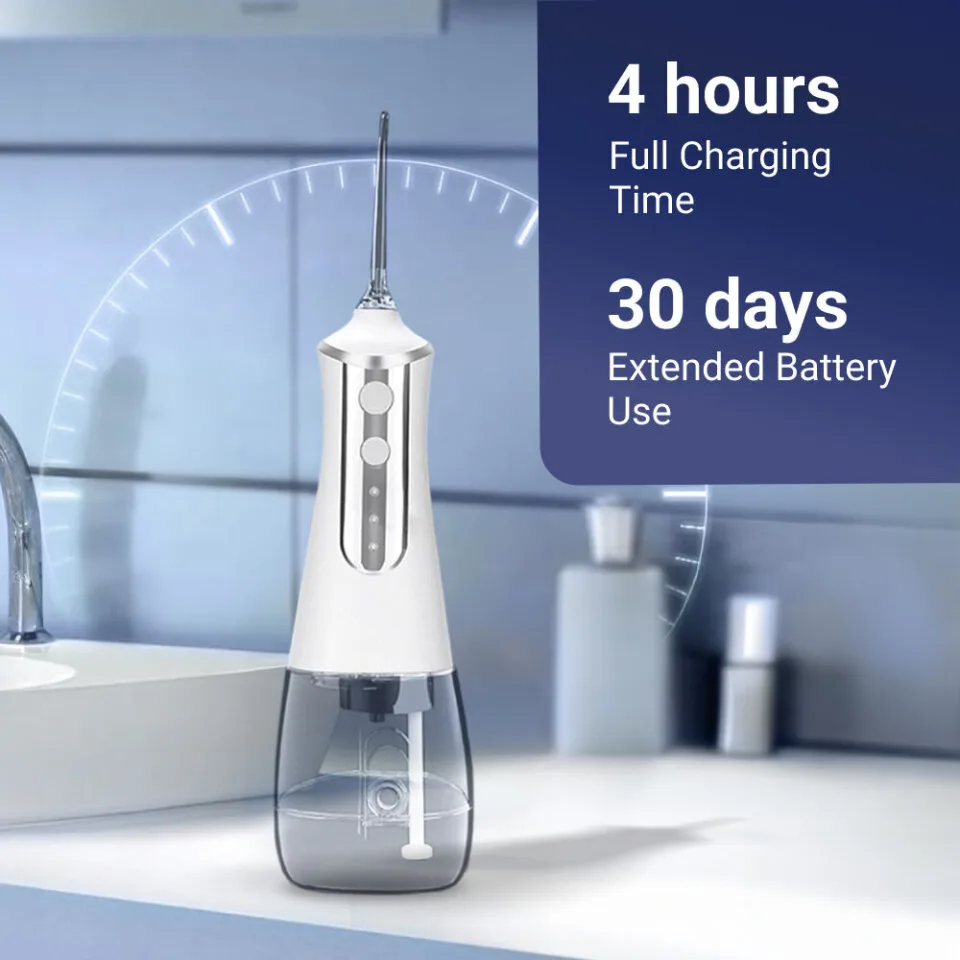
Our pick: the WellaWhite Water Flosser
Cordless, rechargeable water flosser with 3 cleaning modes and interchangeable nozzles. Braces-friendly.
Check today's price →Up to 75% off on the official site
Why is cleaning around a crown so important?
The crown itself can't decay, but the natural tooth it covers can. The most vulnerable area is the margin, where the crown meets the tooth. Food particles and plaque settle in that tiny step, and if they're not removed, bacteria can cause gum inflammation and decay that's hard to see until it's advanced.
Gum health matters too. Inflamed gums can pull back over time and expose the margin, making the crown look less natural. The National Institute of Dental and Craniofacial Research explains that plaque buildup along the gumline is what drives gum disease. Cleaning that line well every day is the simplest way to protect both the crown and your gums.
How does a water flosser help with crowns?
- It reaches the margin along the gumline, where string floss can catch or slip.
- It flushes out food trapped between a crown and the neighboring tooth.
- It's gentle on sore gums around a new crown when used on a low setting.
- It's easier for many people than threading floss, especially around back teeth.
- It works around bridges and implants too, if you have other dental work.
The ADA's MouthHealthy site notes that water flossers can help remove plaque between teeth and are a good option for people who have trouble with traditional floss, including those with dental work.
Can a water flosser loosen or damage a crown?
A properly cemented crown is bonded firmly to the tooth, and a water flosser on a normal setting won't pull it off. The stream is designed to be safe for gums, teeth and dental work. If a crown comes loose while you're flossing, it usually means the cement had already failed or there's decay underneath, and the flosser simply revealed the problem. In that case, keep the crown, avoid chewing on that side and call your dentist.
Temporary crowns are different: they're held with weaker cement. Ask your dentist whether to use a water flosser on a temporary crown, and if so, use the lowest setting and keep the tip moving.
How do you use a water flosser around crowns?
- Fill the reservoir with lukewarm water.
- Choose a low setting to start, especially with a new crown.
- Lean over the sink and put the tip in your mouth before turning it on.
- Aim at the gumline at about a 90-degree angle.
- Trace slowly along the gumline, pausing briefly between teeth.
- Spend extra time on the crowned tooth, going around the front, back and both sides of the margin.
- Finish the whole mouth so every tooth gets cleaned, then empty and rinse the reservoir.
New to water flossing? Our step-by-step guide to how to use a water flosser covers the basics.
What pressure setting should you use?
Start low and increase gradually over a few weeks as your gums get used to it. Many people settle on a medium setting for daily use. Around a brand-new crown, or if your gums are tender, stay on low for the first week or two. We explain the settings in water flosser pressure settings, and if your gums bleed or feel sore, see water flosser for sensitive gums.
Which water flosser do we recommend for crowns?
The WellaWhite Water Flosser is a cordless, rechargeable flosser with adjustable pressure modes and interchangeable tips. Being cordless makes it easy to angle around back teeth, and the gentle modes are comfortable around new dental work. It's often available at up to 75% off on the official site. Read our WellaWhite Water Flosser review.
A gentle way to keep crown edges clean
WellaWhite Water Flosser: cordless, rechargeable, with adjustable pressure for sensitive gums and dental work. Up to 75% off on the official site.
Check today's price →Up to 75% off on the official site
Is a water flosser better than string floss for crowns?
| Water flosser | String floss | |
|---|---|---|
| Cleans the crown margin | Yes, along the gumline | Yes, if guided carefully |
| Risk of catching on the crown edge | None | Can snag or shred |
| Ease of use | Easy, even around back teeth | Harder for some people |
| Comfort on tender gums | Gentle on low settings | Can feel harsh |
| Removes sticky plaque on contact | Good | Very good scraping action |
Many dentists recommend using both: floss or interdental brushes to scrape the sides of the teeth, and a water flosser to flush the gumline and margins. If you'll only stick with one, the one you use every day is the right one. See is water flossing enough?
What if floss keeps catching on my crown?
Floss that catches or shreds on a crown can mean a rough margin or a gap where food packs in. Slide floss out sideways instead of pulling it up, and mention it at your next dental visit. In the meantime, a water flosser is a comfortable way to clean that spot without snagging.
How should you care for a brand-new crown?
- Wait until the numbness wears off before eating.
- Avoid very sticky or hard foods for the first day if your dentist advises it.
- Brush gently twice a day with a soft brush.
- Water floss on a low setting, focusing on the gumline.
- Call your dentist if your bite feels "high", the tooth hurts when you chew, or sensitivity lasts more than a couple of weeks.
What about bridges and implants?
Water flossers are especially helpful under bridges, where string floss needs a threader, and around implants, where keeping the gumline clean protects the bone around the implant. If you have several types of dental work, see water flosser for bridges.
Will whitening change the color of my crown?
No. Whitening products lighten natural enamel, not porcelain or ceramic crowns. If you plan to whiten, talk to your dentist first so your natural teeth and crown stay a good match. Read does whitening work on crowns?
What does a good daily routine with crowns look like?
- Brush twice a day for two minutes with fluoride toothpaste.
- Water floss once a day, focusing on the gumline and crown margins.
- Use floss or interdental brushes as your dentist recommends.
- Limit sugary snacks and drinks between meals.
- See your dentist for regular checkups and cleanings.
Keep the flosser itself clean too; see how to clean a water flosser.
What are signs of trouble around a crown?
Daily cleaning also gives you a chance to notice early warning signs. Call your dentist if you see or feel any of these:
- Gums around the crown that are red, swollen or bleed every time you clean them
- A bad taste or smell coming from around the crown
- Pain when biting, or sensitivity to hot and cold that keeps getting worse
- A dark line at the gumline that wasn't there before
- A crown that feels loose, high or different when you bite
Catching these early often means a simpler repair. A water flosser won't fix a problem under a crown, but it helps prevent many of them and makes you more aware of how your gums look and feel day to day.
Can you use a water flosser while traveling?
Yes, and a cordless model makes it easy. Charge it before you leave, pack it with the reservoir empty and dry, and use lukewarm bottled or filtered water if the local tap water isn't recommended for drinking. Keeping your routine on the road protects your crowns just as much as at home.
Which flosser tip is best for crowns?
The standard jet tip works well for most crowns. Some flossers include an orthodontic or plaque-seeker tip with soft bristles, which can help clean around bridges and implants. Replace tips every few months, or sooner if they look worn or bent.
The bottom line
A water flosser is one of the best ways to protect a crown, because it cleans the margin along the gumline where trouble usually starts. Aim the tip at the gumline, start on a low setting, spend extra time on the crowned tooth and keep brushing twice a day. A well-fitted crown won't come loose from water flossing, and if one ever does, call your dentist. A cordless model like the WellaWhite Water Flosser makes this easy to do every day.
Our pick: the WellaWhite Water Flosser
Cordless, rechargeable water flosser with 3 cleaning modes and interchangeable nozzles. Braces-friendly.
Check today's price →Up to 75% off on the official site
Frequently asked questions
Is a water flosser good for crowns?
Yes. It cleans the gumline and crown margin, where plaque collects and decay under a crown can start.
Can a water flosser pull off a crown?
A properly cemented crown won't come off from water flossing. If one loosens, see your dentist.
Can I use a water flosser on a temporary crown?
Ask your dentist first; if they agree, use the lowest setting.
What pressure should I use around crowns?
Start low, especially around a new crown, and increase gradually over a few weeks.
Should I still use floss with crowns?
Many dentists recommend floss or interdental brushes plus a water flosser for the gumline.
Why does floss catch on my crown?
It may be a rough margin or gap. Slide floss out sideways and mention it to your dentist.

Michelle Hert
Michelle researches at-home oral care products, from whitening kits to water flossers, and reads the dental research and buyer feedback behind them so readers can make smarter choices. She is not a dentist, and her guides are not a substitute for professional dental care. Her guides are built on published research, manufacturer information and verified buyer feedback, and are updated when new information comes out. More about Michelle.