- Once a day, at night, before or after brushing, to clear the day's plaque and food.
- After meals as well, if you have braces, implants or bridges, or food gets stuck often.
- About 1 to 2 minutes per session, tracing along the gum line of every tooth.
General information about consumer products, not dental advice. If your gums bleed, swell or hurt with water flossing, lower the setting and talk to a dentist.
You've bought a water flosser, and now you're wondering: how often should I actually use it? Once a day? After every meal? Is it possible to overdo it? And does it replace regular floss or brushing?
The good news is that the answer is simple for most people, and adjusting it to your situation is easy. This guide explains how often to use a water flosser, the best time of day, how long each session should take, special cases like braces and implants, and how to build the habit so it sticks.
Is once a day enough?
For most people, yes. The American Dental Association recommends cleaning between your teeth once a day with floss or another interdental cleaner, such as a water flosser, along with brushing twice a day. Plaque takes about a day to form and start causing irritation, so a thorough daily clean removes it before it can harden into tartar.
When is the best time to use a water flosser?
Many dentists suggest using it at night, because:
- It clears food and plaque from the whole day.
- Saliva flow drops while you sleep, so bacteria have more time to act on anything left behind.
- Evenings are often less rushed than mornings.
Before or after brushing? Either works. Some people prefer flossing first so loosened debris gets brushed away and fluoride toothpaste reaches between teeth. Others brush first. The most important thing is doing it consistently.
How long should each session be?
About one to two minutes. A good routine:
- Fill the tank with lukewarm water.
- Start on a low setting.
- Lean over the sink and close your lips partly around the tip.
- Aim the tip at the gum line at about 90 degrees.
- Trace along the outside of the teeth, pausing briefly between each one.
- Do the inside surfaces the same way.
- Empty the tank afterward.
See how to use a water flosser for step-by-step tips.
How often should you water floss in different situations?
| Situation | Suggested frequency |
|---|---|
| Most adults | Once a day, usually at night |
| Braces | After meals when possible, at least once a day |
| Implants, bridges, crowns | At least once a day, as your dentist advises |
| Bleeding or inflamed gums | Once a day on a low setting; see a dentist if it persists |
| Food often gets stuck | Daily, plus after meals that tend to get stuck |
| Sensitive gums | Once a day on the lowest comfortable setting |
Can you use a water flosser too much?
Using a water flosser twice a day or after meals is generally fine if your gums feel comfortable. Problems are more about pressure than frequency: a setting that's too high, or aiming straight into the gum, can irritate tender tissue. If your gums feel sore after water flossing, lower the setting, angle the tip along the gum line and check with your dentist if it continues.
Does a water flosser replace regular floss?
For many people it can be their daily interdental cleaner. The ADA's MouthHealthy notes that water flossers can remove food particles and plaque and are a good option for people who have trouble flossing. Some dentists recommend using both, especially for very tight contacts where string floss scrapes plaque off the tooth surface more directly. The best choice is the one you'll do every day. See water flosser vs floss.
Does a water flosser replace brushing?
No. A water flosser cleans between teeth and along the gum line, but it doesn't scrub the surfaces of the teeth the way a toothbrush does. Keep brushing twice a day for two minutes with fluoride toothpaste. See how to brush your teeth properly.
Which water flosser makes a daily habit easy?
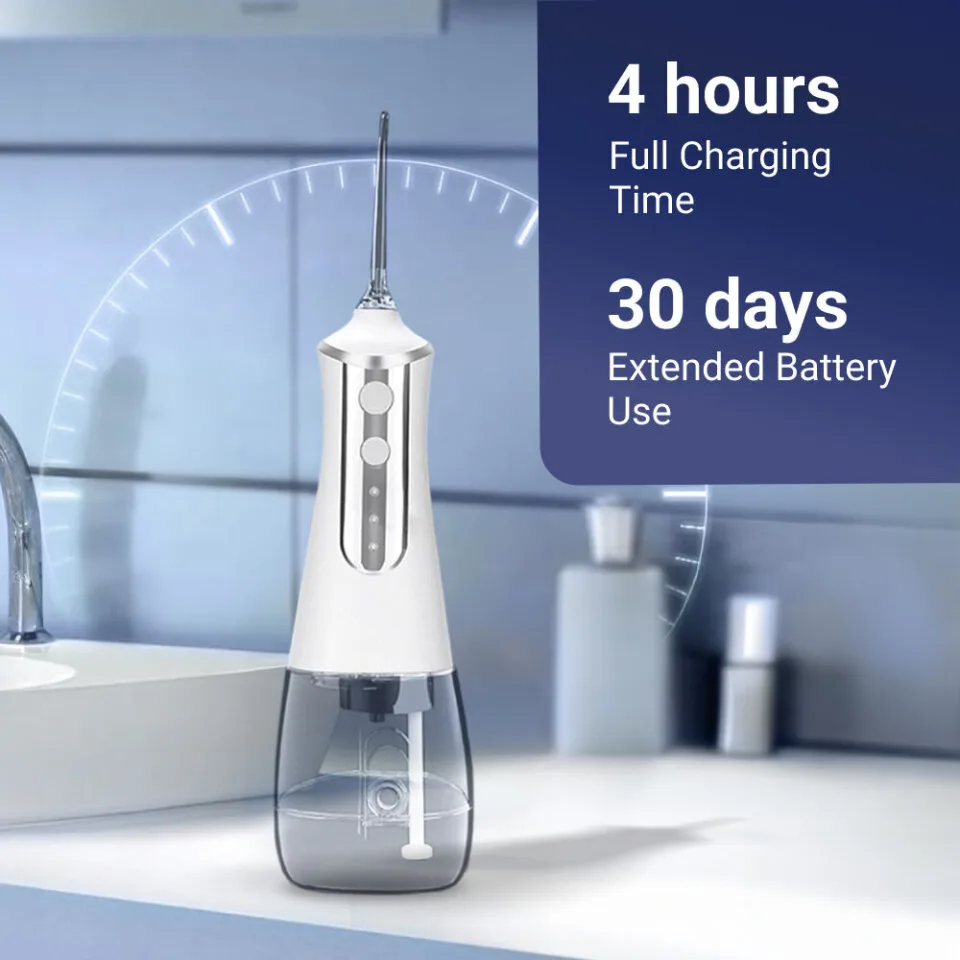
The easier a flosser is to use, the more likely you'll use it every day. The WellaWhite Water Flosser is cordless and rechargeable, so there's no cable to plug in at the sink, and compact enough to travel, so your routine doesn't break on trips. It has three cleaning modes to start gently and adjust as your gums get used to it, and interchangeable nozzles. It's braces-friendly as well. It's sold at up to 75% off on the official site. Read our WellaWhite Water Flosser review.
A cordless flosser for an easy daily habit
WellaWhite cordless water flosser: three modes, interchangeable nozzles, rechargeable and braces-friendly. Up to 75% off on the official site.
Check today's price →Up to 75% off on the official site
How often should you water floss with braces?
With braces, food and plaque collect around brackets and under wires all day. Many orthodontists suggest water flossing after meals when you can, and at least once a day before bed. A water flosser is often much faster and easier than threading string floss under the wire. See water flossers for braces.
What about implants and bridges?
Implants, bridges and crowns have extra edges where plaque collects. Daily water flossing around them helps keep the gums healthy. Follow your dentist's advice on settings and any extra tools. See water flossers for implants.
Is it normal for gums to bleed when you start?
When you first start cleaning between teeth regularly, some bleeding is common, especially if your gums were inflamed. It usually decreases within one to two weeks of daily use as the gums get healthier. If bleeding continues beyond that, or your gums are swollen or painful, see a dentist. The NIDCR explains the early signs of gum disease. See how to stop bleeding gums.
How do you make water flossing a daily habit?
- Keep it visible next to your toothbrush.
- Pair it with brushing at night, every night.
- Keep it charged; a cordless flosser on the counter is ready to go.
- Start gentle so it's comfortable from the first day.
- Set a reminder for the first two weeks.
- Notice the results: fresher breath and less bleeding are motivating.
How often should you clean the water flosser?
Empty the tank after each use and let it air-dry. Once a week, rinse the tank and tip with warm water. Every couple of weeks, follow the manual's instructions for a deeper clean, often a soak with a little white vinegar and water, followed by rinsing. Replace tips as the manufacturer recommends, typically every few months, or sooner if they become worn or discolored. Never share tips between family members.
Can you add mouthwash to a water flosser?
Some people like the fresh taste of a little mouthwash in the tank, but check the manual first: some flossers say to use only water, and certain ingredients can damage seals or leave residue. If the manual allows it, use a small amount diluted with water and rinse the tank afterward. Plain lukewarm water is all you need for effective cleaning.
Is morning water flossing better for some people?
For some, yes. If you're simply too tired at night, a morning session is far better than none. People who wake up with bad breath may also like a quick morning rinse with the flosser. Some combine both: a full session at night and a short one in the morning or after lunch. The key is to choose a time you can repeat every day. Linking it to an existing habit, like right after you brush in the evening or right after your morning coffee, makes it automatic within a couple of weeks.
How soon will you notice results?
Many people notice a cleaner feeling and fresher breath after the first few days. Gum bleeding usually starts to decrease within one to two weeks of daily use, and gums look firmer and pinker within a few weeks. At your next checkup, your hygienist may find less plaque and tartar between your teeth. Consistency matters more than intensity: a gentle daily session beats a powerful one twice a week.
Can the whole family share one water flosser?
Yes, as long as everyone has their own tip. Many flossers come with color-coded or interchangeable nozzles for exactly this reason. Rinse the tank between users if you like, and store the tips so they don't touch each other. For children, start on the lowest setting and supervise until they get the hang of aiming along the gum line without splashing.
The bottom line
For most people, using a water flosser once a day, usually at night, for one to two minutes is enough. People with braces, implants or bridges, or those who often get food stuck, may benefit from using it after meals too. Start on a low setting, keep brushing twice a day and see a dentist if bleeding continues beyond a couple of weeks.
For a cordless flosser that makes the daily habit easy, our pick is the WellaWhite Water Flosser. Check today's WellaWhite Water Flosser price.
Sources
- American Dental Association. Floss.
- ADA MouthHealthy. Water Flossers.
- National Institute of Dental and Craniofacial Research. Gum Disease.
- Official WellaWhite product page, checked October 2026.
Frequently asked questions
How often should you use a water flosser?
For most people once a day is enough, usually at night. People with braces, implants or bridges may benefit from using it after meals too.
Should I water floss before or after brushing?
Either works. Many people floss first so loosened debris is brushed away and fluoride reaches between teeth. Consistency matters most.
How long should you use a water flosser?
About one to two minutes, tracing along the gum line of every tooth inside and out.
Can you use a water flosser too much?
Using it twice a day or after meals is generally fine if gums feel comfortable. Problems usually come from too much pressure, not frequency.
Does a water flosser replace brushing?
No. It cleans between teeth and along the gum line; keep brushing twice a day for two minutes.
Is it normal for gums to bleed when starting a water flosser?
Some bleeding is common at first and usually decreases within one to two weeks of daily use. See a dentist if it continues.

Michelle Hert
Michelle researches at-home oral care products, from whitening kits to water flossers, and reads the dental research and buyer feedback behind them so readers can make smarter choices. She is not a dentist, and her guides are not a substitute for professional dental care. Her guides are built on published research, manufacturer information and verified buyer feedback, and are updated when new information comes out. More about Michelle.