
- Tooth sensitivity: temporary zings or aches, usually fading within a day or two after stopping.
- Gum irritation: redness or white spots on gums where gel touched them, usually temporary.
- Uneven color if trays don't fit or teeth have restorations.
- Temporary white spots on teeth that usually fade as teeth rehydrate.
General information about consumer products, not dental advice. If you have sensitive teeth, gum disease, cavities or dental work on your front teeth, talk to a dentist before whitening.
Teeth whitening is one of the most popular cosmetic treatments, and for most people it's comfortable and safe when products are used as directed. Still, some side effects are common, especially with peroxide-based products. Knowing what's normal, how to prevent problems and when to stop helps you whiten with confidence. This guide covers the main side effects, why they happen, how to reduce them and when to see a dentist.
Is teeth whitening safe?
The American Dental Association notes that peroxide whitening products used as directed are generally safe, with tooth sensitivity and gum irritation as the most common side effects. A dental checkup first helps catch cavities or gum problems that could make whitening uncomfortable. See are LED whitening kits safe?
Why does whitening cause sensitivity?
Peroxide passes through enamel into the dentin, where it can temporarily irritate the tooth's nerve. This causes short zings, especially with cold drinks or air. Research in JADA has examined sensitivity with whitening. It's usually temporary and goes away within a day or two of finishing. See teeth sensitivity after whitening.
What are the common side effects and fixes?
| Side effect | Why | What helps |
|---|---|---|
| Tooth sensitivity | Peroxide reaches the dentin | Shorter sessions, sensitivity toothpaste, breaks |
| Gum irritation | Gel touches gums | Better tray fit, less gel, wipe excess |
| White spots on teeth | Temporary dehydration or uneven areas | Usually fade within hours or days |
| Uneven color | Poor fit, restorations, tooth differences | Careful tray shaping; talk to dentist about dental work |
| Throat irritation | Swallowed gel | Use less gel; don't eat or drink during sessions |
How do you prevent gum irritation?
- Shape moldable trays carefully so they fit snugly.
- Use a thin line of gel, not a full tray.
- Wipe away any gel that squeezes onto gums.
- Don't exceed session times.
Mild redness or white patches on gums usually fade within a day.
Why do white spots appear after whitening?
Teeth can temporarily dehydrate during whitening, making existing spots more visible. They usually blend in as teeth rehydrate over hours or days. See white spots after teeth whitening.
Does whitening damage enamel?
Used as directed, peroxide whitening is not generally considered to damage enamel. Overusing products, very high concentrations without supervision or abrasive "whitening" hacks are more concerning. See does teeth whitening damage enamel?
How do you reduce side effects?
- Get a dental checkup first.
- Use a sensitivity toothpaste for two weeks before and during whitening.
- Start with shorter sessions.
- Whiten every other day if you're sensitive.
- Avoid very hot or cold food and drinks right after sessions.
- Stop if pain is sharp or lasts.
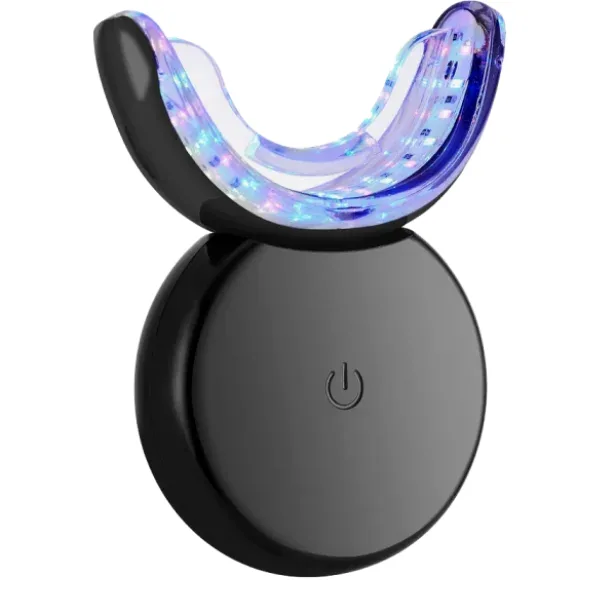
Control the pace of your whitening
WellaWhite At-Home LED System: whitening gel, LED light, moldable trays and a shade guide. 15 to 30 minutes per session. From $59 per kit in bundles, PayPal accepted.
Check today's price →From $59 per kit · PayPal accepted
How does an at-home LED kit help?
With an at-home kit, you control session length and frequency, so you can slow down if your teeth feel sensitive. The WellaWhite At-Home LED System includes whitening gel, an LED light, moldable trays and a shade guide, with sessions of 15 to 30 minutes. Read our WellaWhite LED review and how to use an LED kit.
Who should avoid or delay whitening?
- People with untreated cavities or gum disease.
- Those who are pregnant or breastfeeding (many dentists advise waiting).
- Children and younger teens, unless a dentist advises otherwise.
- People with very sensitive teeth, until a dentist checks them.
Is there a gentler option?
Peroxide-free purple color-correcting foam gives an instant, temporary brightness boost without peroxide sensitivity. See WellaWhite Purple Foam review and whitening foam vs strips.
When should you see a dentist?
- Sensitivity lasts more than a few days.
- Sharp pain in one tooth.
- Gum irritation that doesn't heal.
- Uneven results you're worried about.
How long do side effects last?
Sensitivity usually fades within 24 to 48 hours after a session or at the end of a course. Gum irritation from gel contact usually clears within a day. Temporary white spots typically fade within hours to a few days. If anything lasts longer, pause whitening and check with your dentist.
What should you eat after whitening?
For a day or two, choose lukewarm, lighter-colored foods and drinks, both to protect results and to avoid triggering sensitivity. See what to eat after teeth whitening.
What happens if you whiten too often?
Overusing whitening products can increase sensitivity and gum irritation and may make teeth look chalky or translucent at the edges. Follow the product's schedule and take breaks between courses. See how often can you whiten teeth?
Are DIY whitening hacks safe?
Some popular hacks, like scrubbing with lemon juice, vinegar or harsh abrasives, can erode enamel. Others, like charcoal, haven't been shown to be safe or effective. Stick with products designed for whitening and follow instructions. See how to whiten teeth naturally.
Does the LED light cause side effects?
The low-power LED light in home kits is generally considered safe when used as directed. Side effects come mainly from the peroxide gel. Don't look directly into the light and follow session times.
What helps if your teeth feel sensitive?
- Pause whitening for a day or two.
- Use a sensitivity toothpaste and rub a little on sensitive teeth.
- Avoid very hot, cold or acidic foods.
- Resume with shorter sessions.
Is whitening OK during pregnancy?
Many dentists recommend postponing cosmetic whitening during pregnancy and breastfeeding, mainly because there's limited research on safety in these situations. A peroxide-free purple foam is a gentle alternative for a temporary boost. Ask your dentist or doctor.
What if results look uneven?
Crowns, fillings and veneers don't whiten, so they may look darker next to whitened teeth. Natural differences between teeth can also show. Stop at a shade that blends and talk to your dentist about options. See teeth whitening with fillings.
What does the research say about long-term safety?
Peroxide whitening has been studied for decades and is widely used. When products are used as directed, serious problems are uncommon. Following instructions, taking breaks and getting dental checkups are the best ways to whiten safely.
Can whitening cause pain in a tooth with a crown?
The crown itself won't react, but gel can reach the edge of the natural tooth or exposed roots near it. If you feel pain near a crown, stop and have your dentist check the crown's edges.
Is whitening safe for teens?
Many dentists suggest waiting until the late teens and checking first. Gentler, peroxide-free products are a better choice for younger users.
What's a safe whitening checklist?
- Dental checkup first.
- Sensitivity toothpaste two weeks before.
- Trays shaped carefully; thin line of gel.
- Follow session times; take breaks.
- Stop and see a dentist if pain persists.
Why did my gums turn white?
Peroxide gel touching the gums can cause temporary white patches, sometimes with a mild sting. It usually fades within hours. Rinse with water, avoid the area with gel next time and check tray fit. If irritation lasts more than a day or two, see your dentist.
What should a normal session feel like?
A mild tingle is common; sharp pain isn't. If a session hurts, remove the trays, rinse and take a break. Try a shorter session next time.
What's the takeaway?
Most whitening side effects are mild and temporary. Prepare your teeth, follow instructions and go at a comfortable pace.
How does sensitivity toothpaste help?
Many sensitivity toothpastes contain ingredients like potassium nitrate or stannous fluoride that help calm nerve signals or block tiny tubules in dentin. Using one for about two weeks before whitening, and during the course, reduces zings for many people. Brush with it twice a day and don't rinse heavily afterward.
Why avoid hot and cold drinks after sessions?
Teeth can be extra reactive right after whitening. Lukewarm drinks for a few hours help prevent sensitivity spikes.
Does dry mouth make side effects worse?
It can. Saliva helps protect teeth and soothe tissues. If you have dry mouth, drink water, keep sessions short and ask your dentist about moisturizing products before whitening.
When can you whiten again after side effects?
Once sensitivity and irritation have fully settled, usually after a few days. Resume with shorter, less frequent sessions and see whether you tolerate them comfortably.
Should you test first?
Start with one short session and see how your teeth and gums feel the next day before continuing.
Is purple foam a side-effect-free option?
It's peroxide-free and gentle, so sensitivity is unlikely, though its effect is temporary.
The bottom line
Whitening side effects are usually mild and temporary: sensitivity, gum irritation and temporary white spots are the most common. A dental checkup, careful tray fit, shorter sessions and sensitivity toothpaste prevent most problems.
For whitening at your own pace, our pick is the WellaWhite At-Home LED System. Check today's WellaWhite LED price.
Sources
- American Dental Association. Whitening.
- JADA. Whitening and tooth sensitivity research.
- Official WellaWhite product page and checkout, checked October 2026.
Frequently asked questions
What are the side effects of teeth whitening?
Mainly temporary tooth sensitivity and gum irritation; sometimes temporary white spots.
How long does whitening sensitivity last?
Usually a day or two after a session or course.
Does whitening damage enamel?
Used as directed, peroxide whitening isn't generally considered to damage enamel.
How can I prevent sensitivity?
Use sensitivity toothpaste, shorter sessions and breaks between sessions.
Why did my gums turn white after whitening?
Gel touched the gums; it usually fades within hours.
When should I stop whitening?
If pain is sharp or lasts more than a few days; see your dentist.

Michelle Hert
Michelle researches at-home oral care products, from whitening kits to water flossers, and reads the dental research and buyer feedback behind them so readers can make smarter choices. She is not a dentist, and her guides are not a substitute for professional dental care. Her guides are built on published research, manufacturer information and verified buyer feedback, and are updated when new information comes out. More about Michelle.