- Brush twice a day and clean between teeth to remove stain-holding plaque.
- Rinse with water after coffee, tea and wine.
- Eat crunchy fruits and vegetables, which stimulate saliva.
- Use a gentle color-correcting product like WellaWhite Purple Whitening Foam (peroxide-free) for an instant, temporary boost.
- Get regular dental cleanings.
General information about consumer products, not dental advice. If you have sensitive teeth, gum disease, cavities or dental work on your front teeth, talk to a dentist before whitening.
Social media is full of "natural" teeth whitening tricks: lemon and baking soda pastes, strawberry scrubs, oil pulling, charcoal. It's easy to see the appeal of using kitchen ingredients instead of chemicals. But some of these hacks don't work, and a few can damage enamel, which actually makes teeth look more yellow over time. This guide separates what's safe and helpful from what to avoid, and explains gentle ways to brighten your smile.
What can natural methods actually do?
Natural methods can help remove or prevent surface (extrinsic) stains from coffee, tea, wine and food. They can't change the color of dentin, which is the yellowish layer under enamel. For noticeable lightening, peroxide is what works. Cleveland Clinic explains surface vs internal stains. See how to get rid of yellow teeth.
Which natural habits are safe and helpful?
- Brushing twice daily with fluoride toothpaste for two minutes.
- Cleaning between teeth daily, where stains build up at the edges.
- Rinsing with water after staining drinks.
- Using a straw for iced coffee, tea and soda.
- Eating crunchy produce like apples, carrots and celery.
- Quitting tobacco.
- Regular dental cleanings.
Which hacks should you be careful with?
| Hack | The concern |
|---|---|
| Lemon juice or vinegar | Acid erodes enamel |
| Strawberry or fruit scrubs | Acid and sugar; little whitening effect |
| Activated charcoal | Can be abrasive; benefits not well supported |
| Frequent baking soda scrubbing | Mildly abrasive; okay occasionally, not as a harsh daily scrub |
| Oil pulling | May freshen the mouth but not shown to whiten |
| Hydrogen peroxide mixes from the pharmacy | Unpredictable strength; can irritate gums |
See does baking soda whiten teeth?
Why does enamel matter?
Enamel is the whiter, protective outer layer. When acids or abrasives wear it down, more yellow dentin shows through and teeth can become sensitive. Enamel doesn't grow back, so protecting it is key to a bright smile. The American Dental Association recommends talking to a dentist about whitening options.
What's a gentle, instant option?
Purple color-correcting products use color theory to counteract yellow tones. WellaWhite Purple Whitening Foam is peroxide-free, gentle for daily use and gives an instantly brighter-looking smile after about two minutes of brushing. The effect is temporary, so many people use it for quick boosts. Read our WellaWhite Purple Foam review and purple toothpaste.
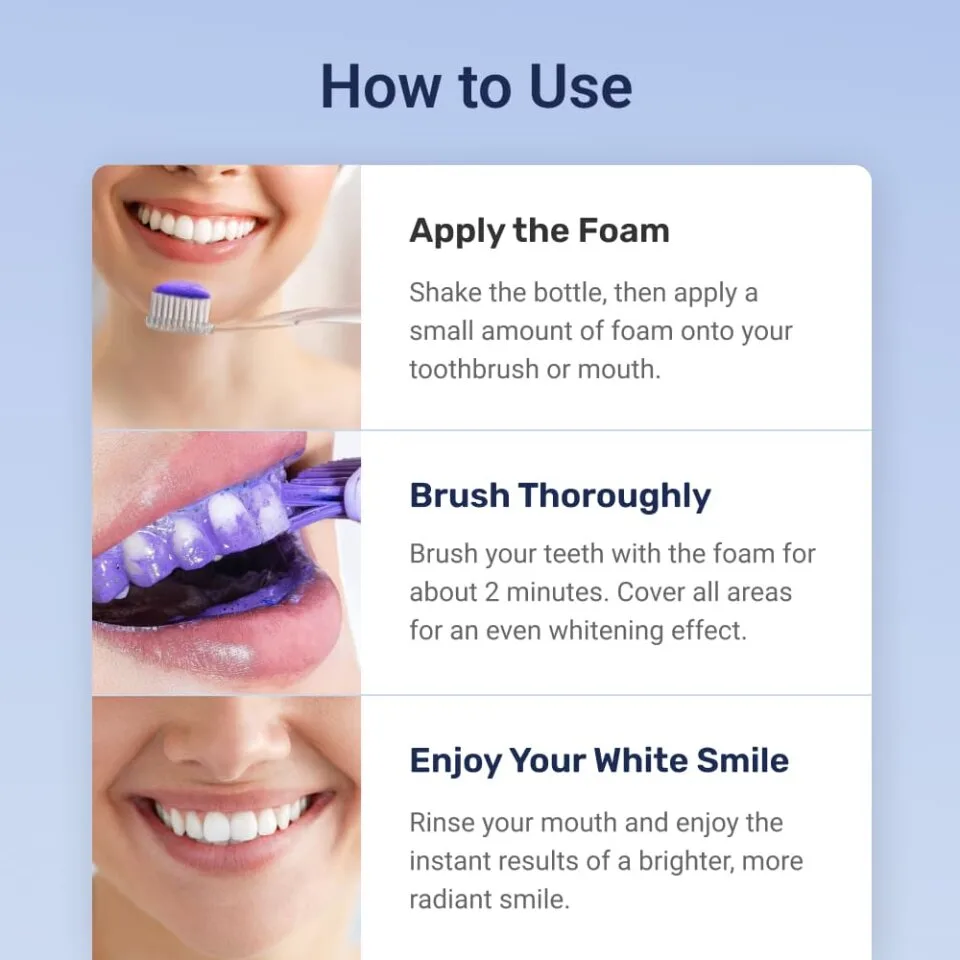
Gentle, instant brightness
WellaWhite Purple Whitening Foam: peroxide-free color correction for an instantly brighter smile. Gentle for daily use. Up to 70% off on the official site.
Check today's price →Up to 70% off on the official site
Do any foods whiten teeth?
No food truly whitens teeth, but some help keep them cleaner. Crunchy fruits and vegetables increase saliva and gently scrub surfaces. Dairy like cheese and milk can help neutralize acids. Water rinses away pigments. These are good habits, not whitening treatments.
When is peroxide the better choice?
If you want teeth several shades lighter, peroxide whitening, such as an at-home LED kit, is the effective option. Used as directed, it's generally considered safe. Combining a peroxide course with gentle daily habits and purple foam for boosts gives the best results. See WellaWhite LED review and best at-home teeth whitening.
What if your teeth are sensitive?
Avoid acidic and abrasive hacks, use a sensitivity toothpaste and try peroxide-free foam for a brighter look. If you want peroxide whitening, start with short sessions. See teeth whitening for sensitive teeth.
What's a natural bright-smile routine?
- Brush twice daily with fluoride toothpaste.
- Clean between teeth daily.
- Rinse with water after coffee, tea and wine.
- Snack on crunchy produce.
- Use purple foam a few times a week for extra brightness.
- Get cleanings every six months or as advised.
Is baking soda safe to use?
Baking soda is a mild abrasive found in many toothpastes. Brushing with a toothpaste that contains it is generally fine. Scrubbing hard with straight baking soda every day, or mixing it with acidic lemon juice, can wear enamel over time. If you use it, do so gently and occasionally, and keep using a fluoride toothpaste.
What about charcoal toothpaste?
Charcoal products are popular, but there's limited evidence they whiten teeth, and some are abrasive. Many don't contain fluoride. If you want a darker-looking product for fun, use it occasionally and stick with a fluoride toothpaste daily.
Does oil pulling whiten teeth?
Oil pulling (swishing oil in the mouth) is a traditional practice, but it hasn't been shown to whiten teeth. It shouldn't replace brushing and flossing.
Can drinking water help?
Yes, in a small way. Sipping water after coffee, tea and meals rinses away pigments before they settle. It's one of the easiest habits for keeping teeth brighter.
Do strawberries whiten teeth?
Strawberries contain a little malic acid, but the sugar and acid aren't great for enamel, and any effect is minimal. Enjoy them as food, not as a whitening treatment.
Are natural methods safe for kids?
Kids should stick to brushing with fluoride toothpaste and regular dental visits. Avoid acidic or abrasive hacks. Whitening products aren't usually recommended for young children.
How long until you see results?
Good habits and cleanings can make teeth look cleaner and brighter within days to weeks. Color correction is instant. Peroxide whitening shows changes over a few sessions.
Which foods and drinks stain most?
- Coffee and black tea.
- Red wine.
- Dark sodas and cola.
- Berries and pomegranate.
- Soy sauce, balsamic vinegar and tomato sauce.
- Curry and turmeric.
You don't need to avoid them; rinse with water afterward and keep up your routine. See drinks that stain teeth.
Does an electric toothbrush help naturally?
Yes. Removing plaque more effectively helps prevent stains from sticking. Many people notice teeth look cleaner after switching. See electric toothbrush vs manual.
Does flossing make teeth look whiter?
It can. Stains and plaque collect between teeth and at the edges, which makes teeth look darker. Daily cleaning between teeth keeps the edges brighter. See water flosser vs floss.
How do you combine natural care with whitening?
Start with a dental cleaning, keep up daily habits, use purple foam for quick boosts and, if you want lasting results, do a peroxide whitening course. Natural habits then help those results last. See how to maintain white teeth.
What are common whitening myths?
- "Scrubbing harder makes teeth whiter." It wears enamel.
- "Lemon is natural, so it's safe." Acid erodes enamel.
- "Charcoal draws out stains." Evidence is limited.
- "White teeth mean healthy teeth." Color and health are different.
Why is a dental cleaning the best natural step?
A professional cleaning removes tartar and surface stains that brushing can't. It's often the single biggest instant improvement in how teeth look, without any whitening product. Hygienists can also spot early issues and recommend safe whitening options for you.
Are there other ways to make your smile look brighter?
- Healthy, pink gums frame teeth nicely.
- Lip colors with blue undertones can make teeth look whiter.
- Natural light flatters a smile more than warm indoor light.
- A quick brush with purple foam before photos.
Do natural methods work for older adults?
Good habits help at any age. Older teeth have more dentin showing, so peroxide whitening may make a bigger difference than natural methods alone. See teeth whitening for older adults.
What's the takeaway?
Protect enamel, keep up daily habits, skip acidic hacks and use gentle color correction or peroxide when you want more.
Which toothbrush bristles are best?
Soft bristles clean well without wearing enamel or irritating gums. Hard bristles don't whiten better and can cause damage over time.
Does sugar affect tooth color?
Sugar feeds plaque bacteria, and plaque holds stains. Cutting back on sugary snacks and drinks helps keep teeth cleaner and brighter, and protects against cavities.
Does chewing gum whiten teeth?
Sugar-free gum after meals stimulates saliva, which rinses away food and pigments. It won't whiten, but it helps prevent new stains.
Can natural hacks cause sensitivity?
Yes. Acidic and abrasive hacks can wear enamel and expose dentin, which makes teeth sensitive to cold and sweets. If your teeth became sensitive after trying a hack, stop, switch to a sensitivity toothpaste and talk to your dentist.
Is peroxide "unnatural"?
Hydrogen peroxide occurs naturally in small amounts, and peroxide whitening has been studied for decades. Used as directed, it's generally considered safe and is far more effective than most kitchen hacks.
When should you try a kit?
When good habits and cleanings aren't enough and you want a lighter shade.
Are strips more natural than kits?
No. Both use peroxide; the difference is how the gel is held on teeth.
The bottom line
Natural methods help prevent and remove surface stains but won't change your teeth's natural shade, and acidic or abrasive hacks can damage enamel. Stick with good habits, gentle color correction for instant brightness and peroxide whitening for lasting results.
For gentle, instant brightness, our pick is WellaWhite Purple Whitening Foam. Check today's WellaWhite Purple Foam price.
Sources
- Cleveland Clinic. Tooth Discoloration.
- American Dental Association. Whitening.
- Official WellaWhite product page, checked October 2026.
Frequently asked questions
Can you whiten teeth naturally?
Natural habits help remove surface stains but won't change your teeth's natural shade.
Is lemon juice safe for whitening teeth?
No, its acid can erode enamel.
Does baking soda whiten teeth?
It can help with surface stains occasionally, but harsh daily scrubbing can wear enamel.
Does charcoal whiten teeth?
Evidence is limited and some products are abrasive.
What is a gentle way to brighten teeth instantly?
Peroxide-free purple color-correcting foam.
What whitens teeth the most?
Peroxide whitening, used as directed.

Michelle Hert
Michelle researches at-home oral care products, from whitening kits to water flossers, and reads the dental research and buyer feedback behind them so readers can make smarter choices. She is not a dentist, and her guides are not a substitute for professional dental care. Her guides are built on published research, manufacturer information and verified buyer feedback, and are updated when new information comes out. More about Michelle.