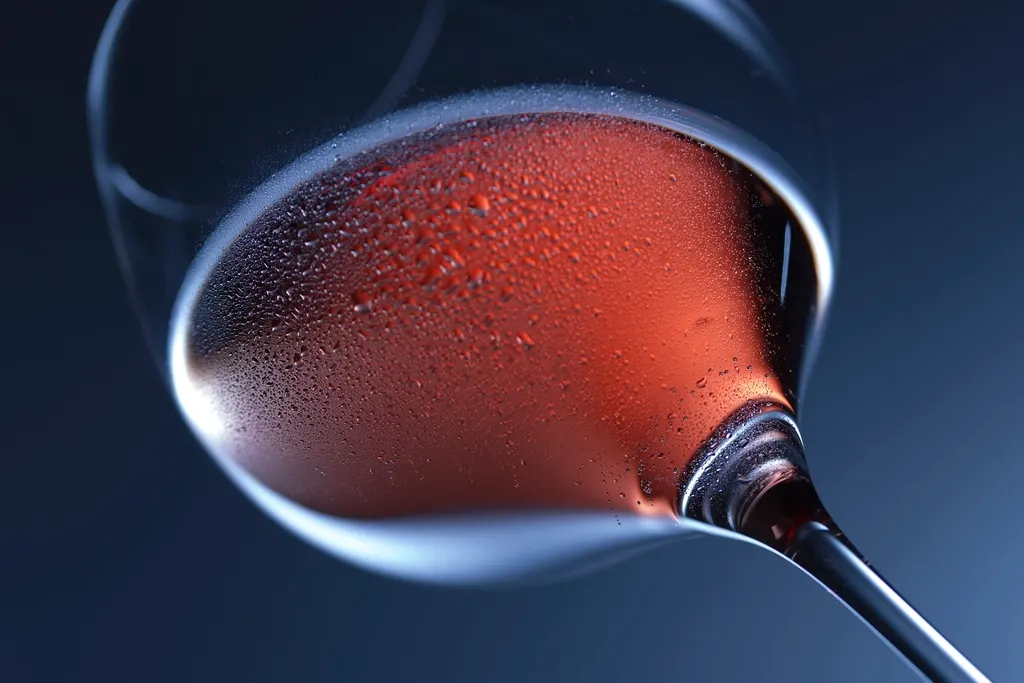
- The acid roughens enamel.
- The tannins help color stick.
- The pigments settle in.
- Eat while you drink.
- Sip water between glasses.
- Rinse after drinking.
- Wait 30 minutes before brushing.
General information, not dental advice. Enjoy alcohol responsibly, and talk with your dentist about persistent staining or sensitivity.
A glass of red wine with dinner is one of life's small pleasures, until you catch your reflection and see a purple tint on your teeth and a dark line along your gums. Over months and years, regular red wine drinking can also add a deeper, grayish stain that brushing doesn't remove. White wine isn't completely innocent either.
This guide explains why wine stains teeth, how to prevent "wine teeth" at the table, how to remove fresh and built-up stains, and how to get a quick brightening before a night out.
Why does red wine stain teeth?
Three things in red wine work together:
- Chromogens: intensely colored pigments that attach to enamel.
- Tannins: compounds that help pigments bind to the tooth surface.
- Acidity: wine is acidic, which can temporarily soften and roughen enamel, giving stains more grip.
Cleveland Clinic lists red wine among the foods and drinks that commonly cause extrinsic (surface) tooth stains, alongside coffee, tea and dark sodas.
Does white wine stain teeth too?
White wine has far less pigment, so it won't turn your teeth purple. But it's acidic, and some research suggests acidic drinks can make teeth more prone to staining from other foods and drinks afterward. So a glass of white wine followed by coffee or a dark sauce may stain more than either on its own. Rinsing with water helps either way.
How do you prevent wine stains at the table?
- Eat while you drink: food stimulates saliva and creates a buffer. Cheese is a classic pairing that may help.
- Sip water between glasses to rinse pigments and dilute acids as you go.
- Avoid swishing wine around your mouth or holding it on your teeth.
- Don't brush right before drinking wine; freshly brushed enamel may pick up stain more easily. Brush earlier in the day instead.
- Rinse with water after your last glass of the night.
- Wait about 30 minutes before brushing after wine, since acid softens enamel temporarily.
- Chew sugar-free gum after drinking to boost saliva and freshen breath.
How do you remove fresh wine stains from your teeth?
That purple tint after a glass or two is mostly on the surface and in the plaque film. Rinse with water, and when 30 minutes have passed, brush gently with fluoride toothpaste. Wiping your teeth with a napkin can help in the moment. For an instant visible fix before photos, a color-correcting foam can neutralize remaining yellow and gray tones.
How does purple foam help with wine stains?
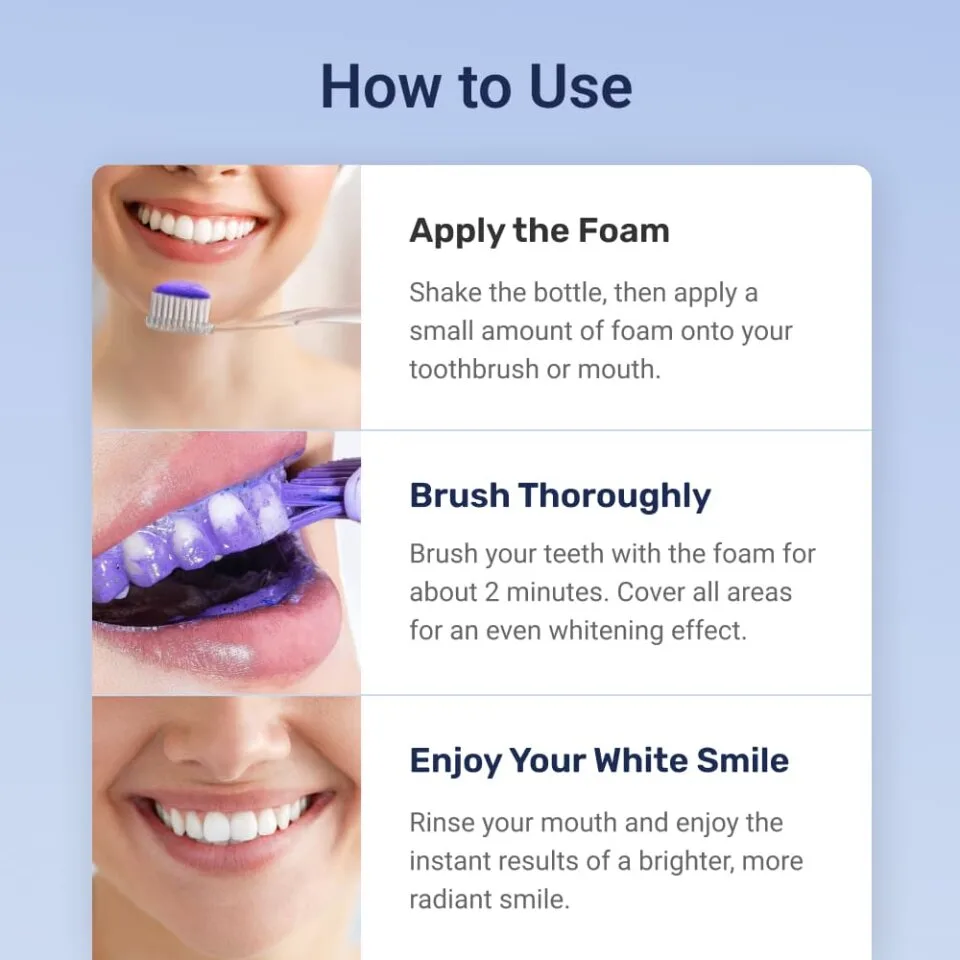
Purple whitening foams use color theory: violet sits opposite yellow on the color wheel, so a purple pigment visually cancels yellow tones and makes teeth look brighter right away. WellaWhite Purple Whitening Foam is a peroxide-free foam you brush with for about two minutes. Because it contains no peroxide, it's gentle, including for sensitive teeth. The effect is temporary and optical, not bleaching, but it's ideal for a quick boost before a dinner, a date or photos. It's sold on the official site with discounts of up to 70%. Read does purple toothpaste work?
Instant brightening before your next dinner
WellaWhite Purple Whitening Foam: peroxide-free color-correcting foam. Brush for 2 minutes for a temporary brighter look. Up to 70% off on the official site.
Check today's price →Up to 70% off on the official site
How do you remove built-up wine stains?
Years of regular wine drinking can leave deeper stains that brushing and purple foam don't fully lift. For lasting removal:
- Professional cleaning removes surface stains and tartar that hold pigment.
- Peroxide-based whitening breaks down stain molecules inside the tooth. The American Dental Association explains how bleaching products work.
- At-home LED kits make whitening and regular touch-ups easy. See our WellaWhite LED review and how to get rid of yellow teeth.
Do some red wines stain more than others?
Generally, deeper-colored, fuller-bodied reds with more tannin tend to leave more visible staining than light-bodied reds. Young, intensely colored wines can be especially noticeable on teeth, while lighter reds and rosés usually leave less color behind. Sparkling and white wines carry little pigment but still bring acidity. That doesn't mean you need to change what you drink; it means the protective habits matter more on nights when you're enjoying a big, dark red. Keeping water on the table and eating alongside the wine makes the biggest difference regardless of the bottle.
Why do stains collect along the gumline and between teeth?
Wine pigment sticks most readily where plaque has built up, and plaque tends to collect along the gumline and in the gaps between teeth, where brushing is least thorough. That's why wine teeth often show as a dark outline at the edges of each tooth rather than an even tint. Gum recession can make it more visible, since exposed root surfaces stain more easily than enamel. Daily cleaning between teeth and careful brushing at the gumline reduce the film that holds color, so the same glass of wine leaves less behind.
How often should wine lovers get professional cleanings?
Most people benefit from cleanings at the interval their dentist recommends, often every six months. Regular wine, coffee and tea drinkers sometimes find stains build up faster and may ask their dentist whether more frequent cleanings make sense for them. A professional cleaning removes tartar and surface stain that no toothbrush can, and it's an ideal starting point before whitening, so the gel works on clean enamel. Many people schedule a cleaning, then do an at-home whitening course, then use touch-ups and a purple foam before events to stay bright all year.
What about other drinks at a party?
Red wine isn't the only party drink that stains. Sangria, dark cocktails with cranberry or blackberry, cola-based mixed drinks, dark beers and espresso martinis all combine color with acidity or sugar. Clear spirits with soda water, light beers and white wine spritzers are gentler on your smile, though still acidic. The same habits apply: water between drinks, food alongside, a straw for colored cocktails, a rinse at the end of the night and patience before brushing.
What should you keep in a "wine night" kit?
If you often go out for dinner or to wine tastings, a tiny kit in your bag helps: a travel toothbrush and mini toothpaste for later, a few sugar-free gum pieces, floss picks, a small mirror and a pocket-size purple foam or a quick touch-up product if you like an instant brightening. Add a reusable water bottle for rinsing. None of it is complicated, but having it on hand means you'll actually use it, and you'll leave the evening with a brighter smile than you'd otherwise have.
What's the best combination for wine lovers?
| Goal | Tool |
|---|---|
| Instant brightening before an event | Purple color-correcting foam |
| Remove deeper, built-up stains | Peroxide whitening (LED kit or dentist) |
| Prevent new stains | Water between glasses, eat with wine, rinse after |
| Keep enamel healthy | Fluoride toothpaste, wait 30 minutes to brush |
| Remove plaque that holds stain | Daily interdental cleaning and regular dental cleanings |
Why does plaque make wine stains worse?
Plaque is a sticky film that soaks up pigment like a sponge, which is why stains often concentrate near the gumline and between teeth. Brushing twice a day and cleaning between teeth daily reduces the film that wine can stain. A water flosser helps clear plaque from between teeth; see water flosser vs floss.
What about wine tastings?
Wine tastings mean many red wines in a row with lots of swishing, the perfect recipe for purple teeth. Ask for water and use it between every wine, eat the bread and cheese offered, spit when possible, and avoid brushing right before. Afterward, rinse well, wait before brushing, and use a purple foam if you have dinner plans.
What if your teeth are sensitive?
Wine's acidity can make sensitive teeth twinge. Use a toothpaste for sensitive teeth, drink water alongside wine, and avoid brushing right after drinking. If you plan to whiten, choose gentle options; see teeth whitening for sensitive teeth.
Can you drink wine after whitening?
Avoid red wine for about 48 hours after whitening, when teeth can be more prone to staining. After that, use the habits above to protect your results. See what to eat after teeth whitening.
What does a smile-friendly wine evening look like?
Brush your teeth in the late afternoon, not right before you leave. Before dinner, use a purple foam for an instant bright look. At the table, order a glass of water with your wine and alternate sips, and enjoy the cheese course. Avoid swishing. After the last glass, rinse discreetly with water. At home, wait about 30 minutes before brushing gently with fluoride toothpaste. Over the following weeks, keep up daily cleaning between teeth, and plan a whitening touch-up every few months if you drink red wine regularly. These small habits let you enjoy wine without wine teeth.
What are common wine and teeth myths?
- "Brushing right before wine protects teeth." It can leave enamel more receptive to stain; brush earlier instead.
- "White wine is completely safe." It's less staining but acidic, which can make other stains stick.
- "Purple foam removes stains." It hides yellow tones temporarily; peroxide whitening removes stains.
- "Brushing hard removes wine stains." Hard brushing can wear enamel; gentle brushing and professional cleaning work better.
The bottom line
Red wine stains teeth through a mix of pigments, tannins and acidity. Prevent wine teeth by eating while you drink, sipping water, rinsing afterward and waiting before brushing. Use a purple foam for instant brightening before events, and peroxide whitening for lasting removal of built-up stains.
For a quick brighter look, our pick is WellaWhite Purple Whitening Foam. Check today's WellaWhite Purple Foam price, and see coffee stains on teeth.
Sources
- Cleveland Clinic. Tooth Discoloration.
- American Dental Association. Whitening.
- Official WellaWhite Purple Whitening Foam product page, checked October 2026.
Frequently asked questions
Why does red wine stain teeth?
Its colored pigments, tannins and acidity work together: acid roughens enamel, tannins help color stick and pigments settle in.
How do I prevent wine teeth?
Eat while you drink, sip water between glasses, avoid swishing, rinse afterward and wait about 30 minutes before brushing.
Does white wine stain teeth?
Less than red, but it's acidic and may make teeth more prone to staining from other foods and drinks.
How do you get wine stains off teeth quickly?
Rinse with water, gently brush after 30 minutes, and use a purple color-correcting foam for an instant, temporary brighter look.
Does purple foam remove wine stains?
It hides yellow tones optically for a temporary brighter look. For lasting removal of built-up stains, use peroxide whitening or a professional cleaning.
Can I drink wine after teeth whitening?
Avoid red wine for about 48 hours after whitening, then use protective habits like water and rinsing.

Michelle Hert
Michelle researches at-home oral care products, from whitening kits to water flossers, and reads the dental research and buyer feedback behind them so readers can make smarter choices. She is not a dentist, and her guides are not a substitute for professional dental care. Her guides are built on published research, manufacturer information and verified buyer feedback, and are updated when new information comes out. More about Michelle.