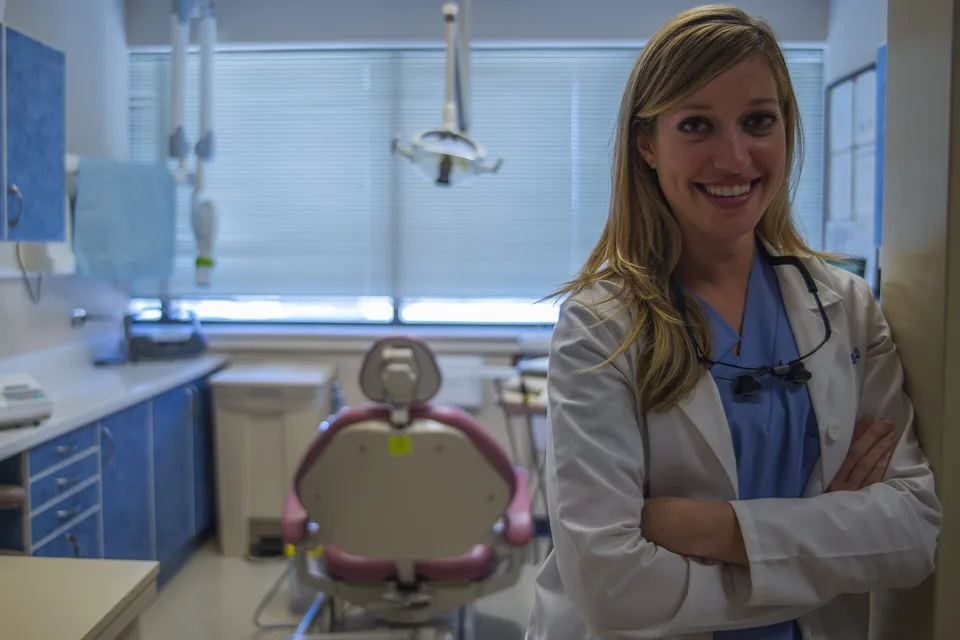
- The LED light itself is low-energy visible blue light; it doesn't contain UV and doesn't burn teeth.
- The whitening is done by the peroxide gel, the same type of ingredient dentists use, at lower at-home strengths.
- The usual side effects are temporary tooth sensitivity and mild gum irritation, which fade after you stop.
- Check with a dentist first if you have cavities, gum disease, crowns on front teeth, or you're pregnant.
General information about consumer products, not dental advice. Talk to your dentist before whitening if you have dental problems, dental work or very sensitive teeth.
LED whitening kits have become one of the most popular ways to brighten a smile at home. They look high-tech, with a glowing blue mouthpiece, and that naturally raises a question: is it actually safe to shine a light on your teeth and use whitening gel without a dentist in the room? The short answer is yes for most people, as long as you choose a reputable kit, follow the instructions and know when to check with a dentist first. This guide explains how LED whitening works, what the research says about safety, the side effects to expect and how to keep whitening comfortable.
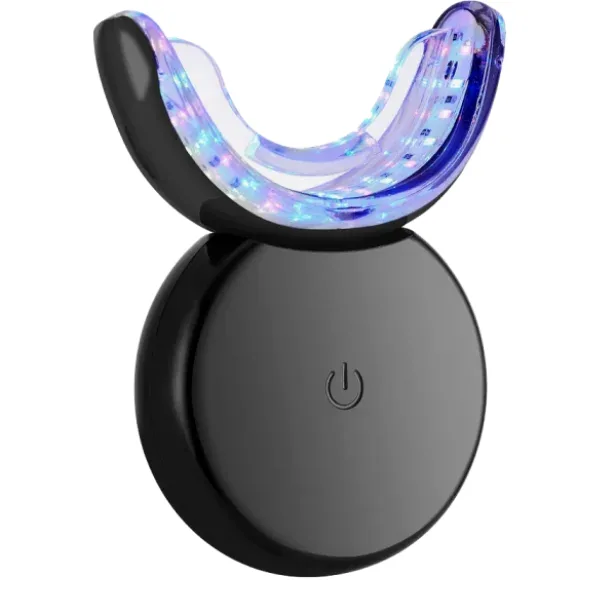
Our pick: the WellaWhite At-Home LED System
Whitening gel, LED light, moldable trays and a shade guide in one kit. 15 to 30 minutes per session, from $59 per kit in bundles.
Check today's price →From $59 per kit · PayPal accepted
How does LED teeth whitening work?
An LED whitening kit has two parts: a peroxide-based gel and a mouthpiece fitted with blue LED lights. The gel does the whitening: peroxide breaks down into oxygen molecules that react with the stain molecules inside enamel and dentin, making them lighter. The blue light is used to support that process during each session.
It's helpful to know which part does what, because it explains where the safety questions really lie: the light is gentle, and any side effects come mostly from the peroxide gel, which is why session time and frequency matter. For a deeper look at effectiveness, see do LED teeth whitening kits work?
Is the blue LED light safe for your teeth and gums?
Yes. At-home whitening kits use low-power LEDs that emit visible blue light, not ultraviolet light. They don't get hot enough to burn teeth or gums, and they don't damage enamel. The light sits inside your mouth for a short session, so exposure is limited.
Common sense still applies: don't stare into the lights, keep the device away from young children, and follow the session time in the instructions.
Is peroxide whitening gel safe?
Peroxide whitening has been studied for decades. The American Dental Association explains that peroxide-based whitening is effective and that its most common side effects are tooth sensitivity and gum irritation, which are usually temporary. At-home kits use lower concentrations than in-office treatments and spread the effect over several sessions, which is gentler on teeth.
What matters most:
- Use a thin layer of gel, only on the teeth.
- Don't leave the gel on longer than recommended.
- Don't do more sessions per day than the instructions allow.
- Rinse after each session.
What side effects can LED whitening cause?
| Side effect | How common | What to do |
|---|---|---|
| Tooth sensitivity | Fairly common, temporary | Space sessions out, use sensitivity toothpaste |
| Gum irritation | Occasional | Use less gel, wipe off excess, rinse well |
| Uneven color at first | Occasional | Finish the full course; it usually evens out |
| Restorations don't change color | Always | Talk to a dentist about matching crowns or fillings |
A study in the Journal of the American Dental Association looked at light-activated whitening and sensitivity; sensitivity during whitening is typically short-lived and resolves after treatment. Our guide to teeth whitening side effects covers each one in detail.
Does LED whitening damage enamel?
Used as directed, peroxide whitening does not wear away enamel the way abrasive scrubs or acidic DIY methods can. The bigger risks for enamel are things like brushing with baking soda and lemon, charcoal powders or overusing whitening products far beyond the instructions. We explain the difference in does teeth whitening damage enamel?
Who should check with a dentist before using LED whitening?
- People with cavities, cracked teeth or worn fillings, since gel can reach sensitive areas.
- Anyone with gum disease or receding gums.
- People with crowns, veneers or bonding on front teeth, which won't change color.
- Those with very sensitive teeth.
- Pregnant or breastfeeding women, who are usually advised to wait.
- Children and teens, unless a dentist recommends whitening.
Why do we recommend the WellaWhite LED kit?
The WellaWhite At-Home LED System pairs a peroxide whitening gel with a blue LED mouthpiece, with simple sessions you can do at home on your own schedule. It costs $79 for one kit, dropping to $74, $69 and $59 per kit in multi-packs. PayPal is accepted, US shipping is $6.90, and returns are accepted within 30 days for unopened products. Read our full WellaWhite LED review.
Whiten at home, the safe and simple way
WellaWhite At-Home LED System: peroxide gel plus blue LED light. From $59 per kit in multi-packs, PayPal accepted.
Check today's price →From $59 per kit · PayPal accepted
How do you use an LED whitening kit safely?
- See your dentist for a checkup and cleaning if you're due; whitening works best on clean teeth.
- Read the instructions before the first session.
- Brush and floss gently before each session.
- Apply a thin layer of gel to the front surfaces of the teeth only.
- Place the mouthpiece and run it for the recommended time.
- Rinse and wipe away any leftover gel.
- Pause if sensitivity builds, and resume after a day or two.
Is LED whitening safe for sensitive teeth?
Often yes, with a gentler approach: start with shorter or fewer sessions, use a desensitizing toothpaste beforehand, and leave a rest day between sessions. If your teeth are sensitive even without whitening, ask your dentist why first, since sensitivity can be a sign of receding gums or worn enamel. See teeth sensitivity after whitening.
How does LED whitening compare with other methods for safety?
| Method | Safety when used as directed | Notes |
|---|---|---|
| LED kit with peroxide gel | Good | Temporary sensitivity possible |
| Whitening strips | Good | Can be uneven on crooked teeth |
| Professional in-office | Good | Higher concentration, supervised, costly |
| Charcoal, lemon, baking soda scrubs | Poor | Abrasive or acidic; can harm enamel |
Compare more in whitening strips vs LED.
How often is it safe to whiten?
Follow the course in your kit's instructions, then switch to occasional touch-ups. Whitening every day for months isn't necessary and increases the chance of sensitivity. Many people do a full course, then a short touch-up every few months, especially if they drink coffee, tea or red wine.
What are the common myths about LED whitening safety?
- "The light burns your teeth." At-home LEDs are low-power visible light, not lasers or UV, and they don't heat teeth enough to cause harm.
- "Whitening makes teeth weaker." Peroxide changes the color of stain molecules; used as directed, it doesn't weaken teeth or make them more likely to break.
- "More sessions means whiter, faster." Overusing whitening mainly increases sensitivity. Following the schedule gives better, more comfortable results.
- "Natural methods are safer." Lemon juice, vinegar and abrasive powders can be harder on enamel than a well-designed whitening kit.
- "If it tingles, it's damaging your teeth." Mild, temporary sensitivity is a known side effect, not a sign of damage. Persistent pain is different and should be checked by a dentist.
Is LED whitening safe for teenagers?
Teenagers' teeth are still maturing, and their pulp (the inner nerve area) is larger, which can make sensitivity more likely. Most dental organizations suggest waiting until adulthood, or at least getting a dentist's advice first. Teens who wore braces sometimes want to whiten right after treatment; a quick check with the orthodontist or dentist is the safest first step.
How should you store whitening gel safely?
Keep whitening gel in a cool, dry place out of direct sunlight, with the cap tightly closed, and out of reach of children and pets. Don't use gel past its expiration date, since peroxide breaks down over time and becomes less effective. Clean the mouthpiece with cool water after each session and let it air-dry before storing it.
What should you do after each session?
Rinse your mouth with water, wipe away any leftover gel and avoid strongly colored food and drinks for an hour or two. Brushing gently with a soft brush later in the day is fine. If your teeth feel tender, skip a day before the next session. Small habits like these keep whitening comfortable from start to finish.
Should you get a dental cleaning before whitening?
It's a good idea if you're due for one. A professional cleaning removes tartar and surface stains, so the whitening gel reaches clean enamel and works more evenly. Your dentist can also spot cavities, worn fillings or receding gums that could make whitening uncomfortable, and tell you whether any front teeth have restorations that won't change color. Many people find their results look brighter and more even when they start whitening a week or two after a cleaning.
The bottom line
LED teeth whitening is safe for most adults with healthy teeth and gums. The blue light is gentle and UV-free, and the peroxide gel is the same type of ingredient dentists use, at lower at-home strengths. Expect possible temporary sensitivity, keep the gel off your gums, follow the instructions and check with your dentist first if you have dental problems or front-tooth restorations. Used that way, a kit like the WellaWhite At-Home LED System is a safe, affordable route to a brighter smile.
Our pick: the WellaWhite At-Home LED System
Whitening gel, LED light, moldable trays and a shade guide in one kit. 15 to 30 minutes per session, from $59 per kit in bundles.
Check today's price →From $59 per kit · PayPal accepted
Frequently asked questions
Is LED teeth whitening safe?
For most adults with healthy teeth and gums, yes, when used as directed.
Does the LED light damage teeth?
No. At-home kits use low-power visible blue light, not UV, and don't burn teeth or gums.
What are the side effects of LED whitening?
Temporary tooth sensitivity and mild gum irritation are the most common, and they usually fade after you stop.
Does LED whitening damage enamel?
Used as directed, peroxide whitening doesn't wear away enamel the way abrasive or acidic DIY methods can.
Who should not use LED whitening?
People with cavities or gum disease, pregnant or breastfeeding women, children, and anyone with front crowns should check with a dentist first.
How often can I use LED whitening?
Follow the course in your kit's instructions, then switch to occasional touch-ups.

Michelle Hert
Michelle researches at-home oral care products, from whitening kits to water flossers, and reads the dental research and buyer feedback behind them so readers can make smarter choices. She is not a dentist, and her guides are not a substitute for professional dental care. Her guides are built on published research, manufacturer information and verified buyer feedback, and are updated when new information comes out. More about Michelle.